

Monitoring your average hrv for men is a proven scientific method to track cardiovascular strain, physical recovery, and stress levels. Clinical data reveals that tracking these shifts provides an early warning system for your autonomic nervous system. The premium Herz P1 smart ring monitors these subtle electrical signals directly from your finger, offering professional-grade tracking with zero subscription fees. If you have been feeling constantly exhausted, finding your target ranges is the key to regaining control.
In This Article
- Baseline Optimization: Learn the exact step-by-step methods to monitor and enhance your HRV metrics.
- Interpreting Normal Ranges: Discover the primary physiological elements that define a healthy HRV in men.
- Age-Based Charts: Benchmark your real cardiovascular fitness levels against demographic normal charts.
- Sleep and Recovery: Dive deep into how daily habits and sleep architecture directly shift autonomic metrics.
- Smart Rings Advantage: Compare why medical-grade tracking rings outshine bulky wrist wearables.
How to Track and Improve Your HRV: A Step-by-Step Guide
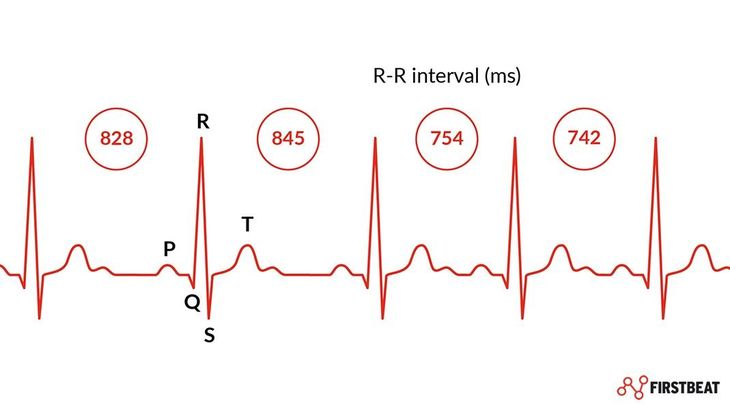
Achieving physiological balance requires an action-oriented framework.
You cannot manage what you do not consistently measure.
This guide will teach you how to systematically assess your autonomic nervous system.
By following these clinical tracking steps, you will convert raw numbers into lifestyle improvements.
Your heart rate variability represents a dynamic feedback loop from your brain.
We will break down this complex biology into simple, daily practices.
Make sure you read every single step to avoid corrupting your biometric trends.
Let us begin with the vital prerequisites for accurate biological tracking.
Prerequisites / What You’ll Need:
- A high-precision biometric wearable device that records sleep stage data.
- A quiet, cool, and dark sleeping environment to prevent environmental reading errors.
- A commitment to wearing your tracking device continuously for at least seven consecutive nights.
-
Step 1: Establish Your Baseline Tracking Routine
Your autonomic nervous system requires a quiet environment to reveal its true baseline status.
The most accurate measurements are taken during your longest periods of uninterrupted deep sleep.
Daytime measurements are highly volatile because they are influenced by posture, meals, and ambient noise.
Therefore, you must wear your health tracker consistently throughout the entire night.
Position your device securely on the recommended finger before you dim the lights.
Do not remove the device if you wake up briefly during the night.
Any tracking gaps will prevent the algorithms from calculating an accurate nocturnal average.
Once the system records seven consecutive nights, it establishes a reliable baseline.
This baseline serves as the medical benchmark for your personal cardiovascular health.
You will compare all future daily fluctuations against this seven-day rolling average.
Establishing this baseline is the foundation of modern, data-driven wellness tracking.
-
Step 2: Control Your Evening Variables
What you consume in the evening directly impacts your heart rate variability overnight.
Avoid eating heavy, protein-rich meals within three hours of your scheduled bedtime.
Late-night digestion diverts blood flow to your stomach, which keeps your resting heart rate elevated.
This continuous physical workload prevents your autonomic nervous system from entering a parasympathetic state.
Furthermore, you should strictly limit your intake of alcohol during the evening hours.
Even a single serving of alcohol can suppress your overnight variability scores by twenty percent.
Ensure your bedroom temperature remains cool, preferably between sixty-five and sixty-eight degrees.
A warm room forces your cardiovascular system to work harder to regulate your internal body temperature.
By controlling these simple evening variables, you protect your body from overnight stress spikes.
Your morning metrics will reflect true cellular recovery rather than digestive stress.
-
Step 3: Track Your Daily Physical Exertion
Physical exercise is a deliberate stressor that triggers long-term cardiovascular adaptation.
When you perform intense physical workouts, your recovery metrics will temporarily decline.
This immediate drop is a natural physiological reaction to muscular micro-tears and metabolic waste.
You must record the intensity and duration of your exercises to contextualize these fluctuations.
If your baseline remains low for three consecutive mornings, your body is pleading for rest.
Ignoring this clear signal leads directly to overtraining syndrome and potential tissue injuries.
On low-recovery days, consciously pivot your routine toward restorative movement patterns.
Substitute heavy weightlifting or high-intensity interval training with a thirty-minute walk.
This gentle movement encourages blood circulation without adding further autonomic strain.
Using your metrics to guide workout intensity prevents chronic physical burnout.
-
Step 4: Implement Micro-Interventions for High Stress
When your real-time metrics indicate high sympathetic activity, you must take immediate action.
You can rapidly alter your nervous system state through controlled, slow deep breathing.
The box breathing method is a clinically proven tool used by high-performance professionals.
Inhale slowly through your nose for four seconds, filling your lungs completely.
Hold your breath comfortably for four seconds, keeping your core stable.
Exhale smoothly through pursed lips for four seconds, releasing all muscular tension.
Hold your lungs empty for another four seconds before repeating the cycle.
Perform this simple breathing cycle for five minutes during stressful work hours.
You will notice a rapid stabilization of your real-time heart rate metrics.
These micro-interventions act as a physiological brake, protecting your cardiovascular reserves.
-
Step 5: Review Weekly and Monthly Biometric Trends
It is easy to panic when you see a sudden drop in your daily recovery score.
However, you must remember that your nervous system is a dynamic, living system.
Daily fluctuations are completely normal and reflect minor environmental adaptations.
You should focus your energy on analyzing your weekly and monthly rolling averages.
An upward trend over thirty days indicates expanding cardiovascular capacity.
It proves that your sleep quality, diet, and stress management are working in harmony.
Conversely, a downward monthly trend is a warning sign of systemic physical exhaustion.
Use these macro trends to make structured, gradual changes to your daily lifestyle habits.
By focusing on long-term trends, you build a healthier relationship with your wellness data.
Sustainable progress is measured in weeks and months, not single days.
The premium Herz P1 smart ring makes tracking this complex journey entirely seamless.
Our military-grade steel ring monitors your autonomic signals and oxygen levels every five minutes.
It fits comfortably on your finger, eliminating the need for bulky, battery-draining wrist trackers.
You get complete access to all your long-term health trends with absolutely no monthly subscription fees.
Understanding Biometrics: What is a Good HRV for Men?
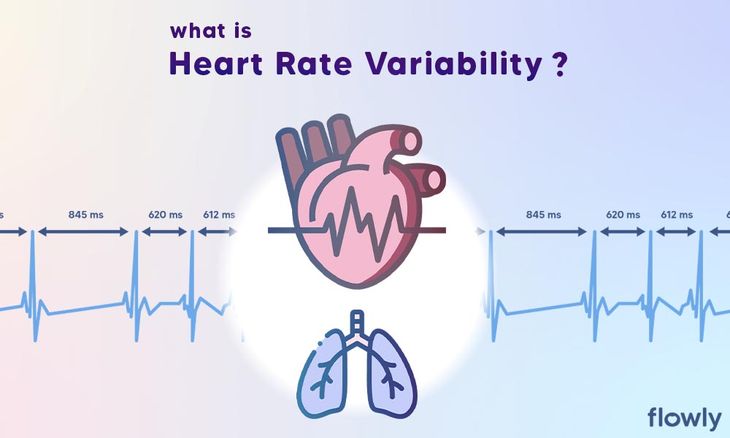
To understand heart rate variability, we must look closely at our biological wiring.
Your heartbeat is not a perfectly timed clock, even when you sit completely still.
There are tiny, millisecond-level differences in the spacing between each pulse.
These micro-fluctuations reflect the constant communication between your brain and your heart.
Scientists measure this variation to understand how well your body adapts to stress.
A higher variation indicates a highly resilient autonomic nervous system.
It means your body can quickly switch from high alert back to deep relaxation.
When you ask whats a good hrv for men, the answer is highly individualized.
Generally, a score above fifty milliseconds represents a healthy, active baseline for adult males.
However, an ideal hrv for men is one that remains stable or improves over time.
According to the American Heart Association, keeping a close eye on your average hrv is a critical marker of cardiovascular endurance.
Men who maintain a high fitness level often display much higher variability baselines.
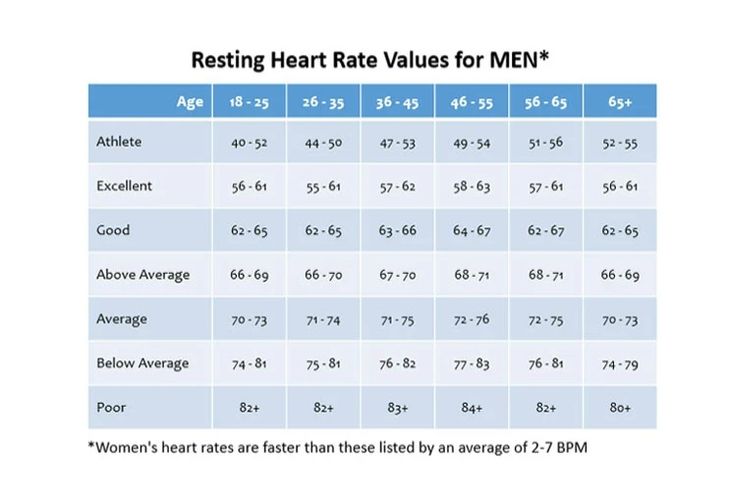
To get a complete view of your cardiac system, you should pair this metric with a resting heart rate chart men can use for clinical comparison.
A low resting pulse combined with high variability indicates supreme cardiovascular efficiency.
The optical sensors in the Herz P1 ring track both metrics continuously during your deepest sleep stages.
The Critical Interplay Between HRV and Blood Oxygen Saturation
Your cardiovascular health does not exist in a vacuum separated from your breathing.
Blood oxygen saturation, known as SpO2, measure how much oxygen your red blood cells carry.
According to clinical studies by the National Sleep Foundation, overnight oxygen drops disrupt your heart rhythms.
When your breathing pauses or becomes shallow during sleep, your blood oxygen levels drop.
Your brain immediately senses this drop as an urgent survival emergency.
It instantly triggers a massive spike in sympathetic nervous system activity.
This biological emergency spikes your heart rate and severely crushes your variability scores.
If you only track heart patterns, you might misdiagnose this as general physical overtraining.
By tracking SpO2 alongside cardiovascular patterns, you reveal the true source of overnight strain.
The Herz P1 smart ring features medical-grade multi-wavelength PPG sensors that track oxygen drops instantly.
This comprehensive tracking ensures you identify sleep breathing disruptions before they damage your cardiovascular reserves.
The Science of Aging: Heart Rate Variability Chart by Age
As men progress through life, their autonomic nervous systems naturally change.
This natural process leads to a gradual decline in baseline variability metrics.
Understanding these hrv ranges for men prevents you from making unfair comparisons.
Comparing your mature recovery metrics to a young athlete will only cause unnecessary stress.
To help you benchmark your health accurately, we have compiled comprehensive clinical data.
This data outlines the typical hrv by age for healthy, active basics.
It shows that maintaining a healthy lifestyle keeps your metrics in the optimal zone for your bracket.
By referencing our hrv levels by age statistics, you can easily track your relative performance.
Let us review the detailed heart rate variability chart by age below to locate your range.
Our data highlights the average average heart rate variability by age profiles from thousands of users.
These numbers reflect general healthy populations and are not rigid diagnostic rules.
Your personal trend is always the most important indicator of your cardiovascular progress.
A mature man with a lower baseline score can still possess incredible physical stamina.
The goal is to maintain your score within or above the normal range for your demographic.
| Age Group | Normal Average Range (ms) | Target for Active Men (ms) |
|---|---|---|
| 20 – 29 Years Old | 55 to 105 ms | 80+ ms |
| 30 – 39 Years Old | 40 to 85 ms | 65+ ms |
| 40 – 49 Years Old | 30 to 70 ms | 55+ ms |
| 50 – 59 Years Old | 25 to 55 ms | 45+ ms |
| 60 – 69 Years Old | 20 to 45 ms | 35+ ms |
How to Properly Interpret Your Specific Age Bracket Ranges
Many men feel discouraged when they see their daily scores sitting near the lower limit.
However, you must remember that genetics dictate a massive portion of your natural autonomic tone.
Some individuals naturally have a higher parasympathetic drive from birth.
Others must work consistently through cardiovascular training to elevate their baseline scores.
Furthermore, daily stressors like work deadlines, minor dehydration, or poor sleep will cause temporary dips.
The key to successful health optimization is tracking how quickly your scores bounce back.
A resilient cardiovascular system recovers to its baseline within twenty-four to forty-eight hours.
If your scores remain suppressed for over a week, it is a sign of systemic fatigue.
The Herz P1 application automatically highlights these long-term baseline shifts for you.
This intelligent analysis prevents you from overreacting to normal, daily biometric noise.
When tracking hrv for men, consistency is far more important than absolute numbers.
Practical Application: Reading Your Biometric Data
Once you connect your tracking ring to your smartphone, you will see a detailed dashboard.
The application converts raw milliseconds of variation into a clear, daily readiness score.
This readiness score is graded on a simple scale from zero to one hundred.
A high score means your autonomic nervous system is fully recovered and ready for physical challenges.
A low score serves as a friendly reminder to prioritize active recovery and sleep.
We recommend viewing your readiness score every morning before you plan your daily schedule.
Aligning your mental and physical tasks with your bodily readiness optimizes your daily performance.
This reactive lifestyle method dramatically reduces your risk of injury and physical burnout.
It allows you to work smarter, train harder, and recover faster every single day.
Our Herz P1 team designed this interface to be accessible to beginners and athletes alike.
You do not need a degree in sports science to understand your daily biometrics.
The simple color-coded charts give you instant feedback on your bodily status.
This immediate clarity helps you make better health decisions throughout your busy day.
Understanding Male vs Female Sleep Patterns and Recovery Needs
Men and women possess fundamentally different hormonal profiles that influence sleep and recovery.
Scientific research on male vs female sleep reveals distinct differences in deep sleep duration.
Women generally spend a higher percentage of their sleep cycle in restorative deep sleep.
Conversely, studies on gender sleep differences show that men experience more sleep fragmentation.
This frequent overnight disruption often leads to lower average recovery scores for men.
Therefore, men must be highly proactive about optimizing their sleep environment and hygiene.
Tracking these subtle sleep disruptions requires a lightweight, comfortable wearable device.
The Herz P1 smart ring weighs only three and a half grams and sits comfortably on your finger.
It tracks your precise sleep stages without the annoying physical bulk of a traditional smartwatch.
This lightweight design ensures you get clinical-grade sleep insights without disrupting your rest.
Overcoming Risks: The Smartwatch Sleep Discomfort and Cost Trap
Many people purchase expensive smartwatches only to realize they are highly uncomfortable for sleeping.
The heavy plastic or metal casing presses into your wrist throughout the night.
This constant physical pressure can trigger silent micro-arousals that ruin your deep sleep stages.
Furthermore, most smartwatches require daily charging, which often creates frustrating tracking gaps.
If your device is sitting on a charger, it is not tracking your critical recovery metrics.
Another major issue in the wearable market is the hidden monthly subscription fee.
Several premium fitness brands lock your personal health data behind expensive monthly paywalls.
They force you to pay an ongoing fee just to view the health trends you recorded.
We believe your personal health metrics should always belong entirely to you.
The Herz P1 smart ring requires absolutely no monthly subscription or hidden fees.
You purchase the hardware once and enjoy complete access to your data trends forever.
Our military-grade steel ring charges in under an hour and runs for six days straight.
By choosing the Herz P1, you avoid both overnight discomfort and ongoing financial drains.
Frequently Asked Questions About Herz P1 and HRV
Choosing the right wearable health tracker can feel overwhelming with so many options available.
To help you make an informed decision, we have answered our most common user inquiries.
These answers are designed to provide clear, direct physiological and technology explanations.
Our customer wellness team at Herz P1 is always here to support your journey.
Let us address the most frequent questions about our premium smart ring technology.
Is the Herz P1 smart ring waterproof?
Yes, the Herz P1 is designed with a certified IP68 waterproof rating.
This rating ensures your ring is completely sealed against water, dust, and moisture.
You can wear it safely while swimming in pools, taking hot showers, or relaxing in saunas.
It supports continuous biological tracking in wet environments up to one hundred and sixty-four feet deep.
How long does the battery last?
Our smart ring delivers up to six days of continuous health tracking on a single charge.
This extended battery life is powered by our ultra-low-energy Bluetooth and optical sensors.
When the battery is low, it fully recharges in less than sixty minutes using our magnetic charger.
This quick charge cycle ensures you never experience gaps in your nocturnal sleep data.
Which finger is best to wear the smart ring on?
We recommend wearing the Herz P1 on your index, middle, or ring finger of your non-dominant hand.
These fingers have the most prominent blood vessels, which improves optical sensor accuracy.
Make sure the ring fits snugly but comfortably without rotating during your daily activities.
Our complimentary sizing kit makes it easy to find your perfect fit before ordering.
Does the ring store my biometric data offline?
Yes, the Herz P1 has a built-in memory chip that stores up to seven days of metrics offline.
You do not need to keep your smartphone connected via Bluetooth twenty-four hours a day.
Your data is completely safe on the ring until you open the app to sync it.
This local storage feature is perfect for outdoor adventures or distraction-free sleep.
Conclusion: Your Subscription-Free Wellness Journey Starts Here
Take control of your recovery and build lasting cardiovascular health today.
The Herz P1 is your trusted subscription-free health companion.
Ready to monitor your health every day? Explore the Herz P1 Smart Ring and see if it fits your lifestyle. Call: 1-866-479-1629 — our team can help you advise on the correct ring size and set personalized health goals.
Note: Individual results may vary depending on individual health conditions, age, and lifestyle habits. This article is intended for general health reference purposes only.
