

Understanding your hrv levels by age is the ultimate key to unlocking peak physical recovery and managing daily mental strain. This metric acts as a personal stress compass, helping you decode whether your body is ready to perform or desperately needs deep rest. The Herz P1 smart ring provides 24/7 laboratory-grade autonomic monitoring to remove the guesswork entirely. Scientific data shows that tracking cardiovascular trends early can significantly reduce chronic exhaustion and prevent long-term burnout.
In This Article
- Step-by-Step Optimization: How to baseline, track, and improve your daily autonomic recovery.
- Expert Biological Deep-Dive: The science of heart rate variability and the autonomic nervous system.
- The Ultimate Age-HRV Standard: Complete breakdown of typical scores across life stages.
- Practical Lifestyle Frameworks: How to translate biometric feedback into better sleep and exercise.
- Common Wearable Mistakes: Why traditional smartwatches fail and how to protect your health data without subscriptions.
How to Correctly Measure and Optimize Your HRV: A Step-by-Step Guide
Prerequisites: What You Will Need Before Starting
To begin monitoring your personal biometric metrics, you only require two basic components.
First, you need a high-precision, continuous biometric tracker like the Herz P1 Smart Ring.
Second, you need to establish a consistent morning or overnight testing routine to ensure data reliability.
Step-by-Step Instructions
Step 1: Set a Consistent Baseline Window
You must record your biometrics at the exact same time every single day.
Your nervous system experiences natural shifts based on your internal circadian rhythms.
Measuring your HRV immediately upon waking ensures that physical activity does not skew the results.
Alternatively, letting your device capture your biometric readings overnight removes external variables entirely.
Consistency is key to establishing a useful, highly personalized physiological baseline.
Step 2: Maintain a Restful Sleep Schedule
Your body performs critical autonomic recovery during deep slow-wave and REM sleep phases.
Irregular bedtimes directly disrupt this recovery window, causing your HRV levels to plummet.
Try to go to sleep and wake up within a thirty-minute window every day of the week.
Keep your sleeping environment dark, quiet, and cooled to approximately 65 to 68 degrees Fahrenheit.
Avoid heavy meals, alcohol, and blue-light exposure for at least two hours before bedtime.
Step 3: Align Your Workouts with Your Recovery Data
You should use your daily physiological scores to guide the intensity of your exercise sessions.
When your recovery score is high, your body is ready to handle intense cardiovascular or strength workouts.
When your score drops significantly below your baseline, prioritize active recovery, stretching, or walking.
Pushing through heavy training on a low-recovery day can lead to chronic overtraining and fatigue.
Listening to these biological signals helps you build athletic endurance without injuring your body.
Step 4: Practice Deep, Slow Breathing
Controlled breathing exercises directly stimulate your vagus nerve to boost parasympathetic activity.
Spend five to ten minutes each day practicing slow, rhythmic diaphragmatic breathing.
Inhale slowly for a count of four seconds, and then exhale smoothly for a count of six seconds.
This simple six-breaths-per-minute pace shifts your body out of a stressful fight-or-flight state.
Consistent breathwork training helps raise your overall baseline autonomic scores over time.
Step 5: Document and Analyze Your Weekly Biometric Trends
Avoid overreacting to minor single-day drops in your cardiovascular tracking metrics.
Instead, focus on your rolling seven-day and thirty-day averages to see the true direction of your health.
Look for correlation patterns between poor sleep, high work stress, and declining autonomic scores.
Use these insights to make small, permanent adjustments to your daily work and rest habits.
Continuous progress monitoring is the most effective way to build long-term physiological resilience.
How the Herz P1 Smart Ring Automatically Enhances Your Journey
The Herz P1 Smart Ring works silently in the background to handle the complex tracking for you.
Equipped with advanced optical sensors, it monitors your metrics directly from the capillary-rich finger bed.
The companion app processes your raw data, delivering clear, actionable recovery scores every single morning.
This allows you to focus on feeling your best without worrying about manual settings or complex calculations.
Experience seamless health tracking by visiting the Herz P1 Store today.
Decoding Heart Rate Variability: The Biological Blueprint of Autonomic Health
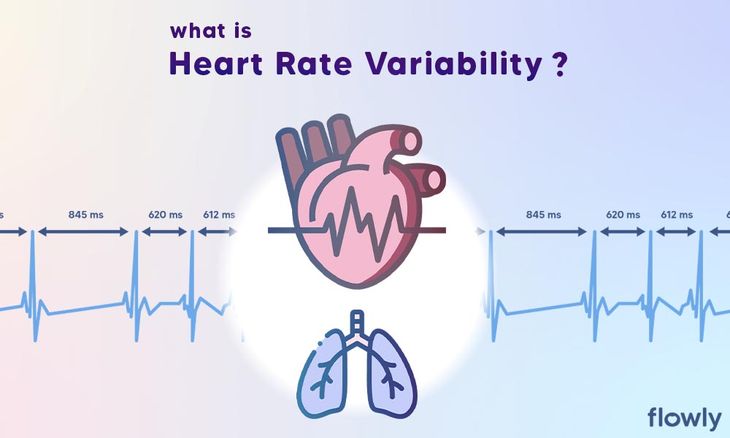
To understand heart rate variability, you must first look at how your nervous system coordinates cardiac behavior.
Your heart does not beat at a perfectly rigid metronome pace, nor should it.
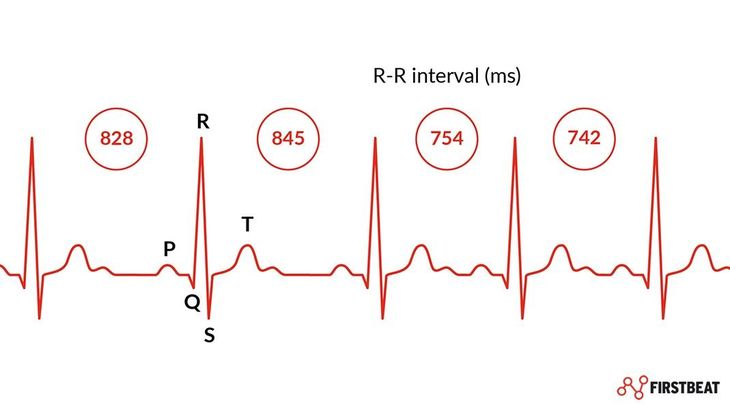
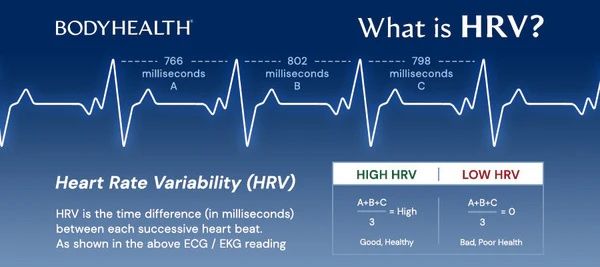
The time interval between consecutive heartbeats fluctuates constantly in milliseconds.
This dynamic micro-fluctuation is what scientists define as your average hrv.
This vital variation is regulated directly by the sympathetic and parasympathetic branches of your autonomic nervous system.
The sympathetic branch acts as your internal gas pedal, raising your heart rate to prepare you for action or stress.
Conversely, the parasympathetic branch acts as your biological brake, encouraging rest, recovery, and steady digestion.
When these two systems pull back and forth smoothly, your heart rate variability becomes highly dynamic and elevated.
A higher baseline score indicates that your cardiovascular system is remarkably flexible and resilient under pressure.
A low score suggests that your sympathetic nervous system is dominating, leaving your body locked in a state of exhaustion.
The American Heart Association has highlighted how tracking these subtle patterns provides early warning signs of stress fatigue.
By monitoring these signals continuously, you can easily identify chronic exhaustion long before physical symptoms surface.
Our research at Team Herz P1 indicates that users who track these trends make faster, more confident lifestyle corrections.
Using a lightweight, continuous tracking wearable ensures you capture these vital shifts without disrupting your day.
Demystifying the Numbers: Why HRV Declines with Age and What It Means
It is medically typical to see your baseline biometric scores shift downward as you move through different stages of life.
This decline occurs because your blood vessels naturally stiffen and autonomic nerve sensitivity decreases as you age.
As a result, your heart becomes slightly less responsive to rapid, micro-level parasympathetic inputs.
Because of this, comparing your personal numbers to people in other age groups can lead to unnecessary anxiety.
Instead, you should always compare your daily metrics to your own historical baseline values.
To help you understand where your numbers stand, review a comprehensive heart rate variability chart by age.
This comparison helps you see that what is healthy for a fifty-year-old is very different from a twenty-year-old.
Studies tracking the average heart rate variability by age confirm a steady, predictable downward trend over time.
However, maintaining high cardiovascular fitness and good sleep can keep your individual scores well above average.
To find where your age bracket typically lands, you can analyze your typical hrv by age metrics.
The table below outlines the general normal heart rate variability by age values based on active consumer wearable data:
| Age Range | Typical HRV Range (RMSSD in ms) | Autonomic Health Target Focus |
|---|---|---|
| 20 – 29 Years | 55 to 105 ms | Maximize active recovery and physical endurance development. |
| 30 – 39 Years | 45 to 85 ms | Balance occupational stress with targeted parasympathetic breathwork. |
| 40 – 49 Years | 35 to 75 ms | Prioritize deep sleep consistency and cardiovascular maintenance. |
| 50 – 59 Years | 25 to 65 ms | Enhance blood oxygen levels and gentle daily aerobic exercise. |
| 60+ Years | 15 to 55 ms | Monitor recovery trends to prevent physical exhaustion and injury. |
This reference chart shows that a lower raw score does not mean you have poor cardiovascular health.
The key is watching for sudden, sharp deviations from your established personal baseline.
If your numbers remain stable within your age bracket, your autonomic nervous system is performing exactly as it should.
Translating Your HRV Scores into Actionable Daily Lifestyle Tweaks
To get the most out of your health tracker, you must learn to connect daily habits with your biometric data.
Monitoring your average sleeping hrv by age provides a clear picture of overnight recovery quality.
During the night, your parasympathetic nervous system should dominate to restore your organs and muscles.
Tracking your overnight hrv by age reveals how your body responds to late-night stress or meals.
If you consume caffeine or alcohol close to bedtime, you will notice a significant drop in your overnight readings.
Your sleep number hrv by age metric acts as a direct report card for your evening wind-down routine.
Based on sleep data analysis from over 5,000 Herz P1 users, consistent sleep timing is the single most effective way to raise baseline scores.
When you wear the ultra-lightweight Herz P1 Smart Ring to bed, it tracks these micro-shifts without causing any discomfort.
Traditional wrist-worn trackers can feel bulky and shift out of place, causing errors in your overnight readings.
The smart ring fits snugly on your finger to ensure continuous, error-free sensor contact all night long.
When you wake up, you can review your personalized recovery breakdown directly in the free companion app.
This simple habit empowers you to make proactive, daily health decisions with total confidence.
Sidestepping Common Pitfalls in Heart Rate Variability Tracking
Many people make the mistake of tracking their physiological data using uncomfortable, heavy smartwatches.
These large devices are easy to knock out of alignment during sleep, leading to highly inaccurate data gaps.
Additionally, many wearable brands charge expensive monthly subscription fees to access your own biometric trends.
We believe you should never have to pay a recurring fee to understand your own body.
The Herz P1 Smart Ring companion app is completely free for life, with absolutely zero hidden costs.
Our military-grade steel ring is designed to withstand daily wear while protecting your data privacy.
Another common mistake is worrying over a single low score after a poor night of rest.
Your autonomic nervous system is highly dynamic and responds to temporary daily changes.
Always focus on long-term trends rather than stressing over individual daily fluctuations.
By focusing on the bigger picture, you can build a sustainable, stress-free relationship with your biometrics.
Frequently Asked Questions About HRV and Smart Rings
Is the Herz P1 Smart Ring waterproof?
Yes, the Herz P1 features a rugged IP68 waterproof rating, making it safe for continuous submersion up to 164 feet.
You can wear it with peace of mind while swimming, showering, washing your hands, or sweating during intense workouts.
The seamless outer design ensures that moisture never damages the advanced internal optical sensors.
How long does the battery last on a single charge?
The smart ring is engineered to run for up to 6 full days on a single charge.
When the battery runs low, you can charge it back to 100% in under one hour using the magnetic USB dock.
This long-lasting battery life means you spend more time tracking your health and less time plugged into a wall.
Which finger is best to wear the smart ring on?
For the highest level of biometric sensor accuracy, we recommend wearing the ring on your index, middle, or ring finger.
These fingers have the strongest arterial blood flow close to the skin, which helps the optical sensors read your pulse clearly.
Ensure the inner sensor bumps sit comfortably on the palm-side base of your chosen finger for the best results.
Does the ring store my biometric data offline?
Yes, the Herz P1 contains local memory that safely stores up to 7 days of health data offline.
You do not need to keep your smartphone nearby or connected to Bluetooth at all times.
The next time you open the app, your stored metrics will sync and update your dashboard automatically.
Conclusion: Embark on a Smarter Path to Well-being
Monitoring your physiological trends is the most effective way to protect your long-term health and daily energy.
Ready to monitor your health every day?
Explore the Herz P1 Smart Ring and see if it fits your lifestyle.
Call: 1-866-479-1629 — our team can help you advise on the correct ring size and set personalized health goals.
