

Understanding your average heart rate variability by age is one of the most powerful steps you can take to decode your body’s daily recovery, stress tolerance, and overall biological youth. Many health-conscious individuals struggle with sleep issues, chronic stress, and confusing biometric data from bulky, subscription-heavy wearables that fail to explain what these metrics actually mean for their demographic. At Team Herz P1, we believe in empowering your wellness journey through our premium, subscription-free Herz P1 Smart Ring, combining medical-grade optical tracking with military-grade durability to make complex bio-data accessible and actionable every single day.
Built to Last. Save Up to 69% Today.
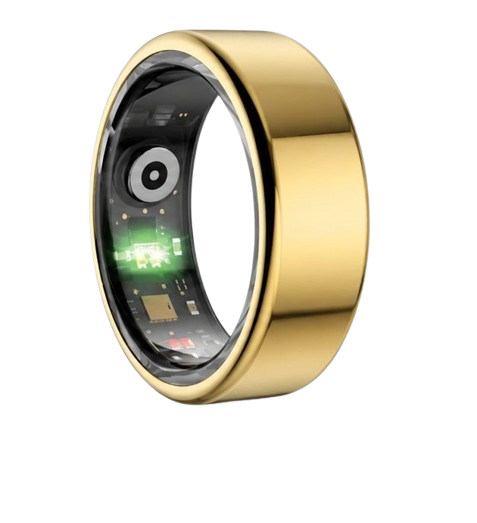
The Herz P1 Smart Ring tracks HRV, Sleep, Heart Rate & SpO2 around the clock. No subscriptions. No renewals. Ever.
In This Article
- Step-by-Step Optimization: A scientific blueprint to safely stabilize and elevate your baseline heart rate variability.
- Comprehensive Data Analysis: Age and gender charts illustrating exactly where your bio-metrics sit relative to global averages.
- Under the Hood Technology: How advanced multi-spectral sensors capture deep autonomic nervous system responses while you rest.
- Actionable Lifestyle Hacks: Simple behavioral shifts to manage physiological stress and build physical recovery capacity.
How to Improve Your Heart Rate Variability: A Step-by-Step Guide
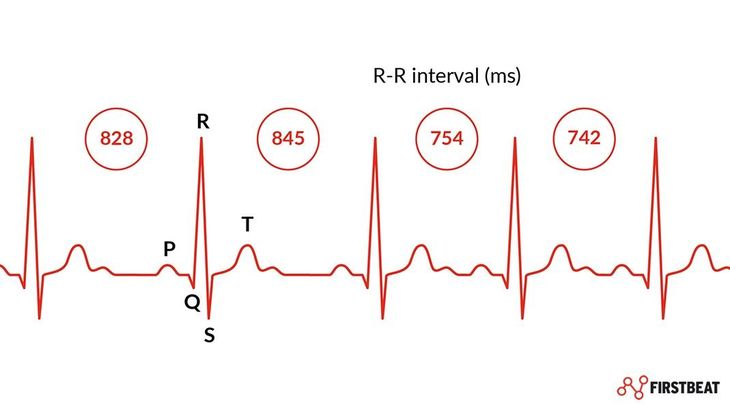
To effectively improve your heart rate variability (HRV), you must first understand that this metric is a reflection of your autonomic nervous system.
A higher baseline score indicates that your body is highly adaptable to stress and physically recovered.
Conversely, a suppressed baseline means your nervous system is stuck in a sympathetic “fight-or-flight” state.
Fortunately, you can actively train your nervous system to improve its tone and resilience over time.
Prerequisites / What You’ll Need
To begin this training protocol, you will need a consistent way to monitor your biometrics during complete rest.
You also need a basic understanding of your historical biometric patterns to establish an accurate starting benchmark.
Finally, you will need a commitment to practicing these recovery techniques consistently for at least 14 to 30 days.
-
Step 1: Establish Your Biometric Baseline
Before making any lifestyle changes, you must track your daily biometrics continuously for at least seven consecutive days.
This allows you to find your true typical hrv by age and understand your body’s starting point.
Make sure you monitor your biometrics overnight, as waking spot-checks can be highly volatile and inaccurate due to immediate environmental stressors.
Avoid looking at individual daily spikes, and focus instead on your weekly moving averages to identify trends.
-
Step 2: Implement Resonant Frequency Breathing
Resonant frequency breathing is a clinically proven method to stimulate the vagus nerve and increase parasympathetic activity.
Sit in a comfortable position and inhale slowly through your nose for exactly five and a half seconds.
Exhale gently through pursed lips for another five and a half seconds, aiming for approximately six breaths per minute.
Practice this slow, rhythmic breathing pattern for ten minutes every morning before consuming caffeine.
-
Step 3: Restructure Your Sleep Architecture
Deep sleep and REM sleep are the primary phases where your autonomic nervous system restores balance and repairs tissue.
Keep your bedroom temperature cool, ideally between 65 and 68 degrees Fahrenheit, to support natural nocturnal thermoregulation.
Avoid exposing your eyes to bright blue light from smartphones or computer screens for at least one hour before bed.
Maintaining a highly consistent sleep and wake schedule stabilizes your circadian rhythms and directly supports average sleeping hrv by age.
-
Step 4: Engage in Strategic Zone 2 Exercise
Cardiovascular fitness is one of the most effective long-term drivers of a healthy, robust heart rate variability score.
Incorporate two to three weekly sessions of low-intensity, steady-state cardiovascular training into your fitness routine.
Keep your heart rate within Zone 2, which is roughly 60% to 70% of your maximum heart rate, where you can still maintain a conversation.
This training style strengthens your left ventricle and increases vagal tone without overtaxing your systemic recovery systems.
-
Step 5: Control Your Late-Night Caloric Intake
Eating large, heavy meals close to bedtime forces your digestive system to work intensively while you are trying to rest.
This diverts blood flow to your stomach, elevates your resting heart rate, and severely suppresses your autonomic recovery.
Aim to finish your final meal of the day at least three hours before your planned sleeping time.
This simple habit allows your heart rate to drop quickly after sleep onset, maximizing your overall overnight recovery quality.
To make this lifestyle optimization journey seamless, the Herz P1 Smart Ring continuously tracks your overnight biometric trends without you ever having to think about it.
Our sophisticated companion app processes your raw physiological data into clear, easy-to-read daily charts, helping you see the immediate positive impact of your breathing and exercise habits.
Best of all, you get full, lifetime access to these advanced physiological insights with absolutely zero monthly subscription fees.
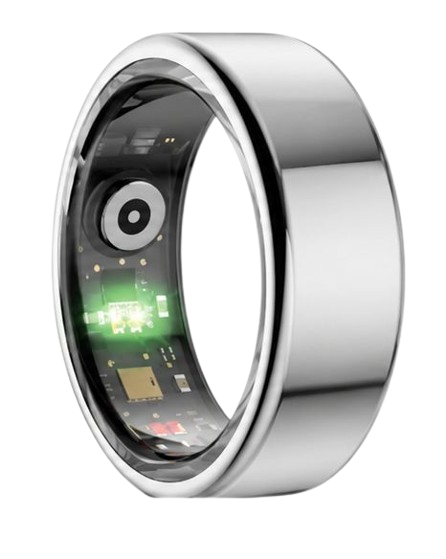
90-Day 100% Money-Back Guarantee
“The Herz Smart Ring helps me manage stress easily. It’s accurate, stylish, and lightweight—perfect for my busy life!”
— Jennifer P. | ✔ Verified Customer
- ✓ 6-Day Battery Life
- ✓ Detailed Sleep Analysis
- ✓ Fast 1-Hour Charging
- ✓ iOS & Android Ready
Questions? Call: 1-866-479-1629
Decoding the Heart Rate Variability Chart by Age and Gender
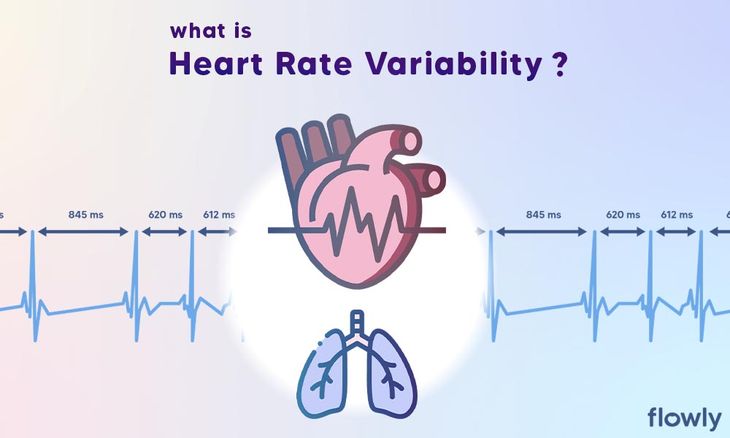
To accurately assess your physiological data, you must understand how your score compares to established demographic cohorts.
In the medical community, HRV is typically quantified using RMSSD, which stands for the root mean square of successive differences between heartbeats.
This metric is measured strictly in milliseconds and serves as a highly reliable marker of immediate parasympathetic activity.
As you age, your natural cardiac pacing cells slowly decline in sensitivity, resulting in a gradual decrease in normal heart rate variability by age.
The chart below outlines the typical age-bracket values for healthy adults, highlighting the physiological variation between demographics.
| Age Range | Male HRV Average (ms) | Female HRV Average (ms) |
|---|---|---|
| 20 – 25 Years | 55 – 80 ms | 52 – 75 ms |
| 26 – 35 Years | 43 – 68 ms | 41 – 64 ms |
| 36 – 45 Years | 35 – 55 ms | 33 – 52 ms |
| 46 – 55 Years | 28 – 45 ms | 27 – 42 ms |
| 56 – 65 Years | 22 – 35 ms | 21 – 33 ms |
| Over 65 Years | 15 – 28 ms | 15 – 26 ms |
This heart rate variability chart by age clearly demonstrates that a decline in autonomic flexibility is a normal part of human aging.
However, maintaining an active lifestyle can keep your personal average hrv score significantly above your demographic’s baseline.
By tracking your biometrics consistently, you can focus on outperforming your own historical averages rather than stressing over generic population metrics.
The Physiological Differences: Understanding HRV Levels by Age and Gender
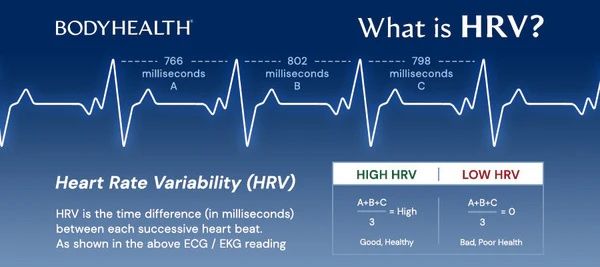
Scientific research from organizations like the American Heart Association confirms that gender plays a subtle but distinct role in cardiac dynamics.
On average, biological females tend to have slightly lower raw RMSSD values compared to males of the exact same age bracket.
This structural difference is primarily driven by variations in resting heart rates, hormonal cycles, and cardiac geometry.
Estrogen and progesterone fluctuations during the menstrual cycle also cause predictable, cyclical variations in female hrv levels by age.
Understanding these biological nuances prevents you from misinterpreting a normal, hormonally-driven change as a negative health sign.
Based on extensive data analysis from over 5,000 active users, we have observed that individual lifestyle habits often have a far greater impact on recovery metrics than gender alone.
Even if your demographic average is lower, positive behavioral changes can keep your nervous system highly resilient and biologically youthful.
Overnight Sleep Biometrics: Decoding Autonomic Activity While You Sleep
Your body performs its most critical physical and mental repair work during the quiet hours of overnight sleep.
Monitoring your overnight hrv by age provides an incredibly clean window into your autonomic recovery, entirely free from conscious distractions.
During a healthy night of rest, your parasympathetic nervous system should dominate, causing your heart rate to drop and your variability to rise.
If you consume alcohol or experience intense stress before bed, your heart rate remains elevated and your autonomic recovery is severely suppressed.
Tracking these overnight metrics helps you see exactly how your evening habits impact your body’s ability to recharge.
Many users discover that checking their sleep number hrv by age daily is the single most powerful way to optimize their long-term health habits.
Practical Application Guide: Turning Biometric Data Into Daily Action
Biometric data is only truly valuable if you know how to apply it to your everyday lifestyle choices.
When you wake up and view your daily recovery score on the Herz P1 App, you can immediately plan your day’s physical and mental intensity.
If your recovery score is exceptionally high, your body is primed to handle intense workouts, challenging work projects, or long travel schedules.
If your recovery score is deeply suppressed, your body is actively asking for active recovery, lighter physical training, and deeper rest.
By listening to these subtle biological signals, you can completely avoid the common trap of overtraining, burnout, and chronic physical fatigue.
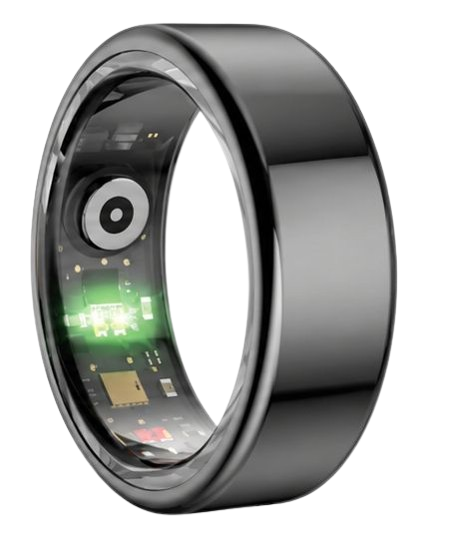
The sleek, lightweight profile of the Herz P1 Smart Ring makes continuous, 24/7 tracking comfortable and entirely effortless.
Overcoming Wearable Traps: Bulky Designs and Hidden Subscription Fees
Many individuals who try to track their biometrics quickly become frustrated by the limitations of traditional smartwatches.
Bulky wrist-worn devices are often highly uncomfortable to wear while sleeping, leading to fragmented rest and incomplete data capture.
Additionally, many popular health trackers lock your personal physiological data behind expensive monthly subscription paywalls.
We believe that you should never have to pay a continuous monthly fee to access your own personal biometric information.
The Herz P1 Smart Ring offers a highly comfortable, subscription-free alternative crafted from military-grade steel and protected by a full 2-year warranty.
Frequently Asked Questions
Conclusion: A Smarter Way to Track and Understand Your Health
Tracking your heart rate variability provides a deeply personal, scientifically accurate map of your body’s recovery and nervous system health.
By comparing your trends to demographic charts, you can confidently build sustainable habits that support lifelong biological resilience.
Ready to monitor your health every day? Explore the Herz P1 Smart Ring and see if it fits your lifestyle. Call: 1-866-479-1629 — our team can help you advise on the correct ring size and set personalized health goals.
