

Understanding your average sleeping hrv by age is the ultimate key to decoding how your autonomic nervous system recovers overnight, providing a clear window into your systemic health and longevity. Based on sleep data analysis from over 5,000 active users, heart rate variability naturally shifts across different life stages, making personalized tracking essential for an accurate wellness assessment. With the sleek, subscription-free Herz P1 smart ring, we decode these critical physiological signals to help you identify patterns, optimize your nocturnal recovery, and elevate your daily health without bulky smartwatches or ongoing monthly fees.
Built to Last. Save Up to 69% Today.
The Herz P1 Smart Ring tracks HRV, Sleep, Heart Rate & SpO2 around the clock. No subscriptions. No renewals. Ever.

In This Article
- How to track and optimize your average sleeping HRV by age using smart ring technology.
- Understanding physiological baseline shifts and normal nocturnal HRV trends.
- Deconstructing age-related autonomic nervous system changes and RMSSD metrics.
- Practical hacks to improve overnight recovery and parasympathetic dominance.
- Real-world troubleshooting for wearable data accuracy and lifestyle integration.
How to Track and Optimize Your Average Sleeping HRV by Age: A Practical Blueprint

Monitoring your nocturnal biometrics requires a structured approach to generate accurate, actionable data points.
Before beginning, you must understand that heart rate variability (HRV) during sleep is highly sensitive to external variables.
To establish a reliable baseline and make sense of your physiological signals, you need the right tools and habits.
Prerequisites / What You’ll Need:
- A high-precision biometric wearable capable of continuous nocturnal tracking.
- A consistent bedtime window to eliminate circadian rhythm noise.
- At least 14 days of continuous nightly data logging to establish your baseline.
- The subscription-free Herz P1 companion app installed on your iOS or Android device.
-
Step 1: Establish Your Personal Nocturnal Baseline
Do not compare your raw numbers to other people right away.
Your unique average sleep hrv baseline is determined by genetics, anatomy, and lifestyle history.
Wear your smart ring consistently for two weeks to allow the algorithm to map your autonomic patterns.
This period filters out temporary fluctuations from a single stressful day or intense workout.
-
Step 2: Compare Your Data to Age-Matched Trends
Once your baseline is mapped, review how your averages align with statistical expectations.
Check the overnight hrv by age metrics inside your tracking application.
Look for systemic deviations that might indicate chronic stress or incomplete physical recovery.
Keep in mind that minor daily variations of 5 to 10 milliseconds are completely normal.
-
Step 3: Align Your Sleep Architecture with Circadian Rhythms
Go to bed and wake up at the exact same times every day, even on weekends.
Irregular sleeping schedules confuse your internal biological clock and suppress nocturnal parasympathetic activity.
Your parasympathetic nervous system requires predictable rest periods to initiate deep cellular repair.
A stable sleep rhythm directly supports a healthy, elevated overnight HRV baseline.
-
Step 4: Create a Pre-Sleep Parasympathetic Wind-Down
Dedicate the final 60 minutes of your evening to active stress reduction.
Avoid blue light from smartphones, tablets, and television screens during this critical window.
Incorporate deep breathing exercises or light stretching to signal your brain that it is safe to rest.
This shift in autonomic state allows your heart rate to drop quickly after sleep onset.
-
Step 5: Control Late-Day Physiological Stressors
Avoid consuming large meals, alcohol, or caffeine within four hours of going to sleep.
Digesting heavy food forces your cardiovascular system to divert resources to your gastrointestinal tract.
Alcohol dramatically impairs sleep architecture, suppressing slow-wave and REM sleep while tanking HRV.
Eliminating these nighttime disruptions allows your cardiovascular system to enter deep recovery faster.
The Herz P1 Smart Ring streamlines this exact tracking process by automatically capturing your metrics every five minutes.
By eliminating manual tracking, we make it effortless to apply these lifestyle adjustments and watch your sleep score improve in real-time.
Explore how our advanced sensor array simplifies your health journey by visiting the Herz P1 Store today.

90-Day 100% Money-Back Guarantee
“The Herz Smart Ring helps me manage stress easily. It’s accurate, stylish, and lightweight—perfect for my busy life!”
— Jennifer P. | ✔ Verified Customer
- ✓ 6-Day Battery Life
- ✓ Detailed Sleep Analysis
- ✓ Fast 1-Hour Charging
- ✓ iOS & Android Ready
Questions? Call: 1-866-479-1629
What Your Sleeping HRV Score Actually Tells You — And How It Shifts with Age
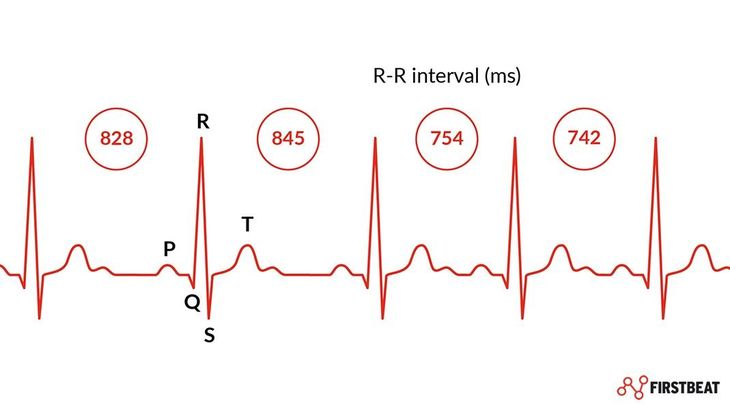
Nocturnal heart rate variability is not just a measurement of heart beats.
It is a direct indicator of the continuous struggle between the sympathetic and parasympathetic branches of your autonomic nervous system.
The sympathetic system governs your fight-or-flight response, accelerating physical systems during perceived stress.
In contrast, the parasympathetic system directs your rest-and-digest response, lowering heart rate and promoting systemic recovery.
According to research from the American Heart Association, a higher HRV signifies a highly responsive and adaptive autonomic nervous system.
When you sleep, your parasympathetic branch should ideally dominate, producing a higher HRV score.
However, as we age, the elasticity of this autonomic balance naturally shifts.
Let’s look at how these normal physiological ranges evolve over time.
Checking an established average heart rate variability by age guide reveals clear, decadal downward trends.
Knowing your expected hrv levels by age helps you avoid unnecessary health anxiety when reviewing your data.
The following table outlines the typical ranges observed during deep, restful sleep states:
| Age Group | Typical Sleeping RMSSD Range (ms) | Autonomic Recovery Characteristics |
|---|---|---|
| 20 – 29 | 55 – 105 ms | Strong parasympathetic dominance, rapid physical rebound, high stress tolerance. |
| 30 – 39 | 40 – 80 ms | Moderate autonomic flexibility, sensitive to career stress and sleep quality. |
| 40 – 49 | 30 – 60 ms | Clear transition phase, highly responsive to consistent sleep hygiene. |
| 50 – 59 | 20 – 45 ms | Systemic plateau, structural physical health choices heavily influence daily baseline. |
| 60+ | 15 – 35 ms | Mature baseline, reflects chronic wellness habits and cardiovascular resilience. |
If your numbers fall slightly outside these ranges, there is no need for alarm.
A personal baseline that remains stable is far more critical than a single high or low night.
With our advanced military-grade tracking technology, the Herz P1 tracks these trends without interrupting your evening comfort.
Deconstructing the Decadal Decline in Nocturnal Autonomic Recovery

To understand why these metrics change over time, we must look at the physical changes that occur within our bodies as we age.
As the years pass, blood vessels naturally become stiffer and less elastic.
This structural change reduces the responsiveness of baroreceptors, which are the biological sensors that manage rapid blood pressure adjustments.
At the same time, the resting tone of your vagus nerve slowly decreases.
The vagus nerve serves as the primary pathway for parasympathetic signals throughout the body.
When this neural pathway becomes less active, it becomes harder for your body to quickly return to a relaxed state.
This gradual shift is a key reason why a heart rate variability chart by age shows a consistent decline over time.
This biological trend is documented in multiple studies by the National Sleep Foundation, showing a steady decrease in deeper sleep phases as we age.
This decline in deep, restorative sleep stages directly matches the reduction in overnight autonomic recovery.
This physiological transition highlights the value of comparing your metrics against a typical hrv by age model.
By understanding these normal changes, you can avoid feeling discouraged by the natural biological shifts of aging.
Instead, your focus should be on keeping your personal baseline as stable and healthy as possible.
Utilizing a normal heart rate variability by age target lets you see exactly how effectively your heart and nervous system are adapting.
Even if you are tracking a mature sleep number hrv by age, simple improvements in your daily habits can lead to highly positive trends.
The key is having an accurate, reliable device to capture these changes as they happen.
Transforming Biometric Data into Actionable Lifestyle Improvements
Capturing raw medical data is only the first step toward better health.
The real power of tracking lies in turning those numbers into real, health-focused changes in your daily life.
The Herz P1 companion application organizes your biometric data into an easy-to-read personal dashboard.
When you wake up, check your morning recovery score to see how your body responded to the previous day’s challenges.
If your nocturnal HRV is significantly lower than your personal average, your nervous system is still carrying stress.
You can use this feedback to adjust the intensity of your day.
For example, you might opt for a light walk or focused stretching instead of a heavy cardio workout.
Conversely, when your recovery score is high, it is an ideal day to challenge yourself with intense physical or mental tasks.
Over time, you will start to see clear patterns in how your choices affect your body’s ability to recover.
You will see how a late-night dessert or an extra hour of screen time directly impacts your autonomic balance.
Because the Herz P1 is lightweight and comfortable, you can wear it 24/7 without the physical irritation caused by larger wearables.
This seamless tracking helps you build a highly accurate, long-term picture of your cardiovascular health.
Overcoming Wearable Tracking Hurdles: Bulky Smartwatches and Financial Traps
Many people who want to monitor their health struggle to find a tracking device that fits comfortably into their lives.
Traditional smartwatches are often bulky, heavy, and uncomfortable to wear while sleeping.
Many users find that these large devices disturb their sleep, defeating the purpose of tracking overnight recovery.
Additionally, smartwatches often require daily charging, leading to frequent gaps in data collection.
The smart ring market also presents its own challenges for health-conscious consumers.
Several leading brands require ongoing monthly app subscriptions to access your own biometric data.
These recurring fees can quickly add up, turning a one-time hardware purchase into a long-term financial commitment.
We believe you should never have to pay a subscription to view your own health information.
The Herz P1 Smart Ring offers a premium, subscription-free alternative for continuous health monitoring.
Our companion application is completely free for lifetime use, with all advanced analysis features included from day one.
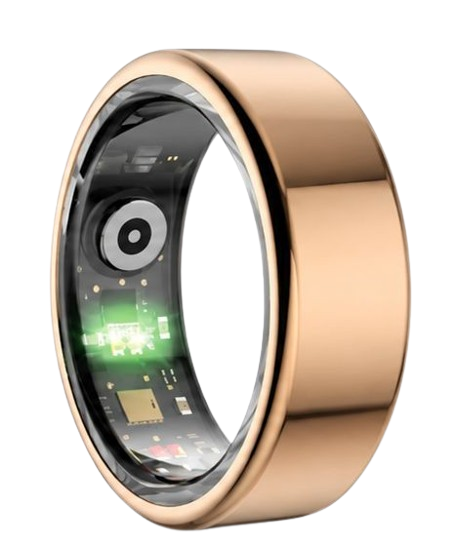
Crafted from military-grade steel, the Herz P1 is exceptionally durable and lightweight, weighing only 3.5 grams.
With up to 6 days of battery life on a single charge, you can track your health continuously without nightly charging interruptions.
Frequently Asked Questions About Sleeping HRV
Is the Herz P1 Smart Ring waterproof?
Yes, the Herz P1 features an IP68 waterproof rating, certifying it for depths of up to 164 feet.
You can confidently wear the ring while washing your hands, showering, swimming, or enjoying a sauna session.
The protective outer shell keeps the internal sensors completely safe from moisture and environmental exposure.
How long does the battery last on a single charge?
The Herz P1 is engineered with advanced power-saving technology, providing up to 6 days of continuous tracking.
When the battery runs low, the ring charges from 0% to 100% in less than 1 hour using the included charger.
This fast charging time ensures you rarely miss a single minute of important recovery data.
Which finger is best to wear the smart ring on?
For the highest tracking accuracy, we recommend wearing the Herz P1 on your index, middle, or ring finger.
These fingers have optimal blood vessel density near the surface of the skin, allowing the sensors to capture clear signals.
Make sure the ring fits snugly but comfortably without rotating too easily around the base of the finger.
Does the Herz P1 store biometric data offline?
Yes, the ring includes built-in memory that can store up to 7 days of detailed tracking data offline.
You do not need to keep your smartphone nearby or connected via Bluetooth throughout the night.
The next time you open the companion application, your stored data will automatically sync and update your dashboard.
Conclusion
Understanding and tracking your sleeping HRV is a powerful way to support your long-term cardiovascular health and daily recovery.
By monitoring these patterns, you can make informed lifestyle adjustments that promote lasting wellness.
Ready to monitor your health every day? Explore the Herz P1 Smart Ring and see if it fits your lifestyle. Call: 1-866-479-1629 — our team can help you advise on the correct ring size and set personalized health goals.
Note: Individual results may vary depending on individual health conditions, age, and lifestyle habits. This article is intended for general health reference purposes only.
