

Achieving cardiovascular efficiency starts with reducing resting heart rate, a biometric directly linked to longevity. Clinical data shows that every 10 beats-per-minute increase in resting pulse elevates mortality risk by 9%. The subscription-free Herz P1 smart ring monitors these vital cardiovascular trends seamlessly. This guide outlines how you can address elevated pulse rates naturally to optimize your heart health.
Built to Last. Save Up to 69% Today.
The Herz P1 Smart Ring tracks HRV, Sleep, Heart Rate & SpO2 around the clock. No subscriptions. No renewals. Ever.

In This Article
- Learn a step-by-step physical routine to naturally train your heart to beat more efficiently.
- Discover the critical neurological connection between vagal nerve stimulation and heart rate.
- Understand how deep sleep cycles act as a cardiovascular repair window to lower your baseline.
- Identify standard biometric tracking mistakes and avoid ongoing software subscription fees.
How to Lower Your Resting Pulse Rate Naturally: A Step-by-Step Guide
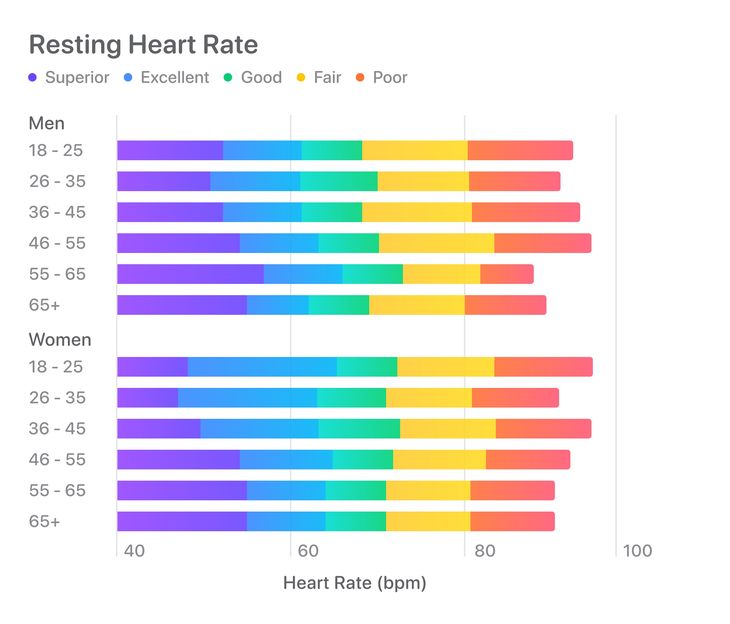
Before you begin your cardiac optimization program, you will need a reliable biometric monitoring device and a structured exercise schedule.
It is also highly recommended to obtain a medical clearance from your healthcare provider to confirm your physical readiness for cardiovascular training.
Follow these natural steps consistently to achieve a stronger, more efficient cardiovascular base over the next ninety days.
Step 1: Commit to Low-Intensity Steady-State Aerobic Workouts
You should aim to complete at least one hundred and fifty minutes of Zone 2 aerobic exercise every single week.
Zone 2 aerobic exercise occurs when you train at roughly sixty to seventy percent of your maximum heart rate.
This steady, low-intensity training strengthens the left ventricle of your cardiac muscle, causing its internal cavity size to expand.
An expanded left ventricle can pump a larger volume of blood with each individual stroke, reducing your heart’s workload.
Over several weeks, this physiological expansion directly lowers the number of beats required to sustain you while sedentary.
Step 2: Practice Daily Diaphragmatic Breathing and Breath Retraining
You must dedicate at least ten minutes every day to slow, paced diaphragmatic breathing exercises.
You should aim for a breathing rate of approximately six full breaths per minute, focusing on deep nasal inhalations.
Make sure to extend your exhalations so they are twice as long as your inhalations to trigger immediate physical relaxation.
This deliberate breathing pattern actively stimulates your vagus nerve, which slow down the heart’s natural pacemaker cells.
By engaging this nerve daily, you systematically train your body to maintain a calm, relaxed state during the daytime hours.
Step 3: Establish a Highly Consistent Daily Hydration Protocol
You should establish a structured hydration routine that guarantees a minimum of three liters of water daily.
When your body becomes even mildly dehydrated, your total circulating blood volume drops significantly.
This drop in volume causes your blood to become more viscous, which heavily increases friction inside your blood vessels.
To deliver enough oxygen to your vital tissues, your heart must pump much faster to compensate for the thick blood.
Consistently drinking pure water with added electrolytes maintains optimal plasma volume and relieves mechanical strain on your heart.
Step 4: Prioritize Sleep Hygiene and Rest-and-Recovery Cycles
You must establish a highly consistent sleeping schedule by going to bed and waking up at the exact same time every day.
This strict consistency reinforces your body’s natural circadian rhythms, which stabilizes your overnight hormone release.
An irregular sleeping pattern spikes cortisol levels, keeping your autonomic nervous system in an excited, sympathetic state.
You should aim to secure between seven and nine hours of high-quality, continuous rest every night.
By keeping your sleep environment dark and cool, you help ensure your body enters the deeper stages of physical recovery.
Step 5: Reduce Daily Psychological Stress Through Mindfulness
You must implement a reliable daily practice to decompress, such as progressive muscle relaxation or mindfulness meditation.
Chronic psychological stress floods your bloodstream with stress hormones like adrenaline, which raise your vascular tension.
These elevated hormones force your heart to beat rapidly even when you are sitting completely still.
By consciously practicing mindfulness for fifteen minutes, you actively suppress these circulating stress hormones.
This natural hormone reduction allows your blood vessels to relax, immediately decreasing your daily baseline pulse rate.
Step 6: Minimize the Use of Systemic Stimulants and Inflammatory Foods
You should eliminate highly processed dietary items, refined sugars, and excessive caffeine intake from your daily diet.
Consuming heavy stimulants or metabolic irritants close to bedtime forces your body to work harder during sleep.
This elevated digestive workload keeps your pulse high overnight, preventing your cardiovascular system from entering its recovery zone.
You should stop consuming caffeine at least ten hours before you intend to sleep to protect your sleep architecture.
Replacing inflammatory meals with nutrient-dense, potassium-rich foods supports proper electrical conduction inside your cardiac tissue.
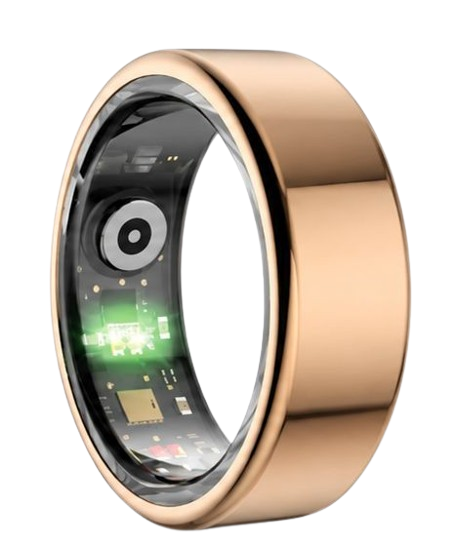
To monitor the long-term impact of these steps, we highly recommend using the Herz P1 smart ring.
This advanced, lightweight ring tracks your continuous resting pulse and sleep staging with high accuracy.
Best of all, its companion application provides these crucial wellness insights without charging any monthly subscription fees.
90-Day 100% Money-Back Guarantee
“The Herz Smart Ring helps me manage stress easily. It’s accurate, stylish, and lightweight—perfect for my busy life!”
— Jennifer P. | ✔ Verified Customer
- ✓ 6-Day Battery Life
- ✓ Detailed Sleep Analysis
- ✓ Fast 1-Hour Charging
- ✓ iOS & Android Ready
Questions? Call: 1-866-479-1629
Analyzing the Physiological Link Between Vagal Tone, HRV, and Rest
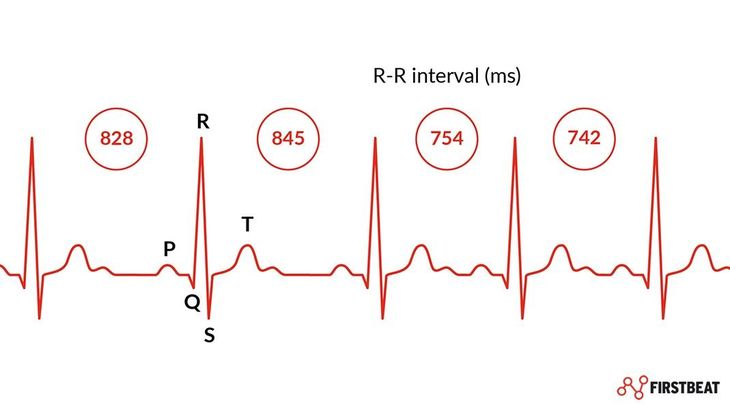
To successfully modify your baseline resting pulse, you must first understand the autonomic mechanisms that dictate cardiac acceleration.
Your heart does not operate on a rigid metronome, but constantly adapts to tiny changes in your physical and mental environments.
This continuous adaptation is managed by your autonomic nervous system, which balances the sympathetic and parasympathetic branches.
The sympathetic system functions as an accelerator, elevating your heart rate during periods of high demand or emotional stress.
The parasympathetic system functions as a brake, utilizing the vagus nerve to slow down your cardiac rate during restful states.
The overall strength of this parasympathetic brake is scientifically referred to as your vagal tone.
A highly robust vagal tone indicates a healthy, highly resilient heart that recovers rapidly from physical or emotional challenges.
Clinical data from the American Heart Association confirms that strengthening your vagal tone is key to reducing resting heart rate values naturally.
By measuring these subtle autonomic shifts, you can evaluate the direct impact of your relaxation habits on your heart’s efficiency.
How Your Parasympathetic Nervous System Controls Your Pulse
The sinoatrial node in your heart acts as its natural pacemaker, generating electrical impulses that dictate your pulse.
Without any external neural input, this specialized tissue would maintain a baseline of approximately one hundred beats per minute.
However, when you are resting, your vagus nerve continuously releases acetylcholine directly onto the sinoatrial node.
This chemical transmission slows the electrical firing rate, establishing what we recognize as the average human resting heart rate in healthy adults.
This physiological braking mechanism is highly sensitive to external variables like sleep quality, systemic inflammation, and daily mental stress.
If your body is chronically inflamed or sleep-deprived, the parasympathetic brake weakens, leaving the sympathetic nervous system unchecked.
Consequently, you may observe that your normal heart rate sitting remains unnecessarily elevated.
To restore balance, you must focus on habits that actively support vagal nerve stimulation.
Using non-invasive optical biometric trackers allows you to observe this delicate autonomic shift as it occurs in real time.
This continuous insight empowers you to modify your daily activities to maximize parasympathetic recovery.
Over time, consistent parasympathetic activation reshapes your cardiac baseline for long-term efficiency.
This neurological adaptation is the key to maintaining a calm and resilient heart throughout your daily life.
Evaluating Heart Rate Variability as a Recovery Indicator
Heart rate variability, or HRV, measures the tiny, millisecond-level differences in time between successive heartbeats.
A high HRV score indicates that your autonomic nervous system is highly responsive, balanced, and capable of adapting to stress.
Conversely, a low HRV score suggests that one system, typically the sympathetic, is dominating your physiological state.
Understanding this dynamic is essential when trying to determine if is 60 a good resting heart rate for your specific demographic.
While a resting pulse of sixty beats per minute is generally considered excellent, your accompanying HRV score reveals the true quality of that rest.
For instance, a low heart rate accompanied by a suppressed HRV may indicate that your body is in an state of deep exhaustion or overtraining.
By analyzing these dual metrics together, you get a much more comprehensive view of your systemic recovery status.
A structured resting bpm chart can help you contextualize these numbers based on your age and sex.
Tracking these values over several months reveals stable trends rather than isolated, misleading anomalies.
This data-informed approach ensures you are making training and lifestyle decisions based on real biological evidence.
As your fitness improves, you will notice your baseline HRV steadily rises while your resting heart rate descends.
This inverse relationship is the ultimate biological hallmark of a highly conditioned and rested cardiovascular system.
Deciphering Your Sleep Architecture to Lower Your Average RHR
Sleep is not merely a passive state of unconsciousness, but a highly active neurological process organized into distinct cycles.
During a typical night, your brain cycles through light sleep, deep slow-wave sleep, and rapid eye movement sleep.
Each of these sleep stages exerts a unique influence on your autonomic nervous system and cardiovascular recovery.
Specifically, deep slow-wave sleep is the golden window during which your parasympathetic system reaches its peak dominance.
During this phase, your blood pressure drops, your respiration slows, and your heart rate reaches its lowest point of the day.
Clinical research from the National Sleep Foundation confirms that a lack of deep sleep prevents your heart from achieving this vital nocturnal dip.
Without this dipping effect, your daily average rhr values will remain elevated.
This chronic lack of recovery can lead to systemic cardiovascular strain and premature arterial aging over time.
By monitoring your sleep architecture, you can uncover the precise nocturnal barriers that are preventing your pulse from dropping.
This continuous biological feedback is essential for anyone committed to lower resting pulse rate naturally.
The Role of Deep Sleep in Structural Cardiac Repair
Deep sleep is characterized by high-amplitude delta brain waves and a profound reduction in sympathetic nervous system activity.
This stage is highly critical because it triggers the release of human growth hormone, which is essential for cellular and muscle tissue repair.
For your heart, this means a prolonged period of low-workload recovery that helps repair microscopic cellular damage.
If your sleep is chronically fragmented, your body fails to spend enough time in this restorative state.
You might find yourself wondering, is 73 a good resting heart rate for someone with active lifestyle habits?
While seventy-three beats per minute is within the normal range, a heart that is fully restored by deep sleep will often trend lower.
An elevated resting pulse during sleep is a primary warning sign that your body is failing to recover structurally.
To maximize deep sleep, you must optimize your sleep environment by keeping your bedroom exceptionally dark, quiet, and cool.
Avoiding blue light exposure from screens before bed also prevents the sleep-disruptive cortisol spikes that shorten deep sleep cycles.
Consistently monitoring these nocturnal cycles will help you correlate your daytime choices with your structural recovery success.
By protecting these deep sleep stages, you give your cardiovascular system the uninterrupted time it needs to rebuild.
This consistent overnight recovery is a vital cornerstone of any successful heart-rate lowering protocol.
Oxygen Saturation, Sleep Apnea, and Heart Rate Spikes
Blood oxygen saturation, or SpO2, is another vital metric that directly influences your sleep-time heart rate.
Your SpO2 levels measure the percentage of oxygen-carrying hemoglobin in your blood.
During healthy sleep, this percentage should remain consistently between ninety-five and one hundred percent.
However, individuals who suffer from sleep-disordered breathing, such as sleep apnea, experience frequent drops in blood oxygen.
When your brain detects a sudden drop in oxygen, it triggers an immediate emergency sympathetic response to wake you up.
This survival response causes a sudden, dramatic spike in both your blood pressure and your heart rate.
If you frequently wake up with a racing pulse, you might worry, heart rate is 90 at rest during these episodes?
Indeed, sustained spikes like this can severely impact your sleep quality and elevate your overall baseline heart rate.
In more severe cases, you might even ask, is a resting heart rate of 100 bad when it occurs regularly?
A resting pulse that frequently reaches or exceeds one hundred beats per minute is a clear signal to consult a medical professional.
By tracking your SpO2 and nocturnal pulse trends concurrently, you can identify these breathing disruptions before they cause long-term harm.
The early detection of these oxygen drops allows you to seek targeted medical solutions before cardiovascular strain escalates.
Ensuring stable blood oxygenation throughout the night is an absolute prerequisite for achieving a low, healthy resting heart rate.
Leveraging Biometric Data to Optimize Your Cardiovascular Health
To make meaningful progress in reducing resting heart rate levels, you must learn to interpret your wearable data correctly.
The Herz P1 App displays your biometric trends in intuitive, easy-to-read daily and weekly dashboards.
Rather than focusing on a single day’s heart rate, you should look at your rolling seven-day average.
This average provides a much more accurate reflection of your actual cardiorespiratory fitness and recovery trends.
For example, if your weekly average RHR is trending downward, it confirms that your cardiovascular conditioning is working.
Conversely, a sudden spike in your resting heart rate average suggests that your body is struggling to recover.
You can use this data to adjust your daily exercise intensity, opting for a restorative walk instead of a heavy workout.
The lightweight, military-grade steel construction of the Herz P1 ensures you can collect this data comfortably around the clock.
Unlike heavy smartwatches, the sleek ring design does not cause wrist fatigue or disrupt your sleep comfort.
This comfortable, 24/7 wearability is essential for gathering the unbroken data streams required for deep biometric analysis.
By wearing the ring consistently, you create a highly detailed physiological baseline that helps you make proactive wellness decisions.
Avoiding the Hidden Pitfalls of Modern Wearable Technology
Many people make the mistake of relying on bulky, heavy smartwatches for their 24/7 health tracking needs.
These large devices are often highly uncomfortable to wear to bed, leading users to take them off before sleeping.
This habit creates a massive gap in your data, as overnight sleep is the most critical window for tracking cardiovascular recovery.
Furthermore, smartwatches often require daily charging, which frequently coincides with the exact hours you should be tracking.
Another common pitfall in the wearable market is the unexpected financial burden of ongoing subscription fees.
Many leading smart ring brands lock your personal health data behind a monthly paywall after you purchase their expensive hardware.
We believe that your health data belongs to you, which is why the Herz P1 App is completely free for a lifetime.
There are no hidden fees, no locked metrics, and no recurring monthly subscriptions to worry about.
By choosing a subscription-free smart ring, you secure a highly cost-effective, long-term health companion.
This transparent approach ensures you can focus entirely on your wellness goals without any financial distraction.
A Factual Comparison of Leading Health Trackers
Selecting the ideal biometric tool requires analyzing features and total costs side by side.
The table below highlights how the Herz P1 Smart Ring compares directly with competitor smart rings.
| Metric | Herz P1 Smart Ring | Competitor Smart Rings |
|---|---|---|
| Monthly Subscription Fee | ✓ $0 (Free Forever) | ✗ Up to $71.88/year |
| Warranty Coverage | ✓ 2-Year Full Warranty | ✗ 1-Year Limited Warranty |
| Material Durability | ✓ Military-Grade Steel | ✗ Basic Titanium / Resin |
| Sleep Tracking Comfort | ✓ Ultra-lightweight (3.5g) | ✓ Lightweight |
| Data Access Policy | ✓ 100% Unlocked Metrics | ✗ Premium Paywalled Metrics |
This clear breakdown demonstrates our commitment to delivering high value without recurring costs.
Answers to Your Most Common Smart Ring Questions
Is the Herz P1 Smart Ring waterproof?
Yes, the Herz P1 features a certified IP68 waterproof rating.
This means it can be safely submerged in water up to one hundred and sixty-four feet deep.
You can confidently wear your ring while swimming, showering, washing your hands, or relaxing in a hot tub.
There is no need to remove the device during water-based workouts or daily household chores.
How long does the Herz P1 battery last on a single charge?
The Herz P1 battery is designed to last up to six full days of continuous 24/7 monitoring.
When the battery does run low, you can recharge it completely in under one hour using the magnetic charging dock.
This rapid charging cycle ensures you never have to miss crucial overnight sleep tracking data.
The long battery life minimizes daily maintenance, making health tracking incredibly convenient.
Which finger is best to wear the smart ring on?
For the highest level of biometric sensor accuracy, we recommend wearing the ring on your index finger.
The middle and ring fingers are also highly effective alternative options if you prefer a different fit.
You should choose the finger that offers a secure yet comfortable fit without rotating excessively.
A proper fit ensures the optical sensors maintain consistent contact with your skin throughout the day.
Does the Herz P1 store my health data offline?
Yes, the ring contains built-in local memory that can store up to seven days of biometric data offline.
You do not need to keep your smartphone nearby or connected to Bluetooth constantly to prevent data loss.
Once you open the companion app near your ring, all your stored metrics will sync automatically.
This offline storage is perfect for traveling, sleeping without your phone nearby, or during outdoor adventures.
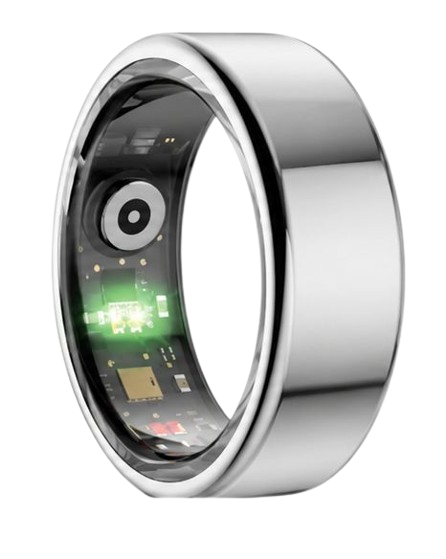
Conclusion: Your Subscription-Free Wellness Journey Starts Here
Optimizing your cardiovascular health is a steady, daily process.
The Herz P1 Smart Ring is your ultimate, subscription-free partner in tracking your progress.
Ready to monitor your health every day? Explore the Herz P1 Smart Ring and see if it fits your lifestyle. Call: 1-866-479-1629 — our team can help you advise on the correct ring size and set personalized health goals.
Note: Individual results may vary depending on individual health conditions, age, and lifestyle habits. This article is intended for general health reference purposes only.
