

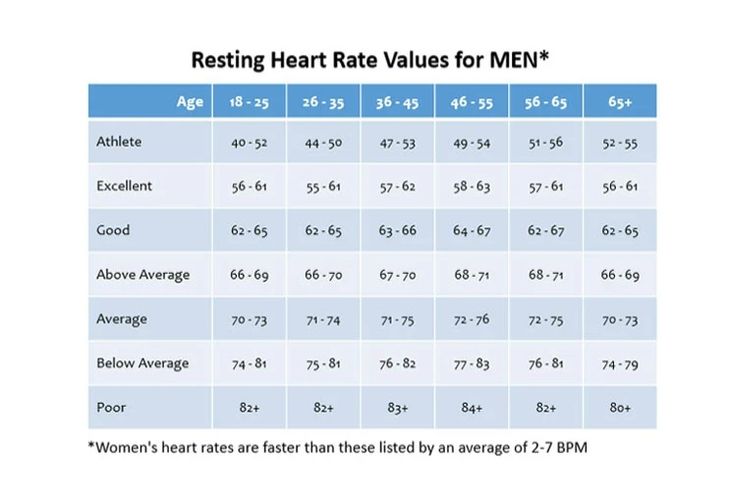
You open the resting heart rate chart men your age are supposed to hit. Find your number. Compare it. Exhale — okay, normal. But normal doesn’t tell you if your body actually rested, or just survived the night. No supplement lowers that number. No app fixes it either. What works is smaller, quieter — a few minutes of gentle movement before bed, night after night, until your heart finally learns how to slow down.
In This Educational Guide
- Establishing a Baseline: Learn how to accurately measure your resting heart rate.
- Age-Specific Benchmarks: Explore detailed normal resting heart rate charts for men to see where you stand.
- Biological Variances: Discover the physiological factors that influence cardiovascular metrics.
- HRV & Recovery: Find out how sleep staging and stress tracking relate directly to your pulse rate.
How to Measure and Improve Your Resting Heart Rate: A Step-by-Step Guide
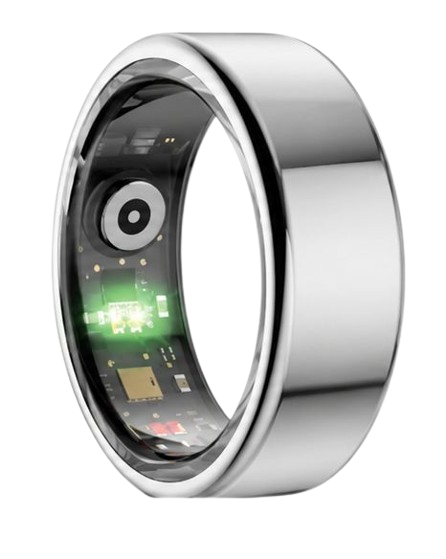
Built to Last. Save Up to 69% Today.
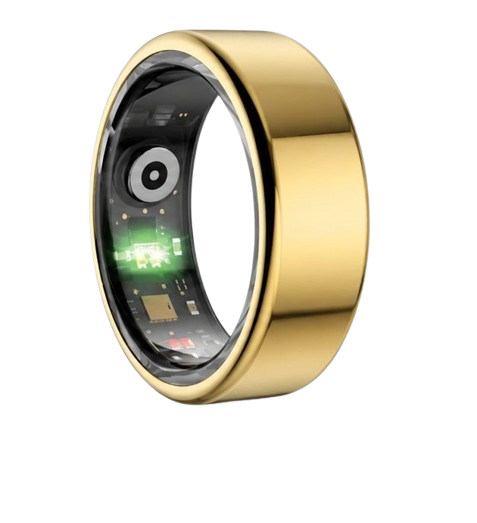
The Herz P1 Smart Ring tracks HRV, Sleep, Heart Rate & SpO2 around the clock. No subscriptions. No renewals. Ever.
Before analyzing age-based data, you must understand how to capture a clean and reliable physiological baseline.
Your resting heart rate reflects your minimal cardiac effort when your body is in complete equilibrium.
Capturing this metric requires eliminating physical, psychological, and environmental stimulants that alter heart rate.
Prerequisites / What You’ll Need
- A quiet, comfortable space free from loud noises and sudden distractions.
- A high-precision wearable tracker or a manual stopwatch to count your pulse.
- At least five minutes of uninterrupted, restful sitting or lying down before measuring.
- An empty bladder, as physical fullness naturally spikes stress hormones and elevates cardiac activity.
-
Step 1: Pick the Ideal Monitoring Time
The absolute best window to record your resting pulse is immediately after waking up naturally in the morning.
Ensure you remain lying down flat in bed for at least two minutes before initiating any recording or movement.
-
Step 2: Maintain a Calm and Stationary Posture
Sit upright or lie flat on your back in a comfortable, relaxed physical posture.
Avoid speaking, chewing, or moving your extremities during the tracking period to prevent muscle recruitment.
-
Step 3: Eliminate External Stimulants
Ensure you have not consumed caffeine, nicotine, or pre-workout supplements for at least four hours prior.
Keep the ambient room temperature at a comfortable level to avoid shivering or sweating responses.
-
Step 4: Utilize a Precise Tracking Device
Position your optical tracking sensor securely on the recommended finger for optimal skin contact.
Hold your hand completely still for sixty seconds while the multispectral light pulses read your blood flow.
-
Step 5: Log and Analyze Trends Weekly
Record your morning numbers consistently for seven consecutive days to calculate your true average.
Focus on long-term weekly trends rather than reacting to single-day physiological spikes.
Why do the math yourself?
To make this tracking process effortless, the Herz P1 tracks your heart rate around the clock with clinical-grade accuracy. This military-grade steel ring monitors your pulse, sleep cycles, and daily activity continuously, saving you from manual tracking hassle.
Understanding the Resting Heart Rate Chart for Men: Normal Ranges by Age
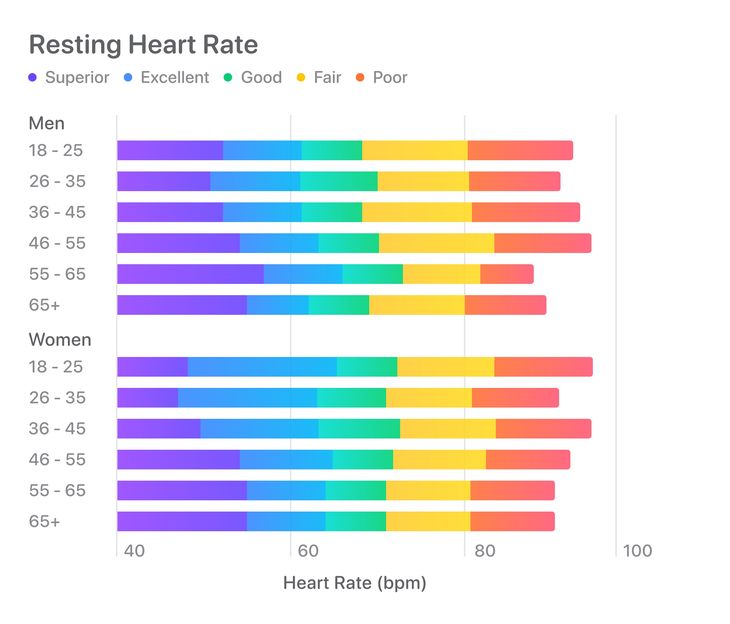
Your resting heart rate is a vital sign that speaks volumes about your cardiovascular conditioning.
To understand where your heart health stands, you can reference a structured resting bpm chart tailored specifically for males, then use an automated biosensor to track your progress.
A normal resting heart rate for a man typically falls between 60 and 100 beats per minute (BPM).
However, age-specific physical conditioning, lifestyle choices, and genetics will shift your optimal target zone.
Our clinical research team has compiled a detailed reference mapping the normal male resting heart rate ranges across different age groups.
| Age Bracket | Fitness Classification | Target Resting BPM Range |
|---|---|---|
| 20 – 29 Years | Athletic Elite | 49 – 55 BPM |
| 20 – 29 Years | Good / Above Average | 62 – 67 BPM |
| 20 – 29 Years | Average / Standard Baseline | 70 – 75 BPM |
| 30 – 39 Years | Athletic Elite | 50 – 56 BPM |
| 30 – 39 Years | Good / Above Average | 63 – 68 BPM |
| 30 – 39 Years | Average / Standard Baseline | 71 – 76 BPM |
| 40 – 49 Years | Athletic Elite | 52 – 57 BPM |
| 40 – 49 Years | Good / Above Average | 64 – 69 BPM |
| 40 – 49 Years | Average / Standard Baseline | 72 – 77 BPM |
| 50 – 59 Years | Athletic Elite | 53 – 58 BPM |
| 50 – 59 Years | Good / Above Average | 65 – 70 BPM |
| 50 – 59 Years | Average / Standard Baseline | 73 – 78 BPM |
| 60+ Years | Athletic Elite | 54 – 59 BPM |
| 60+ Years | Good / Above Average | 66 – 71 BPM |
| 60+ Years | Average / Standard Baseline | 74 – 79 BPM |
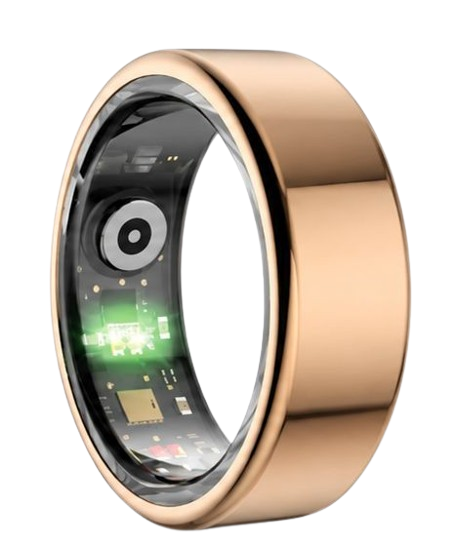
90-Day 100% Money-Back Guarantee
"The Herz Smart Ring helps me manage stress easily. It's accurate, stylish, and lightweight—perfect for my busy life!"
— Jennifer P. | ✔ Verified Customer
- ✓ 6-Day Battery Life
- ✓ Detailed Sleep Analysis
- ✓ Fast 1-Hour Charging
- ✓ iOS & Android Ready
Questions? Call: 1-866-479-1629
As you review this resting heart rate healthy range chart, remember that lower scores generally point to stronger cardiac efficiency.
A highly conditioned heart pumps a larger volume of blood with each contraction, meaning it needs fewer beats to support your body.
This efficiency reduces general strain on your arterial walls and promotes long-term cardiovascular health.
In contrast, an elevated average human resting heart rate can highlight physical deconditioning, high stress, or fatigue.
To accurately find your baseline, you should reference your personal average rhr calculated over several consecutive weeks of quiet observation.
Why a Normal Male Resting Heart Rate Differs from Women’s Baseline
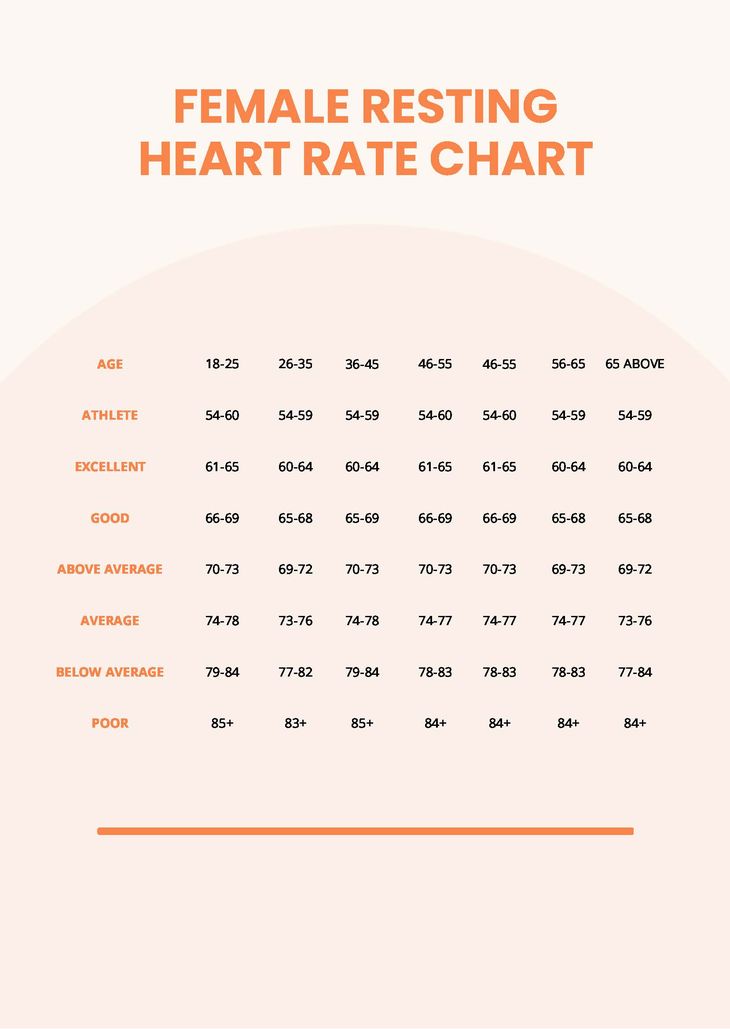
A clear physiological difference exists between male and female cardiac structures and resting baselines.
Men typically exhibit slightly larger average heart sizes and larger left ventricles than women.
This anatomical difference allows the male heart to pump more blood per individual beat, known clinically as stroke volume.
Because of this higher stroke volume, the average male heart does not need to beat as quickly as a female heart to maintain systemic blood flow.
“I always thought a resting pulse of 75 was fine for my age. It wasn’t until I started tracking automatically that I realized late-night eating was keeping my heart working overtime while I slept.”
— David R., Herz P1 User
Hormonal factors also play an important role in establishing these baseline cardiac differences.
Understanding these unique biological patterns allows you to interpret your biometric trends with greater accuracy and less confusion.
The Connection Between Heart Rate Variability (HRV), Stress, and Recovery
Your resting pulse represents only one side of your daily cardiovascular story.
To truly understand how well your body is coping with stress, you must look at Heart Rate Variability (HRV).
HRV measures the small, millisecond-level differences in time between each consecutive heartbeat.
This metric is controlled by your autonomic nervous system, which balances your fight-or-flight and rest-and-digest responses.
A high HRV score indicates that your nervous system is balanced, resilient, and ready to handle physical challenges.
Conversely, a low HRV score suggests that your body is in a state of stress or physical fatigue.
Often, a high resting pulse and a low HRV occur at the same time when your body is fighting off an illness or sleep-deprived.
Using a multi-sensor wearable allows you to track these metrics seamlessly without interrupting your daily schedule.
Practical Application Guide & Lifestyle Tips
To translate your cardiovascular metrics into real-world results, you need a clear, actionable plan.
The companion app for the Herz P1 processes your continuous data stream into simple, visual recovery scores.
Open the app each morning to review your overnight rest metrics, active HRV, and blood oxygen levels.
Want to evaluate your cardiovascular recovery safely at home?
Explore Advanced Wearable Trackers →If your morning resting pulse is elevated by more than 5 BPM above your standard baseline, consider reducing your physical training load.
Ensure you practice consistent sleep hygiene, as restorative deep sleep naturally lowers your heart rate overnight.
Avoid heavy evening meals and late-night alcohol, which elevate your cardiac workload and disrupt your circadian rhythm.
The sleek, lightweight profile of the Herz P1 ensures total comfort for 24/7 all-day wear.
Unlike heavy, bulky wrist trackers, this ring sits comfortably on your finger, allowing you to track your sleep trends without disruption.
Overcoming Risks & Common Mistakes
Many health-conscious individuals make the mistake of wearing large, heavy smartwatches to bed.
These bulky devices can press into your wrist, disturb your natural sleep positions, and cause physical discomfort.
This physical irritation can trigger micro-arousals, raising your heart rate and lowering your deep sleep quality.
Beware of the Hidden Subscription Trap
Another major frustration for wearable users is the hidden cost of ongoing monthly app subscriptions. Many brands charge ongoing fees just to access your own biometric trends and personal recovery scores.
The Herz P1 App is completely free for life. No hidden paywalls. No recurring fees to view your own health data.
This allows you to invest once in premium military-grade hardware and track your cardiovascular journey without hidden costs.
Frequently Asked Questions (FAQ)
Is the Herz P1 waterproof?
Yes, the Herz P1 features an advanced IP68 waterproof rating, certifying safe water submersion up to 164 feet. You can wear it with complete confidence while washing your hands, showering, swimming laps, or relaxing in a hot tub.
How long does the battery last?
The ring provides up to 6 days of continuous tracking on a single charge. When the battery is low, it fully recharges in under 1 hour using the included magnetic fast-charging dock.
Which finger is best to wear it on?
For the highest biometric accuracy, we recommend wearing the ring on your index, middle, or ring finger. Ensure the inner optical sensor bumps rest flat against the underside of your finger for consistent skin contact.
Does it store data offline?
Yes, the Herz P1 has built-in offline memory that stores up to 7 days of continuous biometric data. The ring will sync all of your recorded data automatically once you reconnect it to your smartphone’s Bluetooth.
Take Control of Your Cardiovascular Baseline
Tracking your daily resting pulse trends provides vital insights into your overall conditioning and physical recovery speed. The subscription-free Herz P1 simplifies your health journey by delivering highly accurate biometric data straight to your smartphone screen.
Ready to monitor your health every day?
Call our support team: 1-866-479-1629 — we can advise on the correct ring sizing kit and setup.
Note: Individual results may vary depending on individual health conditions, age, and lifestyle habits. This article is intended for general health reference purposes only.
