

Tracking your typical hrv by age helps you evaluate cardiorespiratory health and manage daily stress. Many individuals feel overwhelmed by confusing biometric data and heavy tracking devices. The Herz P1 Smart Ring continuously tracks these crucial vital signs, presenting clear, personalized trends with absolutely zero monthly fees. This comprehensive guide reveals normal averages by age group and explains how to optimize your recovery daily.
In This Article
- How to Track and Improve Your Autonomic Recovery: A practical, step-by-step roadmap to boost your cardiovascular resilience.
- What Your HRV Score Actually Tells You: Exploring the physiological mechanisms that govern the sympathetic and parasympathetic nervous systems.
- Typical HRV by Age Ranges: A complete visual and data-driven breakdown of average scores across various age groups.
- Practical Application & Lifestyle Tips: Real-world strategies to read device data and implement effective health-optimizing habits.
- Overcoming Common Tracking Pitfalls: Identifying tracking mistakes and learning why subscription-free models provide the best long-term security.
How to Track and Improve Your Autonomic Recovery: A Step-by-Step Guide
Prerequisites / What You’ll Need
To begin monitoring your heart rate variability, you will need a highly precise health tracker capable of overnight biometric sampling.
You should also have a free companion application installed on your smartphone to map long-term trend data.
Finally, commit to measuring your biometrics at the same time each day, preferably during deep sleep cycles.
Step-by-Step Instructions
-
Step 1: Establish Your Personal Baseline
Do not compare your initial scores immediately to global database averages.
Your unique nervous system requires approximately seven to ten days of consistent nightly tracking to calculate an accurate baseline.
Wear your smart ring continuously during this initial phase to gather clean, uninterrupted sleep data.
Avoid major lifestyle changes or intense physical overexertion during this foundational mapping period.
-
Step 2: Ensure Proper Sensor Alignment Every Night
Before falling asleep, verify that your wearable device sits snugly at the base of your selected finger.
The optical photoplethysmography sensors must remain in direct contact with your skin to prevent light leakage.
Keep the ring rotated so the sensor dome rests flat against the palmar side of your hand.
A loose fitting can cause gaps in your overnight readings and produce false drop-offs in your metrics.
-
Step 3: Analyze Your Overnight HRV Waves
Open your companion application each morning to review your overnight recovery curve.
Look specifically at your RMSSD measurements, which indicate the parasympathetic nervous system’s active recovery role.
A stable or slightly rising trend across several nights indicates robust cardiovascular adaptability and proper rest.
Sudden dips in your baseline signal that your body is currently fighting systemic fatigue or mild stress.
-
Step 4: Align Your Daily Exercise with Your Recovery Score
Check your morning recovery status before planning the intensity of your daily physical activities.
If your heart rate variability is high, your nervous system is prepared to handle heavy weightlifting or high-intensity cardio.
When your daily score drops significantly below your baseline, prioritize low-impact yoga, walking, or active stretching.
Pushing through severe physical depletion can lead to overtraining syndrome and sustained baseline drops.
-
Step 5: Implement Resonant Frequency Breathing
Spend five to ten minutes practicing slow, structured diaphragmatic breathing during periods of high mental strain.
Inhale slowly through your nose for five seconds, then exhale smoothly through your mouth for five seconds.
This pacing of six breaths per minute maximizes vagal nerve stimulation and quickly elevates your parasympathetic activity.
Watch your real-time stress index decrease on your tracking application during this calming breathing practice.
The Herz P1 Smart Ring streamlines this autonomic optimization process by automatically capturing your metrics as you rest.
Its lightweight titanium design ensures the optical sensors stay perfectly positioned without causing sleep discomfort.
The companion app provides direct guidance on when to push your physical limits or focus heavily on recovery.
What Your HRV Score Actually Tells You — And How to Improve It
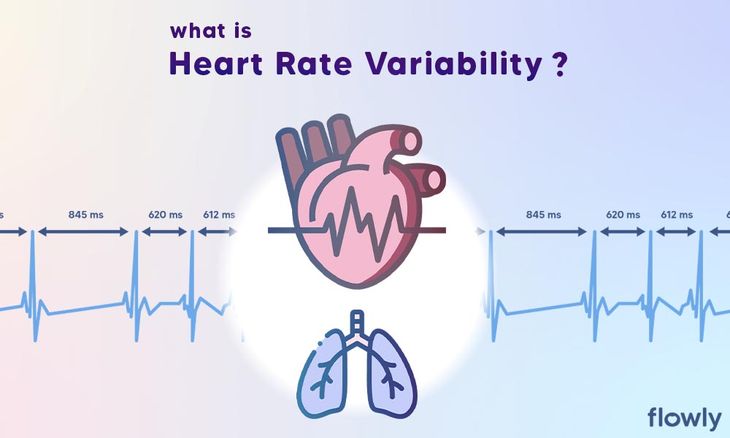
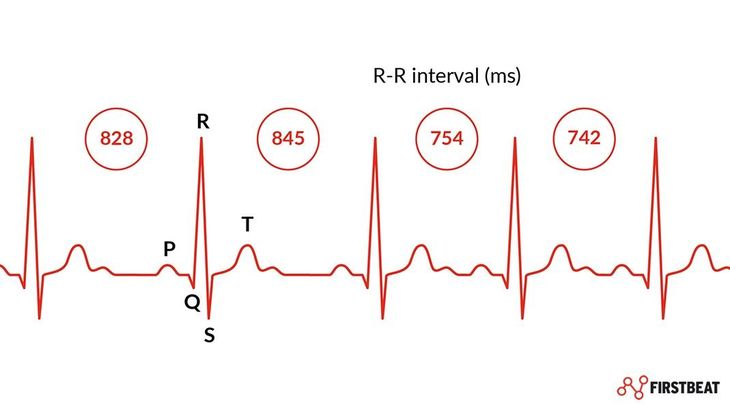
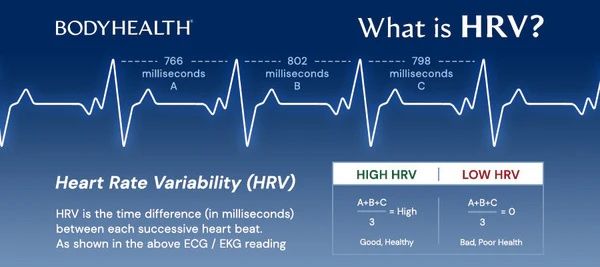
Your heart rate variability represents the microscopic changes in time between successive heartbeats.
These time gaps are measured carefully in milliseconds to reveal your nervous system’s current physiological state.
This dynamic variability is directed by your autonomic nervous system, which manages involuntary bodily functions.
The sympathetic branch acts as your internal gas pedal, triggering your classic fight-or-flight response when active.
Conversely, the parasympathetic branch functions as your brake, promoting essential rest-and-digest recovery phases.
When these dual systems remain highly balanced, your heart transitions rapidly between active acceleration and calm deceleration.
This healthy, rapid adjustment produces a high average hrv score on your daily tracking application.
A lower score suggests that one branch, typically the stress-focused sympathetic system, is dominating your cardiorespiratory rhythms.
Understanding these patterns allows you to make informed, healthier lifestyle choices throughout your week.
Your overall sleep number hrv by age shows how effectively your body recovers from daily stress as you rest overnight.
By consistently tracking this data point, you can identify hidden stressors before they manifest as chronic physical fatigue.
Optimizing this score involves regular hydration, consistent sleep schedules, and structured mindfulness practices.
Normal Ranges and Averages: Analyzing Typical HRV by Age
It is clinically normal for your heart rate variability to decline gradually as you get older.
This natural downward trend occurs due to the gradual structural aging of the heart and the autonomic pathways.
Understanding a heart rate variability chart by age helps keep your expectations realistic and scientifically grounded.
Younger adults in their twenties generally display high parasympathetic tones and wider metric ranges.
As you transition into your middle-age years, your resting autonomic fluctuations naturally stabilize.
Let us review the typical hrv levels by age to help you put your numbers into proper clinical context.
| Age Group | Normal Overnight HRV Range (ms) | General Average (ms) |
|---|---|---|
| 20 – 25 Years Old | 55 – 105 ms | 72 ms |
| 26 – 30 Years Old | 50 – 95 ms | 65 ms |
| 31 – 35 Years Old | 45 – 85 ms | 58 ms |
| 36 – 40 Years Old | 40 – 75 ms | 52 ms |
| 41 – 45 Years Old | 35 – 70 ms | 47 ms |
| 46 – 50 Years Old | 32 – 65 ms | 43 ms |
| 51 – 55 Years Old | 28 – 60 ms | 39 ms |
| 56 – 60 Years Old | 25 – 55 ms | 35 ms |
| 61 – 65 Years Old | 22 – 50 ms | 31 ms |
| Over 65 Years Old | 18 – 45 ms | 27 ms |
Reviewing the average heart rate variability by age helps you avoid unnecessary panic over low scores.
A score of forty-five may indicate mild fatigue for a young athlete in their early twenties.
However, that same forty-five represents excellent cardiovascular recovery for someone in their mid-fifties.
Your unique overnight hrv by age provides a highly reliable metric for tracking your personal resilience over time.
To capture these nightly rhythms accurately, we must examine your average sleeping hrv by age using medical-grade optical sensors.
Your device calculates these numbers during long periods of uninterrupted rest, minimizing any sudden physical movement artifacts.
Establishing a personalized normal heart rate variability by age helps you build sustainable habits tailored to your stage of life.
Practical Application: Reading Your Herz P1 App Data
The companion Herz P1 application translates complex biological data into clear, easy-to-understand metrics on your screen.
When you wake up, your daily home screen displays a single, comprehensive recovery score.
This recovery score integrates your heart rate, sleep quality, and heart rate variability metrics automatically.
A high score, colored in vibrant green, indicates that your autonomic nervous system is fully restored and ready to perform.
If you see a yellow indicator, your body is currently managing moderate levels of physical or mental fatigue.
A red recovery indicator serves as a gentle reminder to prioritize rest and avoid strenuous physical workouts.
The application features continuous monitoring, updating your stress index every five minutes to reflect your current environment.
You can wear the lightweight ring comfortably throughout the day to monitor how your body handles work stress.
At night, the ring tracks your sleep phases to verify if your body enters deep, restorative recovery stages.
Overcoming Risks and Common Biometric Tracking Mistakes
Many health enthusiasts make the critical mistake of wearing heavy, bulky smartwatches to bed.
These thick wristbands often shift during sleep, causing optical sensors to lose contact with your skin.
This sensor movement produces significant gaps in your data and skewing your overnight averages.
The Herz P1 Smart Ring addresses this issue directly with its ultra-slim, low-profile design.
Constructed from military-grade steel, it fits securely on your finger to provide continuous sensor contact without disturbing your rest.
Another major challenge in the wearable market is the unexpected financial burden of monthly app subscription fees.
Many popular wellness brands lock your personal health data behind expensive paywalls after your purchase.
We believe that you should never have to pay a monthly fee to access your own biometric details.
The Herz P1 companion application is completely free for life, ensuring you always have unlimited access to your data.
This commitment keeps your long-term health journey transparent, highly secure, and exceptionally cost-effective.
Frequently Asked Questions About Herz P1 Smart Ring
Yes, the Herz P1 features an official IP68 waterproof rating for superior dust and water protection.
This certification ensures the ring can be safely submerged in water up to 164 feet deep.
You can confidently wear your ring while swimming, washing your hands, showering, or washing dishes.
The durable, sealed casing prevents water from damaging the sensitive optical sensors inside.
The Herz P1 delivers up to six days of continuous, active tracking on a single charge.
Its advanced power-management system allows you to monitor your health day and night without interruption.
When the battery runs low, the ring charges fully in less than one hour using its dedicated charging cradle.
This rapid charging cycle ensures you rarely miss a single night of recovery tracking.
For the highest biometric accuracy, we recommend wearing the Herz P1 on your index, middle, or ring finger.
Your non-dominant hand is generally preferred, as it experiences less daily wear and movement impact.
The blood vessels in these specific fingers are closer to the skin surface, improving optical sensor readings.
Ensure the ring fits snugly without pinching your skin to maintain optimal contact overnight.
Yes, the ring features secure built-in local storage to protect your metrics when you are away from your phone.
It can store up to seven full days of biometric data offline before requiring a sync.
Once you open the companion application, your saved metrics sync automatically via secure Bluetooth.
This allows you to travel or sleep without keeping your phone constantly near your bed.
Conclusion
Monitoring your biometric trends with accuracy is the first step toward building a healthy, stress-resilient lifestyle.
The durable, subscription-free Herz P1 Smart Ring makes tracking your nightly autonomic nervous system recovery simple and comfortable.
Ready to monitor your health every day?
Explore the Herz P1 Smart Ring and see if it fits your lifestyle.
Call 1-866-479-1629 to speak with our support team, verify your ring size, and set your health goals today.
