

Understanding male vs female sleep patterns is crucial for optimizing your daily energy, which is why Team Herz P1 engineered the premium Herz P1 Smart Ring to track these biological variances. Recent clinical data reveals that women experience up to 40% higher rates of sleep disruption, while men suffer more from deep sleep deficits. This guide will decode these critical body signals and show you how to leverage personalized sleep metrics without any monthly subscription fees.
Built to Last. Save Up to 69% Today.
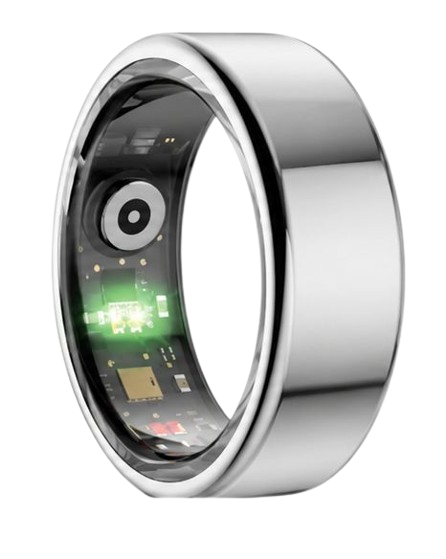
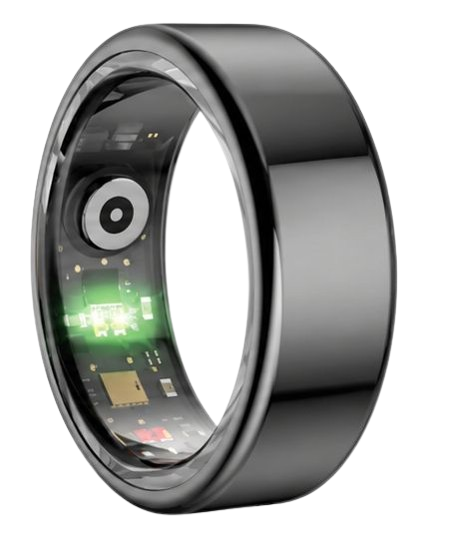
The Herz P1 Smart Ring tracks HRV, Sleep, Heart Rate & SpO2 around the clock. No subscriptions. No renewals. Ever.
In This Article
- The Biological Blueprint of Male vs Female Sleep: Demystifying duration and latency discrepancies.
- Circadian Clocks and Hormones: How estrogen, progesterone, and testosterone dictate nighttime patterns.
- Sleep Architecture Decoded: Analyzing slow-wave deep sleep and rapid eye movement (REM) cycles.
- Cardiovascular Sleep Recovery: Understanding resting heart rate and Heart Rate Variability (HRV) metrics.
- Proactive Health Monitoring: Practical application tips using the subscription-free Herz P1 Smart Ring.
The Biological Blueprint of Male vs Female Sleep
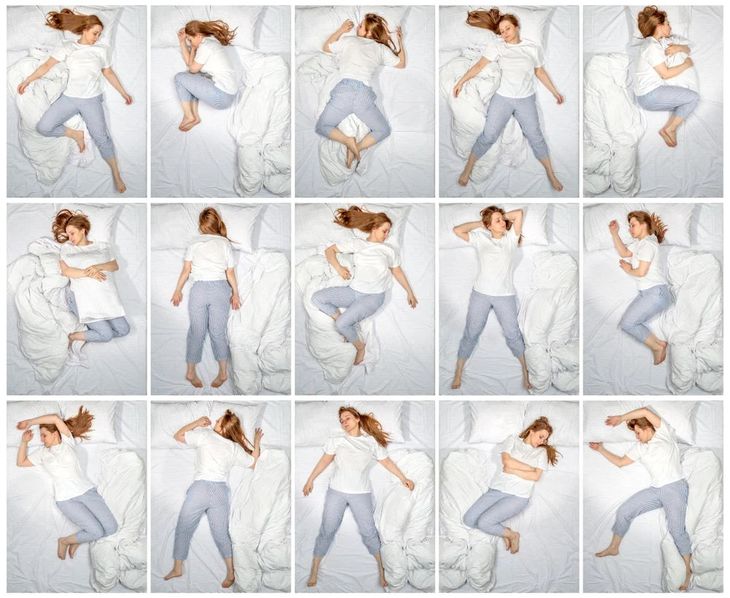
Men and women do not experience sleep in the same way.
Our biological clocks operate on distinct schedules programmed by genetics and evolutionary physiology.
Clinical data from the National Sleep Foundation indicates that women sleep longer than men on average.
Typically, women log approximately 11 to 20 minutes more sleep per night.
However, this extended sleep duration does not equate to superior rest.
In fact, women are much more likely to report poorer overall sleep quality.
When analyzing gender sleep differences, researchers point to variations in sleep latency and overnight awakenings.
Women have a higher rate of sleep onset latency, meaning it takes them longer to drift off to sleep.
They also wake up more frequently during the night, interrupting critical recovery stages.
Men face entirely different challenges with their nightly rest.
Men are far more likely to experience sleep fragmentation due to lifestyle factors or obstructive sleep apnea.
Furthermore, men suffer a steeper decline in slow-wave sleep as they age.
This decline often leaves them feeling unrefreshed, even after a full eight hours of bedtime.
Team Herz P1 has studied sleep data trends extensively.
We found that a generic, one-size-fits-all approach to sleep hygiene fails both men and women.
To truly improve your energy levels, you must track your specific biological indicators.
A smart ring offers a highly comfortable, non-invasive method to monitor these trends night after night.
By capturing biometric data right from the finger’s arterial network, users can spot exactly where their sleep architecture is breaking down.
The table below provides a side-by-side comparison of the standard biometric baselines between genders:
| Sleep Metric | Female Baseline Trend | Male Baseline Trend |
|---|---|---|
| Average Nightly Duration | Longer (typically +11 to 20 minutes) | Shorter overall sleep duration |
| Sleep Latency Rate | Higher (takes longer to fall asleep) | Lower (falls asleep faster) |
| Slow-Wave Sleep Preservation | Better preserved into older age | Declines rapidly after age 30 |
| Insomnia Prevalence | Up to 40% higher clinical rate | Lower baseline risk |
| Sleep Apnea Risk | Lower (increases after menopause) | Significantly higher overall risk |
90-Day 100% Money-Back Guarantee
“The Herz Smart Ring helps me manage stress easily. It’s accurate, stylish, and lightweight—perfect for my busy life!”
— Jennifer P. | ✔ Verified Customer
- ✓ 6-Day Battery Life
- ✓ Detailed Sleep Analysis
- ✓ Fast 1-Hour Charging
- ✓ iOS & Android Ready
Questions? Call: 1-866-479-1629
Circadian Clocks and Hormones: Why Women and Men Drift Apart
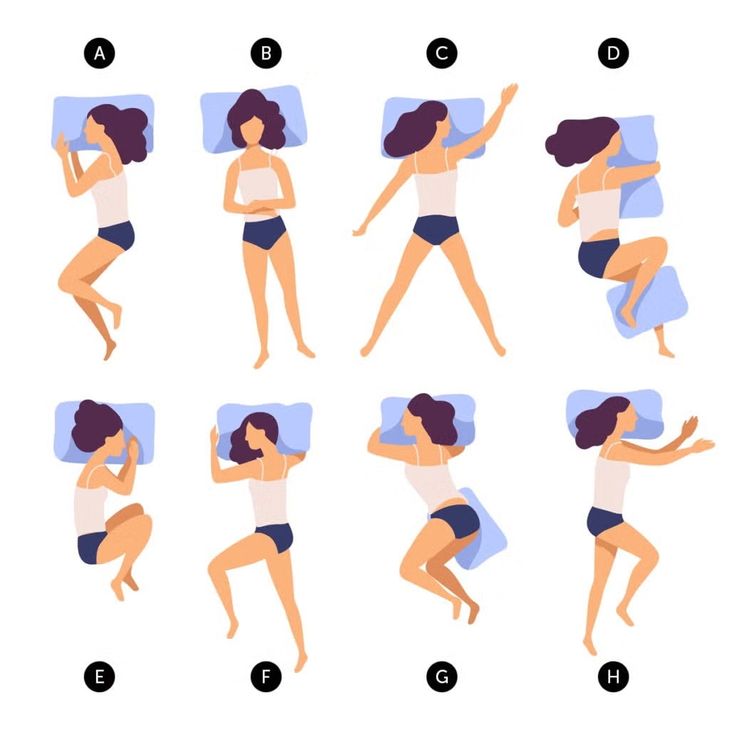
Hormones serve as the master conductors of our daily sleep-wake cycle.
For women, the fluctuations of estrogen and progesterone directly reshape their sleep biology every month.
Progesterone acts as a natural sedative because it stimulates GABA receptors in the brain.
When progesterone levels drop sharply right before menstruation, sleep quality often suffers.
This sudden drop is why many women experience PMS-related insomnia.
Pregnancy and menopause bring even larger hormonal disruptions that alter circadian rhythms.
Menopausal hot flashes and night sweats frequently wake women up during the night.
To monitor these complex patterns, wearing a specialized women’s health smart ring is highly beneficial.
The Herz P1 features high-precision thermal sensors that track micro-changes in baseline skin temperature.
This allows women to track their menstrual cycles and predict phase-related sleep disruptions.
Cardiovascular metrics also shift in sync with these hormonal changes.
The average resting heart rate for women is naturally higher than for men.
This is because women generally have smaller heart sizes and lower stroke volumes.
During the luteal phase of the menstrual cycle, a woman’s resting heart rate can rise by several beats per minute.
At the same time, her Heart Rate Variability (HRV) typically declines.
This decline signals that the body is working harder and experiencing more physiological stress.
As women age, their autonomic nervous system baseline changes.
Looking at data for the average hrv by age for women aged 50 shows a clear decrease as they transition through menopause.
This drop makes them more sensitive to overnight stress and sleep fragmentation.
Men experience a different hormonal path that affects their circadian clock.
Testosterone levels influence the male circadian rhythm and are crucial for maintaining solid sleep.
Unlike women’s cyclic shifts, men’s testosterone levels decline gradually over decades.
This steady drop leads to a slow decline in sleep efficiency as men age.
Tracking these biological changes daily helps you understand your body’s personal needs.
The Herz P1 delivers constant, subscription-free tracking to make these subtle patterns clear.
Our ring is designed to detect tiny variations in skin temperature and heart rate trends.
It displays these data points in a user-friendly dashboard.
This takes the guesswork out of why you might feel exhausted in the morning.
Sleep Architecture: Deep Sleep and REM Stages Decoded

Every night of rest is divided into distinct stages that perform unique recovery tasks.
Deep sleep, or slow-wave sleep, is when your body repairs muscles, builds bone, and boosts your immune system.
REM sleep is when your brain processes memories, regulates emotions, and clears out cellular waste.
Men and women navigate these stages differently throughout the night.
Clinical studies show that women tend to preserve their deep sleep better than men as they age.
This means older women often get more slow-wave sleep than men of the same age.
However, women also suffer from more frequent awakenings during these deep sleep stages.
This fragmentation reduces the physical benefits of their rest.
Men experience a sharp drop in deep sleep starting in their early thirties.
This loss can lead to slower muscle recovery and increased physical fatigue.
To monitor physical recovery, we must track cardiovascular metrics during sleep.
The average hrv for men is an excellent indicator of how well the autonomic nervous system is recovering.
HRV measures the variation in time between consecutive heartbeats.
A high HRV shows that your nervous system is balanced and ready for daily challenges.
A low HRV suggests your body is still carrying stress from workouts, work, or lack of rest.
Men can consult a resting heart rate chart men to see how their heart rate compares to fitness standards.
A decreasing resting heart rate over time points to a stronger, more efficient heart.
During a healthy night’s sleep, your heart rate should reach its lowest point, known as the sleeping heart rate nadir.
The average heart rate sleeping woman often fluctuates depending on her menstrual cycle phase.
It tends to be lower during the follicular phase and higher during the luteal phase.
The Herz P1 Smart Ring tracks these subtle shifts with clinical-grade accuracy.
Our multispectral optical sensors scan your blood flow every five minutes.
This high frequency ensures that no variations are missed.
You get an accurate, clear breakdown of your light sleep, deep sleep, and REM phases.
You can also track your heart rate curves and HRV patterns on the free app.
This deep look helps you understand the quality of your sleep stages.
It empowers you to make proactive changes to improve your recovery.
Cardiovascular Signals at Night: How Your Heart Recovers
Your cardiovascular system behaves differently depending on your gender and sleep quality.
During healthy deep sleep, your heart rate and blood pressure should drop.
This natural reduction is known as cardiovascular dipping.
If your heart rate does not drop enough, your body stays in a state of stress.
This lack of dipping is common in individuals with high daily anxiety or sleep disorders.
Men have a higher risk of developing obstructive sleep apnea.
This condition causes temporary drops in blood oxygen saturation (SpO2) during the night.
The Herz P1 Smart Ring monitors your SpO2 continuously while you sleep.
It alerts you to any significant drops in oxygen levels.
This monitoring is vital for spotting potential breathing issues early.
Women also experience oxygen variability, though it is often linked to hormonal shifts.
Our smart ring tracks these variations with a margin of error of less than two percent.
This high precision matches clinical pulse oximeters.
At the same time, monitoring your HRV provides deep insights into your mental strain.
If your daytime stress is high, your overnight HRV will likely be low.
Both men and women can use this data to plan their daily activities.
If your Herz P1 sleep dashboard shows a low recovery score, you should rest.
You might want to avoid high-intensity workouts on those days.
Instead, focus on active recovery or light stretching.
When your recovery score is high, your body is ready for a challenge.
This data-driven approach prevents overtraining and burnout.
It ensures you are working with your biology, not against it.
Team Herz P1 believes that health tracking should be intuitive and painless.
That is why our app displays these complex metrics in simple, clear charts.
You do not need a medical degree to understand your body’s signals.
We decode the numbers for you every single morning.
Practical Application Guide: Optimizing Sleep with the Herz P1 App
Using the Herz P1 Smart Ring to improve your wellness is simple.
You wear the ring on your finger and go about your daily routine.
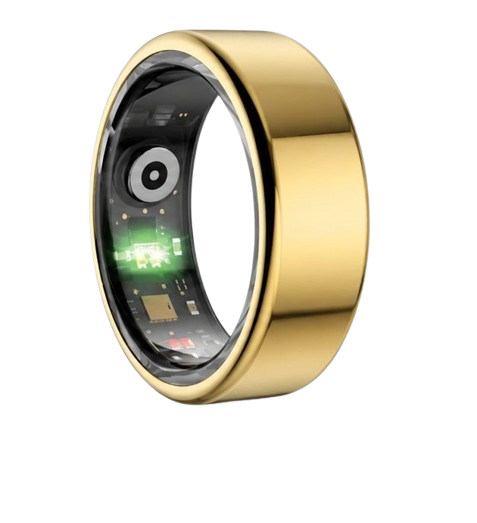
Our ring is constructed from military-grade steel and is waterproof up to 164 feet.
This means you never have to remove it when washing hands, showering, or swimming.
Because it is lightweight and slim, it is extremely comfortable to wear.
This comfort makes it the perfect tool for 24/7 continuous wear.
Unlike bulky smartwatches, it will not disturb your sleep or catch on your bedsheets.
Every morning, you open the free companion app to sync your data.
The app immediately presents your personalized Sleep Score.
This score is calculated based on sleep duration, deep sleep ratio, REM ratio, and sleeping heart rate.
You can look at your sleep staging graph to see how your cycles flowed.
If your deep sleep ratio was low, consider your evening habits.
Did you eat a heavy meal close to bedtime?
Did you consume caffeine too late in the afternoon?
The app allows you to log these daily factors to see how they impact your rest.
Over time, you will identify your personal sleep disruptors.
You can also view your continuous stress index throughout the day.
If you see a stress spike, use our in-app breathing exercises to calm your nervous system.
This simple practice can improve your subsequent night’s sleep.
By adjusting your habits based on real data, you will see your scores improve.
Your daily energy levels will rise, and your focus will sharpen.
This is the power of proactive wellness tracking.
Overcoming Risks and Common Smartwatch Mistakes
Many people make the mistake of wearing a bulky smartwatch to bed.
These large devices are often uncomfortable and heavy on the wrist.
They can easily wake you up when you turn over in your sleep.
Furthermore, smartwatches require frequent charging, often every single day.
This means you must choose between tracking your daytime activity or your overnight rest.
The Herz P1 Smart Ring solves this problem completely.
It features a battery life of up to six days on a single charge.
It recharges in under one hour, making it easy to top up during a quick shower.
Another major pitfall of the wearable market is hidden costs.
Many popular smart rings require an ongoing monthly subscription to access your data.
Without this subscription, you are locked out of your own biological metrics.
Team Herz P1 believes your health data belongs to you.
Our companion app is completely free for a lifetime.
There are no paywalls, no monthly renewals, and no hidden charges.
You pay for the hardware once, and you get full access forever.
We also address trust concerns with our premium build quality.
Our rings are constructed from military-grade steel to resist scratches and dents.
With an IP68 waterproof rating, you can wear it in any environment.
We back this durability with a comprehensive two-year warranty.
We also offer a 90-day money-back guarantee so you can try it risk-free.
You can experience premium tracking without any financial worry.
Frequently Asked Questions (FAQ)
Yes, the Herz P1 is fully waterproof.
It carries an IP68 waterproof rating.
This means it is safe for submersion up to 164 feet (50 meters).
You can wear it safely while swimming, showering, bathing, or washing dishes.
There is no need to remove it during your daily water activities.
The battery lasts up to six days on a single charge.
This lifespan depends on your individual usage and frequency of syncs.
The ring charges completely in under one hour.
A convenient magnetic charging base is included with your purchase.
This fast charging minimizes any gaps in your physiological data.
The index finger of your non-dominant hand is the recommended choice.
This finger typically has the best blood flow for optical sensors.
However, you can also wear it on your middle or ring finger.
Make sure the ring fits snugly but comfortably without rotating too easily.
We provide a free sizing kit to help you find the perfect fit before shipping.
Yes, the ring stores your data offline.
It can save up to seven days of biometric data locally on the device.
This means you do not need to keep your phone near you at all times.
The ring will automatically sync all stored data once it reconnects to the app.
This feature is perfect for camping trips or digital detoxes.
Conclusion: Your Biological Path to Better Sleep
Tracking the unique differences in male vs female sleep is key to reclaiming your daily energy.
The subscription-free Herz P1 Smart Ring is your ultimate health companion.
Explore the Herz P1 Smart Ring today to fit your active lifestyle.
Call: 1-866-479-1629 — we will help you choose your correct ring size and set personalized wellness goals.
