

Understanding your cardiovascular baseline is the first step toward peak physical performance, and referencing a clear resting bpm chart allows you to evaluate your heart health with clinical-grade accuracy. If you are exhausted by poor sleep, overwhelmed by daily work stress, or anxious about sudden cardiac warning signs, the subscription-free Herz P1 Smart Ring provides a lightweight, highly accurate, and durable way to decode your critical body signals 24/7. Data-driven insights show that monitoring daily fluctuations in your resting pulse can help you avoid overtraining, manage anxiety, and optimize recovery without relying on bulky, short-lived smartwatches.
Built to Last. Save Up to 69% Today.
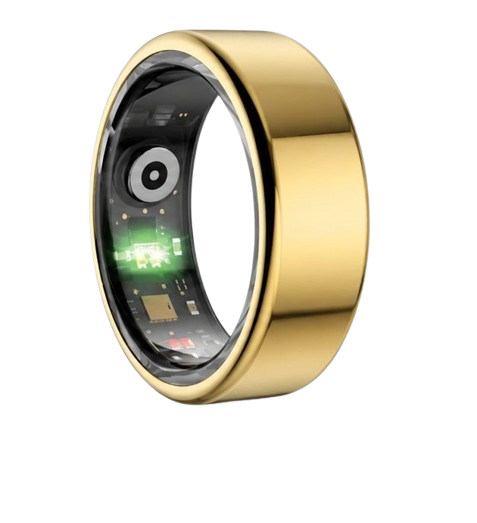
The Herz P1 Smart Ring tracks HRV, Sleep, Heart Rate & SpO2 around the clock. No subscriptions. No renewals. Ever.
In This Article
- Step-by-Step RHR Calculation: How to properly measure and find your true resting heart rate baseline.
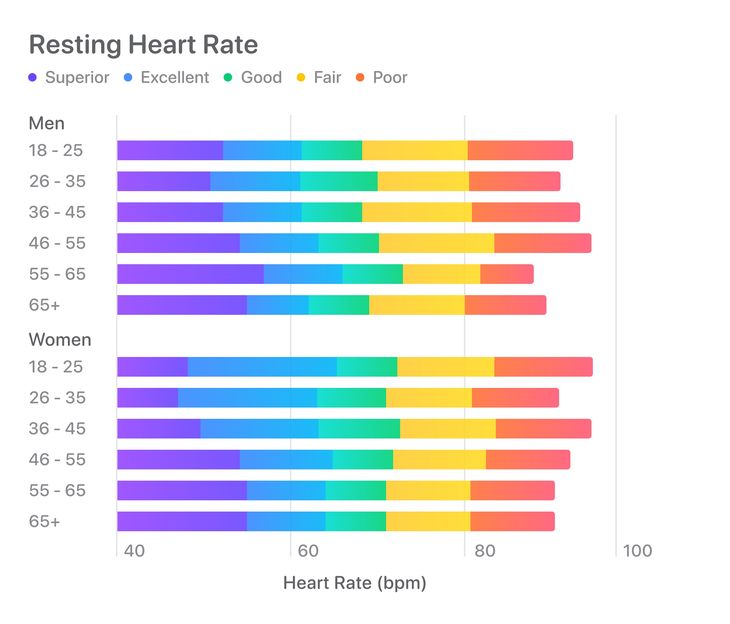
- The Complete Resting BPM Charts: Comprehensive, structured fitness charts separated by age and gender.
- The Autonomic Connection: Explaining how your nervous system links your pulse metrics to stress and HRV.
- Common Tracking Pitfalls: Mitigating common reading mistakes and understanding the advantages of subscription-free smart rings.
How to Measure and Evaluate Your Resting Heart Rate Baseline
To accurately assess your cardiovascular status, you must gather reliable biometric baseline data under controlled physical conditions.
We recommend tracking your pulse immediately upon waking up, before consuming caffeine, and while sitting completely still.
Having a steady body temperature and an empty bladder will also help ensure your initial metrics are completely undistorted.
-
Step 1: Choose Your Monitoring Window
The most accurate resting pulse reading occurs within ten minutes of waking up from a full night of sleep.
Ensure you do not jump out of bed or check stressful notifications before performing this measurement.
Taking your reading at the exact same hour every morning maintains environmental and physiological consistency.
This systematic routine establishes a highly reliable baseline for long-term health tracking.
-
Step 2: Establish Proper Sitting Posture
Find a quiet, distraction-free environment and sit upright in a comfortable chair with your back supported.
Keep your feet flat on the floor and rest your forearms gently on a flat table surface.
Avoid speaking, moving, or deep-breathing exercises for at least five minutes prior to starting the measurement.
This resting state ensures you are capturing a true normal heart rate sitting without physical artifacts.
-
Step 3: Locate Your Pulse Correctly
If you measure manually, place your index and middle fingers gently over the radial artery in your wrist.
Avoid using your thumb because it possesses its own distinct arterial pulse that can cause double-counting.
Count the distinct beats for exactly sixty seconds using a reliable stopwatch or digital timer.
Write down this number immediately so you do not misremember the count during later analysis.
-
Step 4: Cross-Reference with a Biometric Chart
Locate your specific age group and biological sex on a verified resting bpm chart to evaluate your metric.
Check if your current morning numbers fall within an athletic, normal, or elevated classification.
Remember that a single reading is only a snapshot, whereas long-term weekly trends offer true clinical insight.
This systematic comparison helps you track physiological adaptations to cardiovascular training over time.
-
Step 5: Record and Track Daily Fluctuations
Keep a digital journal or log your daily pulse numbers inside your health-tracking app dashboard.
Note any external variables such as poor sleep quality, late-night alcohol consumption, or intense physical workouts.
Sudden spikes in your morning baseline often indicate physical fatigue, underlying stress, or dehydration.
Observing these persistent spikes helps you know when to schedule a much-needed recovery day.
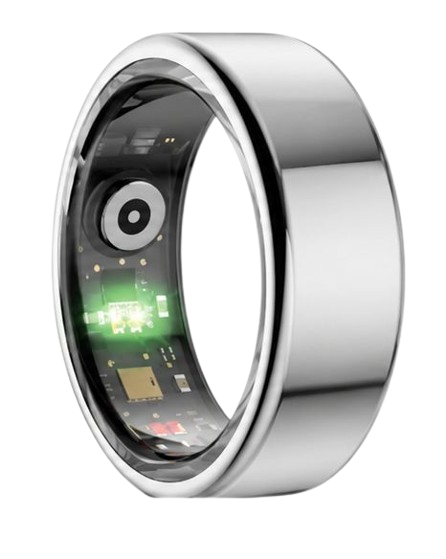
While manual tracking can feel tedious and error-prone, the Herz P1 Smart Ring automates this entire process with clinical-grade multi-wavelength PPG sensors.
Our military-grade steel ring monitors your pulse continuously while you sleep, calculating your true resting average with medical precision.
By removing human error and the need for manual logs, our team helps you focus on optimizing your recovery every single day.
90-Day 100% Money-Back Guarantee
“The Herz Smart Ring helps me manage stress easily. It’s accurate, stylish, and lightweight—perfect for my busy life!”
— Jennifer P. | ✔ Verified Customer
- ✓ 6-Day Battery Life
- ✓ Detailed Sleep Analysis
- ✓ Fast 1-Hour Charging
- ✓ iOS & Android Ready
Questions? Call: 1-866-479-1629
Demystifying the Resting BPM Chart: Age and Gender Ranges
Your resting pulse represents the minimum volume of blood your heart must pump to sustain life when at complete rest.
A lower resting pulse typically indicates superior myocardial efficiency and stronger overall cardiovascular fitness.
According to the American Heart Association, a normal resting range spans between sixty and one hundred beats per minute.
However, highly trained endurance athletes frequently display resting numbers between forty and sixty beats per minute.
Understanding a resting heart rate healthy range requires adjusting your expectations based on age and sex.
Biological women typically have slightly higher resting pulses than men due to smaller average heart chambers.
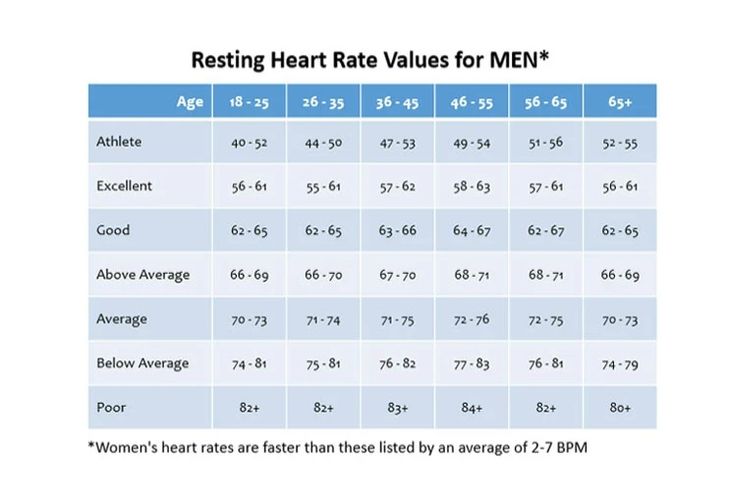
To evaluate your own numbers, consult the comprehensive tables below detailing fitness ranges for adult populations.
Resting Heart Rate Chart for Men
Men can utilize this resting heart rate chart men reference to pinpoint their cardiac efficiency category.
These values represent standard physiological milestones compiled from healthy adult male cohorts.
| Age Group (Men) | Athletic / Outstanding Range | Good / Average Range | Below Average / High Range |
|---|---|---|---|
| 18–25 Years | 49–55 BPM | 56–69 BPM | 70+ BPM |
| 26–35 Years | 50–55 BPM | 56–70 BPM | 71+ BPM |
| 36–45 Years | 50–56 BPM | 57–71 BPM | 72+ BPM |
| 46–55 Years | 51–57 BPM | 58–72 BPM | 73+ BPM |
| 56–65 Years | 52–57 BPM | 58–71 BPM | 72+ BPM |
| 65+ Years | 51–56 BPM | 57–70 BPM | 71+ BPM |
Source: Cardiovascular metrics based on standardized epidemiological fitness database samples.
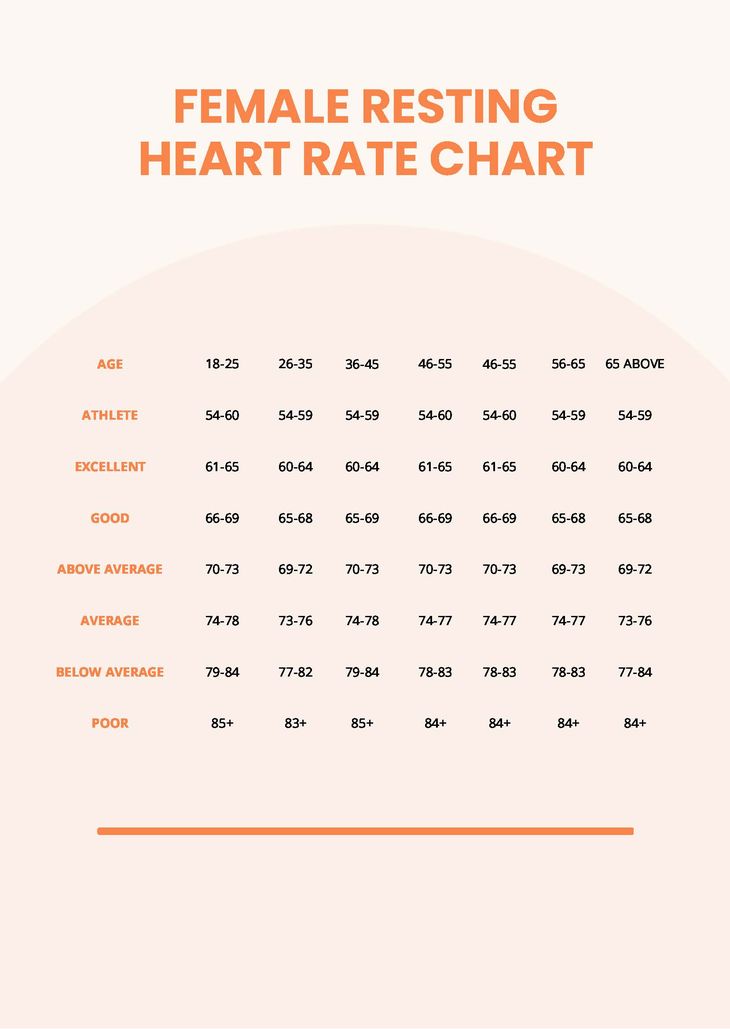
Resting Heart Rate Chart for Women
Women have unique cardiorespiratory baselines that are often affected by cyclical estrogen and progesterone changes.
Refer to this specialized average resting heart rate for women chart to identify your personal health target.
| Age Group (Women) | Athletic / Outstanding Range | Good / Average Range | Below Average / High Range |
|---|---|---|---|
| 18–25 Years | 54–60 BPM | 61–73 BPM | 74+ BPM |
| 26–35 Years | 54–59 BPM | 60–72 BPM | 73+ BPM |
| 36–45 Years | 55–61 BPM | 62–73 BPM | 74+ BPM |
| 46–55 Years | 55–62 BPM | 63–74 BPM | 75+ BPM |
| 56–65 Years | 55–61 BPM | 62–73 BPM | 74+ BPM |
| 65+ Years | 54–60 BPM | 61–72 BPM | 73+ BPM |
Source: Cardiovascular fitness charts compiling biological female heart rate standards.
If you are wondering is 60 a good resting heart rate, the scientific answer is a resounding yes.
A resting rate of sixty indicates excellent parasympathetic tone and highly efficient stroke volume.
Maintaining a stable morning heart rate within the sixty-to-seven-five range is an ideal goal for most healthy adults.
Our research at Team Herz P1 shows that users tracking their average rhr over ninety days consistently notice positive fitness adaptations.
By monitoring these averages daily, you can accurately view the physical proof of your heart growing stronger.
The Physiological Intersect of Optical Sensors, RHR, and Heart Rate Variability
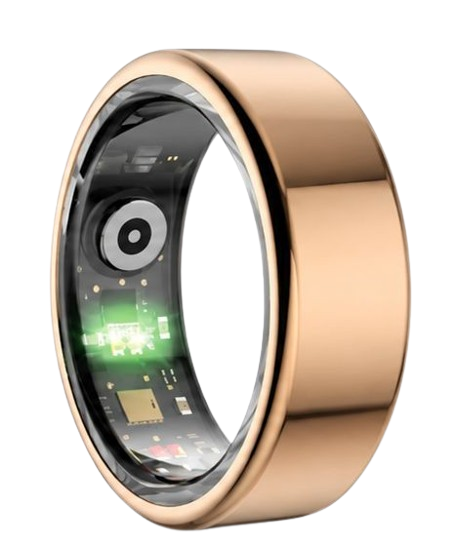
Modern biometric rings use advanced multi-wavelength photoplethysmography to track blood flow directly from the digital arteries.
These digital arteries sit closer to the skin surface compared to the radial arteries in your wrist.
This anatomical placement allows the optical sensors to capture highly refined pulse waveforms with minimal interference.
By emitting green, red, and infrared light spectrums, the Herz P1 tracks blood oxygen saturation levels with scientific precision.
Simultaneously, the smart ring analyzes Heart Rate Variability (HRV) to gauge your autonomic nervous system balance.
When your body experiences systemic stress, your sympathetic nervous system increases your heart rate and lowers your HRV.
Conversely, a well-recovered body exhibits a low resting pulse coupled with elevated heart rate variability.
Monitoring these two opposing metrics in tandem provides a comprehensive window into your true physiological recovery.
Our team utilizes clinical data from thousands of active users to continuously refine our internal biometric algorithms.
This continuous improvement ensures that our wearable technology matches the accuracy of traditional medical equipment.
By tracking these subtle shifts, you can make informed decisions about your daily training volume and stress management.
If your heart rate drops normally during sleep, it indicates that your cardiovascular system is recovering properly from the previous day’s demands.
This deep recovery is essential for physical repair, mental consolidation, and maintaining optimal cognitive function during waking hours.
Practical Application: How to Lower Your Resting Heart Rate Safely
Improving your resting biometrics requires a structured combination of cardiovascular training, deep sleep, and stress control.
A healthy heart is highly adaptive and responds rapidly to progressive aerobic overload.
We recommend incorporating at least one hundred and fifty minutes of moderate-intensity zone two cardio every week.
This type of exercise expands the left ventricle chamber, allowing the heart to pump more blood with fewer beats.
Additionally, prioritizing sleep hygiene significantly enhances overnight parasympathetic activity.
Avoid eating heavy meals or using bright digital screens within two hours of your planned bedtime.
Consistently practicing box breathing for five minutes before sleep can instantly drop your morning heart rate baseline.
The Herz P1 Smart Ring helps you observe these microscopic gains by logging your exact biometric changes overnight.
Our comfortable, ultra-lightweight design ensures you can track sleep metrics 24/7 without the irritation of bulky wrist straps.
Furthermore, staying properly hydrated prevents your blood from thickening, which reduces the workload on your cardiac muscle.
Cutting back on chronic stimulants like caffeine and nicotine will also produce a noticeable drop in your baseline pulse within weeks.
Overcoming Biometric Pitfalls: The Smartwatch Sleep Tracking Problem
Many wellness enthusiasts attempt to track their sleep patterns using heavy, oversized digital smartwatches.
These wrist-worn devices frequently shift during the night, resulting in optical sensor misalignment and corrupted data.
Furthermore, the physical discomfort of a bulky watch strap can disrupt deep slow-wave sleep cycles.
Another major frustration is the recurring subscription paywall common among prominent wearable fitness brands.
Paying monthly fees just to access your own personal biometric data is both expensive and unnecessary.
Our Herz P1 companion app is completely free for life, ensuring you never face hidden fees or membership renewals.
Our military-grade steel ring fits seamlessly onto your finger, providing continuous, uninterrupted tracking with total comfort.
This reliable fit ensures the sensor nodes stay perfectly aligned over your digital arteries all night long.
As a result, your morning dashboard displays clean, uncorrupted wellness data that you can actually trust.
Frequently Asked Questions About Resting Heart Rate and Herz P1
Is the Herz P1 Smart Ring waterproof?
Yes, the Herz P1 is fully certified with an IP68 waterproof rating.
This premium standard allows the ring to be submerged in water up to one hundred and sixty-four feet deep.
You can wear it with complete peace of mind while swimming, showering, bathing, or washing your hands.
Our military-grade steel construction ensures water pressure does not compromise the internal sensor housing.
How long does the battery last and how quickly does it charge?
The high-density battery lasts up to six full days on a single charge.
Continuous monitoring does not drain the power, allowing you to go almost a week without using the charger.
When you need to replenish the battery, the ring charges fully in under one hour.
This ultra-fast charging cycle ensures you spend more time tracking your health and less time tethered to a cable.
Which finger is best to wear the Herz P1 Smart Ring on?
For optimal biometric precision, we recommend wearing the ring on your index, middle, or ring finger.
These fingers contain a highly concentrated network of blood vessels near the skin surface.
Ensure the inner sensor node sits securely on the palm-facing side of your chosen finger.
A snug but comfortable fit prevents the ring from rotating and losing contact during sleep or exercise.
Does the ring store my biometric data offline?
Yes, the internal memory card securely stores up to seven days of biometric data offline.
You do not need to keep your smartphone Bluetooth connected to log your continuous metrics.
The ring will automatically sync all recorded files the moment you open the free companion application.
This offline storage capability ensures your essential recovery trends are never lost when you unplug.
Conclusion
Monitoring your cardiac trends is an empowering step toward robust long-term cardiovascular health. Trust the Herz P1 Smart Ring to track your daily vitals with military-grade steel and zero subscription fees. Explore the Herz P1 Smart Ring today to master your recovery. Call our team at 1-866-479-1629 to select your perfect ring size.
Note: Individual results may vary depending on individual health conditions, age, and lifestyle habits. This article is intended for general health reference purposes only.
