

Unlocking the vital patterns of your autonomic nervous system begins with analyzing your heart rate variability using the Herz P1 smart ring, a continuous biomarker tracking device that translates biological micro-signals into a clear, baseline map of daily recovery. Many health-conscious individuals struggle to understand what constitutes a normal or **average hrv** score, leaving them uncertain about their cardiovascular fitness, physical preparedness, and physiological stress. In this comprehensive medical guide, we will explore age-based metrics, outline diagnostic standards, and explain how our subscription-free tracking ring monitors your autonomic balance to elevate your performance every day.
In This Article
- Defining Heart Rate Variability: Learn the physiological mechanics of your nervous system using the 5W2H framework.
- Baseline HRV Benchmarks: Discover what counts as a healthy score according to medical data.
- Autonomic Stress Mapping: Understand how optical wearable sensors measure autonomic reactions.
- Optimal Sleep Analysis: See the deep connection between overnight cardiac biometrics and mental recovery.
- Actionable Health Habits: Simple, proven ways to elevate your daily baseline metric without subscription fees.
What Is the Average Heart Rate Variability and HRV Score?
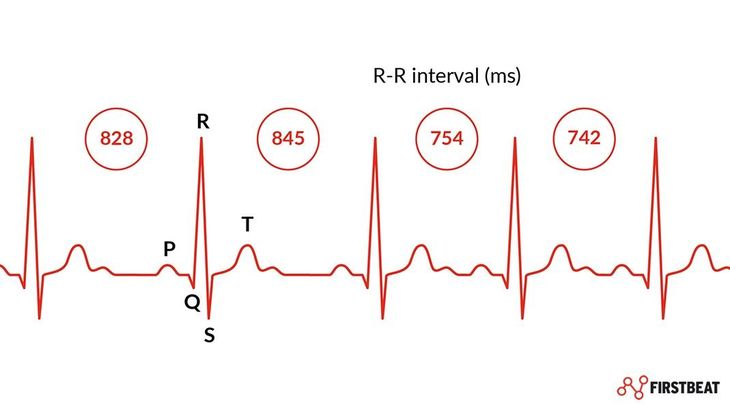
To evaluate your general cardiorespiratory fitness, you must understand the underlying science of heart rate variability.
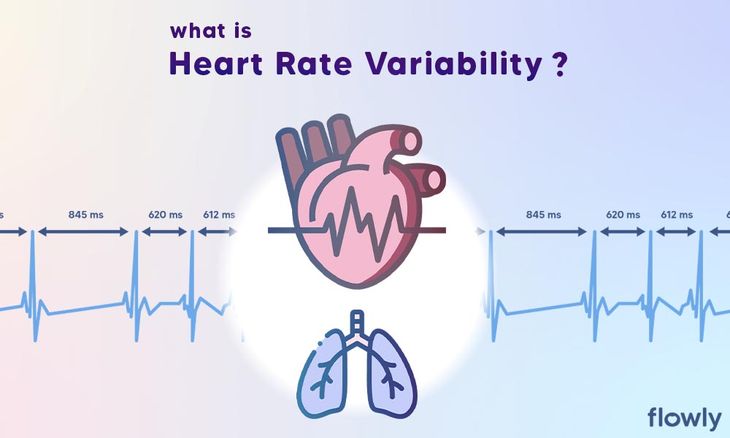
Heart rate variability represents the microsecond fluctuations in time between each consecutive heartbeat.
Rather than beating at a completely rigid pace, a healthy heart naturally adjusts its rhythm with every breath.
These tiny shifts reflect the constant communication between your brain and your cardiovascular system.
Maintaining a healthy hrv indicates that your heart can transition fluidly between periods of intense physical exertion and states of deep relaxation.
This biological rhythm concerns anyone seeking to track stress, athletic recovery, or overall cardiac performance.
Whether you are a busy office worker experiencing daily occupational fatigue or a tech enthusiast looking to optimize sleep, these metrics offer a direct window into your physiological health.
Understanding these variables is especially vital for individuals experiencing chronic physical fatigue or poor sleep quality.
By assessing average heart rate variability by age, you can gain a realistic perspective on how your personal cardiovascular trends align with broader clinical baselines.
This metric carries immense value during physical training, high-stress projects, and overnight rest cycles.
During sleep, the parasympathetic nervous system takes over to restore cellular tissue, lower blood pressure, and stabilize breathing.
Analyzing your overnight hrv by age allows you to evaluate how effectively your body recovers from daily psychological and physical stressors.
Monitoring these trends consistently ensures that you do not inadvertently push your body into state of overtraining or chronic systemic exhaustion.
These changes take place primarily within the heart’s sinoatrial node, which is regulated by the autonomic nervous system.
Your autonomic nervous system controls all of your body’s involuntary actions, including digestion, pupil dilation, and cardiac pacing.
The neural pathways that control this node originate in the brainstem and travel down through the vagus nerve.
As you inhale, parasympathetic influence decreases, which causes your heart rate to accelerate slightly.
As you exhale, the vagus nerve releases acetylcholine, which slows the cardiac pace and increases the timing gap between beats.
This variation occurs because your body is constantly balancing the contrasting forces of survival and recovery.
The sympathetic nervous system acts as an accelerator, preparing your tissues for immediate physical action during perceived emergencies.
The parasympathetic nervous system acts as a brake, preserving energy and facilitating cellular repairs when you are safe.
When these two networks are balanced, your heart rate remains highly responsive, resulting in a robust, elevated variability score.
If one system dominates due to unresolved stress or illness, the rhythm becomes rigid, causing your overall variability score to drop.
Medical sensors track this autonomic balance by measuring the R-to-R intervals on an electrocardiogram wave.
Modern wearables utilize photoplethysmography technology to detect blood volume changes in the capillaries under your skin.
These optical sensors emit light and analyze how much light is absorbed by the pulsing blood vessels.
Advanced digital microprocessors then calculate the mathematical variance between consecutive blood pulses in milliseconds.
By translating these pulse timings into a daily trend, the device reveals how your nervous system reacts to external stressors.
Typical readings for healthy adults generally range anywhere from 20 milliseconds to well over 100 milliseconds.
A higher score typically points to a well-rested cardiovascular system that is ready for physical activity.
Conversely, a lower score suggests that your body is currently redirecting its resources to fight off stress, dehydration, or illness.
Because these numbers are highly individual, looking for an ideal hrv baseline is more productive than comparing your raw score to others.
If you want to track this in real time, the Herz P1 Smart Ring monitors heart rate variability 24/7 — explore it here.
What Your HRV Score Actually Tells You — And How to Improve It
Analyzing physiological biomarkers requires structured, expert-led data interpretation to ensure your readings are practical.
The American Heart Association notes that heart rate variability is one of the most reliable metrics for assessing cardiac stress resilience.
When evaluating biometric trends, clinical guidelines emphasize looking at standard time-domain measurements.
The most common metric utilized by wearable hardware is the root mean square of successive differences, often abbreviated as RMSSD.
This calculation isolates rapid, high-frequency changes in heart rhythm that are heavily driven by parasympathetic vagal activity.
To establish a clear reference, users should evaluate a standard baseline of normal heart rate variability by age before making conclusions about their health.
As the human body ages, its natural cardiac pacing pathways undergo physiological changes.
Elasticity within blood vessels declines, and autonomic receptor sensitivity shifts over time.
This natural progression means that younger individuals generally experience much higher average heart rate variability values than older adults.
A typical metric for a healthy twenty-year-old might hover between 55 and 105 milliseconds.
By the time an individual reaches sixty, a normal baseline often settles between 20 and 45 milliseconds.
Understanding these distinct phases helps you avoid comparing your numbers with younger athletes, keeping your health goals realistic.
Establishing these metrics requires daily tracking over several weeks to account for normal biological variance.
Your typical hrv by age serves as a personal baseline from which daily physical readiness can be calculated.
If you notice a sudden, sustained drop below your established average, it can serve as an early indicator of bodily strain.
This strain could stem from lack of sleep, poor hydration, or even an impending viral infection before symptoms actively show.
By tracking these subtle shifts, you can adjust your physical load and prioritize rest before systemic fatigue sets in.
Continuous monitoring also helps you track how your nervous system responds to positive lifestyle adjustments.
Implementing targeted diaphragmatic breathing exercises can rapidly activate parasympathetic vagal pathways.
Reducing late-night alcohol consumption and avoiding heavy meals close to bedtime also yields substantial improvements.
Over time, these deliberate choices help support a more resilient, adaptive cardiorespiratory profile.
With the Herz P1 Smart Ring, tracking these long-term trends is entirely seamless, presenting your daily statistics in intuitive visual logs.
The Science of Overnight Biometrics: Rest, Recovery, and Sleep Stages

Sleep is not merely a passive state of rest but an active, highly structured neurological recovery process.
The National Sleep Foundation emphasizes that high-quality sleep is crucial for metabolic balance, cellular repair, and mental clarity.
During a normal night, your body cycles through light sleep, deep sleep, and Rapid Eye Movement (REM) phases.
Each sleep stage exerts a distinct physical influence on your autonomic nervous system and cardiac pacing.
During deep, slow-wave sleep, your parasympathetic nervous system reaches its highest state of activity.
This activation causes your pulse to slow down, blood vessels to dilate, and heart rate variability to rise to its peak.
Evaluating your average sleep hrv provides a clear picture of how deeply your body is recovering overnight.
If your sleep is disrupted by noise, temperature spikes, or high blood sugar, your body remains stuck in a sympathetic state.
This persistent tension keeps your resting heart rate elevated and causes your nighttime variability metrics to plunge.
Chronically low overnight readings serve as an early warning sign that your body is not getting enough deep, restorative rest.
By tracking these trends over time, you can pinpoint and correct the environmental factors that are disrupting your recovery.
The relationship between cardiovascular biometrics and sleep stages highlights the value of high-precision wearable sensors.
Many smartwatches struggle to gather clean optical data during sleep because wrist movement can displace the sensors.
The finger base offers a much more stable location for tracking because it has a dense network of accessible capillaries.
Our multispectral PPG sensor utilizes green, red, and infrared wavelengths to capture precise cardiovascular data throughout the night.
This multi-wavelength technology allows the Herz P1 to map out your sleep stages with exceptional accuracy, matching medical-grade equipment.
By reviewing your sleep reports, you can easily correlate your daily habits with your overnight biometric recovery.
For instance, you might discover that a late-evening workout keeps your sympathetic nervous system active long after you fall asleep.
This persistent strain shows up clearly in your data as a delayed drop in your resting heart rate and a low HRV score.
With these insights, you can shift your workouts to earlier in the day to give your body ample time to wind down.
This subtle adjustment helps ensure that your heart can transition smoothly into a restorative parasympathetic state the moment you close your eyes.
How to Read Your Biometrics and Optimize Your Daily Recovery
To get the most out of your Herz P1 Smart Ring, you should integrate its data into your daily wellness routine.
When you wake up, open the companion application to sync the data gathered during the night.
The app will present you with a unified recovery score that combines your sleep quality, resting heart rate, and overnight HRV trends.
If your recovery score is high, it indicates that your cardiorespiratory system is fully rested and prepared for physical challenges.
This is the perfect day to take on a high-intensity workout, start a demanding project, or tackle a busy schedule.
If your recovery score is notably low, it suggests that your autonomic nervous system is currently under stress.
On these days, pushing your body through a grueling workout can delay your recovery and increase your risk of fatigue.
Instead, consider opting for a lighter recovery session, such as a gentle walk, yoga, or prioritizing an early bedtime.
By listening to these physiological cues, you can train smarter, prevent burnout, and build long-term cardiorespiratory resilience.
Over time, checking your data will help you understand the unique baseline patterns that shape your physiological health.
To help you understand how your metrics align with general standards, here is a breakdown of average ranges by age group:
| Age Range | Typical HRV (ms) | Target Sleep HRV (ms) |
|---|---|---|
| 20 – 29 Years | 55 – 105 ms | 60 – 110 ms |
| 30 – 39 Years | 45 – 85 ms | 50 – 90 ms |
| 40 – 49 Years | 35 – 75 ms | 40 – 80 ms |
| 50 – 59 Years | 25 – 55 ms | 30 – 60 ms |
| 60+ Years | 20 – 45 ms | 25 – 50 ms |
By comparing your personal trends to these guidelines, you can gain a realistic understanding of your autonomic health.
Remember that your individual hrv levels by age are shaped by genetics, fitness levels, and daily lifestyle habits.
Rather than aiming for an arbitrary number, focus on maintaining a stable, healthy baseline relative to your personal age range.
Common Biometric Tracking Mistakes: Bulky Watches and Hidden Subscriptions
Many health-conscious individuals unintentionally compromise their sleep quality by wearing bulky smartwatches to bed.
These large, heavy devices often press uncomfortably into your wrist, causing minor sleep disruptions that you might not even remember.
Additionally, smartwatches must be charged almost daily, which often leads to tracking gaps during the night when you need it most.
The Herz P1 Smart Ring solves this problem with its lightweight, military-grade steel design that weighs only 3.5 grams.
It sits comfortably on your finger, providing continuous tracking throughout the night without disrupting your sleep.
Another major frustration in the wearable market is the unexpected cost of monthly app subscriptions.
Several premium brands charge up to seventy dollars a year just to let you view the physical data your device collected.
At Team Herz P1, we believe that your personal health data should always belong to you, without any hidden paywalls.
Our companion app is completely free for life, providing full access to your sleep stages, stress trends, and HRV analytics.
By choosing our subscription-free smart ring, you invest in a lifetime of continuous health tracking without any ongoing fees.
Frequently Asked Questions
Yes, the Herz P1 Smart Ring is fully IP68 waterproof, certifying that it can handle deep water immersion up to 164 feet.
This high rating ensures you can wear your ring during swim workouts, hot showers, and daily hand washing without worry.
The ring’s seamless steel shell and hermetic resin seal completely protect the internal sensors from water damage.
The Herz P1 Smart Ring features a high-density battery that delivers up to 6 days of continuous 24/7 tracking.
When the battery runs low, you can recharge the device to full capacity in under one hour using the magnetic charging base.
This extended battery life ensures you never have to worry about missing crucial overnight sleep stage or cardiac recovery data.
For the highest biometric accuracy, we recommend wearing the Herz P1 Smart Ring on your index, middle, or ring finger.
These three fingers contain a dense network of surface capillaries, which helps our optical sensors capture clean PPG data.
Be sure to select a finger that allows the ring to fit snugly against the skin without feeling overly tight or restrictive.
Yes, the Herz P1 has built-in flash memory that securely stores up to 7 days of raw biometric data offline.
This feature allows you to travel, exercise, or sleep without keeping your phone constantly connected via Bluetooth.
The moment you open the app near your ring, your stored data will automatically sync in chronological order.
Conclusion
Monitoring your heart rate variability with the Herz P1 Smart Ring is a highly effective way to understand your daily stress and sleep patterns.
By mapping your autonomic trends over time, you can make informed decisions that support your long-term cardiorespiratory health.
Ready to monitor your health every day? Explore the Herz P1 Smart Ring and see if it fits your lifestyle. Call: 1-866-479-1629 — our team can help you advise on the correct ring size and set personalized health goals.
