

Research from the Journal of Clinical Sleep Medicine indicates that tracking your average sleep hrv serves as the ultimate diagnostic window into your autonomic nervous system’s overnight recovery quality. If you wake up feeling chronically exhausted despite spending eight hours in bed, your body is likely struggling to transition into a restorative parasympathetic state. The subscription-free Herz P1 Smart Ring continuously monitors these micro-fluctuations to decode your true physical recovery readiness.
Built to Last. Save Up to 69% Today.
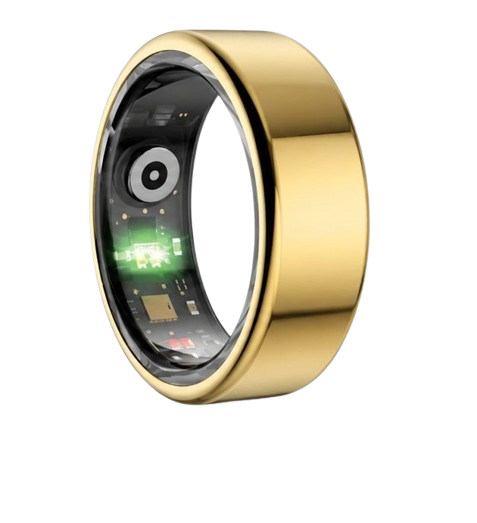
The Herz P1 Smart Ring tracks HRV, Sleep, Heart Rate & SpO2 around the clock. No subscriptions. No renewals. Ever.
In This Article
- Step-by-Step Recovery Optimization: Learn exactly how to establish, measure, and scale your personal overnight heart rate variability.
- Understanding Your Sleeping HRV Chart: Discover the deep physiological signals your body sends during sleep cycles.
- Age and Gender Baselines Demystified: Compare your metrics against peer-reviewed demographic data tables.
- Practical Application Protocols: Master how to interpret your smart ring dashboards to make active daily decisions.
- Avoiding Wearable Pitfalls: Find out why bulky smartwatches and heavy apps fail where lightweight rings succeed.
How to Establish and Optimize Your Average Sleep HRV: A Step-by-Step Guide

To begin optimizing your overnight recovery, you must understand that heart rate variability is not a static number but a highly sensitive physiological marker.
Establishing an accurate baseline requires consistent, uninterrupted tracking under identical physiological conditions each night.
Below is a precise, five-step tutorial designed to help you capture, analyze, and systematically improve your overnight autonomic recovery metrics.
Step 1: Establish Your True Biometric Baseline
Wear your health-tracking device continuously for a minimum of ten consecutive nights without altering your standard routines.
Your body needs this initial calibration period to map out your unique autonomic signature away from isolated daily stresses.
Make sure to record your daily physical activities during this initial phase to identify immediate correlation trends.
Avoid changing your sleep environment or evening habits during this ten-day window so the raw baseline data remains clean.
Step 2: Align Your Circadian Rhythm
Go to bed and wake up at the exact same time every day, including on weekends, with a tolerance window of no more than thirty minutes.
This stability directly supports your biological clock, which in turn reduces nighttime cardiovascular stress and stabilizes your heart rate.
Irregular sleeping schedules force your nervous system into a state of constant readjustment, which suppresses parasympathetic activity.
By keeping your schedule consistent, your heart has a predictable environment to enter deeper, more restorative recovery cycles.
Step 3: Trigger Parasympathetic Dominance Before Bed
Engage in a dedicated twenty-minute wind-down routine consisting of deep diaphragmatic breathing or light progressive muscle relaxation.
This simple practice down-regulates the sympathetic nervous system, clearing the way for your heart rate to drop quickly after sleep onset.
Lowering your physiological arousal before head-to-pillow contact ensures that your early sleep cycles yield immediate recovery dividends.
Eliminate all bright screens and high-stress work activities during this period to prevent cortisol spikes that suppress overnight HRV.
Step 4: Establish a Strict Evening Dietary and Alcohol Cutoff
Stop consuming all solid foods at least three hours before bedtime, and completely avoid alcohol for at least six hours prior to sleep.
Digestion requires massive blood flow redirection to your gastrointestinal tract, which elevates your resting heart rate and lowers HRV.
Alcohol acts as a direct neural toxin that dramatically excites your sympathetic nervous system, ruining your early-night recovery data.
By allowing your digestive system to rest before sleep, your body can dedicate its precious resources entirely to systemic repair.
Step 5: Review Weekly Biometric Trends and Adjust Daily Loads
Evaluate your rolling seven-day averages rather than reacting to single-night spikes or drops in your recovery metrics.
If your weekly average drops below your established baseline by more than fifteen percent, proactively reduce your physical and mental demands.
Use these trends to design your exercise intensity, work projects, and rest periods with objective, data-backed precision.
This systemic approach ensures that you never push your body into state of overtraining or chronic, unresolved physical stress.
Integrating the Herz P1 Smart Ring into this protocol makes capturing your baseline completely effortless.
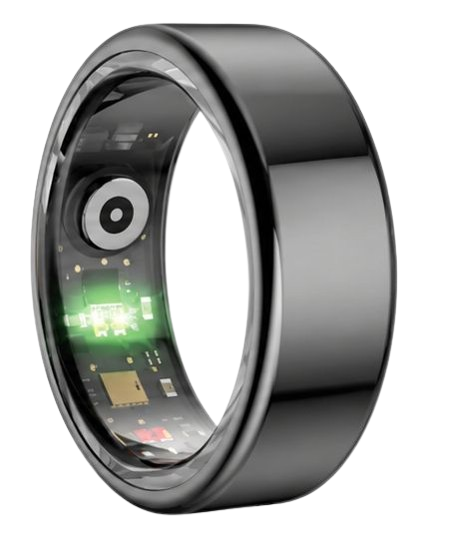
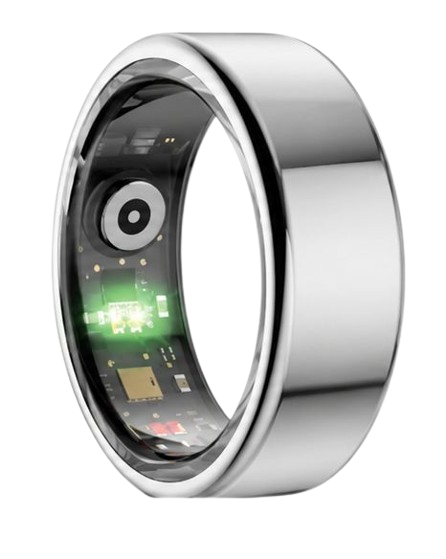
With its ultra-lightweight design and military-grade steel build, it sits comfortably on your finger all night, delivering lab-grade accuracy without the bulk of a typical smartwatch.
90-Day 100% Money-Back Guarantee
“The Herz Smart Ring helps me manage stress easily. It’s accurate, stylish, and lightweight—perfect for my busy life!”
— Jennifer P. | ✔ Verified Customer
- ✓ 6-Day Battery Life
- ✓ Detailed Sleep Analysis
- ✓ Fast 1-Hour Charging
- ✓ iOS & Android Ready
Questions? Call: 1-866-479-1629
Understanding Your Sleeping HRV Chart: The Physiology of Autonomic Recovery
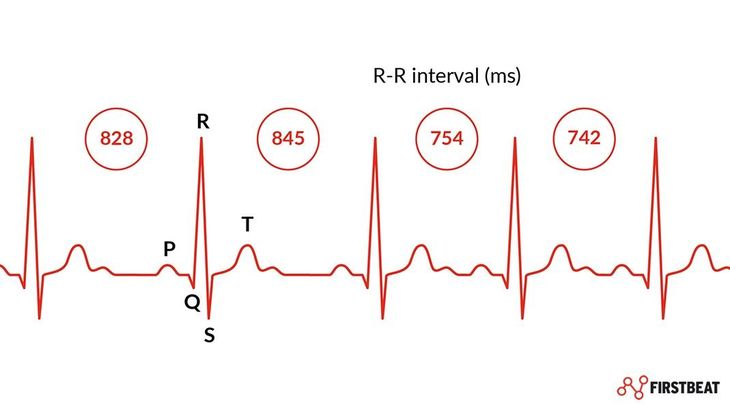
To accurately read a sleeping hrv chart, you must look closely at how your autonomic nervous system balances its two primary divisions during the night.
A healthy chart displays a gradual, upward trend in variability as you progress through successive sleep cycles.
This upward curve signals that your parasympathetic branch has taken full control of your cardiovascular system, allowing your heart muscle to rest and recover deeply.
Conversely, a flat or declining trend line suggests that your sympathetic system remains highly active, leaving you vulnerable to poor physical recovery and daytime fatigue.
The Autonomic Nervous System’s Night Shift
During daylight hours, your sympathetic nervous system drives your fight-or-flight responses to help you meet work and physical challenges.
Once you fall asleep, your parasympathetic nervous system should naturally take over to slow your heart rate and stimulate cellular repair.
This shift allows you to achieve a state of good hrv while sleeping, which indicates excellent cardiac adaptability.
If your body fails to make this crucial transition, your heart rate remains elevated and your overall recovery scores plummet.
Continuous monitoring with optical sensors reveals exactly when and why these vital transitions might be blocked during the night.
Deciphering the RMSSD Metric in Your Sleep Logs
The primary statistical index used to quantify hrv during sleep is RMSSD, which measures successive differences between heartbeats in milliseconds.
A higher RMSSD value indicates robust parasympathetic activity, showing that your body is actively recovering from physical and mental stress.
Medical experts focus heavily on this metric because it correlates directly with lower systemic inflammation and improved cardiovascular health.
By understanding what is hrv during sleep, you can pinpoint exactly how daily activities impact your heart’s ability to heal.
Tracking this specific value over time allows you to make informed, proactive adjustments to your training, diet, and lifestyle.
What Is a Good Average Overnight HRV? Age and Lifestyle Baselines Explained
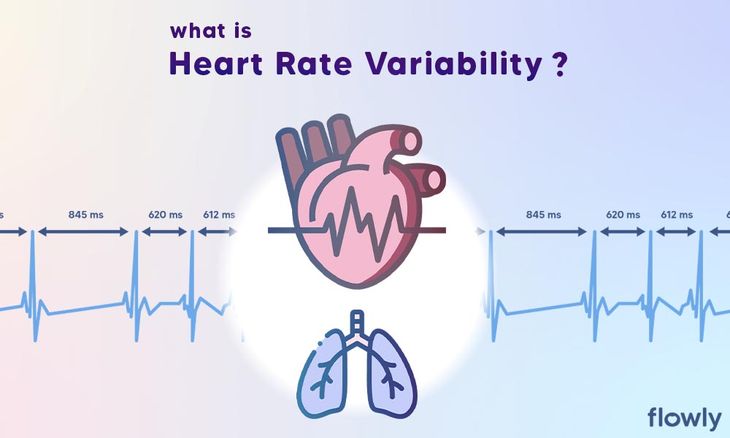
When analyzing your average sleeping hrv, you must recognize that there is no universal number that defines perfect health.
Your baseline is highly individual and is deeply influenced by your genetics, age, fitness level, and current lifestyle habits.
Instead of comparing your scores to others, you should focus on tracking deviations from your personal historical averages.
This approach allows you to identify true physiological recovery trends without getting distracted by normal demographic differences.
How Age and Gender Shape Your Recovery Metrics
As we get older, our natural autonomic flexibility decreases, which causes a gradual, expected decline in our nightly metrics.
Referencing a reliable chart of average sleeping hrv by age helps you contextualize your scores within your specific demographic peer group.
Similarly, analyzing data on the average overnight hrv by age shows that younger individuals generally maintain much wider heart rate fluctuations.
Understanding these biological parameters prevents unnecessary anxiety when comparing your metrics to younger athletes.
Maintaining a healthy lifestyle can significantly slow down this age-related decline, keeping your recovery capacity high for decades.
Comparative Analysis Table: HRV and Recovery Metrics
To help you understand where your numbers stand, we have compiled a detailed reference table based on clinical averages.
This table compares different age groups, typical ranges, and what those numbers say about autonomic nervous system balance.
| Age Range | Typical Overnight RMSSD Range (ms) | Autonomic Balance Indicator |
|---|---|---|
| 20–29 Years | 55–85 ms | High autonomic reserve; rapid parasympathetic rebound. |
| 30–39 Years | 40–70 ms | Moderate-high reserve; sensitive to daily lifestyle choices. |
| 40–49 Years | 30–55 ms | Moderate reserve; requires active recovery management. |
| 50–59 Years | 25–45 ms | Lower reserve; consistent sleep hygiene is highly critical. |
| 60+ Years | 15–35 ms | Standard age-related baseline; focus on trend stability. |
Regardless of your demographic group, maintaining a steady average hrv is a clear sign of cardiovascular resilience.
If you want to dive deeper into general ranges, consult this comprehensive guide on normal heart rate variability by age.
By keeping an eye on these age-adjusted values, you can set realistic, healthy recovery goals that align perfectly with your body’s natural biology.
Transforming Biometric Data Into Daily Recovery Action
Having access to raw biological data is only useful if you know how to translate it into active, daily lifestyle adjustments.
The companion app for the Herz P1 Smart Ring processes your physiological signals to deliver a clear, daily sleep and recovery score.
If your overnight chart shows a steady, high level of nighttime heart rate variability, your body is primed for high-intensity physical and mental challenges.
On these high-scoring days, you can confidently push your athletic training limits or tackle demanding, high-focus work projects.
Conversely, a noticeable dip in your metrics serves as a clear signal from your autonomic nervous system to prioritize rest and active recovery.
By listening to these real-time signals, you can avoid chronic fatigue and drastically reduce your risk of physical injury.
The sleek, low-profile design of our smart ring ensures comfortable, non-intrusive monitoring all day and all night.
This continuous tracking loop provides a seamless stream of recovery insights without ever disrupting your busy schedule.
Avoiding Common Biometric Wearable Traps
Many health-conscious individuals struggle to track their metrics accurately because they choose bulky, high-maintenance devices.
Wearing a heavy, bright smartwatch to bed often disrupts sleep stages, directly skewing your overnight cardiovascular data.
Additionally, many wearable brands trap your personal biometric data behind expensive, ongoing monthly subscription walls.
We believe that you should never have to pay a recurring fee to access your own physiological information.
The Herz P1 Smart Ring offers a lifetime of detailed health tracking with zero hidden fees or app subscription charges.
Our companion application is completely free forever, ensuring that your journey to better health remains simple and affordable.
Furthermore, our military-grade steel construction guarantees that your device can easily handle the demands of workouts and daily life.
With a water-resistant rating of IP68, you can wear your ring in the shower, pool, or heavy rain without a second thought.
FAQ: Frequently Asked Questions on Sleep HRV and Herz P1
Is the Herz P1 Smart Ring fully waterproof?
Yes, the Herz P1 has an IP68 waterproof rating, which means it can be safely submerged in water up to 164 feet deep.
You can confidently wear it while swimming laps, taking hot showers, washing dishes, or relaxing in a sauna.
Our hermetically sealed steel design ensures that moisture never damages the delicate internal sensor arrays.
How long does the battery last on a single charge?
Our advanced power-saving technology allows the Herz P1 to run for up to six days on a single charge.
When the battery runs low, you can charge it back to one hundred percent in under one hour using the included magnetic dock.
This extended battery life minimizes data tracking gaps, ensuring you get a complete picture of your weekly health trends.
Which finger is best for wearing the smart ring?
We recommend wearing the Herz P1 on your index, middle, or ring finger of your non-dominant hand for maximum signal accuracy.
These fingers have optimal blood vessel density, which allows our optical sensors to capture highly precise PPG readings.
Ensure the inner sensor bumps sit flush against the palm side of your finger to maintain constant, stable skin contact.
Can the ring store my health data offline?
Yes, the Herz P1 features built-in storage that can safely hold up to seven days of biometric data offline.
You do not need to keep your smartphone nearby or connected to Bluetooth while you sleep or work out.
The next time you open the companion app, your stored data will automatically sync and update your recovery charts.
Conclusion: Unlock Your True Physical Potential
Monitoring your overnight heart rate variability is the most effective way to understand your body’s true recovery and stress levels.
By tracking these metrics consistently, you can make smarter, healthier decisions that enhance your sleep, workouts, and daily energy.
The Herz P1 Smart Ring provides the accurate, subscription-free health insights you need to take full control of your wellness journey.
Ready to monitor your health every day? Explore the Herz P1 Smart Ring and see if it fits your lifestyle. Call: 1-866-479-1629 — our team can help you advise on the correct ring size and set personalized health goals.
