

Recent clinical research shows that tracking a healthy hrv provides deep insights into your cardiovascular health, athletic recovery, and autonomic balance. The sleek Herz P1 Smart Ring continuously monitors these biometric patterns without bulky designs or subscription fees, helping you decode stress and sleep metrics to make positive changes today.
Built to Last. Save Up to 69% Today.
The Herz P1 Smart Ring tracks HRV, Sleep, Heart Rate & SpO2 around the clock. No subscriptions. No renewals. Ever.

In This Article
- A Step-by-Step Optimization Guide: Learn how to safely track and improve your heart rate variability.
- Physiological Analysis: Understand the science behind autonomic nervous system balance.
- Age and Gender Metrics: Reference standard normal ranges across different age groups.
- Real-world Application: Translate physical data into daily lifestyle improvements.
How to Optimize Your Heart Rate Variability: A Step-by-Step Guide to a Healthy HRV
Prerequisites / What You’ll Need
Before you begin this journey to optimize your autonomic nervous system, you must have the right tools.
First, you need a highly accurate, continuous biometric tracker that reads heart rate data during sleep.
Second, you must commit to tracking your metrics consistently to build a reliable personal baseline.
Finally, you must be willing to make small adjustments to your daily sleep, hydration, and exercise routines.
-
Step 1: Establish Your Baseline Trend
You cannot evaluate your cardiovascular health without a solid physiological baseline.
Heart rate variability is a highly unique biometric that differs dramatically from person to person.
A score that indicates extreme fatigue for one person might represent peak recovery for another.
This is why you must track your data consistently for at least fourteen days to discover your normal range.
Once you have gathered this historical data, you will understand your actual good hrv numbers with confidence.
Many users make the mistake of comparing their daily numbers to online averages instead of their own history.
Your personal baseline is the only metric that truly matters for tracking long-term recovery trends.
Using a high-quality tracking ring makes this continuous, non-intrusive baseline collection incredibly simple.
-
Step 2: Synchronize Your Circadian Rhythm
Your autonomic nervous system relies heavily on a predictable internal master clock.
Going to bed and waking up at the exact same time every day stabilizes your nervous system.
This consistency allows your parasympathetic branch to activate fully during your deepest sleep stages.
When your sleep schedule fluctuates wildly, your body remains in a subtle state of alert.
This chronic biological stress directly suppresses your nocturnal heart rate variability scores.
To fix this, set a strict bedtime window that does not vary by more than thirty minutes.
Exposure to bright natural sunlight within an hour of waking also helps lock in this biological rhythm.
Consistency in sleep timing is often more powerful for autonomic recovery than sleep duration alone.
-
Step 3: Integrate Zone 2 Cardiovascular Training
Low-intensity aerobic exercise is a highly effective way to strengthen your parasympathetic nervous system.
Zone 2 training refers to exercise where you can still maintain a steady conversation without gasping.
This level of effort stimulates mitochondrial health and increases your heart’s stroke volume.
Unlike high-intensity workouts, Zone 2 exercise does not place a massive stress load on your body.
Aim for at least one hundred and fifty minutes of low-intensity aerobic activity every week.
You can achieve this through brisk walking, steady cycling, or light rowing sessions.
This consistent aerobic conditioning gradually trains your heart to return to a relaxed state quickly.
By prioritizing gentle aerobic conditioning, you build a resilient heart that handles stress with ease.
-
Step 4: Practice Resonance Frequency Breathing
You can directly influence your autonomic nervous system through conscious, controlled breathwork.
Resonance frequency breathing involves taking exactly six deep breaths per minute.
This specific pace maximizes the natural synchrony between your heart rate and your respiratory cycle.
To do this, inhale slowly through your nose for a count of five seconds.
Then, exhale gently through pursed lips for another count of five seconds.
Perform this simple breathing exercise for just ten minutes every afternoon.
This practice immediately stimulates your vagus nerve to send calming signals to your heart.
Consistent daily breathwork acts like a strength training workout for your parasympathetic nervous system.
-
Step 5: Monitor and Adjust Daily Load
To maintain a highly resilient nervous system, you must balance stress with adequate physical recovery.
When you see a significant drop in your morning metrics, consider reducing your physical workload.
A suppressed autonomic score is a clear warning sign that your body is still processing stress.
Ignoring these warning signs can easily lead to physical burnout or subclinical illness.
On high-recovery days, you can confidently push your body with intense workouts or complex tasks.
Adjusting your daily efforts based on actual biometric data is the key to long-term physical progress.
This customized approach allows you to achieve an optimal hrv for your specific lifestyle goals.
Your biometric tracker provides the objective clarity you need to make these smart daily decisions.
How the Herz P1 Smart Ring Supports Your Recovery Goals
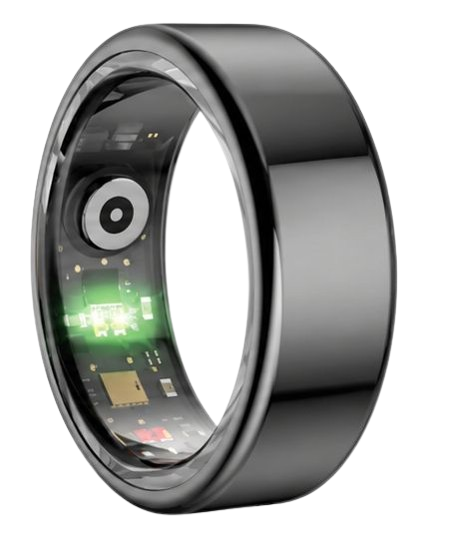
The Herz P1 Smart Ring makes this entire optimization process effortless and highly actionable.
With its premium military-grade steel construction and IP68 waterproof design, it stays on your finger 24/7 without discomfort.
The ring automatically records your autonomic trends while you sleep, delivering a clear recovery score every morning.
Best of all, you get full access to these deep physiological insights with absolutely zero monthly subscription fees.
90-Day 100% Money-Back Guarantee
“The Herz Smart Ring helps me manage stress easily. It’s accurate, stylish, and lightweight—perfect for my busy life!”
— Jennifer P. | ✔ Verified Customer
- ✓ 6-Day Battery Life
- ✓ Detailed Sleep Analysis
- ✓ Fast 1-Hour Charging
- ✓ iOS & Android Ready
Questions? Call: 1-866-479-1629
Decoding the Physiology of Heart Rate Variability and Autonomic Nervous System Balance
What Your HRV Score Actually Tells You
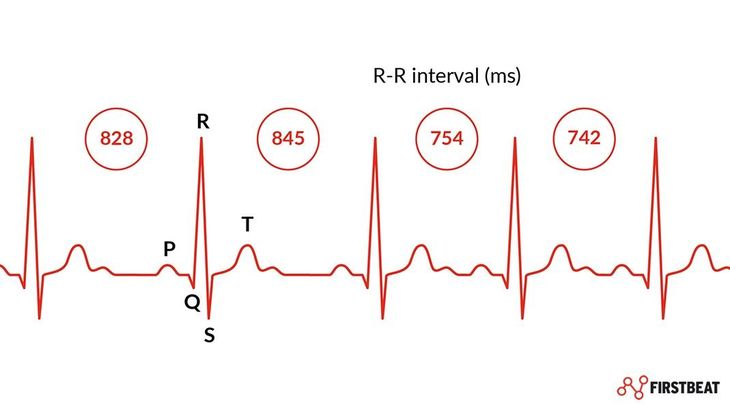
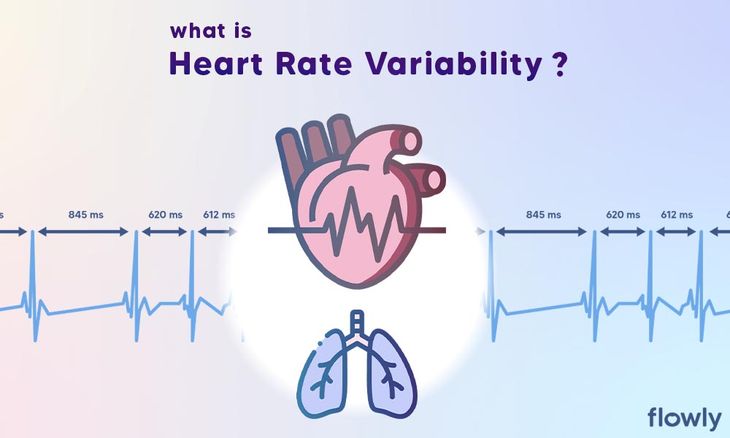
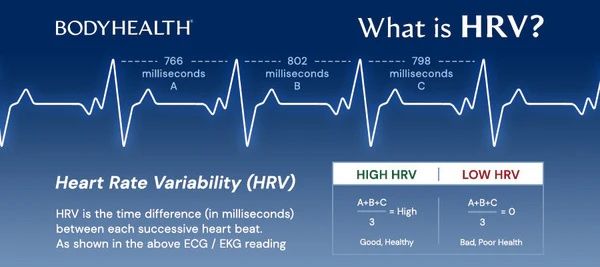
Your heart does not beat with the perfect regularity of a mechanical metronome.
There are tiny, millisecond-level differences in the time intervals between each successive heartbeat.
This variation is known as heart rate variability, and it is a direct window into your autonomic nervous system.
Your autonomic nervous system is divided into two main branches: the sympathetic and parasympathetic systems.
The sympathetic branch acts like an accelerator pedal, preparing your body for action or stress.
The parasympathetic branch acts like a brake pedal, promoting relaxation, digestion, and recovery.
To understand your unique patterns, you must ask yourself: what should your hrv be based on your lifestyle?
By tracking this metric continuously, you can easily identify which habits support your recovery and which ones deplete you.
Understanding the Science of RMSSD vs. SDNN
When you look at your biometric data, you may encounter complex terms like RMSSD and SDNN.
These are two different mathematical methods used to calculate heart rate variability in milliseconds.
RMSSD stands for the root mean square of successive differences between adjacent heartbeats.
This metric focuses primarily on short-term variations and is a strong indicator of parasympathetic activity.
SDNN stands for the standard deviation of all normal inter-beat intervals over a specific period.
This metric is often used to look at overall autonomic balance over longer timeframes, like an entire day.
Most modern wearable devices, including smart rings, use RMSSD because it is highly reliable during sleep.
Understanding the difference between high vs low hrv calculations helps you make sense of your daily reports.
Checking Your Healthy Heart Rate Variability Range by Age and Gender
It is natural to wonder how your biometric numbers compare to other healthy individuals in your age group.
However, heart rate variability naturally declines as we grow older due to normal aging processes.
To understand where you stand, you should first ask: whats a normal hrv for someone in my age bracket?
Gender also plays a minor role, with adult males often showing slightly higher raw numbers than adult females of the same age.
What matters most is how your daily numbers fluctuate compared to your personal, historical ideal hrv baseline.
To help you visualize these typical trends, we have compiled a detailed, age-based hrv scale reference table below.
This table reflects general, peer-reviewed clinical averages and should be used purely for general guidance.
A stable baseline indicates that your nervous system is handling your current life load effectively.
| Age Range | Typical Female HRV (ms) | Typical Male HRV (ms) |
|---|---|---|
| 18 – 25 Years | 55 – 85 | 60 – 90 |
| 26 – 35 Years | 45 – 75 | 50 – 80 |
| 36 – 45 Years | 35 – 60 | 40 – 65 |
| 46 – 55 Years | 25 – 45 | 30 – 50 |
| 56 – 65 Years | 18 – 35 | 22 – 40 |
| Over 65 Years | 12 – 25 | 15 – 30 |
How to Use Herz P1 Biometric Metrics to Drive Daily Lifestyle Choices
Tracking your biometrics with the Herz P1 Smart Ring provides you with actionable daily intelligence.
Every morning, you can open the companion app to check your customized recovery dashboard.
If your morning metrics show a positive trend, you can confidently plan a challenging day ahead.
This is the perfect time to tackle tough workouts, long meetings, or intense creative projects.
When you see a negative trend, it is a clear sign to dial back your physical and mental efforts.
On these recovery days, focus on gentle stretching, extra hydration, and getting to bed thirty minutes early.
You will no longer have to guess: what is a good hrv score for my body today?
The Herz P1 App translates your raw millisecond data into a clear, intuitive recovery rating.
Common Pitfalls in Heart Rate Variability Tracking and How to Avoid Them
Many wellness enthusiasts fail to get accurate autonomic data due to a few common tracking mistakes.
The first major pitfall is wearing a bulky, heavy smartwatch to bed every night.
These large devices often shift during sleep, causing the optical sensors to lose contact with your skin.
This sensor movement leads to highly inaccurate nocturnal readings and frustrating data gaps.
Another common mistake is checking your metrics immediately after a highly stressful event.
Your autonomic numbers will naturally plummet during moments of acute stress, which is completely normal.
The final major pitfall is choosing a tracking platform with hidden monthly fees.
Many popular consumer brands lock your long-term biometric trends behind expensive app subscriptions.
Frequently Asked Questions About Heart Rate Variability and Smart Rings
Is the Herz P1 Smart Ring fully waterproof?
Yes, the Herz P1 features a highly durable IP68 waterproof rating.
This military-grade rating ensures the ring is completely waterproof up to a depth of one hundred and sixty-four feet.
You can confidently wear your ring while swimming, taking a shower, or washing your hands.
How long does the Herz P1 battery last on a single charge?
The advanced battery in the Herz P1 lasts up to six full days of continuous tracking.
This long battery life means you only need to charge your smart ring about once a week.
When the battery does run low, a full charge takes less than one hour to complete.
Which finger is the best choice for wearing the smart ring?
We highly recommend wearing the Herz P1 on your index, middle, or ring finger.
The blood vessels in these specific fingers are closer to the skin’s surface, which improves optical sensor reading quality.
For the absolute best results, choose your non-dominant hand to minimize minor daily wear and tear.
Does the Herz P1 store my biometric data offline?
Yes, the ring features advanced onboard storage that safely saves your biometric metrics offline.
It can store up to seven full days of continuous tracking data without needing to connect to your phone.
The next time you open the app, all of your offline data will sync automatically in seconds.
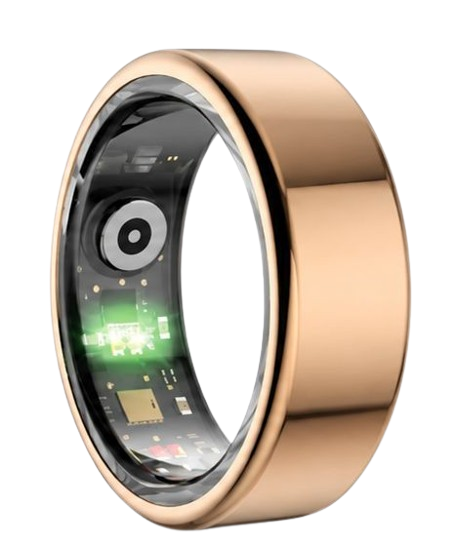
Embrace a Smarter Approach to Your Recovery
Tracking heart rate variability is the ultimate way to understand your daily stress and recovery.
The subscription-free Herz P1 Smart Ring makes monitoring your health effortless and elegant.
Explore the Herz P1 Smart Ring and see if it fits your lifestyle.
Call: 1-866-479-1629 for expert sizing advice and health goal coaching.
