

Achieving an optimal hrv is the ultimate goal for dedicated athletes striving to balance intense training with vital systemic recovery. Team Herz P1 designed the revolutionary Herz P1 smart ring to help you easily decode these critical biometric heart signals. This guide reveals how to track, interpret, and systematically improve your heart rate variability without subscription fees.
Built to Last. Save Up to 69% Today.
The Herz P1 Smart Ring tracks HRV, Sleep, Heart Rate & SpO2 around the clock. No subscriptions. No renewals. Ever.

In This Article
- Step-by-Step Recovery Optimization: Learn the exact steps to calculate and elevate your HRV for peak athletic performance.
- The Science of Athletic Variability: Explore what your unique heart metrics say about your autonomic nervous system and overtraining risks.
- Practical Smart Ring Tracking: Discover how 24/7 continuous monitoring with a subscription-free wearable transforms raw biometric data into actionable plans.
- Avoiding Common Training Mistakes: Overcome typical wearable pitfalls like bulky designs, poor sensor placement, and subscription fatigue.
How to Optimize Your Athletic HRV: A Step-by-Step Training and Recovery Guide
Prerequisites and Essential Tools
To successfully optimize your cardiac performance, you will need a continuous heart rate tracking device.
You should also maintain a stable training log to cross-reference with your daily physiological metrics.
Finally, commitment to a consistent morning routine is essential for capturing accurate data points.
-
Step 1: Determine Your Personal HRV Baseline
Establishing your unique physiological baseline is the critical first task for any athlete wanting to improve cardiac performance.
You must record your heart rate variability consistently for at least fourteen consecutive days without skipping a session.
This initial tracking window establishes a stable baseline representing your normal, healthy autonomic state under typical conditions.
Avoid comparing your daily scores with other athletes because cardiac biology is highly unique to each individual’s genetics and history.
Make sure to measure your biometrics at the exact same time every single morning to prevent raw data corruption from waking stress.
Your baseline will naturally shift over time as your physical conditioning improves and your heart becomes more resilient.
Understanding these historical patterns allows you to spot sudden, negative fluctuations before they develop into chronic injuries.
-
Step 2: Balance Weekly Training Loads
You should adjust your training volume and intensity dynamically based on your daily recovery score to prevent overtraining.
When your metrics drop significantly below your established baseline, prioritize active recovery, stretching, or complete rest.
Achieving an ideal hrv indicates your parasympathetic system is fully primed for high-intensity training sessions.
Never force a high-exertion workout when your body signals extreme systemic fatigue and low neural readiness.
This bio-feedback loop helps you optimize your weekly training cycles for maximum physiological adaptation.
Over time, training in harmony with your autonomic nervous system produces much faster performance gains.
It also prevents the mental burnout and physical injuries associated with pushing through extreme bodily fatigue.
-
Step 3: Master Guided Breathing Protocols
You should practice slow, controlled diaphragmatic breathing for at least five to ten minutes every single day.
Focus on a rhythmic breathing rate of approximately six breaths per minute to stimulate your vagal tone effectively.
This resonant breathing pattern immediately shifts your autonomic nervous system toward a dominant parasympathetic state.
Consistent daily breathwork acts as a powerful tool to accelerate physical recovery after grueling training sessions.
It lowers your resting heart rate and reduces circulating cortisol levels within minutes of completion.
You can perform this simple breathing exercise immediately after training or right before going to bed.
This practice trains your nervous system to transition quickly from high excitation to deep, restorative relaxation.
-
Step 4: Optimize Sleep Architecture
You need to establish a strict sleep schedule by going to bed and waking at identical times every day.
Prioritizing deep and rapid eye movement sleep cycles directly impacts your overnight cardiac and muscular recovery.
A healthy hrv relies heavily on the quality of your neurological restoration during overnight sleep.
Keep your sleeping environment cool, pitch-dark, and completely free from blue light digital screen disruptions.
Your heart rate variability naturally peaks during deep sleep stages when cellular repair mechanisms are highly active.
Disrupting these vital sleep architectures prevents your heart from fully recovering from daily training stressors.
Consistently achieving high-quality sleep is the absolute foundation of maintaining peak athletic preparedness.
-
Step 5: Hydrate and Refuel Strategically
You must maintain proper hydration levels because dehydration directly suppresses your cardiac variability and increases blood viscosity.
Consume balanced whole foods rich in essential micronutrients and antioxidants to support continuous muscle tissue repair.
Avoid drinking alcoholic beverages before bed as alcohol severely disrupts your natural nocturnal cardiac rhythms.
Track how different nutritional strategies and meal timings impact your next-morning readiness scores over time.
Consuming heavy meals too close to bedtime forces your body to divert blood flow to digestion instead of recovery.
This metabolic distraction results in elevated resting heart rates and significantly lower variability scores overnight.
Fueling your body with clean nutrients ensures your autonomic nervous system can focus entirely on cellular restoration.
The Herz P1 Smart Ring simplifies this entire process by tracking your heart metrics automatically while you sleep.
It helps you monitor your heart rate variability without the annoyance of wearing chest straps or bulky wrist trackers.
Our military-grade steel ring is designed to withstand your toughest workouts while keeping you comfortable twenty-four hours a day.
You can purchase the Herz P1 Smart Ring today to start tracking your body’s true recovery potential effortlessly.
90-Day 100% Money-Back Guarantee
“The Herz Smart Ring helps me manage stress easily. It’s accurate, stylish, and lightweight—perfect for my busy life!”
— Jennifer P. | ✔ Verified Customer
- ✓ 6-Day Battery Life
- ✓ Detailed Sleep Analysis
- ✓ Fast 1-Hour Charging
- ✓ iOS & Android Ready
Questions? Call: 1-866-479-1629
Demystifying Heart Rate Variability: What the Numbers Actually Mean for Athletes
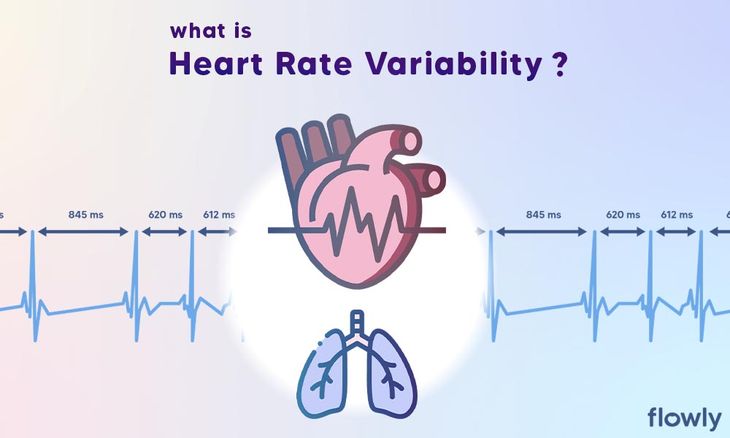
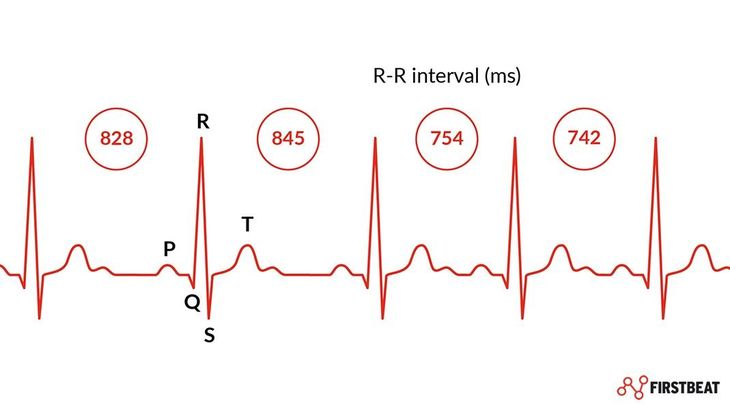
Heart rate variability represents the micro-fluctuations in time intervals between consecutive heartbeats.
The American Heart Association notes that these variations are controlled by your autonomic nervous system.
This intricate nervous system consists of the sympathetic branch and the parasympathetic branch.
The sympathetic branch acts as your body’s accelerator, driving the famous fight-or-flight response.
The parasympathetic branch acts as the brakes, promoting rest, recovery, and digestion.
When these two systems are in perfect balance, your heart rate variability increases.
Athletes often wonder, what is a good hrv score for performance training?
The answer is highly personalized because physiological baselines differ wildly between human bodies.
You might ask yourself, what should your hrv be during peak competitive seasons?
Instead of chasing arbitrary external metrics, you should focus on your personal historical trends.
Understanding good hrv numbers requires looking at weekly rolling averages rather than daily spikes.
A sudden drop in your average metric often warns of incoming illness or severe overtraining.
Conversely, stable or rising numbers indicate excellent adaptation to your current training stimulus.
The National Sleep Foundation confirms that deep neurological recovery during sleep is when these numbers rebuild.
During deep sleep and REM sleep, the parasympathetic system dominates to repair muscle fibers.
At the same time, maintaining optimal blood oxygen saturation levels ensures muscles receive adequate oxygen.
The Herz P1 Smart Ring continuously monitors both SpO2 and HRV to provide a complete picture of your health.
By analyzing these synchronized metrics, you can make highly informed decisions about your daily training volume.
A higher score indicates that your cardiovascular system is highly adaptive and resilient to stress.
A persistently low score suggests that your body is trapped in a chronic state of sympathetic dominance.
This state of exhaustion impairs your athletic progress, slows recovery, and increases injury risks.
Monitoring these trends with the Herz P1 Smart Ring helps you maintain perfect autonomic balance.
Analyzing the Athlete HRV Range: Normal vs. Elite Metrics
Athletes generally exhibit much higher heart rate variability scores than sedentary individuals.
This difference occurs because intense aerobic conditioning strengthens the vagus nerve and cardiac muscle efficiency.
When researching comparative metrics, you might ask, whats a normal hrv for active people?
For the average adult, normal scores typically range between twenty and eighty milliseconds.
However, elite endurance athletes often record scores well above one hundred milliseconds.
The highest heart rate variability scores are frequently found in Olympic-level cross-country skiers and runners.
These athletes have built incredibly resilient cardiovascular systems through years of zone two training.
To measure these values, researchers utilize different mathematical metrics on the hrv scale.
The most common metric used by wearable devices is RMSSD, or root mean square of successive differences.
This metric specifically reflects parasympathetic activity and is highly reliable during sleep.
A stable RMSSD trend indicates your body is handling the physical stress of exercise exceptionally well.
If you notice your scores trending downward over several days, it is a clear sign to reduce training volume.
Ignoring these warnings can lead to chronic fatigue, hormonal imbalances, and muscle damage.
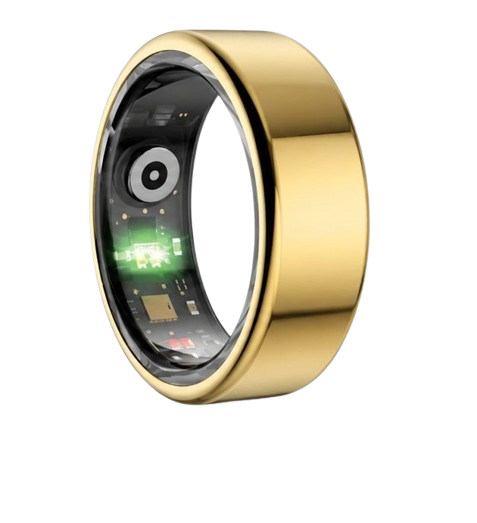
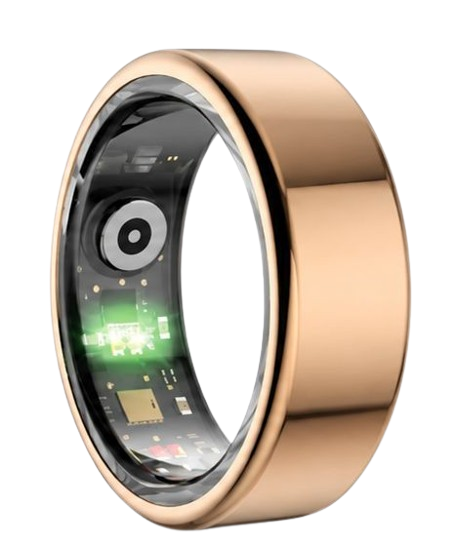
Team Herz P1 built a highly sensitive PPG sensor array to track these precise millisecond changes.
Our smart ring captures these delicate signals directly from the digital arteries in your finger.
This tracking methodology offers superior accuracy compared to standard wrist-based green light sensors.
This accurate insight allows you to fine-tune your training schedules with scientific precision.
Using these metrics protects your cardiovascular health from the dangers of chronic overtraining syndrome.
It transforms your raw biological signals into a clear road map for peak athletic performance.
Practical Application: Reading Your Recovery Data on the Herz P1 App

Translating raw numbers into daily habits is the key to unlocking athletic longevity.
The companion Herz P1 app organizes your physiological data into an intuitive daily readiness score.
This score combines your resting heart rate, sleep quality, and overnight cardiac variability trends.
When you open the app each morning, you immediately see whether your body is ready to perform.
If your readiness score is high, you can confidently tackle high-intensity intervals or heavy lifting.
If the app displays a low readiness score, you should pivot to light recovery work or stretching.
The comfort of your tracking device plays a massive role in maintaining consistent data collection.
Bulky smartwatches often cause discomfort when worn to bed, leading to missing sleep data.
The Herz P1 Smart Ring is crafted from ultra-lightweight, military-grade steel for maximum comfort.
You will barely feel it on your finger while you sleep or perform daily tasks.
Its sleek profile ensures you can collect accurate biometric data twenty-four hours a day, seven days a week.
Furthermore, our app requires absolutely zero monthly subscription fees to access your data.
All advanced analysis, trend charts, and recovery insights are yours to keep for a lifetime.
This seamless integration of comfort and technology empowers you to take charge of your wellness journey.
You no longer have to struggle with awkward straps or heavy wristbands during your workouts.
The Herz P1 Smart Ring acts as an invisible health companion that works quietly in the background.
Overcoming Tracking Pitfalls: Avoid These Common Biometric Mistakes
Many athletes make critical mistakes when choosing and using biometric wearables.
The most common mistake is attempting to track sleep quality with a heavy, bulky smartwatch.
These large devices frequently shift during the night, causing sensor misalignment and data gaps.
Additionally, the bright screens of smartwatches can accidentally illuminate, disrupting your deep sleep cycles.
Another major pitfall is falling into the hidden cost trap of monthly app subscriptions.
Several premium wearable brands lock your personal health data behind expensive monthly paywalls.
We believe your biological data belongs to you, which is why the Herz P1 App is completely free forever.
Another frequent error is wearing a smart ring that is too loose on the finger.
A loose ring rotates easily, moving the optical sensors away from the blood vessels.
To prevent this, use our complimentary sizing kit to find the perfect snug fit before ordering.
Make sure the sensor bumps on the inside of the ring always sit flat against the palm side of your finger.
Avoid washing your hands with harsh chemicals while wearing any metal smart ring to protect its finish.
Finally, do not panic over single-day biometric drops as long-term trends are much more valuable.
Consistency is the true secret to unlocking the full potential of your wearable health technology.
Herz P1 vs. Standard Biometric Wearables
Below is a direct factual comparison showing how the Herz P1 Smart Ring compares to traditional trackers.
| Biometric Feature | Herz P1 Smart Ring | Standard Competitors |
|---|---|---|
| Monthly Subscription Fee | $0 (Free App For Lifetime) | Up to $72/year subscription |
| Nightly HRV Tracking | Continuous (5-minute intervals) | Single snapshot or hourly averages |
| Material & Durability | Military-Grade Steel & IP68 Waterproof | Fragile plastics or basic alloys |
| Battery Life | Up to 6 days on a single charge | 1 to 2 days requiring daily charging |
| Sleep Tracking Comfort | Ultra-lightweight ring (under 4 grams) | Bulky, heavy wrist straps that disrupt sleep |
Frequently Asked Questions About Athletic HRV Tracking
Is the Herz P1 Smart Ring waterproof?
Yes, the Herz P1 Smart Ring features a robust IP68 waterproof rating.
It is fully certified for continuous submersion in water up to one hundred and sixty-four feet deep.
This means you can safely wear it while swimming, showering, or sweating during intense workouts.
The hermetic seal protects all internal electronics from moisture damage under heavy athletic use.
How long does the battery last on a single charge?
The Herz P1 delivers up to six days of continuous tracking on a single charge.
It features advanced power-saving technology to minimize charging disruptions throughout your busy week.
When the battery runs low, it charges fully in under one hour using the magnetic dock.
This rapid charging ensures you never miss a vital night of sleep or recovery tracking.
Which finger is best to wear the smart ring on?
We recommend wearing the smart ring on your index finger for the highest biometric accuracy.
The middle finger and ring finger are also excellent alternative options for daily use.
Choose the finger that provides a snug, comfortable fit without restricting blood flow during sleep.
A proper fit prevents the ring from rotating and keeps the optical sensors in optimal position.
Does the Herz P1 store biometric data offline?
Yes, the ring contains onboard memory to store up to seven days of local data.
You do not need to keep your smartphone nearby during workouts, runs, or sleep sessions.
Your stored recovery data will automatically sync to the app once Bluetooth reconnects.
This allows you to disconnect from digital screens while training without losing valuable insights.
Take Control of Your Recovery Journey
Ready to monitor your health every day? Explore the Herz P1 Smart Ring and see if it fits your lifestyle. Call: 1-866-479-1629 — our team can help you advise on the correct ring size and set personalized health goals.
Note: Individual results may vary depending on individual health conditions, age, and lifestyle habits. This article is intended for general health reference purposes only.
