

You scroll through normal HRV by age ranges, looking for your row, your number, your proof that you’re okay. But underneath, the real question is quieter: am I recovering, or just getting through each day? Stress keeps that number low no matter how many hours you log. There’s no pill for a nervous system stuck on high alert — but a few gentle minutes before bed can finally teach it how to let go.
In This Article
- A comprehensive, action-oriented guide on how to track and optimize your heart rate variability.
- An in-depth analysis of the normal HRV ranges by demographic with complete reference charts.
- The neurological science behind autonomic balance, vagal tone, and stress monitoring.
- Practical daily life adjustments to improve your long-term cardiovascular resilience.
- An overview of common wearable mistakes and how to maintain high sensor accuracy.
How to Monitor and Improve Your Heart Rate Variability: A Scientific Step-by-Step Guide
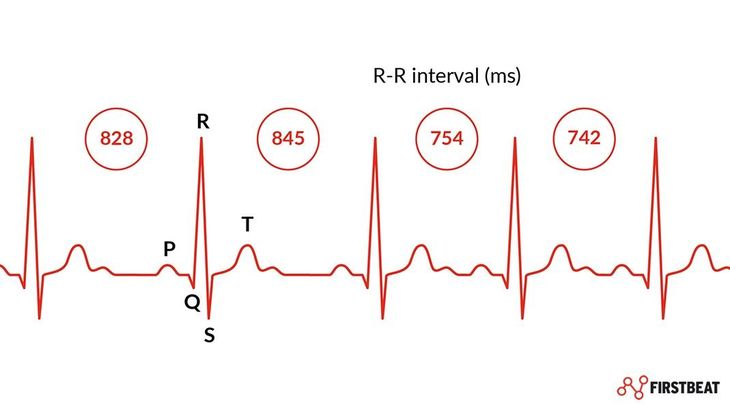
Optimizing your physiological recovery requires consistent baseline measurements under standardized environmental conditions.
You will need a reliable multi-wavelength PPG sensor that tracks raw pulse intervals during deep rest.
A quiet sleeping space free from blue light exposure is recommended to ensure clean overnight recordings.
Additionally, keeping a digital journal of your daily caffeine and workout loads will help contextualize your scores.
-
Step 1: Establish Your Overnight Baseline
Your autonomic nervous system responds dynamically to every minor stimulant, movement, and stressor during the day.
This high sensitivity makes active daytime readings highly erratic and difficult to interpret as a baseline.
To capture clean, unpolluted data, you must track your heart rate variability continuously throughout your sleeping hours.
Measuring your overnight hrv by age reveals the pure parasympathetic response of your heart when your brain is completely at rest.
Consistency is key, so you must establish this baseline over several consecutive nights of sleep.
A reliable nightly baseline allows you to see small shifts in recovery that indicate metabolic changes.
Once you record a week of continuous sleep data, your tracking app will calculate a highly accurate reference baseline.
-
Step 2: Maintain Standardized Sleeping Conditions
Environmental changes inside your bedroom can artificially lower your vagal tone and spike your heart rate.
Keep your room cool, ideally between sixty-five and sixty-eight degrees Fahrenheit, to support deep sleep architecture.
Avoid consuming heavy meals, caffeine, or alcohol within three hours of going to sleep.
Alcohol acts as a strong sympathetic nervous stimulant that heavily suppresses your sleep number hrv by age score.
Maintaining a predictable sleep schedule stabilizes your cardiac rhythm and makes your data highly reliable.
Even minor shifts in bedtime can disrupt your circadian rhythm and influence your autonomic metrics.
Using blackout curtains and reducing ambient noise will further stabilize your nightly recovery readings.
-
Step 3: Analyze Your Weekly Heart Trends
A single sudden drop in your heart rate variability should not cause immediate health anxiety or alarm.
Your nervous system naturally fluctuates in response to daily metabolic demands and acute psychological fatigue.
Instead of reacting to daily spikes, evaluate your rolling seven-day average to understand your true recovery trend.
Comparing your personal rolling average to the standard average hrv metrics reveals whether your system is coping well with stress.
If your weekly average starts trending downward, it is a clear signal that your body needs rest.
Steady upward trends over several weeks show that your aerobic fitness and stress resilience are actively improving.
This systematic review prevents you from overreacting to minor daily changes in your biometric data.
-
Step 4: Implement Strategic Parasympathetic Interventions
When your heart rate variability baseline drops below your healthy average, you must actively trigger your relaxation response.
Practice deep diaphragmatic breathing at a controlled pace of six slow breaths per minute.
This rhythmic breathing stimulates the vagus nerve and directly increases your momentary cardiac variation.
Incorporate fifteen minutes of quiet mindfulness or gentle yoga stretches into your evening wind-down routine.
These intentional physical pauses help transition your autonomic nervous system from fight-or-flight to rest-and-digest.
Taking warm baths or reading a physical book can also help down-regulate your nervous system before bed.
These simple interventions actively support your cardiac nerves and speed up overnight cellular restoration.
-
Step 5: Adjust Daily Workouts Based on Recovery Data
Use your morning recovery scores to design your physical training schedule dynamically.
An elevated HRV indicates that your cardiovascular system has ample energetic reserves for high-intensity physical strain.
This is your ideal window to tackle demanding cardiovascular workouts or heavy strength training sessions.
Conversely, a suppressed score indicates that you should focus entirely on active recovery walks or light stretching.
Aligning your physical workouts with your internal recovery state prevents overtraining and accelerates physical progress.
It also protects your muscle tissues from micro-tears that can struggle to heal during low-parasympathetic periods.
This dynamic workout strategy keeps your cardiovascular development highly efficient and injury-free over time.
Implementing this precise cardiovascular optimization system requires a tracking device designed for seamless overnight wear.
The Herz P1 smart ring offers the perfect blend of military-grade steel comfort and high-precision biometric tracking.
Its advanced multi-wavelength optical sensors record your pulse intervals continuously directly from your finger’s digital arteries.
This provides clinical-grade data accuracy without the bulk or sleep disruption of traditional wrist-based smartwatches.
Demystifying Autonomic Physiology: What Your HRV Score Actually Reveals
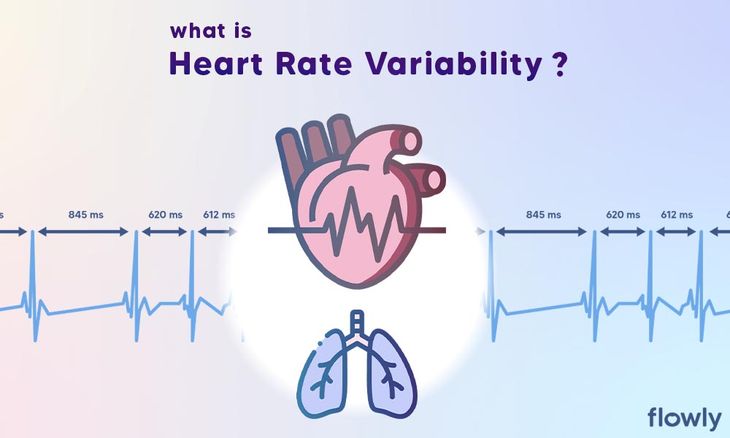
Your heart is not a simple mechanical pump that beats with uniform spacing.
The micro-fractional gaps between your consecutive heartbeats vary continuously down to the millisecond.
This variability is guided by the delicate balance of your autonomic nervous system.
The sympathetic branch acts as your internal gas pedal, accelerating your heart rate during physical exertion or stress.
The parasympathetic branch acts as the brakes, slowing your heart rate to promote cellular recovery and calm.
When both systems are healthy and highly active, they pull your heart rhythm in opposite directions continuously.
This active balancing act creates high variability, which is measured as a strong average heart rate variability by age score.
A lower score indicates that one branch, typically the sympathetic, is dominating your system.
This keeps your heart beating in a rigid, less responsive pattern.
Tracking these fluctuations over time provides a deep window into your physiological stress resilience.
It also gives you an early warning system before physical signs of fatigue or metabolic strain manifest.
By measuring this variable daily, you can fine-tune your recovery protocols for maximum biological efficiency.
Understanding Normal Heart Rate Variability by Age: Demographic Baselines
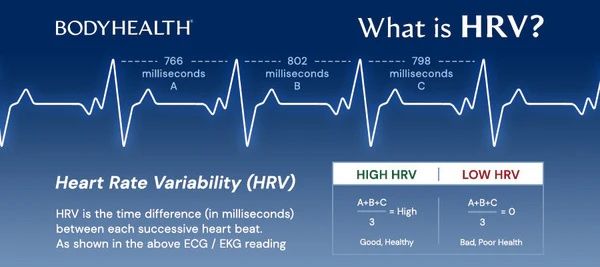
As we advance through different stages of life, our biological tissues gradually experience a natural decline in flexibility.
This natural aging process directly influences the responsiveness of our cardiac nerves and autonomic pathways.
Consequently, your standard hrv levels by age will slowly decline over the decades.
A youthful cardiovascular system typically displays very dynamic, rapid adjustments to momentary stress.
By middle age, structural changes in blood vessels and heart tissue moderate this high responsiveness slightly.
Understanding these standard physiological shifts prevents unnecessary anxiety when reviewing your data.
It is essential to compare your numbers with your specific peer group rather than a universal baseline.
The American Heart Association notes that structured aerobic exercise can significantly preserve your autonomic vitality.
This means you can actively support your cardiovascular flexibility at any age through healthy lifestyle choices.
Let us look at the comprehensive statistical breakdown of these ranges across different demographics.
| Age Group | Average Sleeping HRV (ms) | Normal Range (25th – 75th Percentile) |
|---|---|---|
| 18 – 25 Years | 55 – 85 ms | heart rate variability chart by age values suggest 40 – 105 ms is typical. |
| 26 – 35 Years | 45 – 72 ms | 35 – 90 ms representing a healthy, active cohort. |
| 36 – 45 Years | 35 – 58 ms | The typical hrv by age for this group spans 27 – 75 ms. |
| 46 – 55 Years | 28 – 48 ms | 22 – 62 ms, reflecting natural changes in vagal tone. |
| 56 – 65 Years | 22 – 38 ms | The average sleeping hrv by age ranges from 18 – 48 ms. |
| Over 65 Years | 17 – 30 ms | 14 – 38 ms, where cardiovascular maintenance is vital. |
The data in this table is measured using the Root Mean Square of Successive Differences, or rMSSD.
This is the standard mathematical formula used by advanced biometric trackers to evaluate parasympathetic activity.
Your personal heart rate variability chart by age comparison may vary depending on your genetic background.
Consistent physical fitness and deep sleep can keep your biological age much lower than your chronological age.
The National Sleep Foundation highlights that deep sleep stages are critical for restoring autonomic balance.
By monitoring these trends, you can actively track how your body responds to positive lifestyle changes.
This demographic data serves as an excellent compass for setting realistic wellness milestones.
Practical Application Guide: Turning Biometric Insights Into High-Impact Wellness Gains
Reviewing your daily cardiovascular metrics in the morning provides a clear window into your physical preparedness.
The Herz P1 App displays your daily scores clearly upon waking up.
If you see a score that is significantly below your normal range, prioritize immediate stress mitigation.
Begin your morning with active hydration and a nutritious breakfast rich in magnesium and essential minerals.
Limit heavy physical workloads or intense cardiovascular training sessions on these low-recovery days.
Make sure to take short, relaxing breaks every ninety minutes during your workday to walk and stretch.
On the other hand, an elevated score shows excellent autonomic balance and robust cellular recovery.
This is your ideal physiological window to schedule challenging presentations, difficult workouts, or high-effort tasks.
Aligning your professional and physical schedule with your nervous system’s capacity prevents chronic burnout.
This natural pacing builds lasting resilience and protects your cardiovascular system over time.
The comfortable design of our smart ring makes it easy to monitor these daily trends without sleep disruption.
Using this data continuously turns vague wellness ideas into precise, physical adjustments.
Overcoming Wearable Risks: Sizing Traps and Hidden Subscription Costs
Many wellness seekers purchase bulky smartwatches that prove highly uncomfortable to wear during sleep.
This sleep discomfort often causes nocturnal movements that disrupt your sensor’s optical alignment.
Furthermore, several smartwatches require daily charging, leaving large tracking gaps during critical recovery hours.
The Herz P1 smart ring solves this issue with its sleek, non-intrusive military-grade steel construction.
Another critical mistake is failing to calculate the true long-term cost of your health tracking wearable.
Many popular brands require ongoing monthly app subscriptions to access your own biometric data.
This turns a one-time hardware purchase into a recurring financial burden over several years.
We believe your personal physiological metrics should belong to you entirely without hidden paywalls.
The Herz P1 App is free for lifetime, providing full access to all historical charts and sleep staging.
This honest, transparent model ensures you can track your autonomic recovery without worrying about monthly fees.
Choosing a subscription-free model protects both your long-term health and your personal financial savings.
Frequently Asked Questions About Heart Rate Variability and Smart Rings
Is the Herz P1 smart ring fully waterproof?
The Herz P1 features a certified IP68 waterproof rating that allows safe submersion up to 164 feet.
You can wear it with complete confidence while swimming in pools, taking hot showers, or relaxing in saunas.
This ensures continuous biometric monitoring regardless of your physical environment or daily hygiene habits.
How long does the battery last on a single charge?
Our smart ring delivers up to six days of continuous monitoring on a single charge.
The advanced energy-efficient chipset fully recharges in under one hour using the magnetic charging base.
This rapid charging cycle minimizes tracking gaps so you never miss a critical recovery baseline.
Which finger is best to wear the Herz P1 on for accuracy?
We recommend wearing the smart ring on your index, middle, or ring finger for optimal sensor contact.
Ensure the inner sensor bump rests against the palm side of your finger where blood vessels are densest.
A snug fit that does not restrict blood circulation provides the cleanest signal quality.
Does the smart ring store my health data offline?
The Herz P1 features seven days of local storage capacity to hold your physiological data offline.
It will automatically sync your recorded trends the moment you open the mobile app near your phone.
This allows you to sleep or travel without keeping your phone close to your bed.
What causes a sudden drop in your nightly HRV?
Sudden drops are typically triggered by late-night meals, alcohol intake, or developing physical illness.
High mental fatigue or an intense muscular workout can also temporarily suppress your autonomic response.
Using this warning sign to slow down protects your system from progressing into overtraining.
How does the Herz P1 track blood oxygen saturation?
Our ring uses multi-wavelength optical sensors to measure light absorption levels in your digital capillaries.
This produces highly accurate SpO2 tracking throughout the night with a minimal margin of error.
Monitoring this metric is key to identifying potential sleep disturbances and breathing disruptions.
Is there a monthly subscription fee required for the app?
No, there are absolutely no ongoing monthly subscription fees or locked premium features.
You get complete, unlimited lifetime access to your biometric trends and sleep analysis.
This saves you hundreds of dollars compared to other subscription-reliant wearables on the market.
How do I find my perfect ring size before purchasing?
Every order includes a professional sizing kit with multiple template rings to try at home.
We recommend wearing your chosen test size for twenty-four hours to account for natural swelling.
This ensures your actual Herz P1 ring fits perfectly for both daytime activities and sleep tracking.
Take Control of Your Autonomic Balance Today
Establishing your normal HRV baselines is a powerful step toward reclaiming your daily physical energy.
Ready to monitor your health every day?
Explore the Herz P1 Smart Ring and see if it fits your lifestyle.
Call: 1-866-479-1629 — our team can help you advise on the correct ring size and set personalized health goals.
Note: Individual results may vary depending on individual health conditions, age, and lifestyle habits. This article is intended for general health reference purposes only.
