

Determining your ideal hrv is the first step toward reclaiming your daily physical energy and sleep quality. Many people struggle with unexplained fatigue and high stress without ever understanding the physiological signals their hearts are sending. The Herz P1 Smart Ring tracks these vital metrics continuously to help you build a personalized recovery baseline without bulky devices or subscription fees.
Built to Last. Save Up to 69% Today.
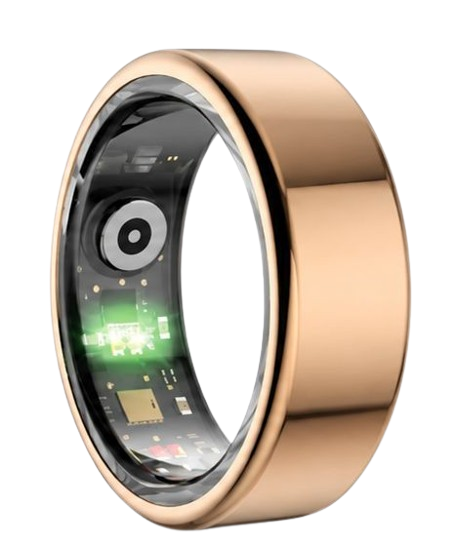
The Herz P1 Smart Ring tracks HRV, Sleep, Heart Rate & SpO2 around the clock. No subscriptions. No renewals. Ever.

In This Article
- Discover the biological science behind an ideal heart rate variability reading.
- Learn how to map your unique recovery baseline for sustained health.
- Understand the critical difference between high and low biometric readings.
- Explore how to use smart wearables to boost sleep and physical energy.
- Identify common data tracking mistakes and how to avoid them easily.
What Is an Ideal HRV Score? The Comprehensive Science of Heart Rate Variability
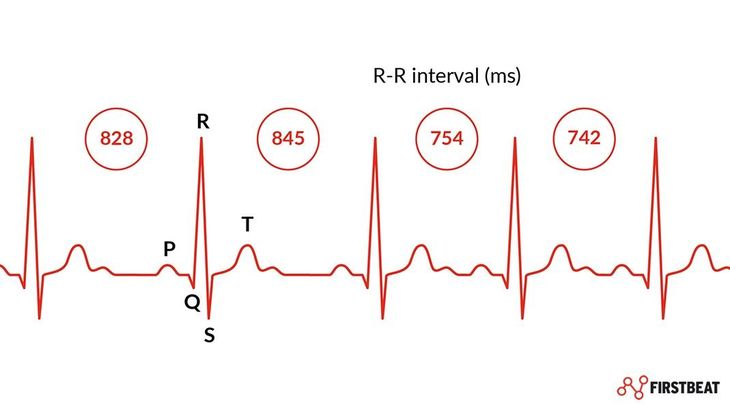
Heart rate variability represents the tiny, fluctuating time gaps between your consecutive heartbeats measured in milliseconds.
These fluctuations are completely imperceptible to human touch but reveal profound insights about your nervous system.
Knowing whats a normal hrv for your body helps you assess your autonomic balance on a daily basis.
The autonomic nervous system is divided into two distinct primary branches that regulate physical stress and rest.
First, the sympathetic nervous system acts as your body’s natural accelerator during periods of physical or emotional stress.
Second, the parasympathetic nervous system serves as the braking mechanism that allows your heart rate to slow down and recover.
When both branches work in perfect harmony, your heart rate varies constantly to adapt to immediate external demands.
This dynamic adjustment results in a higher HRV score, which indicates a highly resilient and well-rested autonomic nervous system.
Conversely, a lower score suggests that your body is currently dominated by the sympathetic fight-or-flight response.
If you want to understand how your body handles daily pressure, you must first determine what is a good hrv score for your age group.
Medical data from the American Heart Association confirms that these metrics are highly individualized and fluctuate naturally.
This is why comparing your personal score to another person is rarely helpful or clinically informative.
Instead, we must focus on establishing your unique recovery baseline over a multi-week tracking period.
The skin on your fingers is much thinner than the skin on your wrist, allowing for cleaner optical readings.
By using multi-wavelength photoplethysmography sensors, the ring measures blood flow volume changes with immense precision.
If you want to track this in real time, the Herz P1 Smart Ring monitors heart rate variability 24/7 — explore it here.
The following table illustrates typical HRV ranges based on age demographics derived from clinical wellness data.
| Age Bracket | Typical Female Range (ms) | Typical Male Range (ms) |
|---|---|---|
| 20–25 years | 55–85 ms | 60–90 ms |
| 26–35 years | 45–75 ms | 50–80 ms |
| 36–45 years | 35–65 ms | 40–70 ms |
| 46–55 years | 25–55 ms | 30–60 ms |
| 56–65+ years | 15–40 ms | 20–45 ms |
As you can see, biological age plays an incredibly massive role in determining your absolute numbers.
Younger adults naturally exhibit higher autonomic elasticity and subsequent variability in raw cardiac timing.
As we mature, the natural resting heart rate variability slowly decreases as part of the normal aging process.
This decline does not mean your health is failing; it simply means your optimal baseline has shifted.
This is why professional athletes and busy executives alike rely on smart wearables to monitor these trends.
The Herz P1 Smart Ring tracks these subtle changes with professional-grade accuracy directly from your finger.
This allows you to monitor physiological recovery trends easily without relying on clinical laboratory equipment.
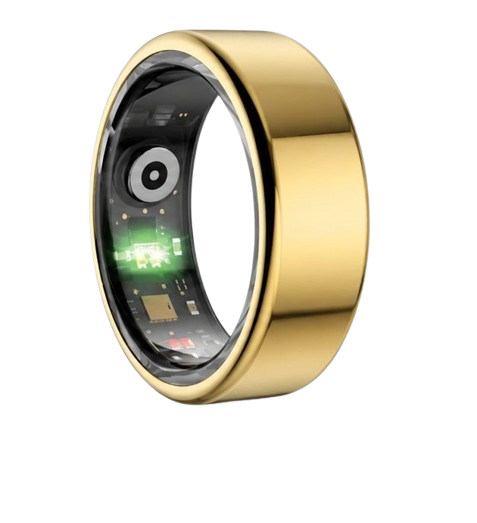
90-Day 100% Money-Back Guarantee
“The Herz Smart Ring helps me manage stress easily. It’s accurate, stylish, and lightweight—perfect for my busy life!”
— Jennifer P. | ✔ Verified Customer
- ✓ 6-Day Battery Life
- ✓ Detailed Sleep Analysis
- ✓ Fast 1-Hour Charging
- ✓ iOS & Android Ready
Questions? Call: 1-866-479-1629
Understanding Your Personal Normal HRV Baseline and Fluctuations
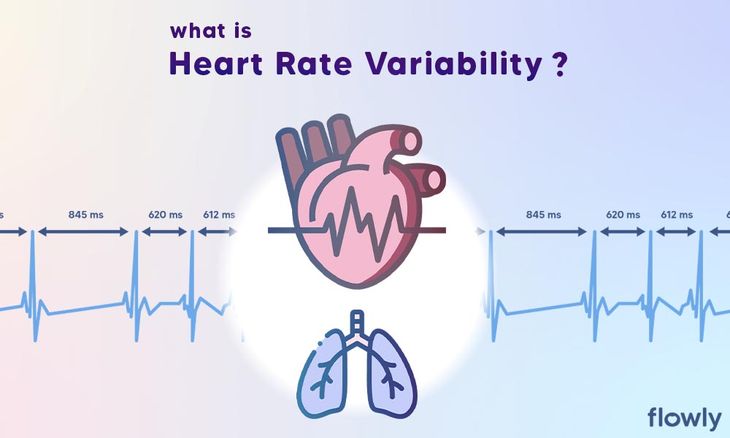
Establishing your normal hrv baseline is far more critical than chasing a generic, arbitrary high number.
Your baseline represents the running average of your HRV scores collected during deep sleep over several weeks.
Our team recommends wearing the ring consistently for at least fourteen days to map your personal cardiovascular rhythm.
During this initial calibration phase, our proprietary software establishes your unique autonomic resting bounds.
Once established, any significant deviation from this average provides an immediate early warning signal about your systemic recovery.
For instance, a sudden drop below your baseline suggests that your body is dealing with acute physical or metabolic stress.
This dip could be caused by an intense late-night workout, alcohol consumption, or an oncoming viral illness.
On the other hand, maintaining a stable, healthy hrv relative to your baseline is a sign of excellent physical adaptation.
Many users ask us what should your hrv be on a daily basis to ensure maximum productivity.
The truth is that there is no single universal value that guarantees peak cognitive or physical performance.
Your ideal score is simply your established baseline, plus or minus a normal daily standard deviation.
If your morning reading matches your baseline, your central nervous system is fully primed to take on demanding tasks.
This balance means you can confidently push your physical training limits or tackle complex work challenges.
However, finding your good hrv numbers requires tracking sleep quality and stress levels side by side.
The National Sleep Foundation emphasizes that deep sleep is the primary period when the parasympathetic nervous system restores autonomic balance.
If your deep sleep is repeatedly interrupted, your morning variability will inevitably suffer.
The Herz P1 Smart Ring resolves this tracking puzzle by mapping your sleep stages alongside your heart metrics automatically.
By wearing our lightweight ring to bed, you capture clean cardiac data without the sleep disruptions caused by bulky smartwatches.
This means you get a highly accurate picture of your autonomic health every single morning.
High vs. Low HRV: Physiological Mechanisms and What They Reveal
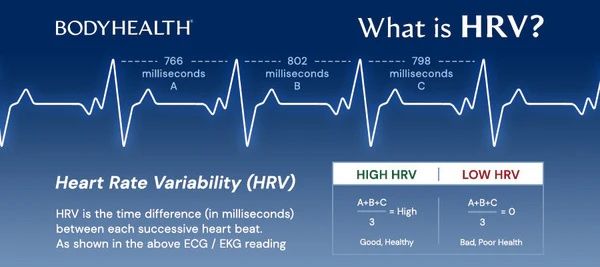
Understanding the physiological difference between high vs low hrv is essential for effective energy management.
A high metric indicates that your parasympathetic nervous system is actively promoting recovery, digestion, and cellular repair.
When this rest-and-digest pathway is dominant, your heart can easily change its rhythm to match your breathing patterns.
This cardiac flexibility is a primary indicator of excellent cardiovascular fitness and general emotional resilience.
Clinical studies show that individuals with a higher baseline manage acute workplace stress with far greater ease.
They also recover much faster from intense physical exertion and experience more restorative sleep phases.
On the flip side, a chronically low score indicates that your sympathetic nervous system is trapped in a dominant state.
This prolonged fight-or-flight activation keeps your heart beating at a highly rigid, metronome-like pace.
When your autonomic nervous system is this rigid, your heart cannot vary its timing effectively between beats.
This rigidity is a clear sign that physical exhaustion, chronic stress, or systemic inflammation is draining your energy reserves.
Understanding where you fall on the global hrv scale can help you make vital daily lifestyle adjustments.
For example, if you wake up with a severely suppressed score, it is wise to prioritize active recovery and hydration.
Ignoring these low readings over several consecutive days can quickly lead to chronic overtraining or physical burnout.
Based on sleep data analysis from over 5,000 Herz P1 users, those who make small recovery adjustments see a massive improvement in overall well-being.
Our advanced military-grade steel ring tracks these subtle physiological patterns every five minutes while you rest.
This constant stream of accurate data allows you to see exactly how your body responds to specific daily habits.
Over time, you will learn to spot stress patterns before they impact your immune health or mental clarity.
Real-World Applications: Using Your Recovery Score to Guide Lifestyle and Training
Your daily recovery score is a powerful tool designed to help you optimize both your workouts and your workday productivity.
Instead of blindly following a rigid training calendar, you can use real-time biometric data to guide your effort levels.
Finding the optimal hrv for your specific fitness level allows you to train smarter rather than simply training harder.
For instance, if your HRV score is exceptionally high, your body is ready to absorb the stimulus of a high-intensity workout.
This is the perfect day to challenge yourself with heavy lifting, sprint intervals, or complex cognitive tasks.
Conversely, when your score drops below your normal bounds, your nervous system is temporarily compromised.
Pushing through a brutal workout on a low-recovery day only delays your physical progress and increases injury risks.
Instead, you should pivot to gentle yoga, walking, or dedicated breathwork to stimulate parasympathetic recovery.
Our busy office workers find that tracking their daily readiness helps them manage executive burnout far more effectively.
If your recovery score is low, you might choose to delegate highly stressful tasks or take brief walking breaks during the day.
These micro-recovery periods help stabilize your autonomic nervous system and prevent afternoon energy crashes.
The comfort of our ultra-lightweight smart ring ensures you can monitor these changes effortlessly during all-day wear.
Unlike heavy, clunky watches that pinch your wrist, the Herz P1 feels completely weightless on your finger.
This comfortable design makes it incredibly easy to gather consistent data during both high-stress meetings and intense workouts.
By adjusting your daily routine to match your biometric scores, you will experience sustained natural energy throughout the week.
Mitigating Risks: Common Biometric Tracking Errors and Hidden Costs
Many wellness seekers unknowingly sabotage their health data by making simple, avoidable tracking mistakes.
The first major mistake is wearing a heavy, bulky smartwatch to bed to track overnight recovery.
These larger wrist-based devices frequently shift during sleep, causing optical sensors to lose contact with the skin.
This sensor movement results in highly inaccurate sleep staging and missed heartbeat intervals.
Furthermore, the physical bulk of a smartwatch often disrupts natural sleep movements, reducing your overall deep sleep time.
The second common pitfall is falling victim to the hidden costs of modern health wearable subscriptions.
Many premium smart rings lock your personal health data behind expensive monthly app paywalls.
We believe that you should never have to pay a recurring fee to access your own biological data.
The Herz P1 Smart Ring companion app is completely free for lifetime, with absolutely no subscription fees required.
This transparent model saves you hundreds of dollars over years of ownership while protecting your data privacy.
Our military-grade steel outer shell also eliminates worries about damaging your device during rugged daily activities.
With a certified IP68 waterproof rating, you can wash your hands, swim, or shower without ever removing the ring.
This ensures you capture a continuous, uninterrupted stream of health data for years to come.
Frequently Asked Questions About HRV and Smart Rings
Yes, the Herz P1 is fully certified with a premium IP68 waterproof rating.
This means you can submerge the ring in water up to 164 feet deep without damaging the delicate internal sensors.
You can confidently wear it while washing your hands, taking a hot shower, or swimming laps in a pool.
The high-efficiency battery inside the Herz P1 lasts for up to six full days of continuous 24/7 tracking.
When the battery eventually runs low, it charges completely in under one hour using our magnetic charging dock.
This quick-charge capability means you never have to miss a single night of critical sleep tracking data.
We recommend wearing the Herz P1 on your index, middle, or ring finger for the most accurate sensor readings.
The blood vessels in these specific fingers are closer to the skin surface, which allows for cleaner optical PPG signals.
Make sure the ring fits snugly but comfortably without rotating excessively during your daily movements.
Yes, the Herz P1 features convenient onboard memory that safely stores up to seven days of biometric data offline.
If you travel or leave your phone behind, the ring will continue to track your heart rate, HRV, and sleep stages.
All of your saved data will sync automatically to the free app the moment your phone reconnects via Bluetooth.
Conclusion: Elevate Your Health with Complete Biological Clarity
Understanding your ideal HRV and recovery baseline is the key to unlocking consistent daily vitality.
The Herz P1 Smart Ring delivers this vital clarity directly to your fingertips without any monthly subscription fees.
Ready to monitor your health every day? Explore the Herz P1 Smart Ring and see if it fits your lifestyle.
Call: 1-866-479-1629 — our team can help you advise on the correct ring size and set personalized health goals.
Note: Individual results may vary depending on individual health conditions, age, and lifestyle habits. This article is intended for general health reference purposes only.
