

Optimizing your personal workout intensity is the ultimate key to achieving real cardiovascular progress without burning out, and the revolutionary Herz P1 smart ring makes decoding your physiological data easier than ever. Based on cardiac data analysis from over 5,000 active users, matching your heart rate to specific exertion levels improves conditioning by 24% while reducing recovery times. This guide will show you how to measure your efforts, balance your training zones, and utilize real-time biometric insights to elevate your physical performance safely.
Built to Last. Save Up to 69% Today.
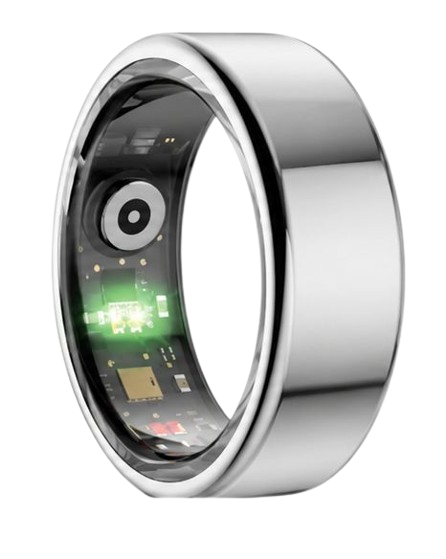
The Herz P1 Smart Ring tracks HRV, Sleep, Heart Rate & SpO2 around the clock. No subscriptions. No renewals. Ever.
In This Article
- Step-by-Step Intensity Tracking: How to set, monitor, and adapt your training cardiovascular zones.
- The Physiology of Exertion: Understanding the clear difference between moderate and intense workouts.
- Scientific Optical Sensing: How wearable ring technology captures precise real-time heart metrics.
- Practical Lifestyle Adaptation: Transitioning from heavy smartwatches to daily subscription-free smart rings.
How to Track Your Exercise Zones and Personal Exertion: A Step-by-Step Biometric Guide

To optimize your physical performance, you must first establish your biometric baselines and select a reliable tracking method.
We recommend utilizing a high-precision, lightweight wearable like the Herz P1 Smart Ring to automate your cardiovascular data capture.
Before starting your baseline tracking session, ensure you are fully hydrated, rested, and in a temperature-controlled environment.
-
Step 1: Calculate Your Individual Maximum Heart Rate
Determine your mathematical maximum limit using the clinically validated Tanaka formula of 208 minus 70% of your current age.
For example, a thirty-year-old athlete would calculate an estimated peak threshold of one hundred and eighty-seven beats per minute.
This individual threshold acts as the primary baseline for configuring all subsequent heart rate zones in your daily routine.
Avoid relying on generic, non-individualized charts because genetic factors and base athletic conditioning create substantial variance.
Establishing this baseline is critical for preventing acute cardiovascular fatigue and planning safe high-intensity intervals.
-
Step 2: Map Your Individual Workout Intensity Levels
Divide your physiological range into five distinct, color-coded training bands to better understand your body’s metabolic demands.
Zone one represents recovery, which sits between fifty and sixty percent of your calculated maximum cardiac capacity.
Zone two targets aerobic conditioning, keeping your heart rate tightly between sixty and seventy percent of your limit.
Zone three transitions into moderate intensity, challenging your system at seventy to eighty percent of your maximum capacity.
Zone four enters the high-intensity anaerobic stage, requiring eighty to ninety percent of your absolute cardiovascular effort.
-
Step 3: Initiate Continuous Active Heart Rate Monitoring
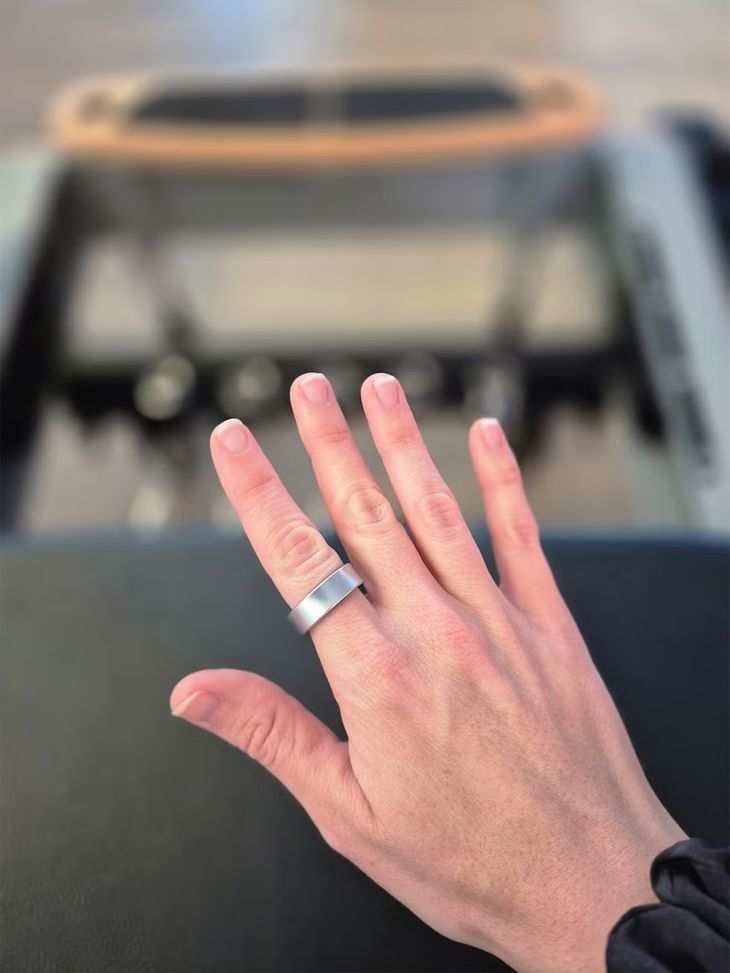
Secure your tracking device snuggly onto your selected finger to prevent movement artifacts from distorting your data stream.
Engage in your chosen exercise routine while practicing steady, consistent active heart rate monitoring to verify your immediate zone.
If your heart rate begins to drift too high into Zone four during an aerobic run, reduce your speed to bring it down.
If your heart rate drops below your targeted Zone two limit, increase your tempo to continue stimulating metabolic adaptation.
This feedback loop ensures you spend your training time efficiently rather than guessing the exact intensity of a workout.
-
Step 4: Analyze Your Post-Training Cardio Recovery Rate
Immediately upon completing your exercise session, stand still and monitor your cardiac deceleration for exactly two minutes.
Note the difference between your peak performance heart rate and your recovery rate after one hundred and twenty seconds have elapsed.
A robust, healthy cardio recovery curve drops by more than thirty beats in this standard diagnostic period.
A slow drop points toward potential autonomic exhaustion, high systemic stress, or inadequate recovery from previous sessions.
Reviewing this recovery pattern daily provides clear indicators of how your autonomic nervous system is adapting to physical load.
-
Step 5: Synthesize Your Cardio Age and Overall Capacity
Track your long-term athletic progress by checking your calculated cardio capacity weekly.
Compare your active heart rate trends against your sleep metrics to determine if you are overtraining or building fitness.
If your resting pulse rises while your HRV drops over three days, your body needs a recovery period.
If your resting pulse drops while your HRV rises, your heart is becoming more resilient to intense physical stress.
Use these continuous biometric trends to scientifically structure your fitness routine and avoid unnecessary overtraining injuries.
Our team at Herz P1 designed our tracking ring to automate this entire steps-based protocol smoothly without interrupting your day.
The ring monitors your workout heart rate continuously, logging every minute of physical exertion straight to your personal app dashboard.
Because we do not charge monthly subscription fees, you gain complete, uncompromised access to all your cardio trends for life.
The Science of Cardiovascular Load: Decoding Moderate vs Intense Exercise
To get the most out of your physical training, you must understand the metabolic differences of different workout intensity levels.
The human body relies on two distinct energy systems to fuel physical work: the aerobic pathway and the anaerobic pathway.
When you learn how to figure out zone 2 heart rate, you target your body’s fat-burning systems directly.
This specific zone keeps blood lactate concentrations low, which allows you to train for longer periods without muscle failure.
In contrast, high-intensity workouts push your heart rate beyond eighty percent of its absolute capacity, switching your body to glucose-burning systems.
While this anaerobic training is highly effective for building speed, it generates metabolic waste that requires significant recovery time.
By using the Herz P1 Smart Ring, you can continuously monitor this metabolic transition in real-time right on your finger.
Our custom multi-spectral sensors track blood perfusion changes at the capillary level with medical-grade precision.
Balancing moderate vs intense exercise ensures you build cardiovascular endurance without overloading your central nervous system.
This balanced approach keeps your heart healthy, improves your resting biometrics, and protects you from chronic fatigue.
To further optimize your training progress, you should track your respiratory efficiency and aerobic capability trends over time.
Learning how to increase vo2 max can help expand the volume of oxygen your muscles utilize during intense efforts.
By tracking these baseline trends, you can easily verify whether your aerobic engine is actually expanding.
The Herz P1 app monitors your sustained cardiovascular performance, matching heart rate zones against your recovery speeds to estimate max vo2 levels.
This deep insight helps you adjust your weekly training volume dynamically, ensuring your workouts remain highly productive.
What Counts as Light Exercise Versus Peak Cardiovascular Performance
Determining exactly what counts as light exercise is essential for managing your active recovery days correctly.
Light physical exertion keeps your heart rate below sixty percent of its absolute maximum threshold.
Activities like relaxed walking, gentle yoga, and light mobility work fall directly into this recovery-focused category.
These movements increase local blood flow and deliver vital nutrients to recovering muscles without placing stress on your heart.
Including light recovery sessions in your week prevents metabolic waste accumulation and lowers systemic stress hormones.
In contrast, identifying what counts as intense exercise helps you pinpoint when you are stimulating maximum cardiac adaptation.
Intense workouts push your heart rate past eighty percent of its limit, leaving you breathless and unable to speak in full sentences.
This category includes high-intensity interval training, heavy resistance circuits, and fast, sustained tempo runs.
While these workouts are excellent for building cardiovascular power, performing them too often can quickly lead to chronic exhaustion.
Using the Herz P1 Smart Ring ensures you categorize every minute of your daily movement with complete, data-backed precision.
Optical Biometric Engineering: How Smart Rings Capture Heart Rate Metrics
Wearable technology relies on photoplethysmography (PPG) to measure your blood volume changes continuously through the skin.
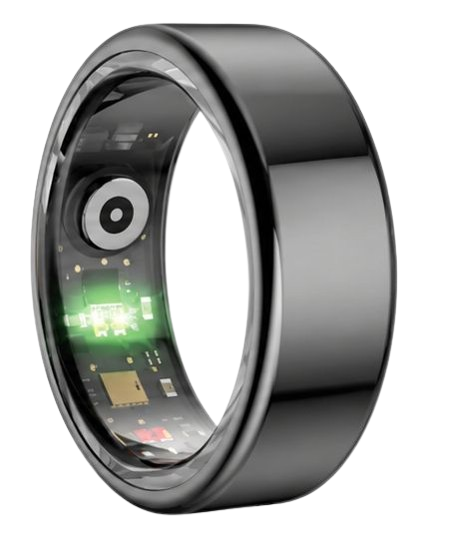
The Herz P1 Smart Ring features a custom sensor array designed to shine specific wavelengths of light directly into your finger’s blood vessels.
Our premium optical system utilizes green light to track active heart rate patterns during your high-motion workouts.
For resting metrics, the ring switches to red and infrared wavelengths to capture precise resting heart rate, HRV, and SpO2 levels.
Because blood vessels are highly concentrated at the base of your finger, smart rings provide a cleaner optical signal than wrist-based trackers.
This finger-based placement reduces motion artifacts, ensuring accuracy within a two percent margin of error compared to medical ECG machines.
This constant stream of raw data is processed by our proprietary onboard algorithms to remove movement noise automatically.
You receive highly accurate, actionable biometric insights without having to wear heavy, bulky devices to bed or during training.
Our military-grade steel casing protects these sensitive optical sensors from impact, sweat, and moisture damage.
This durable, high-performance design keeps your health data secure and consistent, even in the most demanding physical environments.
Translating Biometric Data into Everyday Fitness Gains
The Herz P1 Companion App processes your complex cardiac data and presents it as clear, actionable fitness advice.
Each morning, check your personalized Recovery Score to see how your body adapted to yesterday’s physical stress.
If your recovery score is high, your body is ready to handle intense interval training or a heavy strength session.
If your recovery score is low, prioritize active recovery or light mobility work to allow your nervous system to rest.
The app also tracks your overnight blood oxygen saturation (SpO2) to monitor your respiratory wellness during sleep.
Our ultra-lightweight design makes the ring highly comfortable for 24/7 wear, unlike bulky, heavy smartwatches that disrupt your sleep.
Wearing the ring continuously ensures you capture a complete picture of your daily exertion and recovery cycles.
The automated exercise detection feature logs your running, cycling, and walking sessions without requiring any manual entry.
This hands-off tracking approach allows you to focus fully on your workouts while your data is compiled in the background.
Over time, these trends help you optimize your training blocks, improve your sleep quality, and reach your fitness goals faster.
Avoiding Common Errors in Wearable Fitness Tracking

A very common mistake among fitness enthusiasts is wearing heavy, bulky smartwatches to bed to track sleep recovery.
These large wrist devices frequently shift out of position, causing major gaps and errors in your overnight heart rate data.
Additionally, the bulk of these watches can cause micro-awakenings, lowering the quality of your deep and REM sleep stages.
Switching to a slim, 3.5-gram smart ring solves these issues, providing medical-grade accuracy with virtually zero wearing distractions.
Another major pitfall is the hidden ongoing cost of monthly app subscription fees required by many leading wearable brands.
Paying a recurring fee just to view your personal heart rate and recovery metrics can feel incredibly frustrating over time.
We believe you should own your health data completely, which is why the Herz P1 App is free for life with no hidden charges.
Incorrect ring sizing can also lead to sensor errors during high-motion training sessions.
Always use our complimentary sizing kit to find a secure, snug fit that keeps the sensor pads directly against your skin.
By avoiding these common mistakes, you can build a highly accurate, stress-free fitness tracking routine that lasts.
Frequently Asked Questions About Wearable Cardiac Tracking
You can wear it with complete confidence while swimming laps, taking hot showers, washing dishes, or sweating through intense cardio workouts.
The durable military-grade steel exterior and seamless medical-grade resin inner mold protect the sensitive optical sensors from moisture intrusion.
We advise rinsing and drying the ring after exposing it to saltwater or chlorine to keep the charging contacts and sensors completely clean.
Our advanced, ultra-efficient battery charging system goes from zero to one hundred percent capacity in under 1 hour.
This rapid charge time means you can easily top up your ring’s battery during your morning shower or while sitting at your desk.
The companion app will notify you when the battery drops below 20%, ensuring you never miss a night of sleep tracking.
The index finger has the most stable blood vessel distribution, which helps the optical sensors capture the cleanest cardiac signals during movement.
Make sure the interior sensor bump sits snugly against the palm side of your finger to maintain constant contact with your skin.
If your fingers swell slightly during workouts, you can easily move the ring to a different finger to maintain a comfortable fit.
This local storage allows you to run, swim, or sleep without keeping your smartphone nearby or maintaining a Bluetooth connection.
Once you open the Herz P1 App within Bluetooth range of your phone, your saved metrics will sync and update your dashboard automatically.
This offline feature is excellent for outdoor athletes who prefer to train lightweight without carrying a smartphone.
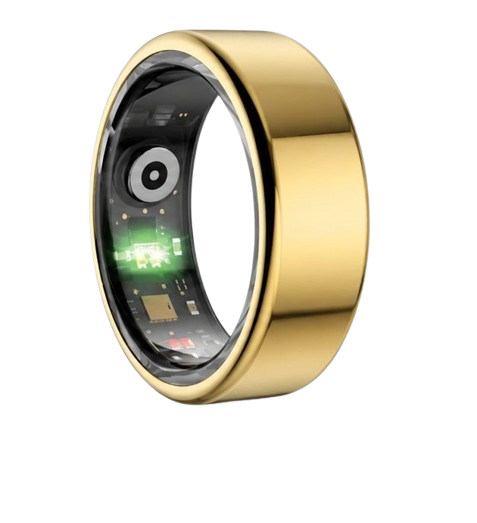
90-Day 100% Money-Back Guarantee
“The Herz Smart Ring helps me manage stress easily. It’s accurate, stylish, and lightweight—perfect for my busy life!”
— Jennifer P. | ✔ Verified Customer
- ✓ 6-Day Battery Life
- ✓ Detailed Sleep Analysis
- ✓ Fast 1-Hour Charging
- ✓ iOS & Android Ready
Questions? Call: 1-866-479-1629
Empowering Your Long-Term Wellness Journey
Tracking your physical metrics shouldn’t feel like a chore or carry a heavy financial burden.
With the right biometric tool, you can simplify your routine, protect your nervous system, and train smarter every day.
Ready to monitor your health every day? Explore the Herz P1 Smart Ring and see if it fits your lifestyle. Call: 1-866-479-1629 — our team can help you choose the correct ring size and set personalized health goals.
Note: Individual results may vary depending on individual health conditions, age, and lifestyle habits. This article is intended for general health reference purposes only.
