

Built to Last. Save Up to 69% Today.
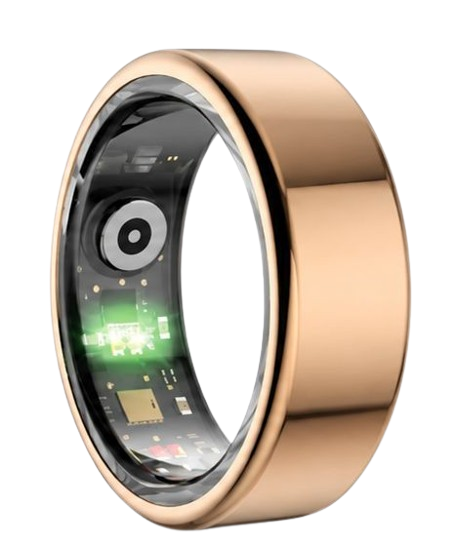
The Herz P1 Smart Ring tracks HRV, Sleep, Heart Rate & SpO2 around the clock. No subscriptions. No renewals. Ever.
In This Article
- Step-by-Step Recovery Guide: Learn exactly how to monitor and scale up your cardiorespiratory fitness levels systematically.
- Resting Heart Rate Correlations: Discover how your baseline pulse interacts directly with overall oxygen performance.
- The Science of Oxygen Tracking: Explore the optical technology smart wearables use to measure cardiovascular capacity.
- Practical Daily Habits: Find out how to wear your tracker effectively to optimize recovery times and workout intensity.
How to Monitor and Improve Your Max VO2 Levels: A Step-by-Step Recovery Guide

To systematically elevate your cardiorespiratory metrics, you must understand both the baseline numbers and the physiological systems behind them.
You cannot change what you do not measure, especially when dealing with metabolic and respiratory health.
This guide breaks down the essential protocol required to track, analyze, and expand your physical limits safely.
Prerequisites / What You’ll Need
To begin this training protocol, you will need a reliable biometric wearable that tracks continuous cardiac activity.
You also require a consistent space for aerobic training, such as a running track, stationary bicycle, or outdoor trail.
Ensure you are fully hydrated, free of acute muscle strains, and have cleared high-intensity training with your personal physician.
Step 1: Determine Your Resting Pulse and Baseline Data
You must first establish an accurate baseline of your resting heart rate vo2 max relationship during total inactivity.
This measurement is best captured immediately upon waking up in the morning before any physical movement.
The lower your waking pulse rate is, the more efficient your stroke volume becomes over time.
A lower resting pulse allows for a wider heart rate reserve, which expands your ultimate endurance threshold.
Step 2: Calculate Your Specific Aerobic Boundaries
Next, you need to identify your unique cardiovascular zones to train with clinical precision.
You can learn how to figure out zone 2 heart rate boundaries by calculating sixty to seventy percent of your maximum heart rate.
This specific zone forces your body to rely primarily on mitochondrial oxidation for energy.
Maintaining this intensity builds a dense network of capillaries to deliver oxygen to active muscle fibers.
Step 3: Organize a Structured Weekly Workout Intensity
You must balance low-intensity volume with higher-intensity intervals to stimulate cardiovascular adaptation.
Use a comprehensive workout intensity matrix to plan your weekly physical excursions.
Dedicate eighty percent of your training schedule to steady, conversational cardiovascular activities.
This approach prevents overtraining while building a robust foundation for intense oxygen-delivery exercises.
Step 4: Use Active Tracking During Intrapersonal Sessions
You need to closely observe how your pulse behaves during active physical stress.
Utilize continuous active heart rate monitoring to guarantee you stay within your calculated target zones.
If your pulse climbs too high during recovery intervals, you are pushing beyond your current metabolic limits.
Keeping a close eye on these real-time signals keeps your training efficient and free from excessive exhaustion.
Step 5: Measure Your Speed of Recovery
Your ability to recover quickly after intense work reveals the true strength of your autonomic nervous system.
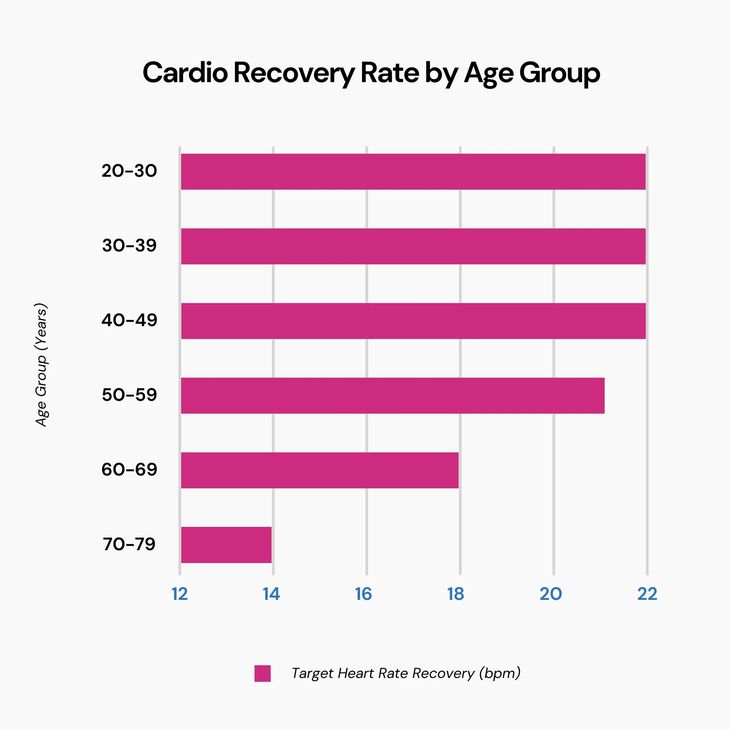
Track your cardio recovery curve by noting how fast your pulse drops in the first two minutes after stopping.
A rapid decline of over thirty beats per minute indicates a highly resilient cardiovascular framework.
Delayed recovery suggests that your nervous system is carrying residual stress or suffering from systemic exhaustion.
Enhancing the Journey with Herz P1
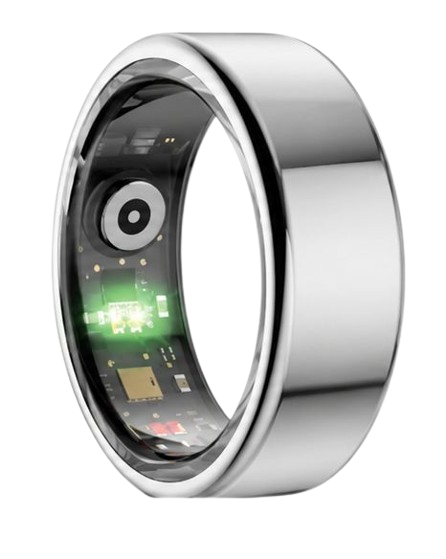
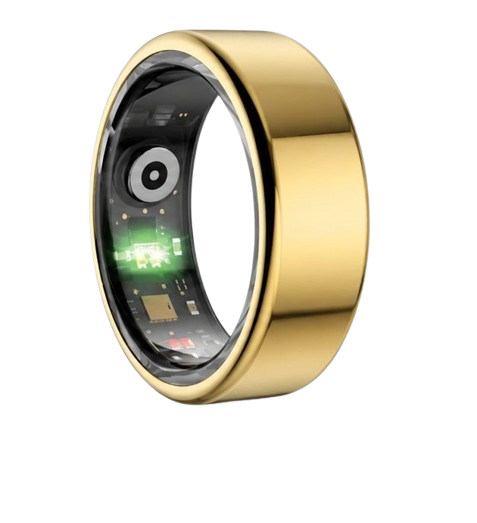
The premium Herz P1 Smart Ring makes tracking this multi-step oxygen progression completely effortless.
By monitoring your pulse, HRV, and temperature 24/7, the Herz P1 delivers clear metrics without any annoying subscription fees.
The sleek, featherlight ring fits snugly on your finger to provide real-time updates that help you master your fitness goals.
90-Day 100% Money-Back Guarantee
“The Herz Smart Ring helps me manage stress easily. It’s accurate, stylish, and lightweight—perfect for my busy life!”
— Jennifer P. | ✔ Verified Customer
- ✓ 6-Day Battery Life
- ✓ Detailed Sleep Analysis
- ✓ Fast 1-Hour Charging
- ✓ iOS & Android Ready
Questions? Call: 1-866-479-1629
Understanding the Correlation Between VO2 Max and Resting Heart Rate
Your ultimate metabolic capacity is deeply connected to your heart’s resting speed.
To understand the link between resting heart rate and vo2 max is to grasp the basic rules of human stroke volume.
When you train your cardiorespiratory systems, your heart muscle becomes physically stronger and more efficient.
This physical change allows the left ventricle to pump a greater volume of blood with every single beat.
As stroke volume rises, your heart does not need to beat as often to sustain vital organ functions.
Consequently, your resting pulse rate declines while your potential oxygen capacity increases dramatically.
Clinical data from the American Heart Association confirms that lower resting heart rates consistently match up with higher max vo2 levels.
By monitoring these connected markers daily, you can easily evaluate your cardiorespiratory trends without visiting a high-tech lab.
What is a Cardio Capacity High Meaning for Your Longevity?
When a biometric wearable reveals a cardio capacity high meaning, it indicates your body has a superior ability to process oxygen under extreme physical stress.
To evaluate these values accurately, you can consult a standardized cardio capacity chart based on age and biological sex.
A higher score means your cellular engines, the mitochondria, can generate massive amounts of energy without placing undue stress on your arterial pathways.
The National Sleep Foundation highlights that strong cardiorespiratory health directly improves deep, slow-wave sleep cycles.
This deeper rest accelerates the repair of damaged micro-vessels and helps regulate hormonal balance throughout the body.
Improving these values helps your body recover faster from stressful events, giving you a wider safety margin during intense physical efforts.
The Science of Oxygen Dynamics: How Wearables Estimate Cardio Fitness VO2max
To calculate max vo2 levels, laboratory metabolic carts measure the precise concentration of inspired and expired oxygen during maximum exertion.
Consumer wearables use a different approach by relying on optical PPG sensors to estimate these values indirectly.
These optical sensors emit specific light wavelengths to track changes in blood volume right beneath your skin.
By measuring the time between heartbeats, the wearable determines your heart rate variability alongside your overall rhythm.
The onboard software then combines your heart rate trends, age, sex, and activity levels into a mathematical prediction model.
This process allows the device to estimate your overall cardio fitness vo2max during moderate, sub-maximal activities.
To achieve the highest estimation accuracy, you should focus on how to increase vo2 max through structured, progressive workouts.
Steady, targeted sessions in designated heart rate zones provide the stable, clean cardiac data required for these algorithms to work well.
This method allows you to track and analyze your cardiovascular capacity levels without needing expensive, complex lab testing.
How to Apply Cardio Fitness VO2max Insights in Your Daily Routine
Tracking your data is only valuable if you use it to make real, positive changes in your daily life.
You can use these continuous biometric insights to adjust your training schedule and rest periods in real time.
When your estimated aerobic metrics show steady improvement, it means your current physical routine is working well.
If your scores start to slide downward, it is often a sign that you need more rest or are carrying too much daily stress.
By keeping a close eye on these trends, you can make smart adjustments to protect your body from overtraining and injury.
This proactive approach helps busy professionals maintain consistent progress toward their long-term health goals.
Maximizing Your Cardio Recovery Rate and Performance
To improve your physical stamina, you must combine intense, structured workouts with deep, restful sleep.
The Herz P1 Smart Ring tracking app monitors these physiological patterns, showing you exactly how your rest affects your stamina.
Wearing a heavy, bulky smartwatch to bed can disrupt your sleep patterns and skew your overnight recovery metrics.
The lightweight Herz P1 ring is built from military-grade steel, ensuring maximum durability while remaining remarkably comfortable to wear all night long.
This continuous tracking lets you see how your heart rate drops overnight, giving you a clear picture of your physical recovery status.
Using this daily recovery index helps you decide whether to take a rest day or push through an intense training session.
Bypassing Common Tracking Errors and Fitness Traps
Many health enthusiasts struggle to get accurate fitness data because they make simple, avoidable tracking errors.
A common mistake is wearing a loose-fitting tracker, which allows light to seep in and disrupt the optical sensors.
This interference can lead to highly inaccurate readings during both high-intensity workouts and quiet sleep cycles.
Another frequent issue is relying on bulky wristwear that presses uncomfortably into your skin during physical activities.
These large devices often cause sweat to build up, which blocks the sensor’s view and degrades overall data quality.
Additionally, many premium fitness trackers lock your personal health metrics behind expensive monthly app subscriptions.
We believe your personal health data should belong to you, without any hidden, ongoing costs.
The Herz P1 Smart Ring delivers clinical-grade data accuracy with a lifetime-free companion app and no subscription fees.
Its sleek, inner-finger placement keeps the sensors perfectly aligned with your capillary beds, even during quick, energetic movements.
This smart design eliminates common tracking errors, giving you reliable, high-fidelity metrics you can trust every single day.
Frequently Asked Questions About Max VO2 Levels and Smart Rings
It can withstand water pressure up to depths of 164 feet, making it completely safe for lap swimming and showering.
This ensures your cardiac metrics are recorded continuously without any risk of water damage.
It charges fully in under an hour using the included rapid magnetic charging dock.
This long-lasting battery life eliminates the hassle of daily charging required by most smartwatches.
These digits have a strong capillary network near the skin surface, allowing the optical sensors to capture clear data.
Ensure the ring fits snugly without causing any discomfort or restricting your blood flow.
Your stored metrics will sync automatically with the companion app as soon as your Bluetooth connection is restored.
This ensures you never lose valuable recovery or workout data during off-grid adventures.
Conclusion
Understanding and tracking your aerobic capacity is the ultimate way to build lasting physical stamina.
The Herz P1 Smart Ring serves as a dependable, sleek, and subscription-free companion for this health journey.
Ready to monitor your health every day? Explore the Herz P1 Smart Ring and see if it fits your lifestyle. Call: 1-866-479-1629 — our team can help you advise on the correct ring size and set personalized health goals.
