

Improving your cardio recovery rate after intense workouts is one of the most reliable indicators of superior cardiovascular fitness and overall physical longevity. Tracking this vital metric consistently with a premium biometric wearable like the Herz P1 smart ring allows you to decode crucial heart health trends without annoying monthly fees. Our military-grade optical sensors provide real-time updates so you can easily understand your body’s response to exertion and optimize your daily fitness goals.
Built to Last. Save Up to 69% Today.
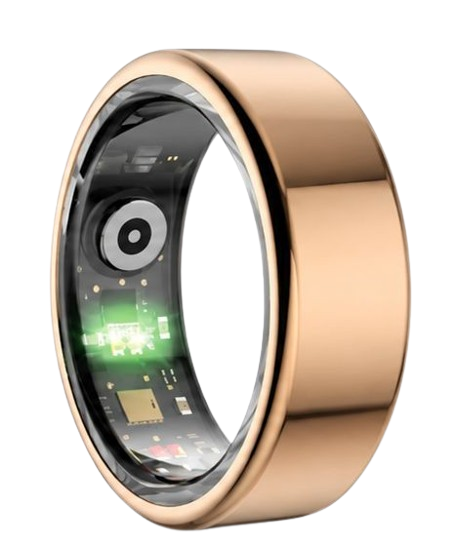
The Herz P1 Smart Ring tracks HRV, Sleep, Heart Rate & SpO2 around the clock. No subscriptions. No renewals. Ever.
In This Article
- Step-by-Step Cardio Improvement: Learn five actionable training and lifestyle methods to systematically lower your post-exercise heart rate.
- Clinical Standard Benchmarks: Discover how age-specific metrics and autonomic response dictate your optimal recovery rate.
- Active vs. Passive Recovery Science: Understand when to employ low-intensity movement versus quiet rest to protect your heart.
- Biometric Data Mastery: Find out how smart ring technology monitors heart rate fluctuations to prevent chronic overtraining.
How to Improve Your Cardio Recovery Rate: A Step-by-Step Training Guide
Prerequisites & What You Will Need
To improve your cardio recovery rate, you must first establish a consistent exercise habit.
You also need an accurate biometric tracking device to record your heart rate immediately after exertion.
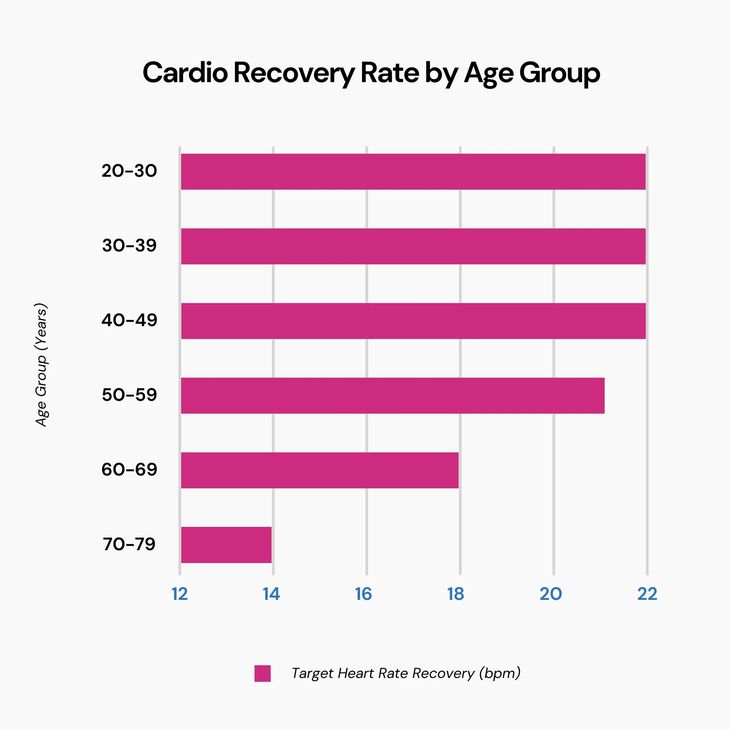
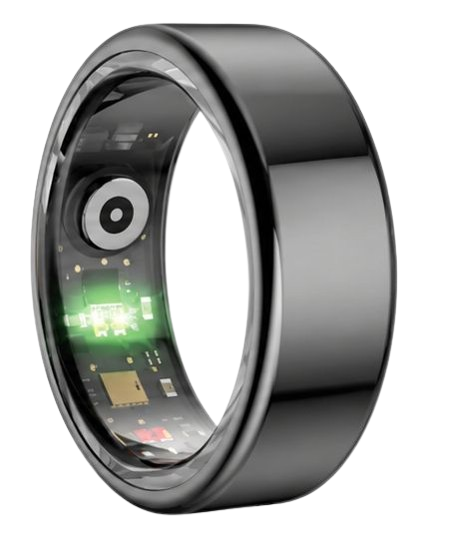
The Herz P1 Smart Ring provides excellent continuous tracking to help you monitor these precise physical fluctuations.
-
Step 1: Dedicate Time to Low-Intensity Zone 2 Aerobic Work
Building a robust cardiovascular base requires low-intensity endurance workouts that keep your heart rate in Zone 2.
You must first learn how to figure out zone 2 heart rate parameters based on your age and physical condition.
Perform these moderate workouts for at least 30 to 45 minutes, three times per week, to build baseline capillary density.
This aerobic development strengthens your left ventricle, allowing your heart to pump more blood with each individual beat.
As cardiac efficiency rises, your autonomic nervous system can restore your resting pulse much faster when intense exercise ends.
-
Step 2: Incorporate Interval Training to Challenge Peak Capacity
Once you establish an aerobic baseline, integrate structured high-intensity intervals into your weekly fitness routine.
Push your effort levels close to your limit for short bursts of 30 to 60 seconds to expand your oxygen threshold.
Rest completely or walk slowly between these hard efforts to let your heart rate drop back toward moderate levels.
This rapid transition trains your parasympathetic nervous system to step in quickly to calm your system down.
Over time, this practice directly enhances your cardio recovery capability by accelerating vagus nerve activation.
-
Step 3: Implement Structured Warm-Down Routines
Stopping a high-intensity workout suddenly causes blood to pool in your lower extremities, placing stress on your heart.
You should always perform 5 to 10 minutes of active recovery, such as light cycling or slow walking, after tough sets.
This slow movement acts as a skeletal muscle pump to return blood to your heart and brain smoothly.
Continuous workout heart rate tracking during this cool-down phase helps you verify that your pulse is descending steadily.
Avoid sitting or lying down immediately unless you feel lightheaded, as gradual recovery reduces systemic stress.
-
Step 4: Practice Deep Diaphragmatic Breathing Post-Workout
As soon as you finish your cool-down, focus on deep, controlled nose-breathing to stimulate recovery.
Inhale slowly through your nose for four seconds, hold for two, and exhale through your mouth for six seconds.
This elongated exhalation sends a chemical signal to your brain that the physical threat has ended.
It activates the vagus nerve, which immediately slows your heart rate by releasing acetylcholine.
Performing this breathing pattern for just three minutes can drastically improve your immediate post-exercise metrics.
-
Step 5: Prioritize Consistent Sleep and Hydration Cycles
Your heart cannot recover rapidly if your body is dehydrated or suffering from chronic sleep deprivation.
Aim to drink clean water throughout the day, ensuring you replenish any fluids lost during intense sessions.
Prioritize 7 to 9 hours of quality rest tonight to allow your muscle tissues and cardiovascular system to rebuild.
Deep sleep is when your parasympathetic nervous system performs critical cellular maintenance and hormonal balancing.
Consistent sleep quality directly reflects in your morning resting heart rate and next-day recovery efficiency.
To master this multi-step process, you need a precise way to monitor your body’s subtle internal signals.
The Herz P1 Smart Ring tracks your real-time heart rate trends, active sleep zones, and oxygen levels without any monthly app fees.
By reviewing these trends daily, you can easily adjust your training load to keep your heart health moving in the right direction.
Understanding Cardio Capacity and Heart Rate Benchmarks by Age
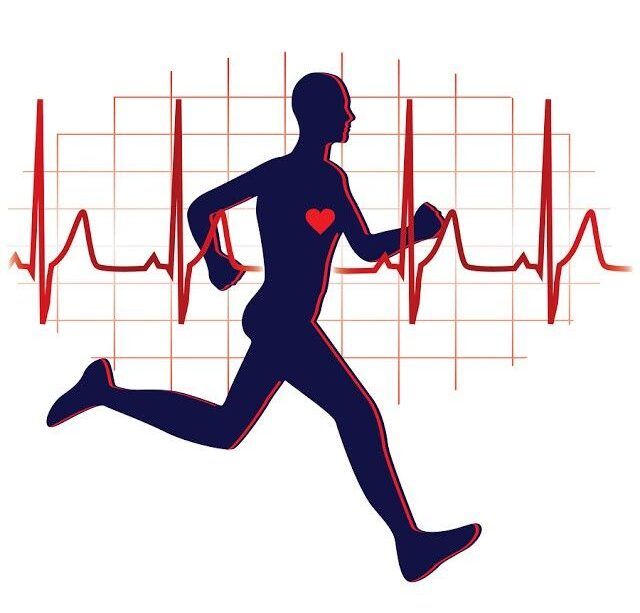
Heart rate recovery (HRR) measures how efficiently your autonomic nervous system transitions from a sympathetic state to a parasympathetic state.
Your nervous system acts as an accelerator during physical activity, driving your heart rate up to supply oxygen to working muscles.
When you stop exercising, the parasympathetic branch acts as a brake, actively calming the heart’s pace.
A sluggish recovery rate often suggests that your body is dealing with chronic stress, poor sleep, or localized overtraining.
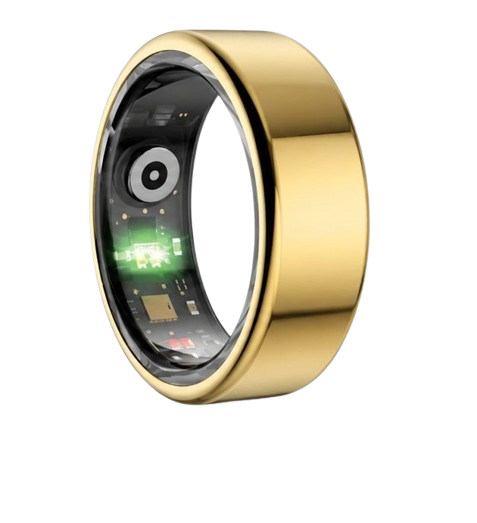
The standard benchmark for a healthy heart is a drop of at least 12 beats per minute (bpm) within the first 60 seconds after stopping exercise.
If your heart rate drops by 15 to 20 bpm in that first minute, you are in a solid fitness range.
Elite athletes often see drops of 30 bpm or more, showcasing outstanding cardiorespiratory fitness.
It is helpful to look at cardio recovery by age to understand where your heart sits on the spectrum.
As we get older, natural changes in arterial elasticity and maximum cardiac output can slow this recovery response slightly.
A baseline cardio recovery rate by age chart shows that younger populations typically bounce back quicker due to higher autonomic flexibility.
However, consistent training allows older adults to maintain a recovery rate that matches or beats sedentary younger individuals.
Understanding cardio capacity scores helps you gauge your actual physiological age compared to your calendar age.
If you are wondering what is a good cardio recovery rate for your specific age group, standard clinical references provide excellent guideposts.
The American Heart Association notes that a drop of fewer than 12 bpm within one minute of stopping a stress test can indicate cardiovascular risk.
Monitoring this metric over time allows you to keep an eye on your heart health and track positive adaptations as they happen.
The Physiology of Recovery Cardio: Active vs. Passive Regeneration

Many fitness enthusiasts confuse passive rest with targeted recovery cardio sessions.
Passive recovery involves complete stillness, such as sitting down or sleeping, which is essential for general systemic healing.
Active recovery, on the other hand, involves low-intensity exercise designed to promote blood flow without adding stress to muscle tissue.
Performing light work in your personal heart rate zones encourages lactic acid clearance from your blood.
This light effort delivers oxygen and vital nutrients to fatigued tissues, speeding up cell repair and easing muscle soreness.
It also prevents your joints from tightening up, keeping your range of motion fluid and comfortable.
When you plan these active sessions, keeping a close eye on your workout intensity is absolutely critical.
If you push too hard, you risk extending your recovery timeline and putting unnecessary strain on your endocrine system.
Your active recovery heart rate should stay well below your aerobic threshold to keep stress levels low.
Focusing on slow, steady cardio sessions is a fantastic way to learn how to increase vo2 max scores over a period of months.
These slow, baseline sessions increase your heart’s stroke volume, allowing it to pump more oxygenated blood with less effort.
This cardiac adaptation directly helps lower your overall resting heart rate and boosts your daily energy levels.
Consistently monitoring these metrics teaches you exactly when to push your limits and when to back off.
To help you visualize these differences, here is a simple breakdown of active versus passive recovery methods:
| Recovery Method | Primary Physiology Mode | Ideal Practical Application |
|---|---|---|
| Active Recovery | Gentle muscle contraction, increased capillary circulation, mild parasympathetic focus. | Slow walking, swimming, or light mobility drills kept under Zone 2. |
| Passive Recovery | Deep cellular repair, structural tissue healing, strong parasympathetic focus. | Quality overnight sleep, targeted meditation, and restorative static rest. |
| Excessive Effort | Sympathetic nervous system overload, elevated resting heart rate, high muscle breakdown. | Pushing high-intensity workouts when your body is already showing signs of deep fatigue. |
Using Biometric Smart Ring Data to Master Your Recovery
Biometric monitoring is the most accurate way to find out if your training is actually improving your health.
The Herz P1 Smart Ring App acts as your personal health command center by continuously analyzing your biological signals.
By monitoring Heart Rate Variability (HRV) and Resting Heart Rate (RHR) every morning, you get an accurate picture of your autonomic balance.
A higher morning HRV score shows that your nervous system is balanced and ready to handle intense physical effort.
A sudden drop in HRV suggests that your body is still recovering from yesterday’s stress or a restless night’s sleep.
Using active heart rate monitoring during physical activity gives you real-time data to help you manage your effort levels.
The compact, lightweight design of the Herz P1 makes it incredibly comfortable to wear 24 hours a day, 7 days a week.
Unlike bulky, heavy sports watches that can feel uncomfortable to sleep in, this sleek ring is practically unnoticeable on your finger.
This comfort is essential for collecting accurate sleep architecture data, including deep, light, and REM sleep phases.
With its durable, waterproof military-grade steel body, you can wear it in the shower, pool, or gym without a second thought.
Avoiding Common Training Mistakes That Stifle Cardiovascular Progress
Many fitness enthusiasts accidentally slow down their cardiorespiratory progress by making avoidable errors.
The most common mistake is failing to track sleep metrics simply because their tracking watch is too bulky to wear to bed.
This creates a massive gap in your health data, as nocturnal heart rate recovery is a primary indicator of nervous system health.
Another major frustration for users is dealing with hidden subscription fees to access their own biometric data.
Many premium smart rings lock your sleep analysis and historical heart rate charts behind steep monthly paywalls.
We believe your personal health data should belong to you, which is why the Herz P1 App is free for life with no hidden charges.
Additionally, pushing through intense workouts when your recovery scores are low can easily lead to overtraining syndrome.
Consistently overriding your body’s warnings can cause your max vo2 levels to plateau or even drop over time.
Use your real-time biometric trends to train smarter, avoid fatigue, and keep your fitness journey on a steady, sustainable path.
Frequently Asked Questions About Cardio Recovery and Smart Rings
Is the Herz P1 Smart Ring waterproof?
Yes, the Herz P1 is fully IP68 waterproof and built to withstand continuous water exposure down to 164 feet.
You can wear it while swimming laps, taking hot showers, washing dishes, or sweating through intense cardio workouts without worry.
How long does the ring battery last on a single charge?
Our smart ring features an efficient battery that lasts up to 6 days of continuous monitoring on a single charge.
When the battery runs low, it charges back up to 100% in under an hour using the included fast-charging cradle.
Which finger is the best option to wear my smart ring on?
We recommend wearing the Herz P1 on your index, middle, or ring finger for the most accurate sensor readings.
Make sure the ring fits snugly without being too tight, allowing the internal optical sensors to stay in close contact with your skin.
Can the Herz P1 store my biometric data offline?
Yes, the ring has secure built-in local storage that can hold up to 7 days of raw biometric data offline.
Your saved metrics will automatically sync to the companion app the next time your ring connects to your phone via Bluetooth.
90-Day 100% Money-Back Guarantee
“The Herz Smart Ring helps me manage stress easily. It’s accurate, stylish, and lightweight—perfect for my busy life!”
— Jennifer P. | ✔ Verified Customer
- ✓ 6-Day Battery Life
- ✓ Detailed Sleep Analysis
- ✓ Fast 1-Hour Charging
- ✓ iOS & Android Ready
Questions? Call: 1-866-479-1629
Elevate Your Heart Health with the Herz P1
Understanding and improving your cardiovascular recovery rate is a continuous, highly rewarding journey.
By combining structured training, smart recovery methods, and accurate daily biometric tracking, you can systematically improve your heart health.
The Herz P1 Smart Ring provides the consistent, subscription-free data you need to make smart, informed lifestyle choices every single day.
Ready to monitor your health every day?
Explore the Herz P1 Smart Ring and see if it fits your lifestyle.
Call: 1-866-479-1629 — our team can help you advise on the correct ring size and set personalized health goals.
