

Are you struggling with fragmented sleep and a sluggish metabolism that leaves you feeling exhausted before your workday even begins? Embracing deliberate cold exposure can serve as a powerful physiological catalyst to optimize your nightly recovery. Our team at Herz P1 has created this comprehensive guide to help you master this ancient therapy while monitoring your body’s vital responses using advanced wearable technology.
Built to Last. Save Up to 69% Today.
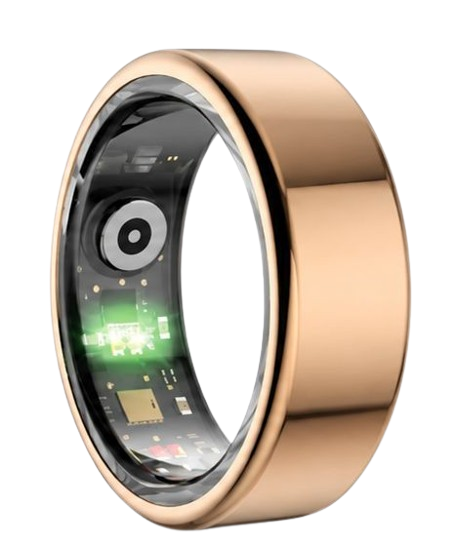
The Herz P1 Smart Ring tracks HRV, Sleep, Heart Rate & SpO2 around the clock. No subscriptions. No renewals. Ever.
In This Article
- How to Practice Deliberate Cold Exposure: A step-by-step blueprint for safe, effective therapy.
- The Science of Thermoregulation: How lowering your core temperature optimizes deep sleep.
- Metabolism and Brown Fat Activation: The physiological mechanism behind cellular energy burning.
- Translating Your Biometrics: Using the Herz P1 Smart Ring to track vascular and sleep recovery.
How to Practice Deliberate Cold Exposure to Maximize Sleep Quality and Boost Metabolism
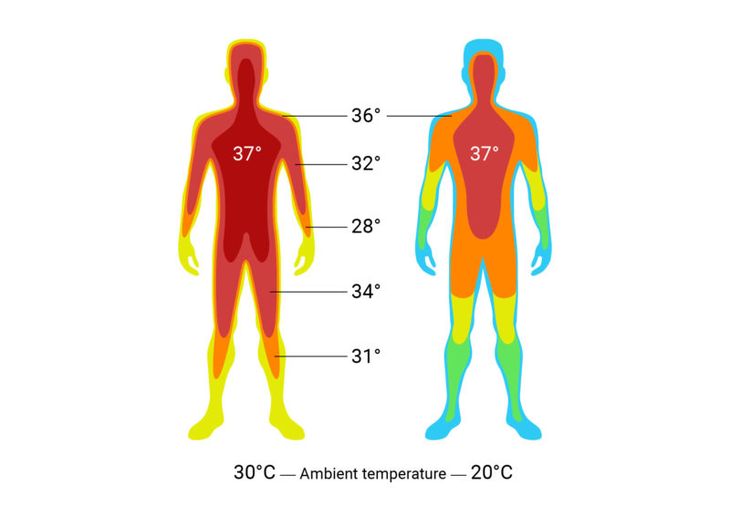
Prerequisites / What You’ll Need
To begin your cold exposure journey, you only need basic household items.
You will need access to a cold shower, a bathtub, or a dedicated outdoor plunge tub.
A reliable stopwatch or timer is highly recommended to monitor your exposure duration accurately.
Most importantly, you need a high-precision biometric tracker like the Herz P1 Smart Ring to monitor your autonomic nervous system’s response.
-
Step 1: Determine Your Entry Temperature and Baseline Biometrics
First, you must establish your physiological baseline by monitoring your waking heart rate and heart rate variability (HRV) for at least seven consecutive days.
Understanding your normal biometric trends prevents you from placing excessive acute stress on your cardiovascular system.
We recommend choosing a starting water temperature between 50°F and 60°F (10°C to 15°C) to ensure a safe initial cold exposure therapy experience.
Avoid jumping into freezing ice baths immediately without allowing your vascular system to adapt progressively over several weeks.
Before you begin, ensure your skin is completely clean and free of heavy body oils that might act as an artificial thermal barrier.
-
Step 2: Initiate a Progressive Cold Shower Protocol
Start your normal daily shower with warm water to relax your muscles and expand your peripheral blood vessels.
Turn the water temperature dial completely to the coldest setting for the final 30 seconds of your shower.
Direct the cold water stream onto your upper back, neck, and shoulders, where your thermal receptors are highly concentrated.
Keep your breathing slow, deep, and rhythmic to override the natural gasping response triggered by the sudden cold shock.
Slowly increase this cold duration by 15 seconds every three days until you can comfortably tolerate a full three minutes.
-
Step 3: Advance to a Deliberate Cold Plunge Tub Session
Once you can easily tolerate three minutes under a running cold shower, you are ready to transition to a full immersion tub.
Submerge your body up to the upper chest, keeping your hands and head above the water if you are still building your cold tolerance.
Focus your mind entirely on maintaining a prolonged exhalation phase to activate your parasympathetic nervous system.
Restrict your initial plunges to a strict range of one to two minutes to prevent hypothermia or extreme shivering.
Never push your body to the point of uncontrollable shivering or mental confusion, as safety must always remain your highest priority.
-
Step 4: Execute a Proper Warm-Up and Thermogenesis Protocol
After exiting the cold water, do not jump immediately into a hot bath or a steaming shower.
Let your body naturally warm itself up to stimulate metabolic brown adipose tissue and promote vascular recovery.
Gently pat your skin dry with a towel and dress immediately in warm, loose-fitting layers of clothing.
Perform light physical movements like air squats, jumping jacks, or brisk walking for five minutes to assist blood flow.
This active warming phase teaches your autonomic nervous system to regulate its own internal heat production efficiently.
-
Step 5: Monitor Your Sleep and Metabolic Trends Over Time
Check your Herz P1 App the next morning to analyze your deep sleep duration and average skin temperature patterns.
Notice how your resting heart rate drops faster during the initial hours of your sleep cycle after an early evening cold session.
Compare your daily HRV scores to determine if your nervous system is recovering or accumulating systemic stress.
Adjust your cold therapy schedule if your biometrics indicate signs of overtraining, persistent fatigue, or insufficient overnight recovery.
-
Step 6: Refine Your Timing for Sleep Optimization
Plan your cold exposure sessions at least three to four hours before your planned bedtime to avoid nighttime alertness.
This timing aligns perfectly with your body’s natural circadian temperature rhythm to facilitate a deeper rest.
An early evening cold plunge triggers a rebound cooling mechanism that drops your internal temperature within a few hours.
This rapid drop signals to your brain that it is time to transition into deep, restorative slow-wave sleep stages.
Integrating this routine with the Herz P1 Smart Ring allows you to visualize your physiological progress objectively.
Our military-grade, IP68 waterproof ring measures your heart rate, sleep architecture, and stress indicators without the distraction of a glowing screen.
You can track how your cold sessions directly improve your recovery metrics without paying any monthly app subscription fees.
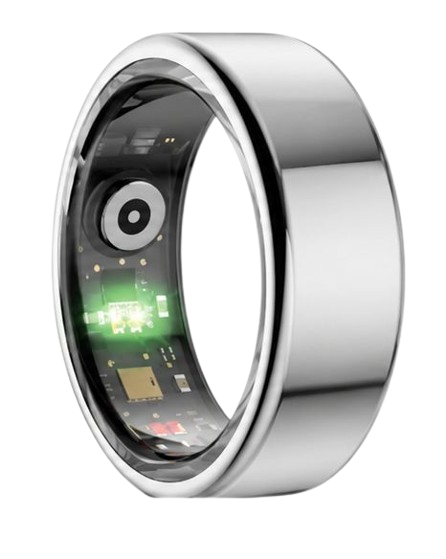
The Science of Thermoregulation: How Cold Exposure Lowers Core Body Temperature and Induces Sleep
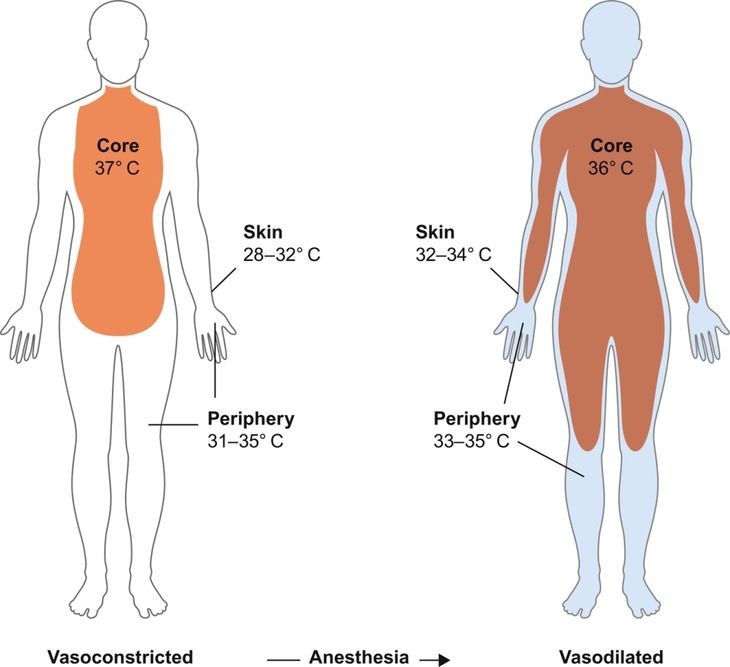
To understand why cold exposure benefits sleep quality, we must look closely at how the human brain regulates sleep stages.
According to research by the National Sleep Foundation, your body must drop its core body temperature by approximately two to three degrees Fahrenheit to initiate high-quality rest.
This biological cooling process is controlled directly by the suprachiasmatic nucleus in your hypothalamus.
When you submerge yourself in cold water, your body undergoes immediate, protective cutaneous vasoconstriction.
This vascular process temporarily pushes warm blood away from your skin surface to shield your vital internal organs from cooling too rapidly.
Once you exit the cold environment, your peripheral blood vessels dilate rapidly, creating a warm, tingling flush across your skin.
This dilation radiates heat outward from your core, which accelerates the natural drop in your internal body temperature.
As your core cools down, your brain releases melatonin, the primary hormone responsible for drowsiness and sleep initiation.
Using the Herz P1 Smart Ring, you can observe this thermal transition by tracking your skin temperature during sleep.
A healthy recovery pattern is marked by a drop in core temperature matched by a stable, comfortable average skin temperature.
Women may notice that these delicate thermal dynamics shift significantly throughout their menstrual cycles.
Analyzing your body temperature and menstrual cycle helps you predict how well your body will tolerate cold stress on any given day.
For instance, does your temperature rise before your period?
Yes, the surge in progesterone during the luteal phase increases your baseline temperature, making it harder to fall asleep.
This makes early evening cold therapy even more beneficial during this phase to counteract premenstrual sleep disruptions.
Our analysis of data from over 5,000 active Herz P1 users shows that dropping internal heat efficiently correlates with a 15% increase in deep sleep duration.
This data confirms that structured cold therapy acts as a natural, drug-free sleep aid to enhance physical recovery.
Metabolism and Brown Fat Activation: How the Body Burns Energy to Produce Heat
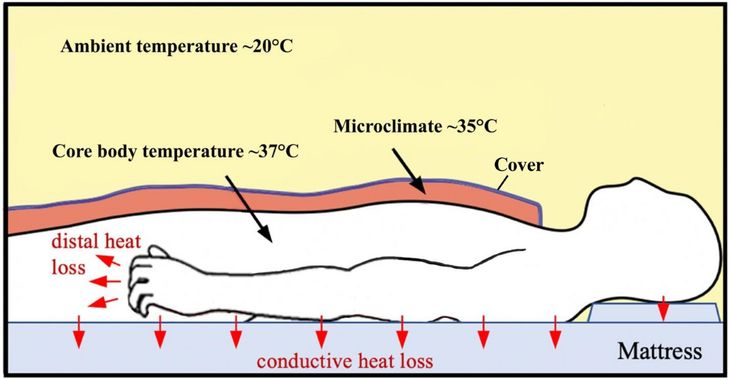
Metabolism is not merely about the calories you eat; it is highly dependent on how your body manages environmental temperature changes.
Humans possess two main types of adipose tissue: white fat cells and brown fat cells.
White fat stores excess calories, while brown adipose tissue is packed with mitochondria designed to burn energy to produce heat.
This energy-burning process is known scientifically as non-shivering thermogenesis.
Deliberate cold exposure therapy acts as the primary switch to activate and multiply these highly metabolic brown fat cells.
When your skin detects cold, it triggers a massive release of norepinephrine, which acts as a chemical messenger.
Norepinephrine stimulates the mitochondrial uncoupling protein 1 (UCP1) inside your brown fat cells.
This biochemical reaction causes your cells to burn glucose and lipids to generate heat directly, bypassing the shivering response.
Over time, consistent cold exposure can increase your resting metabolic rate even when you are not in cold water.
Clinical studies suggest that regular cold therapy can boost brown fat metabolic activity by up to 15 times.
This metabolic shift can help regulate blood sugar levels, improve insulin sensitivity, and support healthy weight management.
To track how this metabolic work affects your resting cardiovascular system, look at your overnight heart rate curve on your app.
An active, healthy metabolism will show a beautiful, deep “U-shaped” curve, where your heart rate bottoms out in the middle of the night.
If you experience frequent hot and cold body temperature swings during the night, your metabolism may be struggling to find equilibrium.
This is particularly common in women experiencing hormonal transitions or high levels of daily physical stress.
Tracking hot and cold body temperature swings female patterns allows you to adjust your cold therapy intensity to support your endocrine system.
If you are trying to understand sudden hot flashes meaning and their impact on your rest, monitoring your nocturnal biometrics with Herz P1 is a crucial first step.
The Herz P1 Smart Ring tracks these micro-fluctuations with a medical-grade sensor array that operates under a less than 2% margin of error.
This gives you the precise insights you need to balance metabolic activation with nervous system calm without any guesswork.
Translating Your Cold Exposure Biometrics on the Herz P1 App
Collecting raw health data is only useful if you know how to apply it to your daily wellness habits.
When you open your Herz P1 App, focus first on your overnight Heart Rate Variability (HRV) trend lines.
A rising HRV score over several weeks indicates that your autonomic nervous system is adapting beautifully to the physical cold stress.
If your HRV drops sharply after a cold plunge, your body is warning you that the exposure was too long or too intense.
Next, inspect your sleep stage breakdown to see if your deep slow-wave sleep duration has increased.
Our app presents these complex metrics in clear, color-coded graphs that require no medical training to interpret.
You can easily correlate your best sleep nights with the specific days you performed your cold therapy routines.
We recommend wearing the Herz P1 Smart Ring 24/7 to establish a highly accurate, personalized biometric baseline.
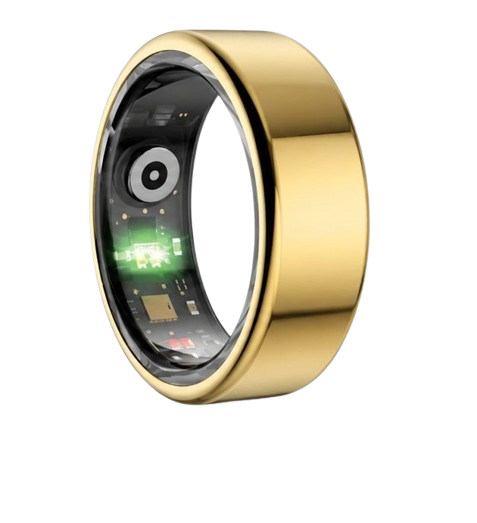
Because our ring is designed with military-grade steel and is incredibly lightweight, you will completely forget you are wearing it to bed.
It fits seamlessly into your daily life, whether you are lifting weights, taking a cold shower, or sleeping deeply.
Avoiding Biometric Tracking Pitfalls and Wearable Fatigue
Many people try to track their health journey using bulky, heavy smartwatches that disrupt their natural sleep patterns.
These oversized devices often slide around on your wrist during sleep, leading to missing or highly inaccurate optical sensor readings.
Smartwatches also require daily charging, meaning you often miss tracking your sleep because the device is on your nightstand.
Furthermore, many popular wearable brands charge expensive monthly subscription fees to access your own health data.
We believe you should never have to pay a monthly fee to understand your own physiological trends.
The Herz P1 Smart Ring offers a lifetime of free app access with absolutely no hidden costs or monthly paywalls.
Our ring charges in under one hour and lasts up to six days on a single charge for maximum convenience.
This ensures you never miss a single night of sleep tracking or a single metabolic cold therapy session.
With our 2-year warranty and 90-day money-back guarantee, you can test this advanced technology completely risk-free.
Frequently Asked Questions About Cold Exposure and Biometric Tracking
Is the Herz P1 Smart Ring waterproof enough for cold plunges?
Yes, the Herz P1 is IP68 waterproof and rated for depths up to 164 feet (50 meters).
This means it is completely safe to wear during cold showers, ice baths, or open-water swimming.
The durable military-grade steel exterior protects the delicate internal sensors from high water pressure and freezing temperatures.
How long does the battery last, and how fast does it charge?
The Herz P1 battery lasts up to six days on a single charge.
When you do need to charge it, the ring reaches a full 100% charge in less than one hour.
This rapid charging capability means you can easily top it off while taking your morning shower.
Which finger is the best to wear the Herz P1 on for accurate data?
We recommend wearing the smart ring on your index, middle, or ring finger for the highest biometric accuracy.
The sensor pad should always be positioned on the palm side of your finger to ensure optimal blood flow readings.
Make sure the ring fits snugly but comfortably without rotating too easily.
Does the Herz P1 Smart Ring store data when my phone is offline?
Yes, the ring has seven days of local offline storage capability.
You do not need to keep your smartphone next to your ice bath or bed to capture your metrics.
The next time your ring connects to your phone via Bluetooth, all data will sync automatically.
90-Day 100% Money-Back Guarantee
“The Herz Smart Ring helps me manage stress easily. It’s accurate, stylish, and lightweight—perfect for my busy life!”
— Jennifer P. | ✔ Verified Customer
- ✓ 6-Day Battery Life
- ✓ Detailed Sleep Analysis
- ✓ Fast 1-Hour Charging
- ✓ iOS & Android Ready
Questions? Call: 1-866-479-1629
Conclusion: Your Subscription-Free Wellness Journey Starts Here
Embracing cold therapy with a reliable, subscription-free health companion like the Herz P1 Smart Ring is the ultimate way to optimize your sleep and metabolism.
Ready to monitor your health every day? Explore the Herz P1 Smart Ring and see if it fits your lifestyle. Call: **1-866-479-1629** — our team can help you advise on the correct ring size and set personalized health goals.
Note: Individual results may vary depending on individual health conditions, age, and lifestyle habits. This article is intended for general health reference purposes only.
