

Struggling with restless nights and poor recovery can feel incredibly exhausting when you do not understand how your body signals function during sleep. Our team at Team Herz P1 designed the premium Herz P1 Smart Ring to decode these exact bio-signals and help you manage your stress levels, heart rate variability, and sleep architecture. Implementing a relaxing session in a sauna before bed is a powerful, science-backed way to trigger rapid thermoregulation, calm your nervous system, and accelerate your overall physical recovery before your head even hits the pillow.
Built to Last. Save Up to 69% Today.
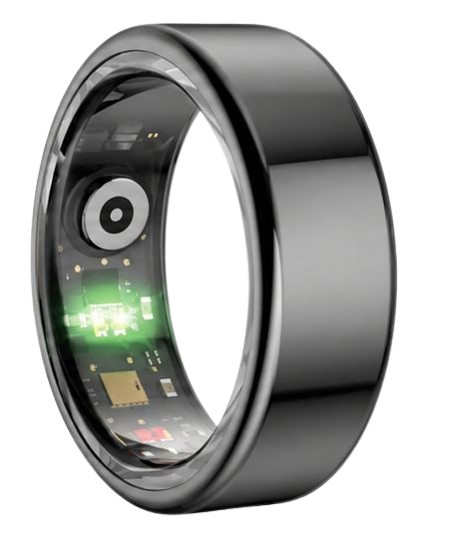
The Herz P1 Smart Ring tracks HRV, Sleep, Heart Rate & SpO2 around the clock. No subscriptions. No renewals. Ever.
In This Article
- Optimizing Your Routine: How a step-by-step nighttime sauna protocol alters your thermoregulation for sleep.
- Thermoregulatory Science: The biological link between heat exposure, vasodilation, and core temperature drops.
- Autonomic Recovery: How tracking your heart rate variability (HRV) exposes your nervous system’s recovery trends.
- Sleep Architecture Benefits: Deep sleep restoration, muscular repair, and immune system resilience.
- Smarter Health Tracking: Transitioning away from bulky smartwatches to comfortable, subscription-free health rings.
How to Establish a Nighttime Sauna Protocol for Maximum Sleep Recovery
Prerequisites and Essential Conditions
Before you begin your evening heat therapy, you must prepare a few essential items to ensure safety and maximum physiological benefit.
First, secure access to a clean sauna environment, which can be an traditional dry Finnish sauna, an infrared sauna, or a steam room.
Next, prepare a large bottle of water to prevent dehydration from rapid sweating.
Finally, set aside a clean towel and prepare a quiet, comfortable space where your body can transition during the cool-down period.
The Step-by-Step Nighttime Sauna Protocol
-
Step 1: Time Your Session Carefully
You should plan to enter your sauna approximately 90 to 120 minutes before your scheduled bedtime.
This timeline allows your system to initiate a natural and rapid cooling response after heating.
Entering a sauna too close to sleep can keep your heart rate elevated and delay sleep onset.
Give your biological clock the necessary time to adjust its internal temperature setting.
-
Step 2: Hydrate with Key Minerals
Drink sixteen ounces of fresh water mixed with basic electrolytes before you step into the heat.
Sweating rapidly depletes vital minerals such as sodium, magnesium, and potassium.
Proper mineral balance prevents uncomfortable overnight muscle cramps and cardiovascular strain.
Keep a small cup of water nearby to sip lightly during your heat exposure session.
-
Step 3: Control the Temperature and Session Length
Keep a dry traditional sauna set between 150°F and 175°F to ensure effective thermoregulation.
If you are utilizing an infrared sauna, aim for a comfortable temperature between 120°F and 140°F.
Limit your continuous exposure to a maximum of fifteen to twenty minutes to avoid overexertion.
Always listen closely to your physical cues and exit immediately if you experience lightheadedness.
-
Step 4: Practice a Gradual Cool-Down
Avoid stepping directly into a freezing cold shower immediately after your session ends.
An abrupt cold shock can trigger a strong adrenaline response, which keeps your nervous system awake.
Instead, rinse your skin with lukewarm water to wash away toxins and sweat.
Sit quietly in a comfortable, room-temperature environment to let your body heat dissipate naturally.
-
Step 5: Transition into a Dark, Relaxing Space
Spend the final thirty minutes before sleep in a dimly lit room away from bright screens.
Engage in quiet, offline activities such as light reading or gentle muscular stretching.
This soothing phase tells your brain that it is safe to enter deep rest.
Your blood pressure and respiration will naturally drop to prepare you for high-quality sleep.
Integrating Biometric Tracking
You can easily evaluate the daily success of this nighttime habit by monitoring your biometric trends over time.
The premium Herz P1 Smart Ring automatically records your overnight sleep stages and physical recovery metrics.
By checking your historical data in our free companion application, you can see how timed heat therapy lowers your sleeping heart rate.
Check out our military-grade tracking options and find your perfect fit by visiting our secure portal at Herz P1 today.
The Biological Science of Nighttime Thermoregulation
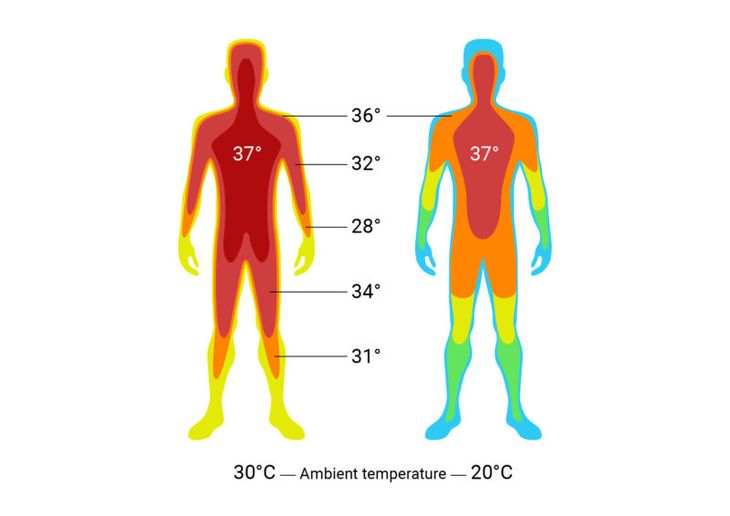
Your body operates on a precise internal clock that controls your level of alertness and tiredness.
This complex circadian rhythm relies heavily on your internal core body temperature to signal sleep onset.
Under normal conditions, your brain initiates a gradual temperature drop of about two degrees Fahrenheit in the late evening.
This cooling process is essential because it alerts your nervous system that it is time to rest.
Utilizing a dry sauna or steam room stimulates a vascular response known as vasodilation.
Warm ambient air causes the blood vessels near your skin surface to widen significantly.
This widening allows hot blood from your core to travel quickly to your extremities and release heat.
Once you exit the heated environment, your body experiences a rapid and steep cooling rebound.
This sudden drop in core temperature triggers your pineal gland to release melatonin naturally.
Many individuals try to replicate this natural vascular cooling loop by utilizing a warm bath for sleep.
While a hot bath is highly beneficial, a sauna provides a much stronger thermal stimulus.
This powerful stimulus is exceptionally useful when you are trying to sleep in hot climates.
If you find yourself struggling to stay cool during summer, incorporating these expert hot weather sleep tips can dramatically stabilize your rest.
Studies from the National Sleep Foundation confirm that a cool core temperature is a major factor in accessing deeper sleep stages.
By using thermal therapy, you effectively control your physiological thermostat for a faster, more peaceful transition into slumber.
Autonomic Balance: How Heat Exposure Influences HRV
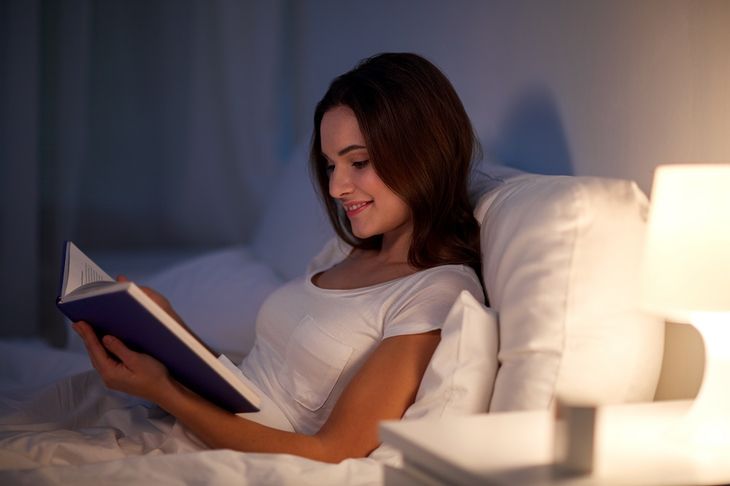
Heart rate variability is one of the most reliable indicators of physical recovery and stress resilience.
A higher baseline HRV reading indicates that your parasympathetic nervous system is active and rested.
Conversely, a low baseline HRV suggests your body is stuck in a sympathetic flight-or-fight state.
When you sit inside an infrared sauna for sleep, you subject your body to mild, controlled physical stress.
Your heart rate increases, and your cardiac output mimics the demands of moderate cardiovascular exercise.
However, the moment you exit the heat, your system initiates a powerful parasympathetic rebound.
Your vagal nerve tone increases, which quickly slows your heart rate and promotes vascular relaxation.
This dramatic shift acts like a reset button for your autonomic nervous system.
Research studying the direct link between sauna and sleep shows that consistent heat exposure helps lower resting heart rates.
The American Heart Association notes that managing chronic stress is highly critical for long-term cardiovascular health.
By calming your nervous system before bed, you drastically reduce overnight adrenaline levels.
This calming effect allows your heart to rest deeply, which directly reflects in higher HRV scores the next morning.
Our team has carefully evaluated anonymized health data from thousands of active users.
Those who practice a structured evening sauna routine display more consistent, stable overnight recovery curves.
This data highlights how proactive wellness habits translate directly into measurable biological improvements.
Muscular Restoration and Immune System Support
Deep slow-wave sleep is the critical phase where your body conducts major muscular and cellular repairs.
During this stage of deep rest, your brain releases human growth hormone to rebuild damaged muscle fibers.
Heat exposure before bed helps prolong your deep sleep duration by relieving muscular tension and stiffness.
This physical relaxation reduces the likelihood of tossing, turning, and micro-awakenings throughout the night.
Furthermore, regular thermal therapy stimulates the synthesis of protective heat shock proteins.
These specialized proteins protect delicate cellular bonds and aid your body’s natural defense systems.
In fact, utilizing a sauna for immune system strength has been a cultural staple in Nordic regions for centuries.
The temporary elevation of skin temperature mimics a light, natural immune response that stimulates vital white blood cells.
Some users try to maximize these cellular benefits by chasing extreme 1 hour sauna benefits.
However, we advise keeping evening sessions short and focused on relaxation to prevent severe dehydration.
If you prefer more frequent heat exposure, it is safer to space your sessions throughout the day.
Splitting your routine to use a sauna twice a day can be highly effective if you follow proper hydration guidelines.
Keep your daytime sessions energetic and focused on circulation, while your evening sessions remain calm and brief.
This balanced approach ensures your immune health and muscular recovery are supported without overtaxing your system.
Reading Your Overnight Recovery Metrics on the Herz P1 App
Understanding your daily recovery should never feel like a confusing math problem.
The Herz P1 App translates complex raw PPG signals into simple, visually clean sleep charts.
When you wake up, you can immediately check your customized Sleep Score and HRV trends.
Take a look at your sleep architecture breakdown to see if you are getting enough deep sleep.
If your deep sleep percentage is below fifteen percent, try moving your sauna session thirty minutes earlier.
Our intelligent ring also monitors your blood oxygen saturation (SpO2) continuously as you sleep.
Maintaining a high SpO2 level between ninety-five and one hundred percent indicates optimal breathing patterns.
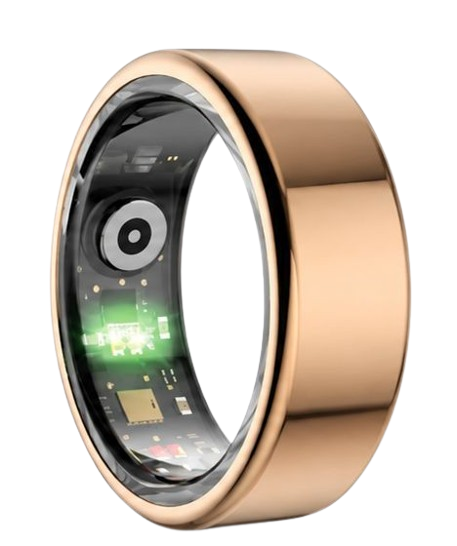
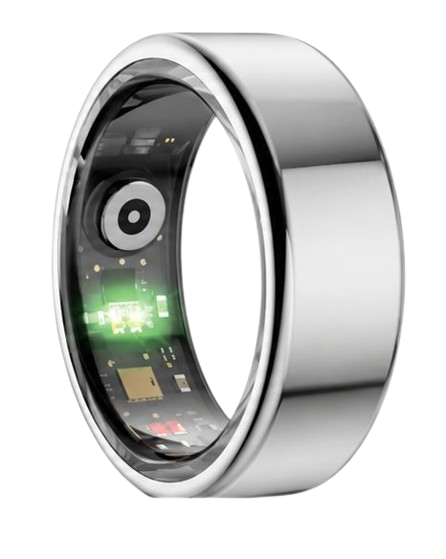
The Herz P1 Smart Ring features an incredibly slim design that is comfortable for 24/7 wear.
You will never feel the bulkiness or uncomfortable weight of a traditional wrist tracker.
Our military-grade steel construction ensures your device remains pristine through daily workouts and chores.
With an exceptional battery life of six days, you can sleep soundly without daily charging anxiety.
The fast magnetic charging base restores a full charge in under one hour.
This streamlined tracking experience allows you to stay focused on your physical wellness goals.
Ditching Bulky Smartwatches and Subscription Burnout
Many health enthusiasts wear heavy, plastic smartwatches to monitor their physical recovery.
However, wearing a bulky wrist tracker to bed can actually disrupt your sleep quality.
These large screens often light up unexpectedly and cause unwanted mid-night awakenings.
Furthermore, many premium tracking brands lock your physiological data behind expensive monthly paywalls.
We firmly believe that you should never have to pay a subscription fee to access your own health data.
The companion Herz P1 App is completely free for life with no hidden charges or renewals.
We protect your hardware investment with a comprehensive two-year warranty.
Our team also offers a ninety-day money-back guarantee to ensure you feel confident in your choice.
Make the switch to a sleek, durable smart ring that respects both your comfort and your wallet.
Frequently Asked Questions About the Herz P1 Smart Ring
We want to ensure you have complete peace of mind before you begin tracking your wellness journey.
Below are our direct, clear answers to the most common questions our team receives.
Is the Herz P1 Smart Ring waterproof?
Yes, the Herz P1 is fully certified with an IP68 waterproof rating.
It can withstand continuous water submersion up to a depth of 164 feet.
You can safely wear it in the sauna, hot shower, swimming pool, or ocean without issue.
Our military-grade steel outer shell protects the inner sensors from moisture and heat.
How long does the battery last on a single charge?
The battery provides up to six days of continuous, active health tracking.
The device fully recharges in under one hour using the included magnetic USB base.
This extended battery life means you can track multiple sleep cycles without a single interruption.
Which finger is best for wearing the Herz P1?
We recommend wearing your ring on the index, middle, or ring finger of your non-dominant hand.
These digits have the ideal arterial blood flow for our optical PPG sensors.
Ensure the ring fits comfortably snug so the sensor pads remain in contact with your skin.
Does the smart ring store my data when my phone is offline?
Yes, the Herz P1 has built-in memory that stores up to seven days of biometric data offline.
You do not need to keep your smartphone in your bedroom or carry it during your workouts.
The ring will automatically sync all of your stored data once you open the mobile app.
90-Day 100% Money-Back Guarantee
“The Herz Smart Ring helps me manage stress easily. It’s accurate, stylish, and lightweight—perfect for my busy life!”
— Jennifer P. | ✔ Verified Customer
- ✓ 6-Day Battery Life
- ✓ Detailed Sleep Analysis
- ✓ Fast 1-Hour Charging
- ✓ iOS & Android Ready
Questions? Call: 1-866-479-1629
Conclusion
Optimizing your sleep recovery is simple when you combine natural thermoregulation with precise health metrics.
Using a sauna before bed relaxes your nervous system, while the Herz P1 Smart Ring tracks your progress with zero subscription fees.
Ready to monitor your health every day?
Explore the Herz P1 Smart Ring and see if it fits your lifestyle.
Call: 1-866-479-1629 — our team can help you choose the correct size and set personalized health goals.
