

Understanding your exact cardio capacity is the single most critical step toward reversing your vascular age and optimizing daily energy. The premium, subscription-free Herz P1 smart ring monitors your vital signs continuously to calculate your real biological heart health age. This comprehensive guide will show you exactly what these metrics mean and how to naturally lower your cardiovascular age.
Built to Last. Save Up to 69% Today.
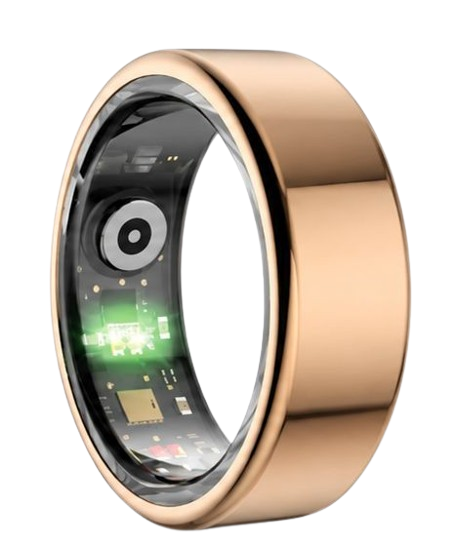
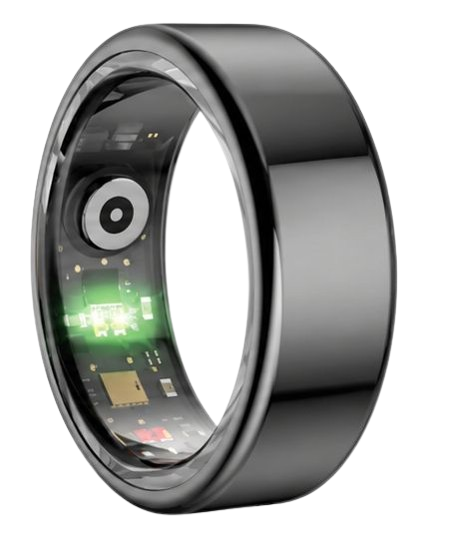
The Herz P1 Smart Ring tracks HRV, Sleep, Heart Rate & SpO2 around the clock. No subscriptions. No renewals. Ever.
In This Article
- Defining Cardio Capacity: Learn how maximum oxygen consumption dictates biological heart age.
- The Science of Optical Sensors: Discover how photoplethysmography tracks arterial flexibility.
- Actionable Improvement: Implement physical and recovery protocols to lower your heart health age.
- Common Tracking Errors: Avoid bulky wrist bands and hidden subscription costs.
What is Your Cardio Capacity and How Does It Determine Your Cardiovascular Age?
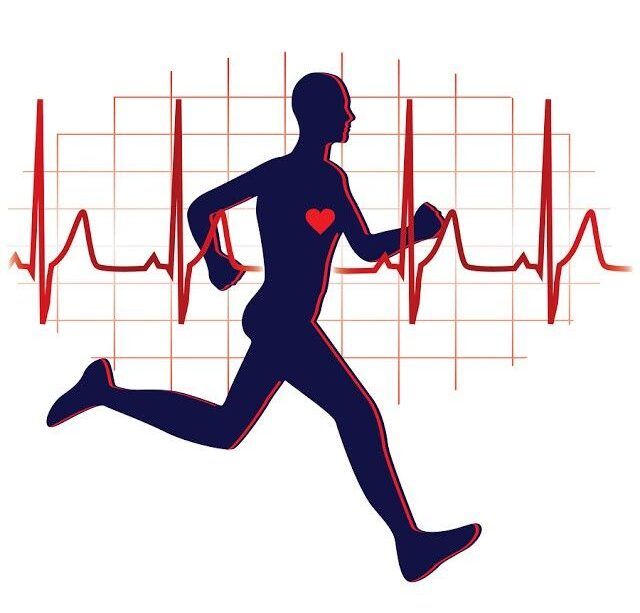
Your cardio capacity represents the absolute maximum volume of oxygen your body can process during peak physical performance.
Exercise scientists frequently refer to this fundamental physiological metric as VO2 max.
This system determines how efficiently your lungs extract oxygen, how powerfully your heart pumps blood, and how effectively your muscles utilize that energy.
A higher aerobic efficiency means your organs receive a rich, continuous supply of oxygenated blood with minimal strain on your cardiac muscle.
Your biological cardiovascular age acts as a comparative metric that aligns your actual vascular function with statistical averages of specific age brackets.
For example, if your arterial elasticity and aerobic performance match those of a typical healthy twenty-five-year-old, your vascular age is twenty-five.
This biological metric can differ dramatically from your actual calendar age based entirely on your consistent lifestyle choices, genetics, and daily activity levels.
Understanding what is cardiovascular age helps you identify if your internal organs are aging faster or slower than your chronological timeline.
This measurement serves as a powerful predictive marker for long-term physical endurance, cardiovascular resilience, and overall systemic vitality.
Anyone experiencing chronic afternoon fatigue, elevated resting heart rates, or sudden breathlessness during light exercise should pay close attention to this metric.
These vascular changes occur continuously within the microscopic endothelial lining of your blood vessels and your cellular mitochondria.
The assessment of this biological age becomes incredibly vital once we pass the age of thirty when natural aerobic capacity begins to decline.
Evaluating your specific max vo2 levels is the most scientifically validated way to calculate this biological score.
A healthy heart must be highly adaptable to changes in movement, stress, and environmental demands.
Modern wearable sensors can estimate these metrics by observing how your pulse transitions across different heart rate zones during daily activities.
Achieving a score that is five to ten years younger than your chronological birth year is considered an outstanding target.
Conversely, a cardiovascular age that exceeds your chronological age indicates a clear need for progressive lifestyle adjustments.
Fortunately, your vascular system is highly plastic and can be successfully remodeled through smart, consistent lifestyle modifications.
If you want to track this in real time, the Herz P1 Smart Ring monitors these biometric trends 24/7 — explore it here.
The Science of Optical Sensors in Estimating Your Cardiovascular Age
Modern consumer wearable devices utilize advanced optical sensors to look directly through your skin at the blood flowing beneath.
This optical technology is formally known as photoplethysmography or PPG.
High-precision green, red, and infrared light-emitting diodes illuminate the dense capillary beds in your finger.
The sensor measures the light reflected back to detect minute changes in blood volume during every single cardiac contraction.
These optical fluctuations form a distinct wave pattern known as a photoplethysmogram.
Advanced algorithmic software analyzes the precise shape of this pulse wave to evaluate your overall vascular elasticity.
Pliable, youthful arteries produce a smooth, rapid pulse wave with a pronounced secondary peak.
Stiffened, older blood vessels cause the pulse wave to rebound too quickly, flattening the secondary curve.
By comparing your unique wave shape against clinical databases, the device estimates your true heart health age.
The American Heart Association highlights that arterial stiffness is an independent predictor of overall cardiovascular risk.
Tracking these subtle pulse changes helps you visualize your vascular health trends long before structural issues develop.
How Pulse Wave Analysis Translates into Heart Health Age
Your blood vessels expand and contract dynamically with each beat of your heart.
This arterial compliance keeps your physical workload balanced and maintains healthy resting pressures.
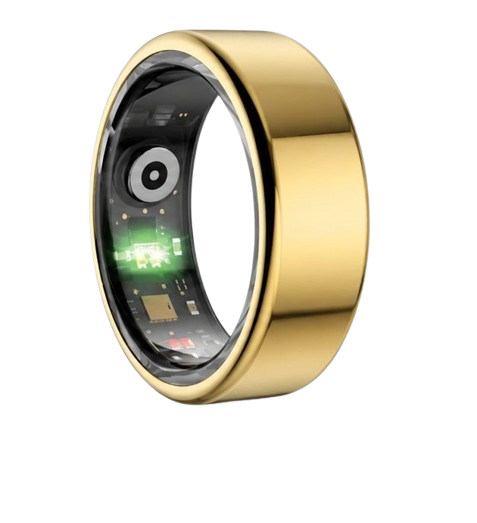
The optical sensor array in the Herz P1 Smart Ring captures over one hundred pulse data points per second.
This high sampling rate allows the algorithm to detect even microscopic changes in vascular resistance.
Over several days of continuous wear, the app establishes your personal biological baseline.
It filters out temporary spikes caused by morning caffeine, sudden stresses, or physical movement.
This results in a highly stable, scientifically grounded estimate of your true vascular age.
Analyzing Heart Rate Variability and Arterial Elasticity
Another crucial metric used to determine vascular age is Heart Rate Variability, commonly abbreviated as HRV.
HRV measures the tiny, millisecond-level differences in time between your consecutive heartbeats.
A highly variable heartbeat indicates a nervous system that is deeply relaxed and responsive to environmental changes.
Conversely, a rigid, highly predictable heartbeat pattern suggests a body trapped in a chronic fight-or-flight stress response.
Analyzing your HRV during sleep offers a direct window into your autonomic nervous system’s recovery capacity.
The device combines these nocturnal HRV measurements with your active workout heart rate profiles.
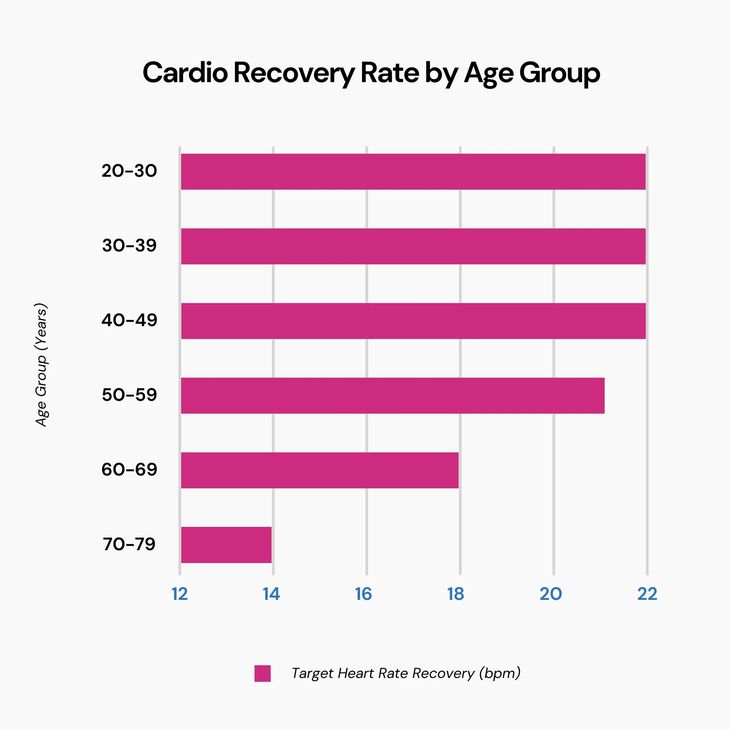
Evaluating how quickly your pulse drops after intense physical exertion provides your precise cardio recovery score.
A fast recovery rate is a classic indicator of high aerobic fitness and a resilient, youthful heart.
The Herz P1 Smart Ring integrates these complex calculations into a single, intuitive dashboard with zero user effort required.
Decoding Cardio Capacity Low Meaning: When Your Heart Ages Prematurely

When your wearable device reveals that your cardio capacity low meaning is a reality, it HTML signifies a mismatch between oxygen demand and physical delivery.
A low aerobic capacity indicates that your heart must pump significantly harder to sustain basic muscular activity.
This persistent cardiovascular strain can lead to chronic fatigue, decreased cognitive focus, and reduced exercise stamina.
Biologically, a low score means your vascular system has lost some of its youthful elasticity and oxygen-carrying efficiency.
This status often points to a sedentary lifestyle, high chronic stress, or poor quality sleep patterns.
Understanding this metric is the first step toward reclaiming your physical energy and vitality.
The Physiological Impact of a High Vascular Age
A high vascular age indicates that your blood vessels are behaving like those of a much older demographic.
This premature aging of the arteries limits their ability to expand and contract dynamically with your heartbeat.
As a result, your resting blood pressure may rise as your heart works against increased resistance.
The National Institutes of Health suggest that monitoring arterial age can provide early warnings for systemic health changes.
This biological state restricts oxygen delivery to critical tissues, including your brain, muscles, and vital organs.
Over time, this continuous cellular oxygen deprivation accelerates physical aging and lowers daily energy production.
Why Chronological Age and Biological Heart Age Diverge
Your calendar age is a fixed number that progresses forward regardless of how you live.
Your biological heart age is an incredibly dynamic metric that responds directly to your daily physical inputs.
Chronic lack of sleep, poor nutritional choices, and physical inactivity can rapidly age your vascular system.
On the other hand, structured training protocols allow an older individual to maintain the arteries of a young adult.
Learning how to increase vo2 max is the most efficient method to reverse this premature vascular aging process.
With consistent tracking, you can watch your biological age drop even as your chronological age increases.
The Team Herz P1 algorithm helps you visualize this positive divergence clearly on your personal mobile dashboard.
How to Lower Your Cardiovascular Age: A Practical Guide to Reversing Vascular Time
Lowering your cardiovascular age requires a deliberate combination of progressive physical stimulus and deep systemic recovery.
You do not need to perform grueling, painful workouts to see dramatic improvements in your heart health.
In fact, a highly structured, low-intensity approach is often far more effective for arterial remodeling.
By following a clear plan, you can gradually increase your aerobic baseline and restore your blood vessels’ youthful elasticity.
Implementing Zone 2 Training Protocols
Zone 2 training is widely regarded by cardiologists as the foundation of long-term cardiovascular health.
This training zone involves exercising at a pace where you can comfortably maintain a conversation but still feel slightly challenged.
This specific metabolic state optimizes your cellular mitochondria to burn fat and utilize oxygen with maximum efficiency.
To begin, you must learn how to figure out zone 2 heart rate parameters based on your physiology.
This level corresponds to approximately sixty to seventy percent of your maximum heart rate.
You can easily manage this effort by consulting a professional workout intensity chart.
Aim for at least one hundred and fifty minutes of this low-intensity aerobic work spread throughout each week.
Consistent Zone 2 training naturally increases your stroke volume, allowing your heart to pump more blood with fewer beats.
Optimizing Recovery and Sleep Architecture
Physical training is simply the stimulus, while your actual physiological improvements occur entirely during rest.
Deep sleep is the precise phase when your body repairs cellular micro-damage and releases vital growth hormones.
Chronic sleep deprivation raises cortisol levels, which constricts blood vessels and increases systemic arterial stiffness.
Ensuring you achieve at least ninety minutes of deep sleep each night is essential for lowering your heart age.
Establishing a consistent sleep schedule helps stabilize your autonomic nervous system and boosts your waking HRV.
The Herz P1 Smart Ring tracks your exact sleep phases, showing you how your rest directly impacts your vascular recovery.
Active Daily Monitoring and Tracking Progress
To make meaningful improvements, you must consistently measure how your body responds to daily habits.
Utilizing active heart rate monitoring throughout your workday helps you identify hidden stress triggers.
Observing how your resting heart rate drops over several weeks provides tangible proof of your improving fitness.
The companion app offers clear, color-coded visual charts that make interpreting this complex data incredibly simple.
Tracking these biological markers daily keeps you highly motivated and accountable to your personal wellness goals.
Common Pitfalls in Cardio Tracking and How to Overcome Them
Many individuals fail to see improvements in their heart age because of basic tracking mistakes.
One prevalent error is wearing a bulky, uncomfortable smartwatch to bed every single night.
These large wrist-worn devices frequently shift during sleep, leading to highly inaccurate optical sensor readings.
Furthermore, many users find the tight, sweaty bands irritating to wear during hot summer nights.
Switching to a lightweight, finger-based smart ring ensures continuous, high-fidelity biometric data collection.
Another major frustration in the wearable market is the hidden burden of ongoing monthly app subscriptions.
Many premium brands lock your own personal health data behind a monthly paywall after you purchase the hardware.
Team Herz P1 believes that your personal health data should belong entirely to you with no hidden fees.
The companion app is completely free for your lifetime, ensuring you never face unexpected subscription bills.
To help you compare your tracking options, we have compiled a direct feature comparison table below.
| Metric / Feature | Herz P1 Smart Ring | Standard Smartwatch |
|---|---|---|
| Continuous Wear Comfort | Extremely high, lightweight metal ring format | Moderate to low, bulky wrist-worn form factor |
| Nocturnal Sensor Accuracy | High accuracy due to stable finger placement | Vulnerable to motion artifacts from wrist shifting |
| Ongoing Costs | Zero monthly subscription fees forever | Often requires recurring premium app fees |
Frequently Asked Questions About Cardio Age and Wearable Technology
Is the Herz P1 smart ring waterproof enough for daily use and swimming?
Yes, the Herz P1 features a robust IP68 waterproof rating that allows for complete water immersion.
It is certified waterproof for depths up to 164 feet, making it perfect for active swimming sessions.
You can confidently wear the ring while showering, handwashing, or enjoying a relaxing bath.
The military-grade steel exterior protects the internal optical sensors from water intrusion under any normal conditions.
How long does the battery last and how quickly does it charge?
The high-efficiency battery of the Herz P1 lasts up to six full days on a single charge.
This extended battery life eliminates the stress of daily charging required by most modern smartwatches.
When you need to power up, the ring charges fully in under one hour using the magnetic charging base.
This fast charging capability ensures you never miss a single night of critical sleep tracking.
Which finger is best to wear the Herz P1 smart ring on for maximum accuracy?
We recommend wearing the smart ring on your index, middle, or ring finger of either hand.
The index finger generally has the most accessible blood vessels for the high-precision optical sensors.
Ensure the ring fits snugly but comfortably without rotating loosely during physical movement.
A secure fit is essential for maintaining a high-fidelity biometric signal throughout your busy day.
Does the Herz P1 store my health data offline when my phone is away?
Yes, the ring contains advanced onboard flash memory to save your biometrics offline.
It can store up to seven full days of continuous physiological data without syncing to your phone.
Once you open the companion app, the ring automatically syncs and updates your secure dashboard.
This allows you to exercise, sleep, or travel without keeping your smartphone nearby at all times.
90-Day 100% Money-Back Guarantee
“The Herz Smart Ring helps me manage stress easily. It’s accurate, stylish, and lightweight—perfect for my busy life!”
— Jennifer P. | ✔ Verified Customer
- ✓ 6-Day Battery Life
- ✓ Detailed Sleep Analysis
- ✓ Fast 1-Hour Charging
- ✓ iOS & Android Ready
Questions? Call: 1-866-479-1629
Empower Your Health Journey Today
Reclaiming your youthful vitality starts with understanding your true cardio age.
The Herz P1 Smart Ring delivers the precise, subscription-free biological insights you need to make healthy daily changes.
Ready to monitor your health every day? Explore the Herz P1 Smart Ring and see if it fits your lifestyle. Call: 1-866-479-1629 — our team can advise on sizing and health goals.
