

If you want to maximize your aerobic fitness, learning how to figure out zone 2 heart rate is the single most critical step you can take today. By tracking your physiological data with a subscription-free wearable like the Herz P1, you can transition from guesswork to precision training immediately. Understanding your metabolic thresholds allows you to build a resilient cardiovascular foundation without burning out.
Built to Last. Save Up to 69% Today.
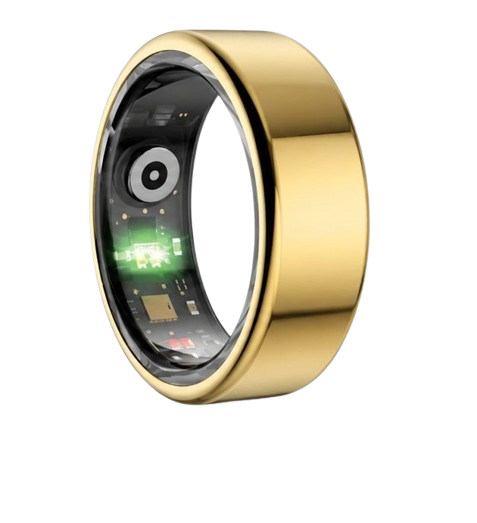
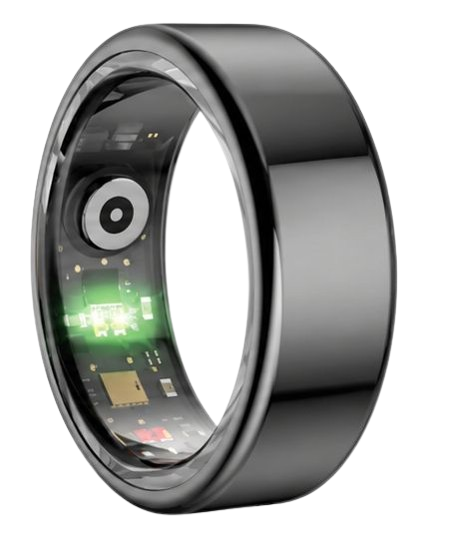
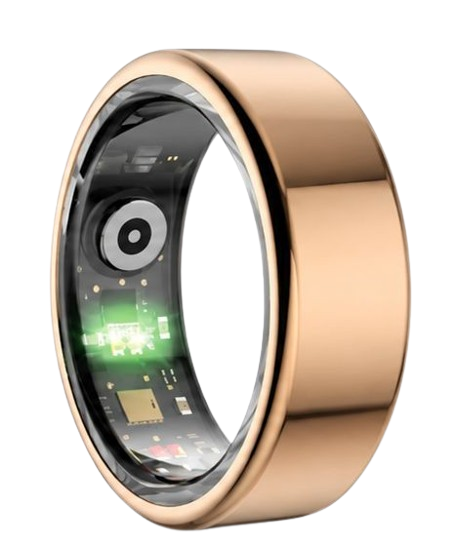
The Herz P1 Smart Ring tracks HRV, Sleep, Heart Rate & SpO2 around the clock. No subscriptions. No renewals. Ever.
In This Article
- Step-by-Step Guide: Learn precisely how to figure out zone 2 heart rate using clinical formulas and subjective testing methods.
- Mitochondrial Cellular Science: Explore how low-intensity cardio stimulates cellular adaptions and changes your cardiovascular baseline.
- Biometric Data Tracking: Understand how Heart Rate Variability (HRV) and resting heart rate shape your workout recovery strategies.
- Practical Application Tips: Discover how the Herz P1 Smart Ring provides 24/7 subscription-free insights into your training.
How to Calculate Your Zone 2 Heart Rate: A Step-by-Step Guide
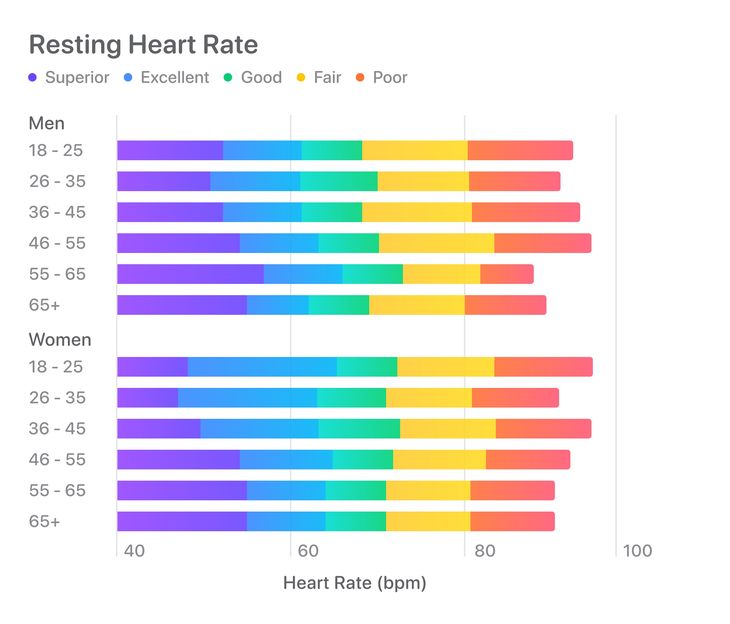
To figure out your precise training ranges, you only need basic information and a reliable way to monitor your pulse.
Knowing your historical resting heart rate metrics simplifies this process immensely.
An accurate method for active heart rate monitoring will ensure you stay within your limits during workouts.
Step 1: Determine Your True Resting Heart Rate (RHR)
Your resting pulse is a foundational baseline for advanced cardiac formulas.
To find your actual resting rate, you must measure your pulse immediately upon waking before getting out of bed.
We recommend tracking this value over three consecutive mornings to establish an accurate baseline average.
A lower resting rate typically indicates superior stroke volume and overall cardiovascular efficiency.
Using a medical-grade pulse oximeter or a precise wearable ring will automate this baseline detection effortlessly.
Make sure you are completely relaxed and free from early morning stressors during this measurement.
Your body should be fully hydrated and recovered from any intense physical exertion from the previous day.
Avoid consuming caffeine or using electronic devices immediately before checking this metric.
Even slight movements can elevate your resting pulse and skew your overall calculations.
We have observed that consistent sleep patterns significantly stabilize this morning metric over time.
Our team recommends recording this baseline during a week of normal, unstressed daily activity.
This ensures your physical baseline is representative of your true recovery state.
Understanding this number is the key to unlocking highly personalized training parameters.
Step 2: Estimate or Measure Your Maximum Heart Rate (MHR)
Your maximum aerobic capacity dictates the ceiling of all your physical training zones.
While a clinical stress test is the gold standard, you can estimate this value using several validated formulas.
The classic Gellish formula subtracts seventy percent of your age from the number two hundred and seven.
Alternatively, you can use the traditional method of subtracting your current age from the number two hundred and twenty.
Keep in mind that age-based equations carry an inherent margin of error of up to twelve beats per minute.
Measuring peak exertion during a controlled field test provides a much more personalized value.
Always seek clearance from a qualified healthcare practitioner before undertaking a maximal physical exertion test.
Physical factors such as genetic variation, ambient temperature, and current hydration levels will affect this peak ceiling.
Active athletes often discover that their actual maximum is significantly higher than general mathematical formulas suggest.
Conversely, sedentary individuals might find their peak rate is lower than the standard calculations indicate.
Using a standardized field protocol on a track or treadmill can reveal your true peak performance ceiling safely.
Make sure you perform a thorough warm-up before attempting any high-intensity testing protocols.
Tracking this metric continuously over time allows you to adjust your workout parameters with clinical precision.
Step 3: Apply the Karvonen Formula for Precision
The Karvonen formula is highly recommended because it incorporates your unique heart rate reserve.
Your heart rate reserve represents the dynamic range between your absolute rest and your absolute maximum.
To calculate this, subtract your resting heart rate from your estimated maximum heart rate.
Next, multiply this reserve value by sixty percent to determine your lower aerobic training boundary.
Then, multiply your reserve value by seventy percent to find your upper aerobic threshold.
Finally, add your resting heart rate back to both figures to establish your personalized heart rate zones.
This tailored approach ensures your target range scales dynamically with your current fitness level.
As your cardiovascular health improves, your resting rate will naturally decrease and shift your reserve upward.
This means your training zones will automatically adjust to reflect your enhanced physiological efficiency.
Failing to account for your resting heart rate often results in training zones that are either too intense or too passive.
By using this comprehensive formula, you protect yourself from overtraining and potential physical burnout.
It bridges the gap between generic age-based assumptions and your actual, real-time physiological capabilities.
Many athletic coaches prefer this method because it directly mirrors changes in your autonomic nervous system.
Step 4: Calibrate Using the Tanaka Equation
The Tanaka equation offers a modern mathematical alternative for active adults.
This research-backed formula multiplies your age by zero point seven and subtracts the result from two hundred and eight.
It provides a highly reliable maximum baseline, especially for individuals over the age of forty.
Once you determine this updated maximum, calculate sixty to seventy percent of this value.
This simple calculation provides a reliable secondary bracket to compare against your Karvonen results.
We recommend finding the average between both methods to balance out potential statistical outliers.
Having a solid mathematical range helps you avoid the common mistake of exercising at an excessive intensity.
Most fitness enthusiasts accidentally push themselves into Zone 3, which diminishes the unique cellular benefits of Zone 2.
Using multiple mathematical models helps validate your specific numbers and ensures training consistency.
It is always wise to write down these target zones in a dedicated fitness journal for easy daily reference.
Comparing these calculated values with your actual exertion levels will fine-tune your athletic intuition over time.
Our team believes that structured data is the ultimate tool for achieving sustainable physical progress.
This scientific method ensures that every minute of your aerobic workout is highly effective.
Step 5: Perform the Talk Test to Validate Your Range
The talk test serves as an invaluable real-time subjective validation tool during your cardio sessions.
While exercising in this aerobic sweet spot, you should be able to maintain a full conversation.
Your breathing should be noticeably deeper than at rest, but you must not gasp for air.
If you can only speak in short, broken fragments, your workout intensity is too high.
At this threshold, your body has crossed from aerobic metabolism into glycolytic energy production.
If you can sing a song without pausing, you are likely training below the optimal aerobic stimulus.
Adjust your pace carefully until you find this perfect balance of comfort and steady physical exertion.
You should feel energized rather than exhausted at the conclusion of a proper aerobic session.
This subjective feedback loop is incredibly accurate because it directly correlates with your blood lactate accumulation.
When lactate begins to build up in your bloodstream, your ventilation rate naturally increases to clear carbon dioxide.
Therefore, the inability to speak comfortably indicates that you have crossed your first ventilatory threshold.
Using this simple diagnostic tool during your runs prevents you from over-exerting yourself.
It serves as a perfect backup to electronic monitors when environmental factors alter your heart rate.
The Herz P1 Smart Ring streamlines this entire process by continuously tracking your physiological trends.
It automatically logs your resting heart rate while you sleep, ensuring you have a highly accurate baseline.
By providing subscription-free insights, our smart ring helps you manage your daily health without hidden costs.
You can easily monitor your training ranges through our intuitive companion app.
Explore the Herz P1 Smart Ring to take control of your fitness journey today.
90-Day 100% Money-Back Guarantee
“The Herz Smart Ring helps me manage stress easily. It’s accurate, stylish, and lightweight—perfect for my busy life!”
— Jennifer P. | ✔ Verified Customer
- ✓ 6-Day Battery Life
- ✓ Detailed Sleep Analysis
- ✓ Fast 1-Hour Charging
- ✓ iOS & Android Ready
Questions? Call: 1-866-479-1629
The Cellular Science: Why Zone 2 Cardio Training Changes Your Mitochondria
To truly appreciate the value of aerobic training, we must look at what happens inside your muscle cells.
Zone 2 training is uniquely characterized by its reliance on type one muscle fibers, which are rich in mitochondria.
Mitochondria serve as the powerhouses of your cells, converting fat and glucose into usable cellular energy.
When you train within this heart rate bracket, you maximize the efficiency of lipid oxidation.
This means your body becomes highly proficient at burning fat as a primary fuel source during exercise.
The American Heart Association notes that consistent aerobic exercise improves overall cardiac output and arterial elasticity.
Furthermore, this moderate level of exertion stimulates mitochondrial biogenesis, which is the creation of new cellular powerhouses.
As your mitochondrial density increases, your overall threshold for physical fatigue shifts upward.
This physiological shift is crucial for anyone seeking to understand how to increase vo2 max effectively.
Higher mitochondrial health directly translates to superior endurance and daily metabolic vitality.
It also helps prevent the accumulation of lactic acid, keeping your muscles functioning optimally for longer periods.
Understanding how your body processes energy at this level helps you appreciate the power of low-intensity cardio.
By maintaining this deliberate pace, you build a foundation that supports all higher-intensity athletic pursuits.
Many fitness enthusiasts overlook this cellular adaptation, mistakenly believing that higher intensity always equals better results.
However, scientific research shows that a broad aerobic base is the absolute key to superior athletic longevity.
Tracking your workout heart rate ensures you remain in this optimal metabolic state.
It prevents you from accidentally slipping into higher zones where carbohydrate metabolism takes over.
This cellular optimization is also highly correlated with improved recovery times and lower resting stress levels.
By prioritizing your cellular health, you elevate your physical threshold and daily energy levels naturally.
Our team focuses on providing the precise biometric tracking necessary to monitor these microscopic adaptations.
How Heart Rate Variability Shapes Your Active Training Baseline

Your body does not exist in a vacuum, and your daily physical capabilities fluctuate based on systemic stress.
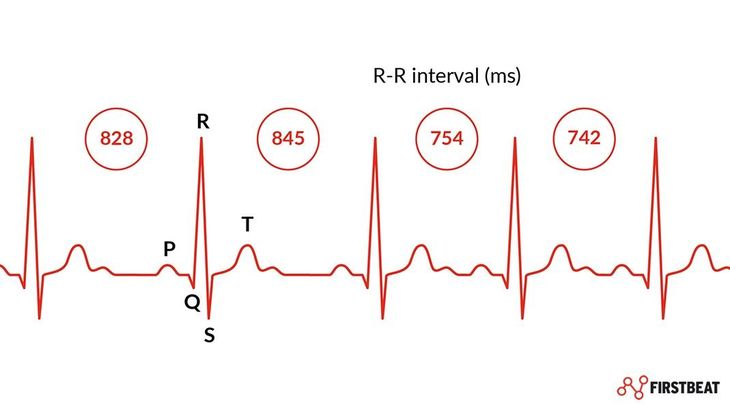
Heart rate variability, or HRV, is the measurement of the subtle time variations between consecutive heartbeats.
A high HRV indicates a healthy, highly adaptable autonomic nervous system that is ready for physical exertion.
Conversely, a low HRV suggests that your nervous system is dominated by the sympathetic, “fight-or-flight” response.
When your body is highly stressed, your active training zones will naturally feel more difficult to maintain.
On low-recovery days, your heart rate will spike much faster, pushing you out of Zone 2 at lower workloads.
Understanding this relationship allows you to practice autoregulation, adjusting your workouts based on real-time recovery data.
Our team emphasizes monitoring these daily recovery metrics to prevent chronic overtraining and fatigue.
A healthy autonomic balance is essential for optimizing your long-term cardio recovery metrics.
By matching your daily training load to your HRV, you ensure your body actually adapts to the physical stimulus.
This precision approach is the secret to building sustainable, lifetime fitness without injury or illness.
It is also a highly effective method for elevating your peak max vo2 levels over time.
Your daily cardiovascular health is a direct reflection of how well you balance stress and recovery.
Many dedicated athletes use these recovery insights to schedule their most challenging training sessions.
This data-driven approach removes the guesswork from exercise programming, ensuring every session serves a clear purpose.
By tracking these subtle physiological shifts, you gain a deeper understanding of your body’s internal state.
Our smart ring tracks these recovery metrics continuously while you sleep, delivering a clear score each morning.
This simple daily metric helps you make informed decisions about your workout intensity and rest days.
Ultimately, this scientific approach to fitness ensures you build a strong, resilient cardio capacity.
Practical Application: Reading Your Cardio Data with the Herz P1 App
To translate these scientific concepts into daily practice, you need a seamless way to view your progress.
The Herz P1 App offers a comprehensive, subscription-free dashboard that displays your heart rate trends clearly.
When you open the app, you will see a detailed visual breakdown of your daily activity zones.
Our advanced optical sensors sample your pulse continuously, providing a complete picture of your cardiac trends.
This real-time feedback allows you to make instant adjustments to your pacing during aerobic training.
You can easily see if you are staying in the fat-burning zone or accidentally pushing into anaerobic thresholds.
The comfort of 24/7 all-day wear ensures that you never miss a single physical data point.
Unlike bulky smartwatches that require daily charging, the Herz P1 boasts an impressive six-day battery life.
This means you can track multiple long cardio sessions and overnight sleep cycles on a single charge.
If you choose to exercise without your phone, our ring stores up to seven days of local data offline.
The next time you open the app, your recorded workouts will sync automatically within seconds.
This reliability makes it easier than ever to build healthy training habits that stick.
We believe that tracking your body should fit naturally into your life without causing additional stress.
By viewing your weekly trends, you can easily monitor your cardiovascular progress over time.
| Heart Rate Zone | Primary Fuel Source | Subjective Effort & Breathing |
|---|---|---|
| Zone 1 (50-60% MHR) | Stored Fatty Acids | Very easy; effortless conversation; barely noticeable breathing. |
| Zone 2 (60-70% MHR) | Fat Oxidation & Glycogen | Moderate; full sentences are comfortable; deep rhythmic breathing. |
| Zone 3 (70-80% MHR) | Muscle Glycogen | Challenging; short sentences only; noticeably fast ventilation. |
How Bulky Smartwatches and Subscription Fees Hinder Your Fitness Progress
Many people begin their fitness journeys by purchasing bulky, heavy smartwatches that are uncomfortable to wear.
These large devices often catch on clothing and feel unnatural during daily physical activities.
More importantly, wearing a heavy watch to sleep is highly disruptive to your natural sleep patterns.
If you remove your tracker at night to charge it, you miss critical resting heart rate and recovery metrics.
This charging-loop gap makes it nearly impossible to calculate your true resting pulse accurately.
Another massive hurdle in the modern wearable market is the hidden cost of ongoing subscription fees.
Many premium brands lock your historical data and recovery scores behind expensive monthly paywalls.
We believe that you should own your health data completely without having to pay a recurring fee.
The Herz P1 Smart Ring offers a lightweight, military-grade steel alternative that feels completely weightless.
It fits comfortably on your finger all day and night, ensuring 24/7 continuous health monitoring.
Best of all, our companion app is free for lifetime, with zero subscriptions or hidden renewals.
This commitment allows you to focus entirely on your health without worrying about extra monthly bills.
By choosing a subscription-free ring, you protect both your physical health and your financial peace of mind.
Frequently Asked Questions About Herz P1 and Heart Rate Tracking
Is the Herz P1 Smart Ring waterproof?
Yes, our ring features a robust IP68 waterproof rating.
This means it is completely sealed against dust and water ingress up to one hundred and sixty-four feet.
You can confidently wear it while swimming in pools, taking hot showers, or relaxing in saunas.
There is no need to remove the ring during daily hand washing or dishwashing.
Our military-grade steel chassis protects all internal electronics from moisture damage.
How long does the Herz P1 battery last on a single charge?
The Herz P1 Smart Ring is equipped with a highly efficient battery that lasts up to six days.
This long battery life minimizes charging anxiety and ensures continuous biometric tracking.
When the battery is low, it charges fully in under one hour using our magnetic cradle.
We recommend placing it on the charger briefly during your morning shower routine.
This simple habit keeps your ring powered indefinitely without any extra effort.
Which finger is the best option for accurate health tracking?
We recommend wearing the Herz P1 on your index finger for the most accurate sensor readings.
The index finger has a highly concentrated network of blood vessels near the skin’s surface.
This blood flow profile allows our optical sensors to capture clean photoplethysmography signals.
However, you can also wear the ring on your middle or ring finger with excellent results.
Make sure the ring fits snugly but comfortably without restricting your natural circulation.
Does the Herz P1 store my health data offline when disconnected from Bluetooth?
Yes, our ring features seven days of secure local storage.
If you leave your smartphone behind during a workout, the ring will continue to track your biometrics.
It automatically logs your heart rate, movement, and sleep metrics without a live connection.
The next time your ring connects to your phone, all recorded data syncs seamlessly.
This offline capability ensures that you never lose your valuable training history.
Conclusion
Figuring out your Zone 2 heart rate builds sustainable aerobic power. The subscription-free Herz P1 Smart Ring makes tracking this metric effortless. Ready to monitor your health? Explore the Herz P1 Smart Ring and see how it fits your lifestyle. Call: 1-866-479-1629 — our team is ready to help you choose your size and set personalized health goals.
