

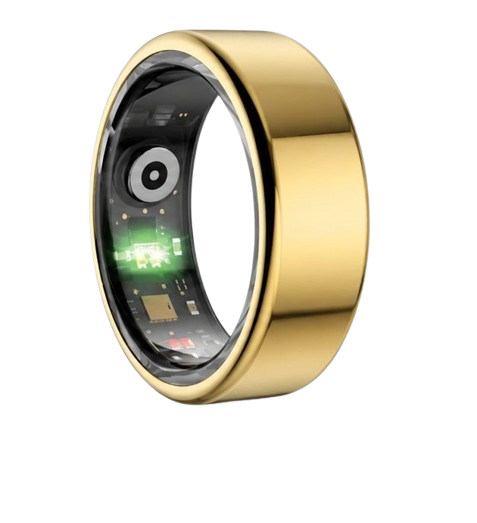
Achieving peak athletic performance and tracking cardiovascular health relies heavily on understanding how your body responds during physical exertion. By mapping your personal heart rate zones, you unlock the exact blueprints of your aerobic and anaerobic systems. The premium, subscription-free Herz P1 smart ring continually translates these optical pulse signals into clean, actionable, data-driven training metrics. You will discover exactly how to balance workout intensity, monitor daily recovery, and achieve your physical milestones without guesswork.
Built to Last. Save Up to 69% Today.
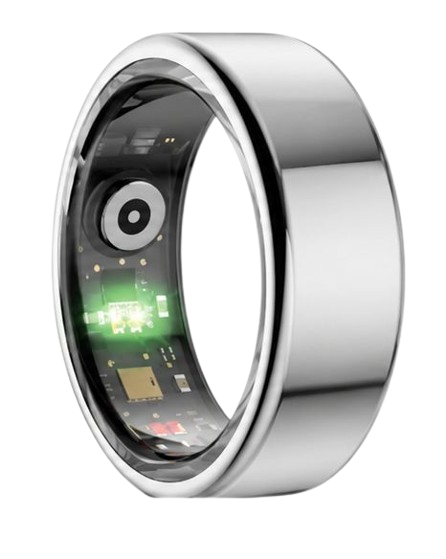
The Herz P1 Smart Ring tracks HRV, Sleep, Heart Rate & SpO2 around the clock. No subscriptions. No renewals. Ever.
In This Article
- Step-by-Step Calibration: Learn how to calculate and optimize your personalized cardiac training thresholds.
- Aerobic and Anaerobic Thresholds: Dive into the underlying cardiovascular changes occurring across different cardiac levels.
- Autonomic Recovery Trends: Explore the physiological connections between sleep architecture, heart rate variability, and stress.
- Actionable Data Utilization: Discover how to apply continuous biometric data to refine your weekly routines.
How to Calculate and Optimize Your Heart Rate Zones: A Step-by-Step Guide
Prerequisites / What You’ll Need
To accurately define your target aerobic limits, you must acquire a few baseline tools and data points.
First, secure a precise, continuous health-monitoring device such as the Herz P1 smart ring.
Second, locate a standard digital calculator to perform basic physiological division and multiplication steps.
Third, reserve ten minutes of quiet, uninterrupted time during the early morning hours to measure your biological baseline.
-
Step 1: Determine Your True Resting Heart Rate (RHR)
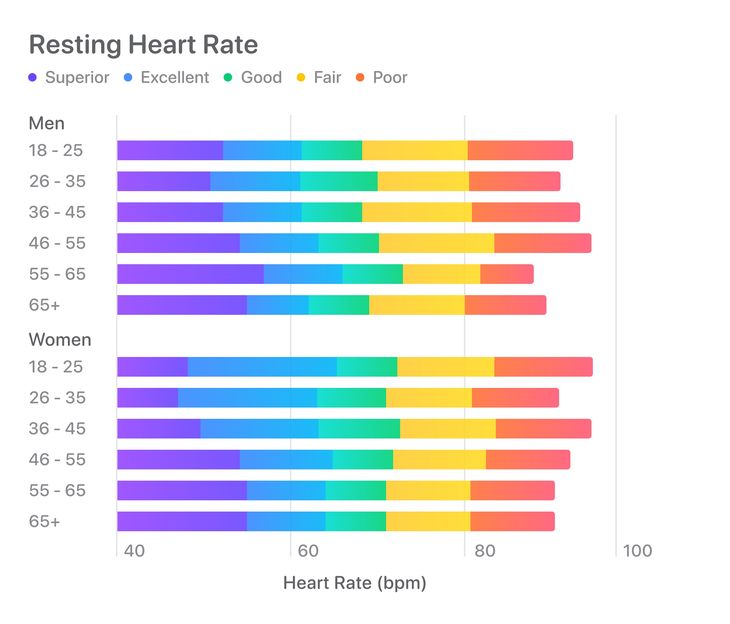
Your baseline pulse serves as the foundation for identifying highly accurate resting heart rate zones.
To measure this metric, wear your Herz P1 smart ring continuously through a full night of deep sleep.
Avoid consuming caffeinated beverages, alcohol, or heavy meals within four hours of your sleep window.
Upon waking naturally in the morning, remain completely still in bed for five consecutive minutes.
Open the companion application to record the lowest heart rate value captured by the sensor during this quiet period.
Write this number down as your baseline resting heart rate, which typically falls between fifty and eighty beats per minute.
-
Step 2: Calculate Your Maximum Heart Rate (Max HR)
Finding your maximum limit is crucial for establishing safe cardiovascular boundaries.
You can estimate this limit by utilizing standard age-based mathematical equations.
For a basic estimation, subtract your chronological age from the baseline number of two hundred and twenty.
For a more precise calculation, use the Tanaka formula by multiplying your age by zero point seven and subtracting that result from two hundred and eight.
This calculated value represents the absolute physical ceiling your cardiovascular system can safely maintain during peak exertion.
Keep in mind that establishing your personal ceiling helps define precise heart rate zones by age.
-
Step 3: Establish Your Heart Rate Reserve (HRR)
The Heart Rate Reserve method provides a much more personalized framework than simple age estimations alone.
To find this metric, subtract your resting pulse obtained in Step 1 from your maximum pulse calculated in Step 2.
The remaining number represents the actual working range your heart uses during physical activity.
This mathematical formula is widely known as the Karvonen method among exercise physiologists.
Using this reserve calculation ensures your exercise zones adapt specifically to your unique cardiorespiratory fitness changes.
-
Step 4: Compute Your Specific Heart Rate Training Zones
Now, apply your calculated reserve value to identify the five primary aerobic ranges.
Multiply your reserve rate by zero point five and zero point six, then add your resting rate to both results to find Zone 1.
Repeat this calculation using zero point six and zero point seven to find your ideal fat-burning range, or Zone 2.
Knowing how to calculate your personal zones helps you easily how to figure out zone 2 heart rate parameters.
Continue multiplying your reserve rate by zero point seven and zero point eight to establish your aerobic Zone 3.
Finally, multiply by zero point eight and zero point nine to find your anaerobic threshold, widely termed the zone 4 heart rate.
-
Step 5: Apply Zones to Your Training Routine
Implement these calculated numbers directly into your daily training plan to track cardiovascular load.
For recovery and general heart health, focus sixty percent of your weekly sessions in Zone 1 and Zone 2.
For building endurance, dedicate thirty percent of your training to steady aerobic Zone 3 sessions.
For boosting high-intensity capacity, allocate ten percent of your workout time to Zone 4 intervals.
This systematic method allows you to track and log your continuous progress using a dedicated workout heart rate monitor.
Smarter Tracking with the Herz P1
Tracking these biological thresholds requires a comfortable, highly accurate device that you can wear all day and night.
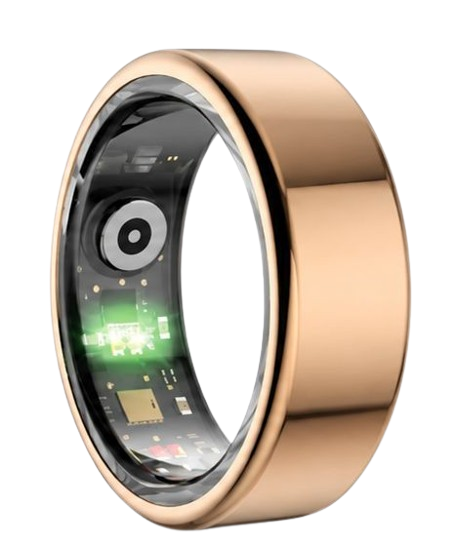
The Herz P1 smart ring monitors your pulse around the clock with medical-grade precision.
Its lightweight, ergonomic design eliminates the discomfort of bulky wristwatches during intensive sessions or deep sleep.
Your real-time metrics sync seamlessly to a subscription-free app, helping you adjust your training plan dynamically.
The Science of Cardiovascular Adaptations Across Different HR Zones
Different hr zones represent unique metabolic states within the human body.
When you exercise, your muscular and respiratory systems require varying ratios of oxygen and fuel.
Training in lower cardio zones relies almost entirely on the aerobic energy system.
During these low-intensity workouts, your body primarily metabolizes stored fat cells for sustained fuel.
This process improves mitochondrial density and increases your overall capillary network capacity.
As exercise intensity climbs, your system crosses its designated aerobic threshold.
At this point, your body transitions to utilizing glycogen as its primary muscular energy source.
Crossing this threshold highlights how crucial it is to measure and understand your how to increase vo2 max metrics.
Working at higher ranges forces your body to process larger volumes of blood lactate.
Consistently challenging your anaerobic threshold expands your functional capacity over time.
This training helps push your body to achieve its absolute max vo2 levels safely.
Sustained work in these zones triggers key physiological adaptations, such as an increased stroke volume.
Your heart adapts by pumping a larger volume of oxygenated blood with every individual contraction.
The American Heart Association notes that structured aerobic training significantly enhances resting cardiovascular efficiency.
Using a smart ring like the Herz P1 lets you monitor these long-term adaptations without complex lab tests.
Deciphering Autonomic Recovery: HRV, Resting Heart Rate, and Stress Physiology

Your cardiac rhythm is constantly modulated by the delicate balance of your autonomic nervous system.
The sympathetic branch acts as an accelerator, elevating your heart rate during workouts or periods of mental stress.
Conversely, the parasympathetic branch acts as a brake, lowering your heart rate during rest and sleep.
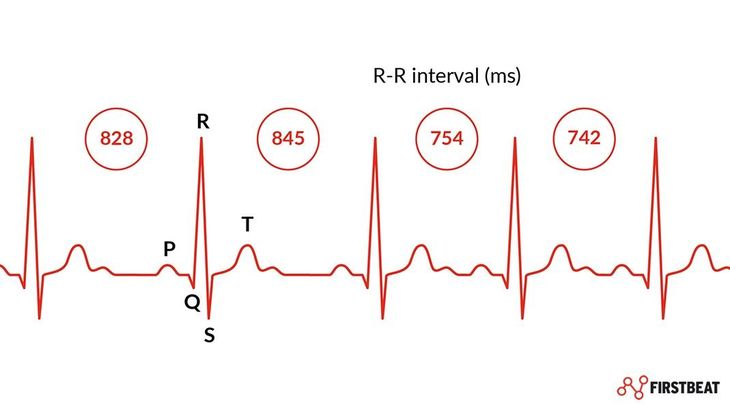
Heart rate variability, or HRV, measures the tiny, millisecond variations between consecutive heartbeats.
A higher variability score indicates a resilient, well-rested parasympathetic nervous system.
A lower score often warns of systemic fatigue, high mental stress, or incomplete physical recovery.
Understanding these subtle shifts is essential for tracking your overall cardio recovery curve.
If you perform intensive workouts while your HRV is low, you risk overtraining and potential muscle injury.
Analyzing these daily variations helps you select the optimal workout intensity for each training session.
The National Sleep Foundation emphasizes that deep slow-wave sleep is the prime phase for physical and hormonal restoration.
The Herz P1 smart ring tracks your sleep architecture, HRV, and resting pulse throughout the night.
Its multispectral optical sensors gather highly accurate biometrics directly from the blood vessels in your finger.
This placement offers superior signal quality compared to wrist-based sensors, which are highly prone to motion interference.
By reviewing these trends in the app, you can easily adjust your daily recovery habits to keep your body balanced.
Translating Biometric Trends into Everyday Wellness Decisions
Unlocking the full potential of your cardiac data requires translating raw metrics into small lifestyle adjustments.
The companion app for the Herz P1 smart ring features a clean, highly intuitive biometric dashboard.
Every morning, the app analyzes your overnight sleep cycles, resting heart rate, and HRV trends.
It combines these metrics to generate a single, easy-to-read Readiness Score for the day.
If your score is high, your body is fully primed to tackle high-intensity training zones.
If your score is low, the app suggests a gentle recovery walk or a dedicated rest day instead.
The ring also features continuous active heart rate monitoring to track your cardiovascular stress during busy workdays.
If your heart rate spikes unexpectedly while you are resting, the ring helps you identify potential stress triggers.
The military-grade steel ring is exceptionally lightweight and designed to be worn comfortably twenty-four hours a day.
Over several weeks, tracking these metrics helps you build a solid understanding of your actual cardio capacity.
You can easily see how simple habits, like drinking alcohol or eating late, impact your recovery overnight.
This continuous feedback loop empowers you to make mindful, healthier choices throughout your day.
Avoiding Pitfalls in Cardiovascular Performance Tracking
Many health-conscious individuals struggle to track their cardiovascular performance accurately due to common hardware and habit mistakes.
Wearing a bulky, heavy smartwatch during high-intensity training can cause the optical sensors to shift constantly.
This shifting allows ambient light to leak in, leading to highly inaccurate pulse readings.
Additionally, wearing a large smartwatch to sleep is uncomfortable and can easily disrupt your sleep patterns.
Many popular smartwatches also come with expensive monthly subscription fees just to access your own health data.
The Herz P1 smart ring resolves these common issues by offering a sleek, incredibly comfortable alternative.
Its lightweight titanium design stays securely positioned on your finger for highly accurate readings.
Furthermore, the Herz P1 app is completely free to use for a lifetime, with absolutely no hidden subscription costs.
Another common mistake is training in high-intensity zones every single day without adequate rest.
This approach often results in chronic fatigue, elevated resting heart rates, and a steep drop in overall performance.
By using the Herz P1 to guide your recovery, you can build a highly effective, sustainable fitness routine.
Herz P1 vs. Leading Smart Ring Competitors: 2025 Feature Comparison
Choosing the ideal fitness tracker requires comparing key features, accuracy metrics, and long-term costs side by side.
Below is a factual comparison of how the Herz P1 performs against standard smart ring alternatives.
| Feature Checklist | Herz P1 Smart Ring | Standard Smart Rings |
|---|---|---|
| Monthly App Subscription | $0 (Free App for Lifetime) | Up to $5.99 per month |
| Warranty Coverage | 2-Year Manufacturer Warranty | Typically 1-Year only |
| Waterproof Standard | IP68 (Up to 164 Feet) | IPX7 or lower |
| Chassis Material | Military-Grade Steel & Titanium | Basic Plastic or Soft Aluminum |
| Data Storage Limit | 7-Day Local Offline Storage | Often requires daily syncing |
Frequently Asked Questions About Heart Rate Zones
90-Day 100% Money-Back Guarantee
“The Herz Smart Ring helps me manage stress easily. It’s accurate, stylish, and lightweight—perfect for my busy life!”
— Jennifer P. | ✔ Verified Customer
- ✓ 6-Day Battery Life
- ✓ Detailed Sleep Analysis
- ✓ Fast 1-Hour Charging
- ✓ iOS & Android Ready
Questions? Call: 1-866-479-1629
Conclusion: Unlock Smarter Cardiovascular Training Today
Monitoring your biometric data is the key to optimizing your performance, accelerating recovery, and protecting your health.
The premium, subscription-free Herz P1 smart ring serves as your reliable daily health companion.
Ready to monitor your health every day?
Explore the Herz P1 Smart Ring and see if it fits your lifestyle.
Call: 1-866-479-1629 — our team can help you advise on the correct ring size and set personalized health goals.
