

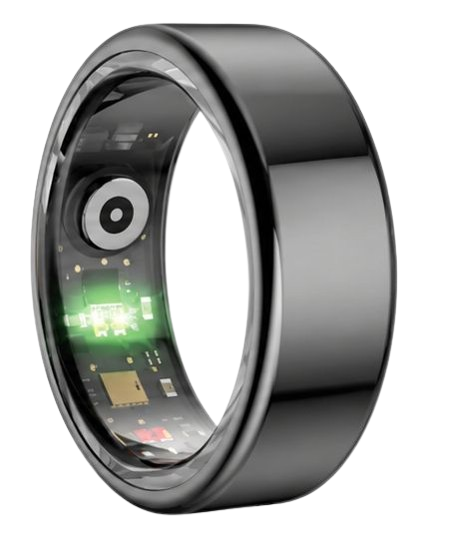
Tracking your nervous system’s recovery signals should never feel like solving a complex medical mystery. If you want to understand your daily stress and recovery, consult a reliable heart rate variability chart female baseline. The premium Herz P1 Smart Ring decodes these delicate biometric patterns directly from your finger, transforming raw cardiac data into clear, actionable health insights.
Built to Last. Save Up to 69% Today.
The Herz P1 Smart Ring tracks HRV, Sleep, Heart Rate & SpO2 around the clock. No subscriptions. No renewals. Ever.
In This Article
- How to Track and Optimize Your HRV Trends: A practical, step-by-step roadmap to establishing and analyzing your baseline.
- What a Healthy Female HRV Chart Reveals: A scientific deep dive into age-specific metrics and physiological ranges.
- Hormonal and Demographic Variations: Understanding why female heart rate variability exhibits unique cycle-based patterns.
- Actionable Lifestyle Protocols: Proven strategies to boost your nervous system resilience and sleep quality daily.
How to Track and Optimize Your HRV Trends: A Step-by-Step Guide for Women
Before you can accurately measure and enhance your heart rate variability, you must secure the proper physiological conditions.
You will need a highly accurate biometric tracking device worn consistently for at least fourteen consecutive days to establish a true baseline.
Additionally, you need to eliminate external variables like late-night caffeine, screen time, and erratic sleeping schedules that can artificially suppress your nervous system data.
Step 1: Establish Your Biometric Baseline
You must wear your tracking device continuously for two full weeks.
Your body requires this timeline to filter out daily anomalies and calculate an accurate running average.
Ensure the device remains snug against your skin during sleep when your autonomic nervous system is most stable.
Avoid analyzing single-day spikes, as your baseline is the only reliable metric for long-term health trends.
Step 2: Track Your HRV Daily Under Standardized Conditions
You should review your heart rate variability data immediately upon waking each morning.
Consistent timing ensures that your daily measurements are directly comparable.
Your raw scores will naturally fluctuate based on your hydration levels and sleep quality.
By recording your metrics at the same hour, you eliminate circadian rhythm variables.
Step 3: Compare Your Daily Scores to the Female HRV Chart
You will need to cross-reference your personal baseline with a validated normal heart rate variability by age distribution table.
Look closely at where your age group typically falls to determine if your nervous system is in an optimal state of readiness.
Remember that a higher baseline score generally indicates a robust, adaptable parasympathetic nervous system.
However, you must prioritize your personal trend lines over raw statistical averages.
Step 4: Map HRV Fluctuations to Your Menstrual Cycle Phases
You should track how your scores shift between your follicular and luteal phases.
Estrogen typically boosts your vagal tone, leading to higher heart rate variability during the first half of your cycle.
Conversely, progesterone can elevate your resting heart rate and suppress your HRV scores in the late luteal phase.
By mapping these predictable hormonal shifts, you will avoid unnecessary anxiety over minor monthly declines.
Step 5: Implement Targeted Recovery and Lifestyle Interventions
You can actively improve a depressed HRV score by adjusting your daily exertion levels.
When your metrics drop below your baseline, prioritize low-intensity movement like walking or restorative yoga.
Incorporate structured deep-breathing exercises for five minutes to immediately stimulate your vagus nerve.
Optimize your evening routine by avoiding heavy meals and alcohol within three hours of bedtime to protect your overnight recovery.
Seamless Integration with Your Daily Life
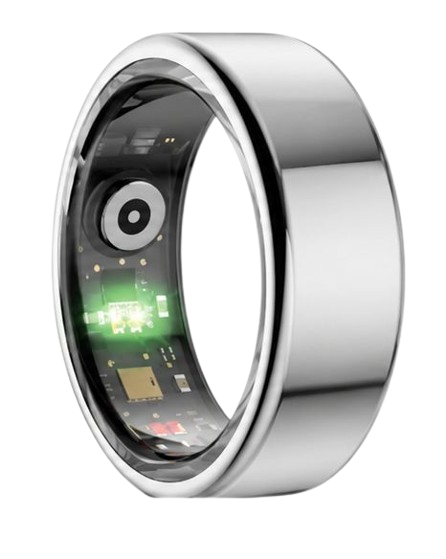
The Herz P1 Smart Ring makes executing this entire tracking protocol effortless.
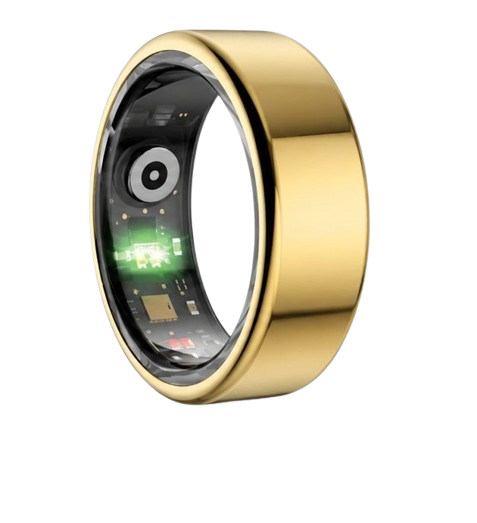
Our advanced multispectral PPG sensors continuously capture your metrics without requiring any manual input.
You can access all of your historical data and cycle trends directly within the free companion app.
Explore the Herz P1 Smart Ring today to start taking control of your daily recovery metrics.
90-Day 100% Money-Back Guarantee
“The Herz Smart Ring helps me manage stress easily. It’s accurate, stylish, and lightweight—perfect for my busy life!”
— Jennifer P. | ✔ Verified Customer
- ✓ 6-Day Battery Life
- ✓ Detailed Sleep Analysis
- ✓ Fast 1-Hour Charging
- ✓ iOS & Android Ready
Questions? Call: 1-866-479-1629
What a Healthy Female HRV Chart Reveals About Your Autonomic Nervous System
Your autonomic nervous system controls all of the involuntary functions within your body.
It is divided into the sympathetic branch, which drives your fight-or-flight response, and the parasympathetic branch, which governs rest and digestion.
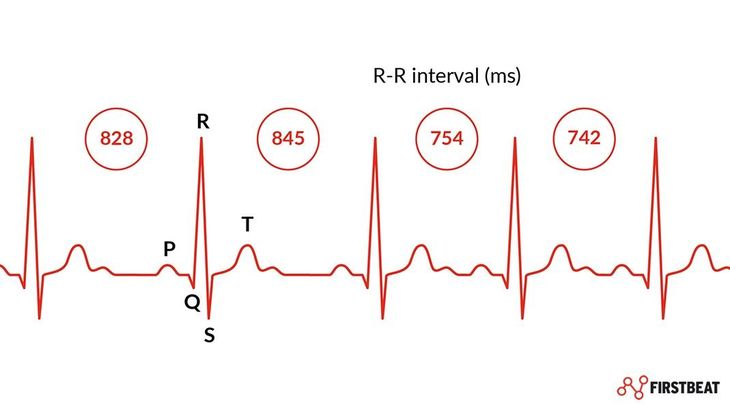
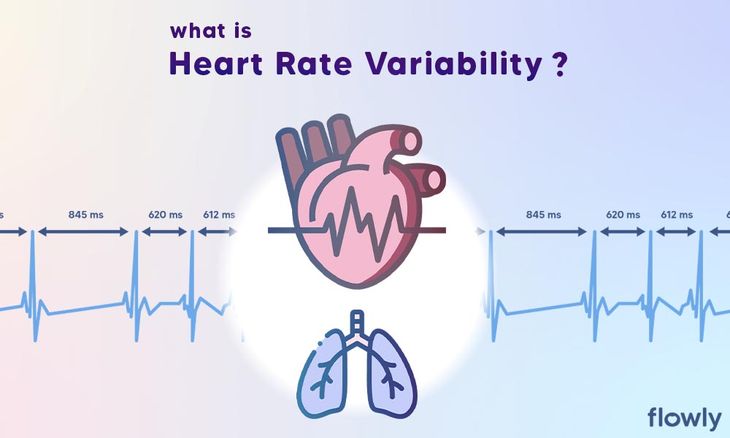
Heart rate variability measures the millisecond-level differences between consecutive heartbeats.
A higher variation indicates that your autonomic nervous system is highly responsive to environmental changes.
Conversely, a low variation shows that your sympathetic nervous system is dominating, leaving you in a state of chronic stress.
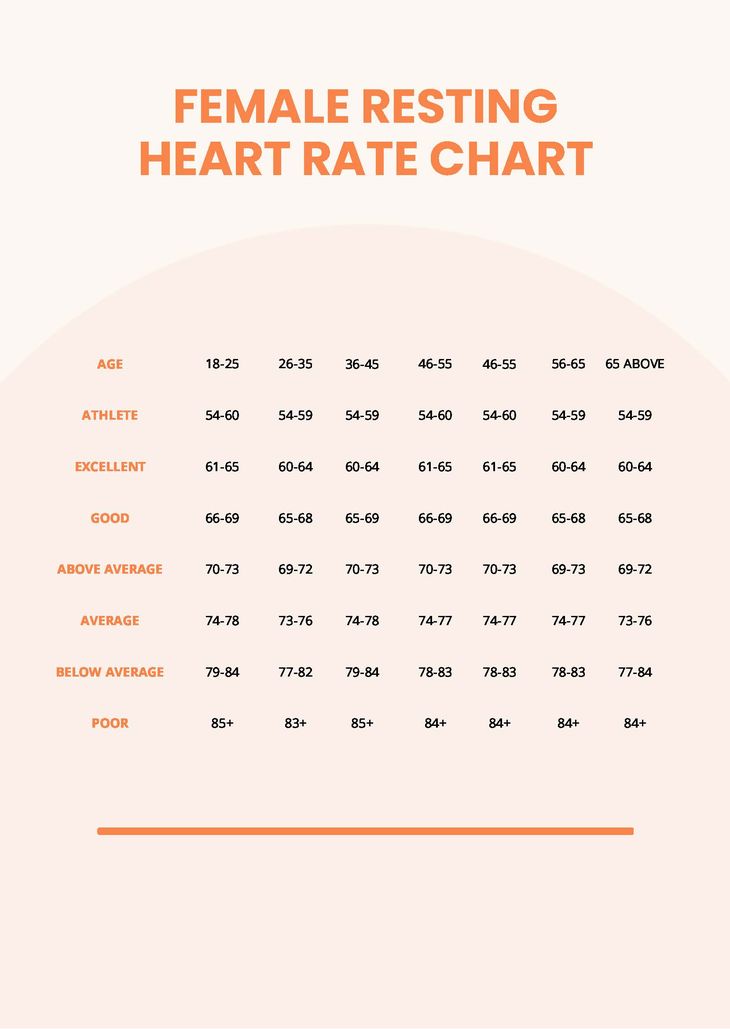
Understanding resting bpm chart dynamics is a crucial first step in reading these autonomic signals.
To assess your cardiovascular health fully, you must look at how your resting heart rate correlates with your daily autonomic recovery.
Our research shows that a lower average resting heart rate for women typically aligns with healthier, more robust HRV scores.
When your heart rate is elevated, the time between beats naturally decreases, which compresses your overall variability.
Therefore, evaluating both metrics simultaneously provides a highly accurate picture of your internal wellness.
We have compiled a comprehensive reference chart detailing standard heart rate variability metrics for females across different age categories.
This dataset reflects established clinical averages measured in milliseconds using the rMSSD (Root Mean Square of Successive Differences) formula.
| Age Group | Normal Female HRV Range (rMSSD in ms) | Autonomic Health Significance |
|---|---|---|
| 18 – 25 Years | 55 – 85 ms | Peak autonomic adaptability, typical of highly resilient nervous systems. |
| 26 – 35 Years | 45 – 75 ms | Optimal balance, though highly sensitive to lifestyle stress and sleep deficits. |
| 36 – 45 Years | 35 – 60 ms | Gradual age-related decline begins; highly responsive to regular cardio exercise. |
| 46 – 55 Years | 25 – 45 ms | Corresponds directly with hormonal transitions during perimenopause and menopause. |
| 56 Years & Above | 18 – 35 ms | Stabilized lower range; preservation of vagal tone remains critical for longevity. |
Using this chart, you can quickly identify where your individual scores align relative to global averages.
Remember that falling slightly outside these ranges is completely normal and often dictated by genetic variables.
Your goal should always be to maintain a stable baseline and avoid sudden, unexplained drops in your daily trends.
Why HRV Ranges for Women Differ from Men: Hormonal and Age-Related Shifts
Physiological differences between the genders significantly impact how the autonomic nervous system behaves.
Scientific studies confirm that women generally exhibit different baseline metrics compared to men of identical ages.
These variances are primarily driven by fluctuating estrogen and progesterone levels throughout the reproductive years.
To understand these patterns, it helps to examine the broader science of gender sleep differences.
Hormonal fluctuations during the menstrual cycle directly influence overnight cardiac activity and sleep architecture.
For instance, the follicular phase usually presents with higher vagal activity and improved recovery markers.
In contrast, the luteal phase can suppress parasympathetic activity, leading to a temporary decline in your nightly metrics.
This physiological variance is why a dedicated women’s health smart ring is so vital for accurate personal tracking.
Standard health wearables often apply generic algorithms that fail to account for these natural monthly fluctuations.
Furthermore, as women enter menopause, the sharp decline in estrogen alters autonomic balance permanently.
You will find that the average hrv by age for women aged 50 is typically lower than in younger demographics due to these ovarian shifts.
However, maintaining a consistent fitness routine can significantly preserve your nervous system’s resilience during this transition.
By monitoring these changes, you can proactively adjust your lifestyle to protect your cardiovascular health.
Translating HRV Trends Into Daily Energy Gains
Once you begin tracking your data, you must learn how to apply these insights to your daily life.
Your morning score serves as a direct indicator of your body’s physical readiness for the day.
If your metric is high, your body is fully prepared for high-intensity exercise or demanding mental tasks.
If your metric is low, you should focus on active recovery to prevent burnout and injury.
Improving your nightly sleep quality is the most effective way to elevate your long-term baselines.
We must also consider how male vs female sleep patterns differ in terms of recovery efficiency.
Women often spend more time in deep sleep but are more susceptible to sleep disruptions.
To combat this, pay close attention to your average heart rate sleeping woman metrics during the first few hours of rest.
A delayed decrease in your sleeping heart rate usually indicates that your body is working too hard to digest food or metabolize alcohol.
By shifting your dinner to an earlier hour, you will witness an immediate improvement in your overnight recovery scores.
Consistently wearing the Herz P1 Smart Ring allows you to monitor these minor lifestyle experiments in real-time.
Navigating Biometric Misinterpretations and Hardware Roadblocks
Many individuals make the mistake of comparing their biometric scores directly with those of their friends.
This practice is highly counterproductive because heart rate variability is a deeply individualized metric.
Your genetics, fitness level, and anatomical structure all dictate your personal normal ranges.
Another common roadblock is wearing a bulky smartwatch to bed to gather overnight data.
These large devices often shift during the night, leading to inaccurate readings and disrupted sleep.
Furthermore, many wearable brands charge expensive monthly subscription fees to access your own biometric data.
We believe that you should never have to pay a recurring fee to understand your own body.
The Herz P1 Smart Ring requires absolutely zero monthly subscription fees for its lifetime.
Our durable military-grade steel construction ensures that your device survives daily wear without scratching or breaking.
By choosing a seamless, subscription-free tracker, you can focus entirely on your health optimization journey.
Frequently Asked Questions About Female HRV and Wearable Tracking
What is a good HRV for women?
A good HRV score for women typically ranges between 35 and 75 milliseconds depending on their specific age bracket.
Athletes and highly active individuals often exhibit baseline averages well above 80 milliseconds.
However, the most important metric is your personal consistency rather than comparing yourself to static charts.
A stable, gradually rising personal baseline is the clearest indicator of excellent cardiovascular health.
Why does my HRV drop during certain times of the month?
Your heart rate variability naturally drops during the luteal phase of your menstrual cycle due to elevated progesterone levels.
Progesterone stimulates your sympathetic nervous system, raising your resting pulse and lowering your millisecond variation.
This drop is a completely normal biological trend and does not indicate a decline in actual physical fitness.
Once menstruation begins and estrogen levels rise again, your autonomic nervous system typically rebounds to its peak performance.
Is the Herz P1 Smart Ring waterproof?
Yes, the Herz P1 Smart Ring features a certified IP68 waterproof rating for complete peace of mind.
It can withstand continuous water submersion up to a depth of 164 feet without sustaining any damage.
You can safely wear it while swimming laps, washing dishes, showering, or relaxing in a hot tub.
This high-grade protection ensures you never have to remove your ring, allowing for true 24/7 biometric collection.
How long does the Herz P1 battery last on a single charge?
The advanced lithium-polymer battery in the Herz P1 lasts up to 6 full days of continuous operation.
It features rapid-charging capabilities, reaching a complete charge from zero percent in under 1 hour.
This extended battery life minimizes tracking gaps, ensuring you never miss a critical night of sleep analysis.
The companion app will automatically notify you when the power levels drop below twenty percent.
Which finger is best to wear the smart ring on?
The index finger of either hand is the absolute best location for capturing precise optical biometric data.
The index finger contains dense, shallow capillary networks that provide the strongest signal to our PPG sensors.
If you prefer a different placement, the middle finger and ring finger are excellent secondary alternatives.
Avoid wearing the ring on your thumb, as the unique bone structure can interfere with consistent skin contact.
Does the Herz P1 Smart Ring store my biometric data offline?
Yes, the Herz P1 contains built-in local memory capable of storing up to 7 days of complete health data offline.
You do not need to keep your smartphone nearby or remain connected to cellular networks to track your biometrics.
The next time you open the companion app, your stored data will automatically sync in chronological order.
This offline capability is perfect for remote hiking trips, overnight flights, or digital detox periods.
Conclusion
Understanding your heart rate variability is one of the most powerful steps you can take toward self-care.
By comparing your trends to a verified reference chart, you gain complete clarity over your physiological health.
The Herz P1 Smart Ring acts as your dedicated health companion, offering precision tracking without hidden monthly subscription costs.
Ready to monitor your health every day? Explore the Herz P1 Smart Ring and see if it fits your lifestyle. Call: 1-866-479-1629 — our team can help you advise on the correct ring size and set personalized health goals.
