

Clinical data indicates that monitoring your nocturnal biometrics reveals hidden autonomic anomalies before physical symptoms arise. Tracking your respiratory sleep rate during the night is a critical indicator of cardiovascular stability and autonomic nervous system health. The high-precision optical sensors of the Herz P1 smart ring track these micro-breathing patterns with a low 2% margin of error. This comprehensive guide helps you understand these essential metrics to optimize your sleep quality and overall physical recovery.
Built to Last. Save Up to 69% Today.
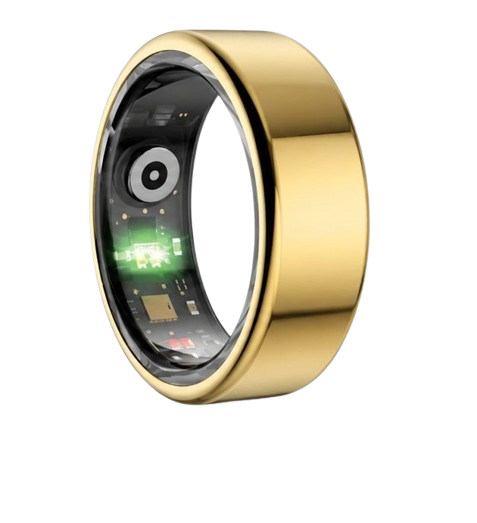
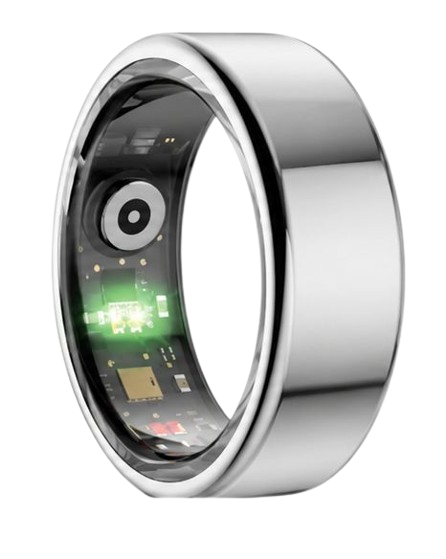
The Herz P1 Smart Ring tracks HRV, Sleep, Heart Rate & SpO2 around the clock. No subscriptions. No renewals. Ever.
In This Article
- Actionable How-To Guide: Learn to track, calibrate, and naturally stabilize your micro-breathing baseline.
- The Physiology of Night Breathing: Discover how sleep stages, carbon dioxide, and cardiorespiratory health dictate nocturnal breathing.
- Oxygenation and Sleep Apnea: Understand the vital link between airway obstruction, blood oxygen drops, and stress index spikes.
- Advanced App Analytics: Learn how to read trend indicators and modify lifestyle habits using the subscription-free Herz P1 app.
How to Track and Optimize Your Respiratory Sleep Rate: A Step-by-Step Guide

To accurately monitor and improve your nocturnal cardiorespiratory patterns, you need consistent data collection and targeted sleep hygiene interventions.
Before beginning, ensure you have a clean, functional wearable biometric device and a quiet sleeping environment with stable temperature controls.
Step 1: Select the Proper Finger for Optical Sensor Placement
First, you must wear the smart ring on the correct finger to capture clean physiological data.
The index or middle finger of your non-dominant hand provides the strongest blood perfusion and pulse signals.
Ensure the inner sensor node on the ring band sits flat against the palm-side base of your finger.
A snug fit allows the multispectral photoplethysmography sensors to record subtle micro-vessel changes during respiration.
Avoid loose fitting arrangements that allow the ring to slip or rotate when you change positions in bed.
Step 2: Establish a Nightly Baseline Metric Over One Week
Second, you need to establish a personal baseline to understand your cardiorespiratory trends.
Every individual has a unique normal sleeping respiratory rate that depends on age, biological sex, and general physical fitness.
Wear your smart ring for at least seven consecutive nights to collect a reliable baseline data set.
The companion app will calculate your historical median and highlight any standard deviations automatically.
Avoid strenuous workouts, caffeine, or heavy meals right before bed during this initial calibration phase.
Step 3: Monitor Blood Oxygen Levels Alongside Respiration Fluctuations
Third, correlate your nightly breathing frequency with your blood oxygen saturation trends.
A healthy respiratory system maintains steady oxygenation levels alongside stable, slow chest expansions.
Check your nightly logs to identify any unexpected drops in oxygen saturation below ninety-five percent.
Compare these brief drops with sudden, temporary spikes in your overnight respiration rate.
Frequent respiratory spikes paired with oxygen dips indicate micro-arousals that fragment your deep sleep stages.
Step 4: Optimize Your Sleep Environment to Minimize Airway Resistance
Fourth, optimize your bedroom atmosphere to reduce environmental stress on your airway passages.
Dry air, excessive ambient dust, and poor room ventilation directly elevate your sleeping breathing rate.
Try running a cool-mist humidifier in dry seasons to keep your mucous membranes hydrated and clear.
Keep your bedroom temperature cool, ideally between sixty and sixty-seven degrees Fahrenheit, to facilitate deep breathing.
Ensure adequate fresh airflow to prevent carbon dioxide buildup from artificially stimulating your brain’s breathing centers.
Step 5: Practice Parasympathetic Breathing Protocols Before Sleep
Fifth, implement a relaxing wind-down breathing routine to stabilize your autonomic nervous system.
High cognitive or physical stress before sleep artificially raises your average breaths per minute while sleeping.
Spend ten minutes performing slow, nasal-only diaphragmatic breathing or a simple box-breathing technique.
This deliberate pattern signals your brain to shift from sympathetic alertness to parasympathetic rest.
Verify the effectiveness of this routine by tracking how your overall respiration rate trends downward over time.
How the Herz P1 Supports Your Breathing Optimization
The Herz P1 Smart Ring is engineered to make tracking and optimizing your respiratory patterns effortless.
With its premium, lightweight military-grade steel construction, you can enjoy non-intrusive tracking that never disrupts your natural rest.
Our high-frequency multispectral PPG sensors capture your biometrics around the clock and sync directly with our free lifetime app.
You can monitor your weekly baseline shifts, check oxygen saturation, and review recovery trends without any monthly subscription fees.
Experience a reliable, accurate health companion backed by our robust two-year warranty and a ninety-day money-back guarantee.
90-Day 100% Money-Back Guarantee
“The Herz Smart Ring helps me manage stress easily. It’s accurate, stylish, and lightweight—perfect for my busy life!”
— Jennifer P. | ✔ Verified Customer
- ✓ 6-Day Battery Life
- ✓ Detailed Sleep Analysis
- ✓ Fast 1-Hour Charging
- ✓ iOS & Android Ready
Questions? Call: 1-866-479-1629
The Physiology of Sleeping Respiration Rate: What the Science Tells Us
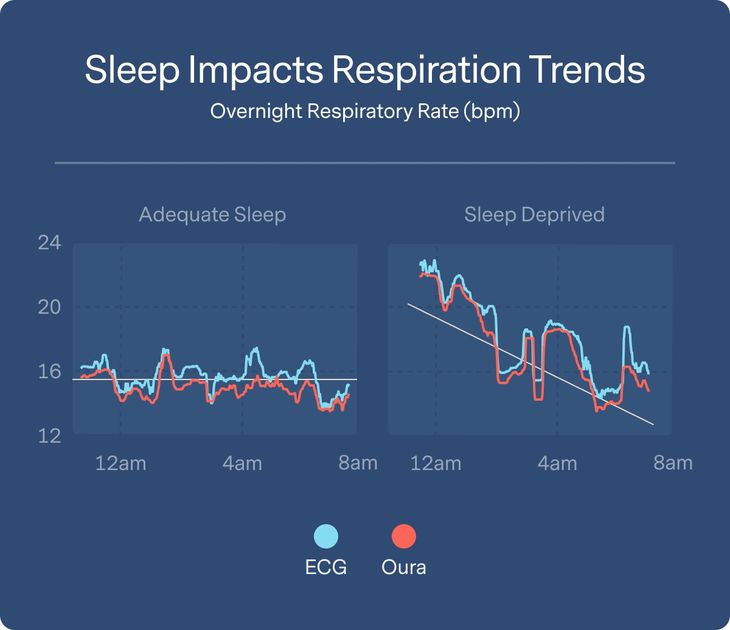
Your central nervous system controls your overnight breathing unconsciously via the medulla oblongata and chemical receptors.
These receptors continuously monitor carbon dioxide levels and pH balance in your circulating bloodstream.
When carbon dioxide increases slightly, your brainstem signals your respiratory muscles to expand your lungs faster.
According to the National Sleep Foundation, healthy breathing during sleep should remain stable, predictable, and rhythmic.
Many users naturally wonder: what is a good respiratory rate while sleeping?
For most healthy adults, a normal baseline ranges between twelve and twenty breaths per minute.
Understanding how many breaths per minute is normal while sleeping serves as a vital tool for detecting early systemic changes.
A sudden, persistent rise in your sleep breathing metric can be a strong warning signal for chronic physical fatigue.
The American Heart Association notes that consistent respiratory stress can strain the heart and raise resting heart rate.
During deep slow-wave sleep, your respiration naturally slows down and becomes highly regular to support muscle recovery.
In contrast, rapid eye movement sleep features highly irregular breathing as your brain processes vivid dreams.
The advanced multispectral PPG sensor array of the Herz P1 excels at distinguishing these sleep stage breathing shifts.
By mapping your respiratory rate alongside heart rate variability, we provide deep, context-driven recovery metrics.
This scientific approach helps you look beyond basic sleep duration to evaluate the actual restorative quality of your sleep.
Nocturnal Cardiorespiratory Dynamics: Assessing Sleeping Respiration Rate Shifts
Your cardiovascular and respiratory systems function as a tightly coupled, integrated biological unit while you rest.
Heart rate variability provides a clear, reliable window into your autonomic nervous system’s current state.
A high heart rate variability indicates a healthy, flexible nervous system that recovers quickly from physical exertion.
Conversely, low heart rate variability paired with fast shallow breathing suggests your body is under stress.
When your airway becomes partially restricted during sleep, your blood oxygen saturation levels drop temporarily.
This drop triggers a brief sympathetic nervous system response that increases your heart rate and respiration.
These micro-arousals disrupt your restorative sleep stages, leaving you feeling tired and mentally fatigued the next day.
Maintaining a stable normal respiration rate while sleeping indicates a clear airway and efficient gas exchange.
Many individuals live with mild respiratory obstructions without ever identifying the root cause of their daytime fatigue.
By closely tracking your average respiration rate while sleeping, you can identify these biological warnings early.
Continuous SpO2 and breathing tracking helps you visualize these patterns and make informed lifestyle adjustments.
Our team at Herz P1 is dedicated to making this clinical-grade biometric analysis accessible to everyone.
Our smart ring measures blood volume and oxygen changes directly at the base of your finger’s digital arteries.
By filtering out hand movements and skin variations, our algorithms deliver reliable, highly consistent data trends.
This continuous monitoring empowers you to protect your long-term cardiovascular health with clear, actionable metrics.
How to Use Herz P1 Biometrics to Optimize Your Daily Recovery
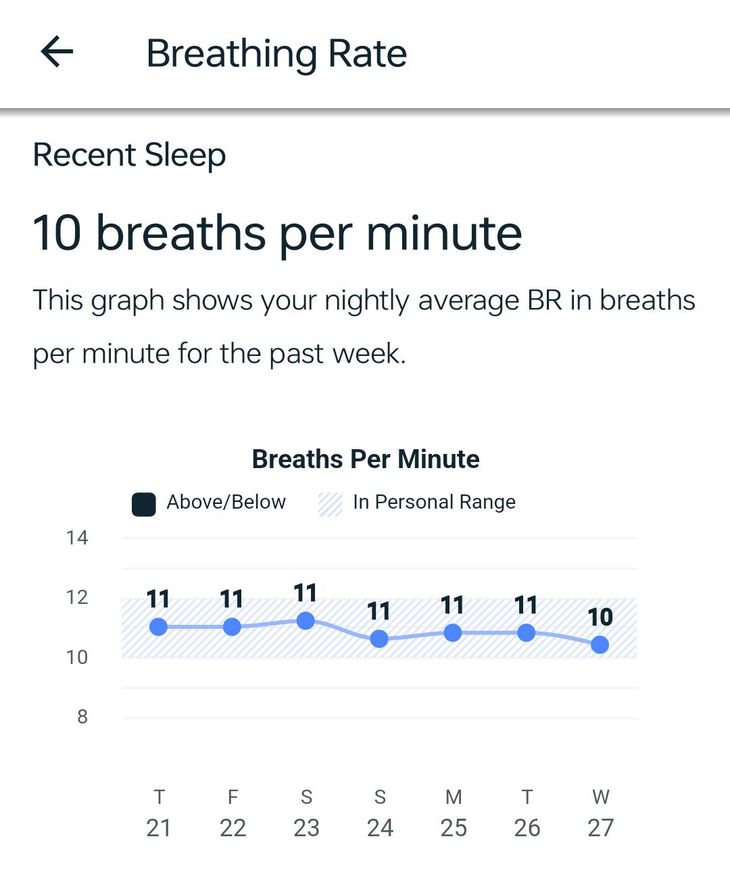
Reviewing your biometric history on our companion application is intuitive, fast, and highly informative.
Every morning, look at your sleep card to review your overnight breathing and oxygenation trends.
Pay close attention to your consolidated respiration rate sleeping history to identify any unusual deviations.
If your average breathing rate spiked during the night, reflect on your activities from the previous day.
Did you eat a large dinner near bedtime, consume alcohol, or complete an intense, late-night workout?
Alcohol relaxes your upper airway muscles, directly increasing airway resistance and raising your respiratory frequency.
Use these insights to conduct simple, personalized wellness experiments to optimize your recovery habits.
Try moving your last heavy meal to three hours before bed and observe the positive shift in your metrics.
You can also track how regular aerobic exercise improves your sleep cardiovascular efficiency over several weeks.
The Herz P1 provides a comfortable, low-profile design that supports consistent, twenty-four-seven health monitoring.
Unlike heavy, screen-equipped smartwatches, you will barely notice our lightweight smart ring on your finger.
This comfort is essential for capturing natural, uninhibited sleep biometrics without waking you up.
The durable, military-grade steel construction protects the internal sensors from accidental impact or damage.
With an exceptional six-day battery life, you can say goodbye to the frustration of frequent charging cycles.
This combination of comfort and reliability allows you to take full control of your long-term physical recovery.
The Pitfalls of Bulky Wearables and Hidden App Fees
Many health-conscious individuals try to track their sleep using heavy, wrist-worn smartwatches.
However, wearing a bulky device to bed often causes wrist strain, sweat buildup, and physical discomfort.
The watch strap can easily cause skin irritation, prompting you to take it off in the middle of the night.
Furthermore, smartwatches require frequent charging, which forces you to leave them plugged in overnight.
This routine leaves significant gaps in your sleep history, making long-term trend analysis highly inaccurate.
Another major issue in the biometric wearable market is the rising trend of paywalled apps.
Several leading brands hide your heart rate variability and sleep history behind expensive monthly subscription models.
We strongly believe that you should never have to pay a recurring fee to access your personal biological data.
The Herz P1 companion application is completely free to use for your entire lifetime with no hidden charges.
You will never encounter annoying pop-up ads, restricted metrics, or paid feature upgrades.
We are fully committed to quality and transparency, backing every smart ring with a comprehensive two-year warranty.
Our ninety-day money-back guarantee allows you to test our device in your daily life with total peace of mind.
We designed our smart ring to offer a durable, elegant, and highly accurate alternative to bulky wrist trackers.
By choosing a sleek smart ring, you enjoy stress-free health tracking without ongoing financial commitments.
Frequently Asked Questions About Night Breathing and Smart Rings
Is the Herz P1 Smart Ring waterproof?
Yes, the Herz P1 features a full IP68 waterproof rating for maximum environmental protection.
It is certified to withstand continuous submersion in freshwater up to one hundred and sixty-four feet deep.
You can confidently keep your ring on while swimming, taking a hot shower, or washing your hands.
The robust military-grade steel casing is fully sealed against moisture, dust, soaps, and sweat.
There are no open charging ports or physical buttons that could compromise the ring’s water-tight seal.
This premium construction ensures your biometric sensors continue tracking in almost any daily environment.
You never have to worry about removing the ring and accidentally misplacing it during your daily routines.
How long does the battery last and how quickly does it charge?
The Herz P1 delivers an impressive six days of continuous battery life on a single charge.
This extended performance is powered by highly efficient, ultra-low-energy microprocessors and sensor arrays.
When the battery eventually runs low, you can recharge it to one hundred percent in under one hour.
This rapid charging allows you to power up the ring while you take your morning shower.
You will not have to deal with long charging gaps that disrupt your continuous biometric history.
Every purchase includes a compact, portable magnetic charging dock that fits easily on your nightstand.
Simply place the ring onto the magnetic dock for a fast, reliable, and convenient power boost.
Which finger is best to wear the Herz P1 on?
We recommend wearing the Herz P1 on the index finger of your non-dominant hand for optimal accuracy.
The index finger has larger, more accessible blood vessels near the skin surface than other digits.
This physical anatomy allows our optical PPG sensors to record highly consistent heart rate and oxygenation data.
If you prefer, you can also wear the ring on your middle or ring finger with excellent results.
Ensure the inner sensor node on the band sits flat against the palm-side base of your finger.
The ring should fit snugly to prevent slipping without causing any physical restriction or discomfort.
Avoid fingers with prominent knuckles that prevent a secure, flush fit against your skin.
Does the smart ring store my biometric data offline?
Yes, the Herz P1 has built-in local flash storage to save your biometric records.
The ring can securely store up to seven days of complete biological data without a live phone connection.
You do not need to keep your smartphone nearby or leave your Bluetooth active overnight.
This offline capability is ideal for individuals who prefer sleeping with their phones in airplane mode.
Once you open the companion application, the ring syncs your stored data in a few seconds.
Your metrics are then compiled into clear, easy-to-read daily, weekly, and monthly trends.
This ensures you never lose a single night of sleep analysis, even when traveling off the grid.

Conclusion: Your Subscription-Free Wellness Journey Starts Here
Understanding and tracking your respiratory trends is an essential step toward optimizing your recovery and long-term health.
The Herz P1 Smart Ring provides the advanced, reliable biometrics you need to make informed wellness adjustments every day.
Ready to monitor your health every day? Explore the Herz P1 Smart Ring and see if it fits your lifestyle. Call: 1-866-479-1629 — our team can help you advise on the correct ring size and set personalized health goals.
