

Your body communicates vital health cues overnight, and understanding your sleeping breathing rate is key to unlocking deeper physical recovery. Based on medical data, a stable nighttime breathing rate reflects balanced cardiorespiratory health, yet many adults struggle with sleep fragmentation without knowing why. The Herz P1 smart ring monitors these exact shifts continuously to help you identify recovery trends and sleep quality anomalies without cumbersome tracking setups.
Built to Last. Save Up to 69% Today.
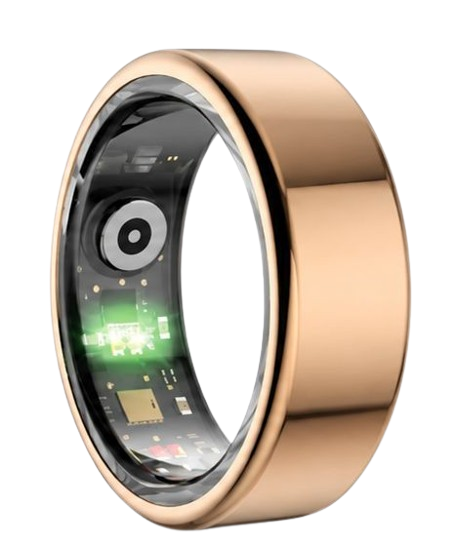
The Herz P1 Smart Ring tracks HRV, Sleep, Heart Rate & SpO2 around the clock. No subscriptions. No renewals. Ever.
In This Article
- Step-by-Step Guide: Discover how to accurately track and naturally stabilize your breathing patterns during sleep.
- The Science of Sleep Respiration: Learn how oxygen saturation, heart rate variability, and respiratory health are interconnected.
- Expert Biometric Insights: Understand what constitutes a healthy respiration rate and when to take action.
- Practical Lifestyle Adjustments: Explore actionable habits to improve your nightly recovery and overall physical vitality.
How to Track and Optimize Your Sleeping Breathing Rate: A Step-by-Step Guide

Before you can begin optimizing your nighttime biometric trends, you need to set up a reliable, stress-free tracking environment.
Establishing a consistent tracking habit requires a highly precise biometric sensor that does not interrupt your sleep cycle.
You should also ensure your bedroom is quiet, dark, and set to a comfortable temperature to minimize midnight physical stress.
-
Step 1: Establish Your Personal Respiration Baseline
You must track your sleep continuously for at least seven consecutive nights to find your true physiological average.
Every individual possesses a unique respiratory signature that varies based on physical fitness, age, and lifestyle habits.
Using this historical data helps you accurately identify your personal normal sleeping respiratory rate without rely on generic charts.
A stable baseline is essential for detecting sudden biometric deviations that could signal physical exhaustion or early infection.
Make sure to avoid significant changes in your physical activity or evening habits during this initial baseline tracking week.
-
Step 2: Adjust and Optimize Your Sleeping Position
Your sleep posture has a profound, immediate effect on the alignment of your airway and the efficiency of your lungs.
Sleeping flat on your back often allows gravity to pull your throat tissues downward, creating mild airway resistance.
This restriction forces your respiratory muscles to work harder, which naturally increases your overnight breathing frequency.
Transitioning to a side-sleeping position is highly recommended by sleep specialists to keep your natural breathing passage open.
Maintaining this posture consistently throughout the night helps you achieve a stable, normal sleeping breath rate.
You can also use a supportive, contoured pillow to keep your head and neck aligned with your spine during rest.
-
Step 3: Manage Your Evening Consumption Windows
What you eat and drink in the hours leading up to bedtime directly impacts your central nervous system’s respiratory drive.
Digesting a heavy meal forces your cardiovascular system to work harder, which elevates your resting heart rate and oxygen demand.
Additionally, drinking alcohol before bed acts as a strong muscle relaxant, causing your upper airway tissues to soften.
This airway relaxation leads to shallower, more rapid breathing cycles and frequent micro-arousals during your sleep stages.
Finishing your last meal and alcohol intake at least three hours before bed allows your body to enter a state of true recovery.
This dietary discipline is one of the easiest ways to stabilize your average breaths per minute while sleeping.
-
Step 4: Regulate Bedroom Air Quality and Moisture Levels
Breathing dry, cold, or dust-filled air causes immediate irritation and mild swelling in your sensitive nasal membranes.
This physical congestion restricts nasal breathing, which forces you to unconsciously open your mouth to inhale air.
Mouth breathing is significantly less efficient than nasal breathing and often leads to rapid, irregular breathing patterns.
You can keep your airways clear by running a cool-mist humidifier to keep bedroom humidity levels between forty and fifty percent.
Using a high-efficiency particulate air purifier will also remove common airborne allergens that trigger nasal congestion.
These simple environmental modifications are highly effective for maintaining a steady normal respiration rate while sleeping.
-
Step 5: Practice Calming Relaxation Techniques Before Bed
High daily stress keeps your sympathetic nervous system active, keeping your body in an anxious fight-or-flight state.
This state of hyperarousal prevents your heart rate from dropping and keeps your overnight breathing shallow and fast.
You can actively calm your nervous system by practicing five minutes of box breathing or progressive relaxation before sleep.
These targeted breathing exercises stimulate your vagus nerve, signaling your brain that it is safe to enter deep rest.
A relaxed mind shifts your body into a restorative parasympathetic state, lowering your physiological metrics to ideal resting levels.
This mental wind-down is key to achieving a healthy, restorative average respiration rate while sleeping.
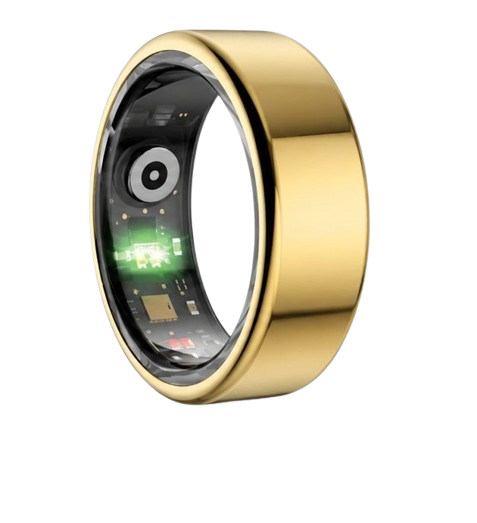
To make this comprehensive tracking process completely effortless, the Herz P1 smart ring monitors your biometrics without any bulky wristbands.
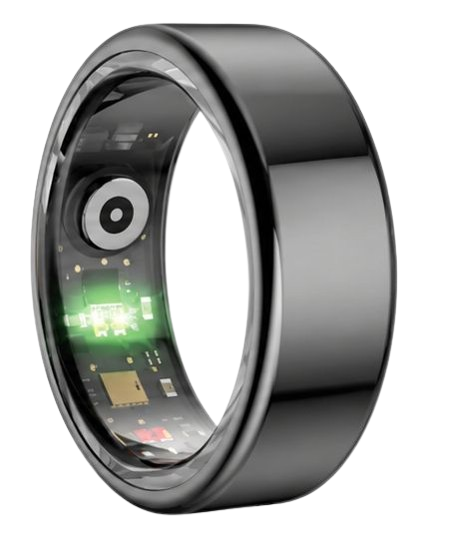
Crafted from ultra-durable military-grade steel, it sits comfortably on your finger and silently records your breathing trends all night.
The data automatically syncs to a free companion application, giving you a clear view of your cardiorespiratory recovery every morning.
90-Day 100% Money-Back Guarantee
“The Herz Smart Ring helps me manage stress easily. It’s accurate, stylish, and lightweight—perfect for my busy life!”
— Jennifer P. | ✔ Verified Customer
- ✓ 6-Day Battery Life
- ✓ Detailed Sleep Analysis
- ✓ Fast 1-Hour Charging
- ✓ iOS & Android Ready
Questions? Call: 1-866-479-1629
Decoding the Physiology of Your Nighttime Breathing Rate
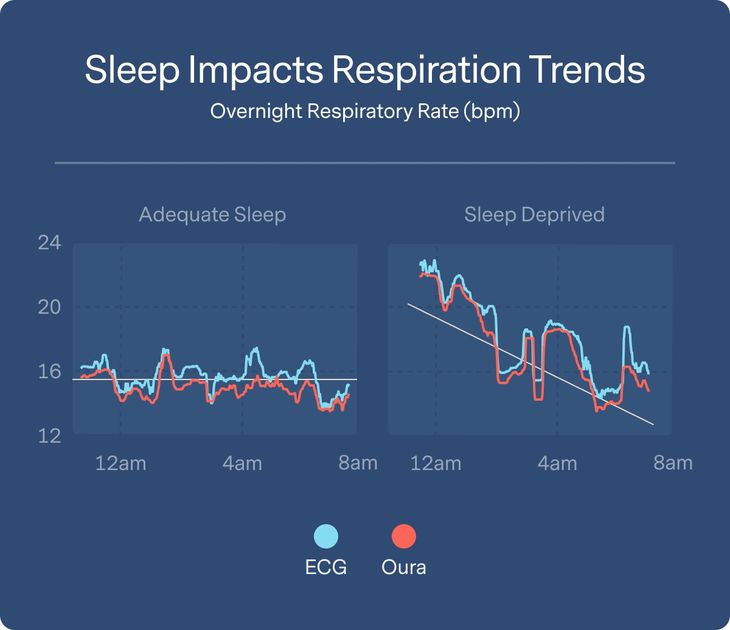
During deep sleep, your body enters a highly coordinated state of physical restoration, metabolic regulation, and cellular repair.
The National Sleep Foundation states that a stable, slow breathing pattern is characteristic of healthy non-rapid eye movement sleep.
As you transition into this deep rest stage, your parasympathetic nervous system takes full control of your vital cardiovascular metrics.
Your muscles relax deeply, allowing your lungs to expand and contract in a rhythmic, highly efficient manner.
This deep, steady breathing ensures that your brain and muscle tissues receive a constant, saturating flow of life-giving oxygen.
A stable average breaths per minute sleep is a strong indicator that your cardiorespiratory system is resting without stress.
Conversely, if your body must fight for oxygen due to a blocked airway, your brain will trigger a series of micro-arousals.
These brief, unconscious awakenings pull you out of deep recovery stages to restore proper muscle tone in your throat.
The American Heart Association notes that chronic respiratory strain during sleep put significant, long-term stress on your heart.
Over time, these micro-arousals can raise your resting heart rate and increase your daily cardiovascular fatigue.
By tracking your nighttime metrics, you can spot these subtle breathing disruptions long before they impact your waking life.
The Herz P1 smart ring uses its multi-wavelength optical sensors to capture these respiratory movements through your skin capillaries.
Measuring these trends at the base of the finger provides a cleaner, more reliable biometric signal than wrist-based trackers.
Why Your Sleeping Breathing Rate Changes: Triggers and Biometric Clues
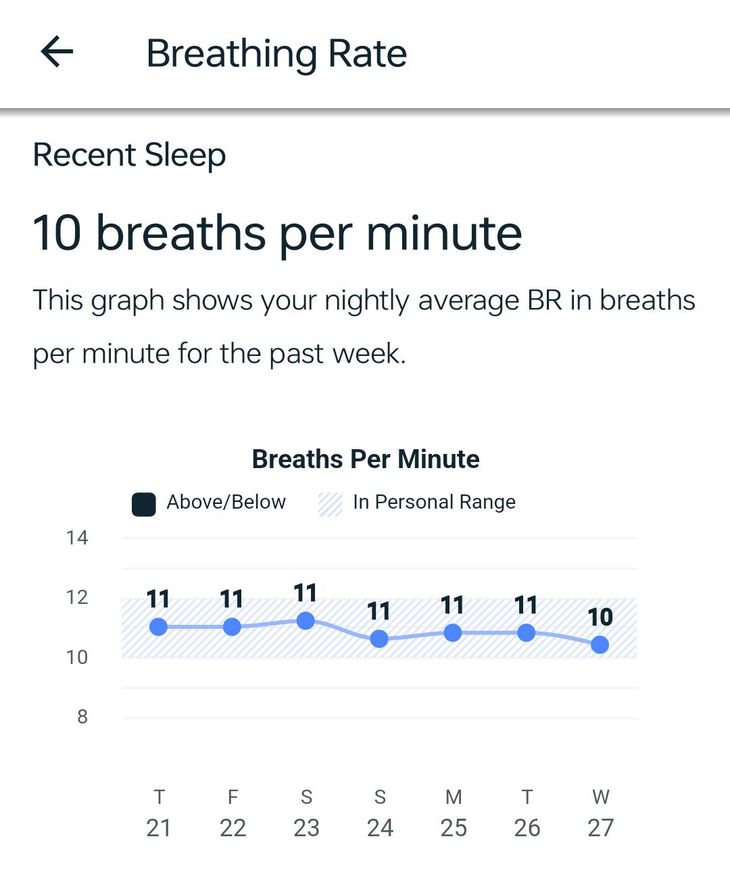
Your breathing rate is not static and will naturally fluctuate in response to internal metabolic shifts and external triggers.
For a healthy adult, a normal respiration rate for adults sleeping typically ranges from twelve to twenty breaths per minute.
A sudden, sustained rise in your respiration rate can indicate that your body is fighting off an underlying infection.
When your immune system detects a threat, your core temperature rises, which elevates your resting metabolic demand.
To meet this increased oxygen need, your brain signals your lungs to breathe faster, even before you feel clinical symptoms.
This early physiological response is why you might observe a sudden increase in your average brpm while sleeping.
Physical factors like intense evening exercise, high muscle soreness, or elevated mental anxiety also play a major role.
If you perform a high-intensity workout late in the day, your metabolic rate and muscle repair processes remain active for hours.
This extended recovery phase keeps your cardiorespiratory system elevated, resulting in a higher sleeping respiratory rate.
Environmental variables, such as room temperature and altitude, can also alter your overnight blood oxygen saturation levels.
If you sleep in a room with poor ventilation, your body will increase its breathing frequency to maintain stable oxygen levels.
By monitoring these weekly fluctuations, the Herz P1 application helps you connect your daily lifestyle choices directly to your sleep.
How to Analyze Your Sleep Metrics in the Herz P1 Application
Opening the Herz P1 application provides you with a clear, comprehensive dashboard of your overnight recovery metrics.
The app translates raw PPG sensor data into intuitive, highly visual charts that show your exact respiratory trends.
You can easily check if your breathing stayed within your personal healthy range or if it spiked during specific sleep stages.
The dashboard also displays your nightly blood oxygen levels, heart rate variability, and deep sleep durations in one view.
This integrated analysis allows you to see how your respiratory rate directly correlates with your overall recovery score.
Because the Herz P1 ring is exceptionally lightweight and comfortable, you can wear it twenty-four hours a day without distraction.
Unlike heavy, bulky smartwatches, the ring does not bother you with annoying screen glare or tight wrist straps.
This seamless, 24/7 wearability ensures you get highly accurate, uninterrupted biometric data for your long-term wellness planning.
Overcoming Sleep Tracking Obstacles and Pitfalls
Many health-conscious individuals make the mistake of wearing large, uncomfortable smartwatches to track their sleep patterns.
These heavy wrist devices often shift during the night, leading to sensor disconnection and highly inaccurate readings.
The bright screens on smartwatches can also turn on accidentally when you move, disrupting your natural sleep cycle.
Another major frustration in the wearable market is the hidden cost of ongoing monthly app subscriptions.
Many premium brands force you to pay a recurring fee just to view your own heart and lung data.
The Herz P1 smart ring solves these common issues by offering a subscription-free experience with a free app for life.
You get complete, unrestricted access to all your sleep stages, HRV trends, and respiratory metrics without any hidden costs.
Our commitment to premium hardware and zero ongoing fees makes tracking your health simple, private, and highly affordable.
Frequently Asked Questions Regarding Sleep Breathing Tracking
Is the Herz P1 Smart Ring completely waterproof?
Yes, the Herz P1 features a robust, military-grade IP68 waterproof rating that protects it in all wet environments.
This certification ensures you can submerge the ring in water up to one hundred and sixty-four feet deep without any damage.
It is perfectly safe to wear while swimming, taking a hot shower, washing dishes, or relaxing in a dry sauna.
The hermetically sealed outer casing ensures that no moisture can ever reach the advanced biometric sensors inside.
How long does the battery last on a single charge?
The Herz P1 is equipped with a high-performance battery that lasts up to six full days on a single charge.
This long battery life allows you to track your sleep and daily activity continuously without constant charging anxiety.
When the battery does run low, you can recharge it fully in under one hour using our custom magnetic dock.
We recommend placing the ring on its charger during your morning shower to keep the battery topped up effortlessly.
Which finger is the best option for wearing the smart ring?
For the absolute best tracking accuracy, we recommend wearing the Herz P1 on your index, middle, or ring finger.
The blood vessels in these fingers are highly accessible, providing a strong and clear signal for our optical sensors.
Make sure to select a size that fits snugly against your skin without pinching or feeling too tight.
Using our complimentary sizing kit will help you find the perfect fit for both day and night wear.
Does the ring store biometric data when it is offline?
Yes, the Herz P1 has a smart internal memory that stores up to seven days of biometric data offline.
This feature means you do not need to keep your smartphone near your bed or leave your Bluetooth active overnight.
The ring will silently record your sleep stages, oxygen levels, and breathing trends while you rest.
Once you open the app, the ring will instantly sync all recorded data to your smartphone dashboard.
Conclusion
Monitoring your sleeping breathing rate is a powerful way to guard your cardiorespiratory health and boost daily energy.
The Herz P1 Smart Ring makes tracking these essential biometrics simple, comfortable, and affordable.
Ready to monitor your health every day? Explore the Herz P1 Smart Ring and see if it fits your lifestyle. Call: 1-866-479-1629 — our team can help you advise on the correct ring size and set personalized health goals.
