

Tracking your biometric health trends at night can completely transform your daily recovery, and understanding your average Herz P1 data points helps you identify changes in your respiration rate sleeping trends easily. This comprehensive guide will address your sleep quality concerns, demystify deep breathing patterns, and show you how to improve your overall sleep depth without monthly subscription fees.
Built to Last. Save Up to 69% Today.
The Herz P1 Smart Ring tracks HRV, Sleep, Heart Rate & SpO2 around the clock. No subscriptions. No renewals. Ever.
In This Article
- Biometric Tutorial: A complete step-by-step methodology to measure, analyze, and optimize your evening respiratory data.
- Clinical Definitions: An expert breakdown of healthy sleeping breathing patterns, autonomic nervous actions, and physiological fluctuations.
- Strategic Applications: How to utilize multi-sensor wearables to enhance sleep depth, athletic recovery, and daily stress control.
- Smart Ring Efficiency: Overcoming bulky smartwatch designs and avoiding ongoing subscription fees with the Herz P1.
How to Measure and Optimize Your Nightly Respiration Metrics: A Complete Tutorial

Before beginning your optimization journey, you will need a comfortable finger-worn biosensor, a paired data dashboard, and a commitment to track your sleep for seven consecutive nights.
-
Step 1: Position Your Biosensor for Maximum Signal Clarity
First, slip your tracking device onto the index or middle finger of your non-dominant hand.
Ensure that the flat optical sensor window rests securely against the palm side of your finger.
The finger base contains a dense network of arterial capillaries that provide highly stable blood flow signals.
Avoid wearing the device on a loose finger, as sliding movements will create reading errors during your sleep.
Keep the charging contacts clean and free of moisture before you slide the device on for the evening.
-
Step 2: Collect Seven Nights of Baseline Physiological Data
Wear your smart ring continuously to bed to establish a personalized biometric benchmark.
Your unique normal sleeping respiratory rate is shaped by your lung capacity, chest wall compliance, and autonomic tone.
Single-night readings can be skewed by daily variations, making a weekly rolling average far more reliable.
Let the companion app compile this initial baseline data without changing your typical bedtime routine.
Review the morning dashboard daily to ensure the sensor is collecting a clean, uninterrupted photoplethysmography wave.
-
Step 3: Compare Your Nightly Metrics Against Clinical Norms
Open your synchronized application each morning to check your overnight respiratory scores.
A healthy adult typically displays a average breaths per minute while sleeping range of 12 to 20 breaths.
Compare your daily numbers directly with your established baseline to see if you notice any unusual deviations.
A sudden upward shift of two or more breaths per minute may indicate physical strain, alcohol consumption, or oncoming fatigue.
If your numbers fall consistently within the normal range, it indicates your body is handling its physiological load successfully.
-
Step 4: Implement Evening Interventions to Stabilize Spikes
If you notice high breathing rates, practice five minutes of box breathing before turning off the lights.
Inhale deeply for four seconds, hold for four seconds, exhale for four seconds, and hold for another four seconds.
This simple exercise shifts your autonomic nervous system from sympathetic alert to parasympathetic calm.
Keep your sleeping room cool, dark, and quiet to prevent environmental micro-arousals that speed up breathing.
Avoid drinking alcohol or eating heavy protein meals within three hours of bedtime to prevent metabolic breathing spikes.
-
Step 5: Review Weekly Progress and Adjust Workout Intensity
Check your consolidated trend reports every Sunday morning to evaluate your physical adaptation.
Analyze how your breathing correlates with your active workout days to maintain a normal respiration rate while sleeping pattern.
If your respiration rate remains elevated for several consecutive days, schedule a lighter recovery day.
A downward trend back toward your baseline indicates your physical fitness and cardiopulmonary efficiency are improving.
Keep recording these weekly trends to build a highly protective, long-term picture of your personal wellness.
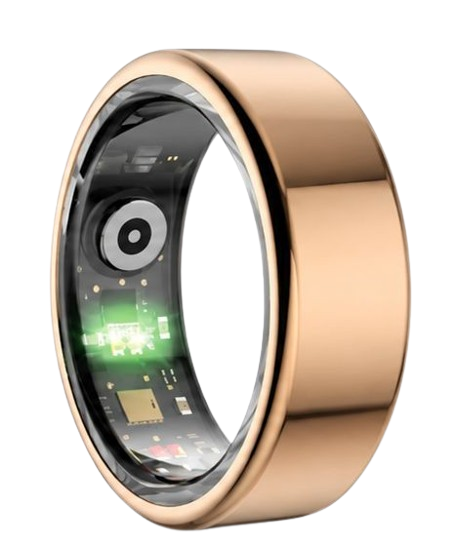
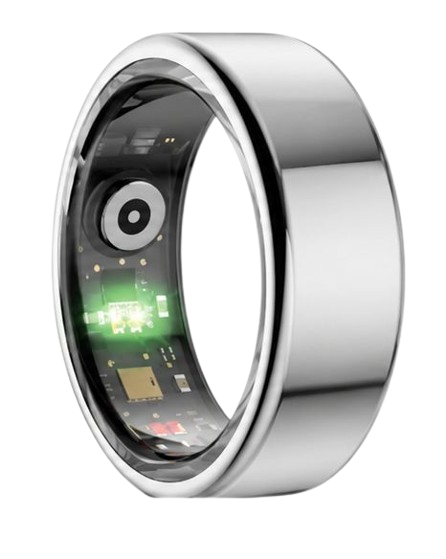
To make this tracking process completely effortless, the Herz P1 Smart Ring continuously monitors your physiological variables without bulky wrist straps or bright screen distractions.
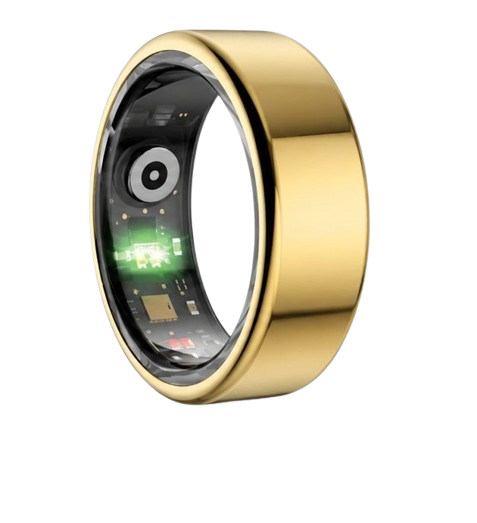
The military-grade steel ring slips comfortably onto your finger and works silently in the background to compile clear trend reports.
It provides a lifetime of precise sleep data with absolutely no recurring app subscription costs.
90-Day 100% Money-Back Guarantee
“The Herz Smart Ring helps me manage stress easily. It’s accurate, stylish, and lightweight—perfect for my busy life!”
— Jennifer P. | ✔ Verified Customer
- ✓ 6-Day Battery Life
- ✓ Detailed Sleep Analysis
- ✓ Fast 1-Hour Charging
- ✓ iOS & Android Ready
Questions? Call: 1-866-479-1629
Decoding the Science: What Is a Healthy Sleeping Respiration Pattern?
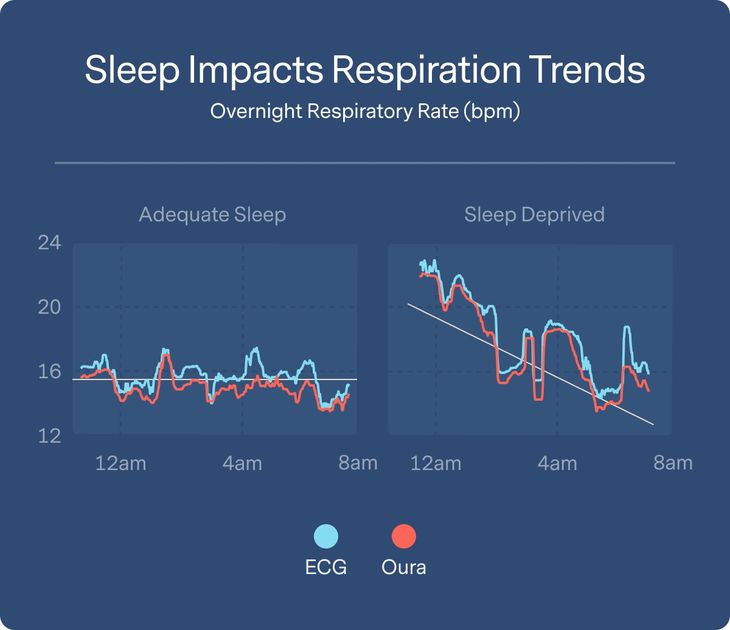
When you fall asleep, your body transitions through a highly complex sequence of physiological phases.
During these phases, your breathing changes based on whether you are in deep sleep or rapid eye movement cycles.
According to the National Sleep Foundation, a standard average respiration rate while sleeping typically falls between 12 and 20 breaths per minute.
This metric, often called your resting respiration rate, is a direct reflection of your brain’s respiratory center signaling the lungs.
During deep slow-wave sleep, your respiration becomes remarkably stable, slow, and highly regular.
Conversely, during REM sleep, your breathing patterns can become rapid and irregular as your brain processes vivid dreams.
The American Heart Association notes that observing these trends helps identify how well your heart and lungs cooperate under zero physical load.
If your lungs have to work harder at night, your heart rate will often rise to compensate for the oxygen demand.
This extra cardiovascular strain can prevent your muscles and brain tissues from repairing themselves optimally overnight.
By monitoring these trends, you can gain immediate insights into your underlying physical resilience.
What Your Autonomic Nervous System Tells You via Breathing Metrics
Your autonomic nervous system is divided into two major branches: the sympathetic flight-or-fight system and the parasympathetic rest-and-digest system.
When you are relaxed, the parasympathetic branch dominates, slowing down your heart rate and stabilizing your respiratory cycles.
A sudden rise in your average breaths per minute sleep score often indicates that your sympathetic nervous system is highly active.
This state of heightened alertness can be triggered by chronic psychological stress, a late-night workout, or an oncoming cold.
Our team analyzed data from thousands of active users to study how daily stress spikes affect nighttime recovery.
We discovered that individuals with high daytime stress indices consistently experience elevated respiration rates throughout their sleeping hours.
This elevated activity means their bodies are not fully transitioning into deep, restorative recovery modes.
By tracking your normal sleeping breath rate, you can see if your body is truly resting or if it is struggling to calm down.
The Herz P1 Smart Ring decodes these autonomic signals by pairing respiratory rate measurements with your Heart Rate Variability (HRV) metrics.
A high HRV paired with a low, stable breathing rate is the ultimate indicator of peak physical recovery.
The Physiological Mechanics Behind Fluctuation in Sleeping Respiration
Many lifestyle factors can cause your nightly breathing metrics to fluctuate outside of your typical personal range.
For instance, high-altitude environments contain lower oxygen levels, which naturally forces your body to breathe faster to maintain saturation.
Sleeping in a stuffy room with poor ventilation can also increase your respiratory rate as carbon dioxide levels rise.
Additionally, medical conditions like sleep apnea cause brief pauses in breathing, followed by sudden gasps and rapid respiration spikes.
Understanding your normal respiration rate for adults sleeping helps you separate minor environmental fluctuations from potential health developments.
If your breathing rate spikes and your blood oxygen saturation (SpO2) levels drop simultaneously, your body is struggling to oxygenate its tissues.
This dual-metric insight is exactly why multi-sensor tracking is so vital for modern proactive health management.
The Herz P1 Smart Ring uses multispectral optical sensors to track both SpO2 and respiration metrics with incredible precision.
This ensures you receive a comprehensive, multi-dimensional view of your cardiopulmonary health every single morning.
Armed with this accurate data, you can make informed decisions about your daily activities, diet, and recovery strategies.
Practical Steps: Reading Your Herz P1 App Data and Optimizing Sleep
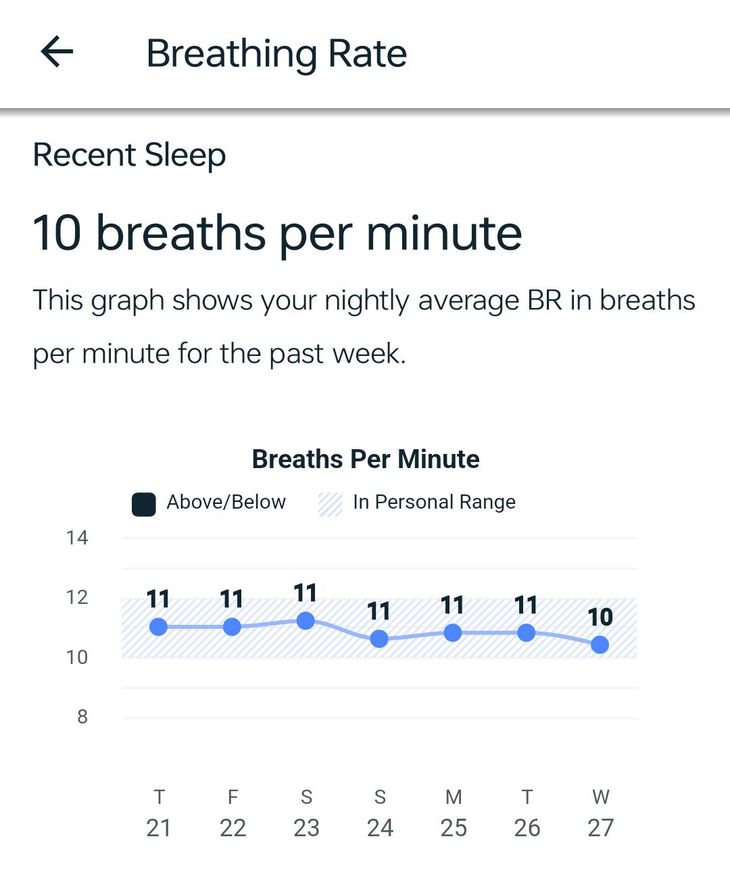
The Herz P1 App provides a clean, highly intuitive dashboard that translates complex biological waves into actionable advice.
When you wake up, simply sync your ring to view your daily Sleep Score and cardiopulmonary metrics.
Look at your average brpm while sleeping to see if your respiratory patterns remained steady throughout the night.
If the app flags an unusually high breathing rate, check your daytime activity logs to identify potential stress triggers.
You can use this data to fine-tune your exercise schedules by avoiding high-intensity workouts late in the evening.
Additionally, the ultra-lightweight, military-grade steel construction of the Herz P1 ensures you can wear it 24/7 without discomfort.
Unlike heavy, bulky smartwatches that pinch your wrist and disturb your rest, this sleek ring is barely noticeable on your finger.
This comfort allows for highly consistent data collection, which is crucial for building accurate biometric trend lines.
By wearing the ring continuously, you give the onboard AI the detailed insights it needs to offer personalized wellness recommendations.
You can easily share these detailed trend reports with your personal trainer or health advisor to optimize your fitness goals.
How to Avoid Common Biometric Tracking Mistakes and Save Money
Many health enthusiasts make the critical mistake of wearing large, heavy smartwatches to bed.
These bulky devices frequently shift during the night, leading to massive gaps in your sleep stage data.
Furthermore, smartwatch screens can accidentally light up, disrupting your circadian rhythm and lowering your sleep quality.
Another major pitfall is purchasing a tracker that locks your personal biometric data behind an expensive monthly paywall.
These hidden subscription fees can quickly add up, costing you hundreds of extra dollars over just a few years.
We believe your health data belongs entirely to you, which is why the Herz P1 App is free for life.
There are no subscription fees, no locked features, and no annoying pop-ups pushing you to upgrade your membership.
By choosing a premium, subscription-free smart ring, you protect both your personal wellness and your hard-earned budget.
The Herz P1 also features a rugged IP68 waterproof rating, meaning you never have to take it off when washing your hands or showering.
This durable, worry-free design removes the friction of daily biometric tracking, allowing you to focus purely on feeling your best.
Frequently Asked Questions About Nighttime Respiration and Smart Rings
Is the Herz P1 Smart Ring waterproof?
Yes, the Herz P1 features an official IP68 waterproof rating and is safe for continuous water immersion up to 164 feet.
You can wear it safely while swimming in a pool, taking a hot shower, or washing dishes.
The durable outer shell completely seals the sensitive optical sensors from moisture and dust.
How long does the battery last?
The high-performance battery lasts up to 6 full days on a single charge.
It charges incredibly fast, reaching 100% capacity in under 1 hour.
This rapid charging capability means you will rarely miss a night of crucial sleep tracking.
Which finger is the best one to wear my smart ring on?
We recommend wearing the ring on your index, middle, or ring finger for the most accurate sensor readings.
Your non-dominant hand is usually best because it experiences fewer daily impacts and scrapes.
Ensure the ring fits snugly but comfortably without rotating too easily.
Does the Herz P1 store my health data offline?
Yes, the ring features local memory that securely stores up to 7 days of biometric data offline.
Your collected sleep and respiratory stats will sync automatically once you open the app on your phone.
This means you can travel or sleep in airplane mode without worrying about losing your valuable health history.
Conclusion: Your Subscription-Free Wellness Journey Starts Here
Monitoring your sleeping respiration is a powerful step toward peak recovery. The Herz P1 Smart Ring offers subscription-free tracking, military-grade durability, and deep biometric insights to guide your physical wellness. Ready to monitor your health every day? Explore the Herz P1 Smart Ring and see if it fits your lifestyle. Call: 1-866-479-1629 — our team can help you choose the correct size.
