

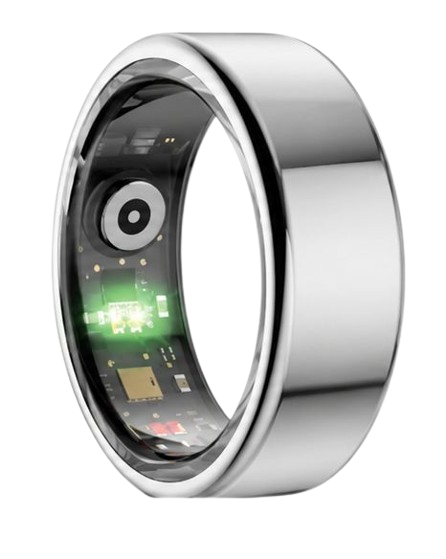
Monitoring your average respiration rate while sleeping is one of the most effective ways to evaluate your body’s autonomic recovery, cardiorespiratory health, and daily fatigue levels. Recent clinical studies show that subtle fluctuations in overnight breathing patterns often serve as early indicators of underlying physiological stress or oncoming wellness changes. The subscription-free Herz P1 smart ring makes tracking these metrics effortless, empowering you to decode your sleep architecture without bulky screens or costly monthly fees.
Built to Last. Save Up to 69% Today.
The Herz P1 Smart Ring tracks HRV, Sleep, Heart Rate & SpO2 around the clock. No subscriptions. No renewals. Ever.
In This Guide
- How-To Steps: A clear, practical plan to measure, understand, and stabilize your nightly respiratory baselines.
- Sleep Science Insights: Deep physiological examination of respiratory patterns across light, REM, and deep sleep stages.
- Advanced Ring Technology: The mechanics behind how optical sensors detect micro-movements to read body signals.
- Addressing Core Pain Points: Moving past the heavy designs of standard smartwatches and removing ongoing app subscription models.
How to Track and Optimize Your Average Respiration Rate While Sleeping: A Step-by-Step Guide
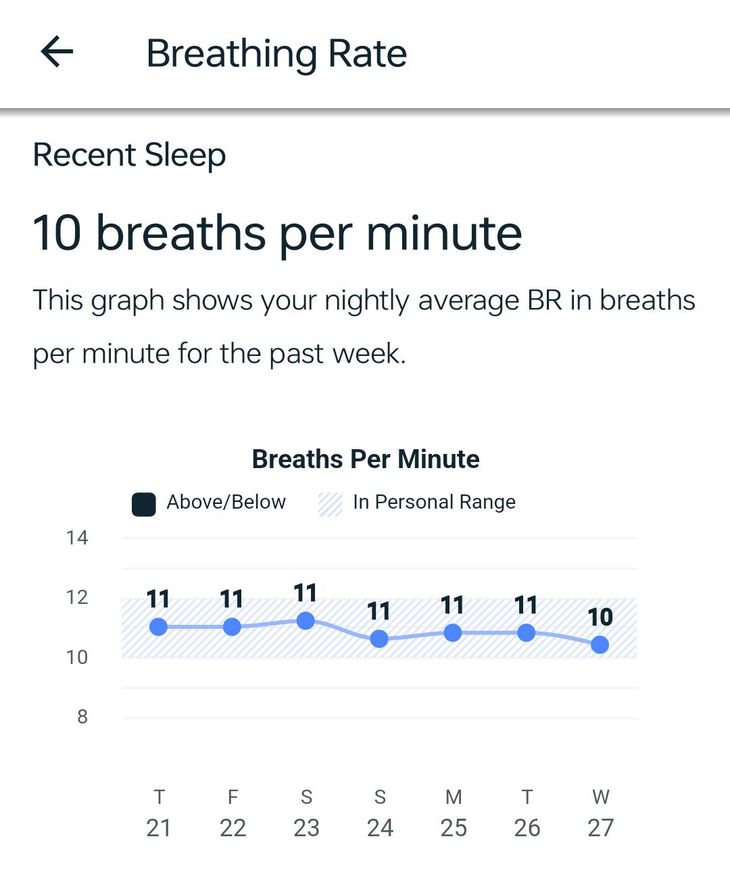
To accurately monitor and lower your overnight breathing metrics, you must understand the proper application of biometric trackers.
This tutorial outlines the step-by-step methods needed to record high-quality cardiorespiratory patterns and leverage that data to enhance your sleep quality.
Prerequisites and Preparations
Before you begin, ensure you have a comfortable biometric tracking device that registers optical signals on the skin.
You will also need a stable, distraction-free sleeping environment to allow your heart and respiratory rates to settle naturally.
Finally, download the corresponding health application on your smartphone to record and view your daily physiological trends.
-
Step 1: Choose a Snug and Validated Wearing Finger
The accuracy of optical sensors depends entirely on the stability of skin contact.
For smart rings, select your index or middle finger on your non-dominant hand to minimize environmental movement artifacts.
The ring should slide over your knuckle smoothly but sit firmly against the base of your finger without sliding.
Verify that your skin is dry and free of thick lotions before heading to bed to preserve signal clarity.
-
Step 2: Calibrate Your Baseline Environment
Your physical bedroom conditions heavily influence your sympathetic and parasympathetic nervous systems.
Set your thermostat to a cool range, ideally between 65 and 68 degrees Fahrenheit.
Use blackout curtains to block ambient light that could cause micro-arousals and spike overnight breathing.
Ensure your mattress and pillows support open, unhindered airways to prevent postural breathing obstructions.
-
Step 3: Establish a Consistent Pre-Sleep Wind-Down Pattern
A hyperactive brain directly increases your breathing rate and reduces sleep depth.
Dedicate the final 30 minutes of your evening to breathing exercises, reading, or light muscle stretching.
Avoid high-intensity exercise or heavy, protein-rich dinners close to your scheduled sleep window.
This intentional transition helps your heart rate and respiration drop quickly into restful recovery zones.
-
Step 4: Sync and Log Your Morning Biometric Metrics
Upon waking, open your health tracking application to transmit the stored overnight data.
Identify your normal sleeping respiratory rate by reviewing your baseline charts over a consecutive seven-day period.
Note any unusual deviations, such as a sharp rise in breaths per minute, on your digital dashboard.
Cross-reference these data points with your subjective fatigue scores to find personal stress correlations.
-
Step 5: Implement Core Adjustments and Track Improvements
If your average breathing rate remains elevated, begin making systematic adjustments to your bedtime routine.
Practice focused nasal-breathing patterns during the day to train your diaphragm for efficient overnight respiration.
Reduce alcohol intake or late-night screen time and note how your body responds over the following week.
Gradual, positive shifts in your autonomic health will manifest as more stable, resting biometric cycles.
The Herz P1 Smart Ring helps you execute this process effortlessly by monitoring your physical signals around the clock.
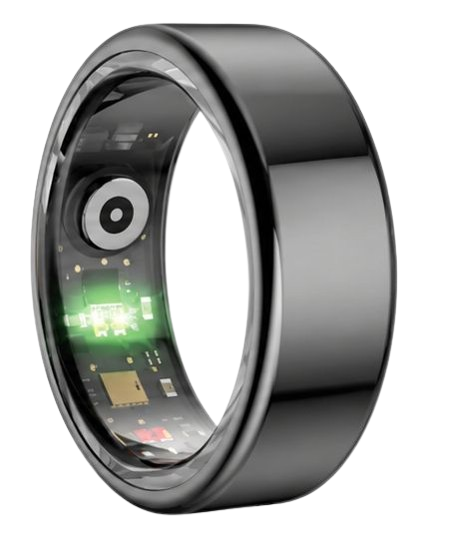
Its lightweight, medical-grade structure stays perfectly secure on your finger to collect clean data while you sleep.
With its free lifetime app, you can easily review your daily changes without worrying about monthly tracking fees.
90-Day 100% Money-Back Guarantee
“The Herz Smart Ring helps me manage stress easily. It’s accurate, stylish, and lightweight—perfect for my busy life!”
— Jennifer P. | ✔ Verified Customer
- ✓ 6-Day Battery Life
- ✓ Detailed Sleep Analysis
- ✓ Fast 1-Hour Charging
- ✓ iOS & Android Ready
Questions? Call: 1-866-479-1629
Understanding the Science Behind Your Average Sleep Respiration Rate

The human body relies on complex feedback loops to coordinate breathing patterns during nocturnal recovery phases.
Your respiratory rate is a direct reflection of autonomic nervous system balance and metabolic needs.
By studying this biometric metric, researchers can identify subtle shifts in cardiovascular strain and recovery efficiency.
What Controls Your Autonomic Nervous System and Breathing Metrics?
The brainstem serves as the central command center for regulating spontaneous breathing around the clock.
When you transition into deep sleep, your parasympathetic nervous system suppresses stress hormones and slows your breathing.
Monitoring your average breaths per minute while sleeping reveals how effectively your nervous system disengages from daytime stress.
If you are physically or mentally exhausted, sympathetic drive remains elevated, causing your respiration to stay rapid and shallow.
According to the National Sleep Foundation, healthy breathing during rest supports optimal oxygenation and cellular repair.
Sudden, unexplained changes in this pattern often act as the earliest indicators of environmental or physical strain.
Consistent tracking helps establish your unique autonomic fingerprint, allowing you to catch abnormalities before they impact daily productivity.
Normal vs. Abnormal Sleeping Respiration Rate Averages
A healthy cardiorespiratory system typically maintains a very narrow, stable breathing range during the night.
Clinical data confirms that the normal respiration rate for adults sleeping falls between 12 and 20 breaths per minute.
Slight fluctuations are completely normal and can be caused by physical fatigue or changes in altitude.
However, finding a consistent baseline for your normal respiration rate while sleeping is vital to recognizing real health issues.
If your average brpm while sleeping regularly rises above 20, it could point to a high fever or respiratory congestion.
By tracking these metrics over several weeks, you can distinguish brief anomalies from chronic health concerns.
The Herz P1 app visualizes this data clearly, giving you a reliable baseline to share with health professionals when necessary.
How Medical-Grade Smart Rings Measure Your Overnight Cardiorespiratory Health

Modern wearable technology has evolved rapidly, compressing advanced clinical sensors into highly compact ring form factors.
These devices use precise optical signals to read the physiological changes that occur with each breath.
Understanding this underlying technology helps build trust in the data displayed on your daily dashboard.
PPG Optical Sensor Technology Demystified
Smart rings use Photoplethysmography (PPG) sensors to measure changes in localized blood volume.
By shining red, green, and infrared light into the skin, the sensors track blood flow as blood vessels expand and contract.
As you breathe, your heart rate naturally fluctuates in a phenomenon called respiratory sinus arrhythmia.
The ring’s algorithms analyze these tiny variations in your pulse to calculate your exact breathing rate.
Because the finger contains a dense network of superficial blood vessels, it provides a much cleaner PPG signal than the wrist.
This anatomical advantage allows smart rings to capture accurate metrics with minimal margin of error.
The result is a continuous, medical-grade stream of recovery data that matches the performance of bulky clinical gear.
Sleep Architecture, Oxygen Saturation, and Respiratory Variability
Your breathing patterns naturally evolve as you progress through the different stages of sleep.
During deep, slow-wave sleep, your respiration is highly rhythmic, steady, and predictable.
As you enter REM sleep, your breathing rate becomes faster and more irregular as your brain processes vivid dreams.
Tracking your average breaths per minute sleep cycles helps confirm that you are transitioning smoothly between these vital stages.
Additionally, monitoring your respiration rate sleeping metrics alongside blood oxygen saturation (SpO2) provides a complete picture of your heart and lung health.
Healthy lungs ensure that your blood oxygen levels remain high and stable throughout the entire night.
The Herz P1 integrates these complex data streams to give you a clear, comprehensive breakdown of your nightly recovery.
Practical Strategies to Optimize Your Breathing Dynamics and Sleep Metrics
Analyzing your personal biometrics is only the first step toward improving your long-term health.
The true value of tracking lies in using this data to build healthier, more effective daily routines.
By combining clear tracking insights with positive lifestyle shifts, you can build a highly effective blueprint for healthy sleep.
Interpreting Your Herz P1 Dashboard Data
The Herz P1 app is designed to convert raw biometric data into simple, actionable insights.
Your daily recovery score gives you a quick snapshot of how well your autonomic nervous system recovered overnight.
If your normal sleeping breath rate shows an unexpected spike, the app immediately flags it for your review.
You can tap the respiratory tab to look at hourly breathing consistency charts throughout the night.
Comparing your breathing patterns with your nightly heart rate variability (HRV) helps you evaluate physical strain.
This daily look allows you to spot patterns, such as how late-night stress might be cutting into your deep sleep.
By identifying these connections, you can make informed adjustments to your daily schedule and sleep habits.
Lifestyle Habits That Directly Elevate Sleep Quality
Lowering your nocturnal respiratory rate and physical stress starts with simple, consistent choices.
Nasal breathing exercises during the day help improve oxygen delivery and calm your central nervous system.
Avoid alcohol, caffeine, or heavy meals close to bedtime, as they can artificially stimulate your heart and increase breathing rates.
Adding regular physical activity to your weekly routine strengthens your cardiorespiratory muscles over time.
Keep your sleeping area cool and well-ventilated to ensure your body gets a steady supply of fresh, clean air.
By wearing the lightweight Herz P1 Smart Ring consistently, you can see how these daily habits improve your long-term health trends.
Common Pitfalls of Sleep Tracking and How to Avoid Them
Even advanced tracking rings require proper use and context to deliver accurate physiological results.
Many users struggle with common tracking mistakes that can lead to incomplete data and unnecessary frustration.
By avoiding these common pitfalls, you can get the most out of your health tracker and protect your budget.
The Discomfort of Bulky Smartwatches
A major reason people stop tracking their sleep is the discomfort of wearing bulky smartwatches to bed.
Heavy designs can easily catch on blankets, and bright screens can turn on accidentally and disrupt your sleep.
Wide silicone bands also tend to trap sweat, which can cause skin irritation and lead to poor sensor readings.
A slim, lightweight smart ring solves these issues by offering a comfortable, low-profile design that you barely feel.
The Herz P1 is made of military-grade steel, ensuring maximum durability and a comfortable fit for 24/7 wear.
The Hidden Tax of Monthly Subscriptions
Many fitness trackers on the market lock your detailed recovery metrics behind expensive monthly paywalls.
Paying a recurring fee just to view your own health data can feel frustrating and unnecessary.
We believe that access to your own physical insights should be entirely free, without any hidden or renewal costs.
The companion app for the Herz P1 is completely free for lifetime, offering full access to all your health data.
This approach allows you to focus on your wellness goals without worrying about recurring subscription charges.
Frequently Asked Questions About Sleep Respiration Rates
This section addresses common questions about tracking resting breathing rates and smart ring performance.
-
Is the Herz P1 smart ring waterproof?
Yes, the Herz P1 features a certified IP68 waterproof rating for maximum durability.
It can withstand continuous submersion in water up to 164 feet deep without losing sensor accuracy.
This makes it completely safe for lap swimming, showering, bathing, and daily handwashing.
-
How long does the battery last?
The Herz P1 has an efficient battery that provides up to 6 days of continuous tracking on a single charge.
It takes less than an hour to charge fully using the included magnetic charging cradle.
This long battery life eliminates the hassle of daily charging common with standard smartwatches.
-
Which finger is best to wear the smart ring on?
For the most accurate biometric readings, we recommend wearing the ring on your index finger.
The middle and ring fingers on either hand also work well depending on your comfort preference.
Ensure the ring fits snugly but comfortably to keep the optical sensors in steady contact with your skin.
-
Does the Herz P1 store data offline if my phone is disconnected?
Yes, the Herz P1 includes 7 days of secure local storage.
It automatically saves your biometric data even when your phone is out of Bluetooth range.
Your tracking history will sync seamlessly the next time you open the companion application.

Conclusion: Your Subscription-Free Wellness Journey Starts Here
Optimizing your overnight cardiorespiratory health begins with accurate, consistent tracking. The Herz P1 Smart Ring delivers deep physiological insights with military-grade durability and absolutely zero subscription fees. Ready to monitor your health every day? Explore the Herz P1 Smart Ring and see if it fits your lifestyle. Call: 1-866-479-1629 — our team can help you advise on the correct ring size and set personalized health goals.
Note: Individual results may vary depending on individual health conditions, age, and lifestyle habits. This article is intended for general health reference purposes only.
