

Built to Last. Save Up to 69% Today.
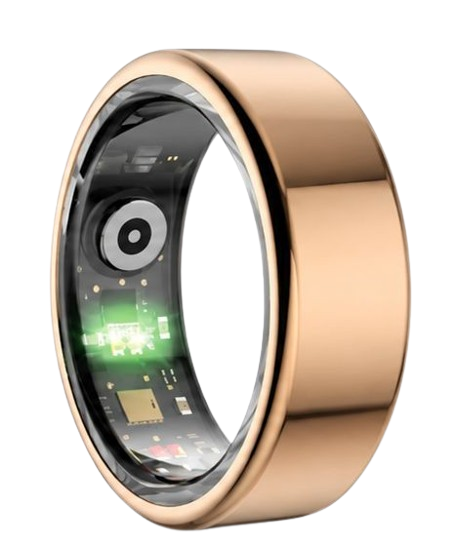
The Herz P1 Smart Ring tracks HRV, Sleep, Heart Rate & SpO2 around the clock. No subscriptions. No renewals. Ever.
In This Article
- The Precision Setup: Discover the optimal steps to accurately track your nighttime respiratory metrics.
- Autonomic Nervous System Science: Explore the physiological links between sleep cycles and breathing frequency.
- PPG Sensing Technology: Understand how your blood volume pulse reveals your exact respiratory patterns.
- Actionable Recovery Optimization: Learn lifestyle adjustments to keep your nighttime metrics within safe zones.
How to Track and Optimize Your Average Breaths per Minute While Sleeping: A Step-by-Step Guide

To establish a reliable baseline of your nocturnal breathing habits, you must integrate proper posture, sensory alignment, and behavioral conditioning.
Failing to establish a controlled routine can lead to highly skewed readings and inaccurate recovery assessments.
This tutorial provides the absolute standard protocol for tracking and naturally stabilizing your sleeping respiratory rate.
Step 1: Select the Proper Wearing Finger and Sizing
First, you must choose the correct finger for your biometric tracking ring to prevent physical movement errors.
We recommend utilizing the index finger of your non-dominant hand for the most consistent blood flow readings.
This finger provides an optimal density of superficial capillaries close to the skin surface.
Use the provided plastic sizing kit to test different diameters for a full twenty-four-hour period before finalizing your size.
Your finger will naturally expand at night due to peripheral blood accumulation.
Ensure the optical sensor fits snugly against the palm side of your finger without causing tight indentations.
If the ring is too loose, it will rotate and introduce severe data gaps into your sleep log.
A stable fit is the absolute foundation for tracking clean cardio-respiratory signals.
Step 2: Calibrate Your Multi-Night Baseline
Next, you must wear your tracker continuously for at least seven consecutive nights to establish a true physiological baseline.
Avoid taking your tracking device off during overnight bathroom trips or position shifts.
Your body naturally fluctuates in response to daily exercise loads and emotional challenges.
A single isolated night of tracking does not provide enough statistical evidence to assess long-term wellness.
Refrain from consuming alcohol or eating large meals within three hours of going to sleep.
These lifestyle factors artificially accelerate your heart rate and directly raise your respiratory frequency.
By keeping your pre-sleep conditions consistent, you ensure your recorded baseline represents your natural state.
Allow the software algorithm to calculate your personalized averages over a full week.
Step 3: Correlate Oxygen Saturation with Respiration Rate
Third, you need to open your health application every morning to analyze the overlap between oxygen levels and breath counts.
Your breathing rate directly determines the efficiency of oxygen transfer into your pulmonary capillaries.
Observe if your sleep dashboard displays any matching dips in oxygen saturation alongside spikes in respiration.
A stable breathing pattern will generally keep your SpO2 levels securely between ninety-five and one hundred percent.
If you see your blood oxygen dipping below ninety-two percent, your body is likely struggling against minor airway resistance.
Correlating these two metrics helps you understand if your breathing is deep and efficient or shallow and labored.
Log these observations in your daily health journal to identify recurring weekly trends.
Step 4: Implement Pre-Sleep Diaphragmatic Down-Regulation
Fourth, you must practice structured breathing exercises immediately before turning off your lights to calm your nervous system.
Engaging in high-stress work or browsing social media right before bed triggers your sympathetic nervous system.
This mental arousal directly leads to rapid, shallow breathing patterns that persist into your initial sleep cycles.
Sit comfortably on the edge of your mattress and perform the classical four-seven-eight box breathing technique.
Inhale quietly through your nose for four seconds, hold your breath for seven seconds, and exhale completely through your mouth for eight seconds.
Repeat this slow, controlled pattern for a total of eight rounds to stimulate your vagus nerve.
This respiratory control signals your heart to slow down and reduces overall vascular tension.
By consciously lowering your breathing rate, you pave the way for a highly restorative sleep state.
Step 5: Optimize Your Bedding Environment and Posture
Fifth, you need to adjust your physical sleeping environment to support optimal lung expansion and airway clearance.
Keep your bedroom temperature cool, ideally between sixty-five and sixty-eight degrees Fahrenheit.
Elevated ambient temperatures force your heart and lungs to work harder to maintain systemic thermoregulation.
Use a contoured cervical pillow to keep your head, neck, and spine in a perfectly neutral alignment.
Sleeping flat on your back can cause the tongue to collapse backward, partially obstructing your windpipe.
Try sleeping on your side to encourage natural, unrestricted airflow through your nasal passages.
Verify that your bedding materials are hypoallergenic to prevent nasal congestion and airway irritation.
These minor physical adjustments directly help reduce your nightly physical stress levels.
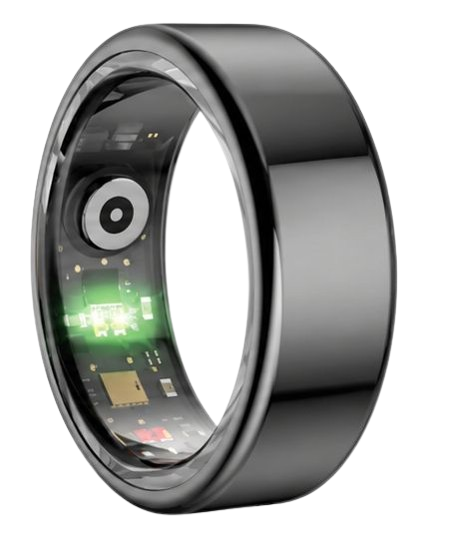
The Herz P1 smart ring serves as an excellent companion for implementing this monitoring routine.
Its ultra-lightweight, military-grade steel construction ensures it remains highly comfortable throughout your entire sleep cycle.
With its high-resolution multispectral PPG sensors, it captures clean respiratory metrics without requiring bulky wrist strap designs.
You can view all your trend charts in the completely free companion app, saving you from expensive ongoing platform fees.
90-Day 100% Money-Back Guarantee
“The Herz Smart Ring helps me manage stress easily. It’s accurate, stylish, and lightweight—perfect for my busy life!”
— Jennifer P. | ✔ Verified Customer
- ✓ 6-Day Battery Life
- ✓ Detailed Sleep Analysis
- ✓ Fast 1-Hour Charging
- ✓ iOS & Android Ready
Questions? Call: 1-866-479-1629
The Science Behind Your Average Sleeping Breathing Rate
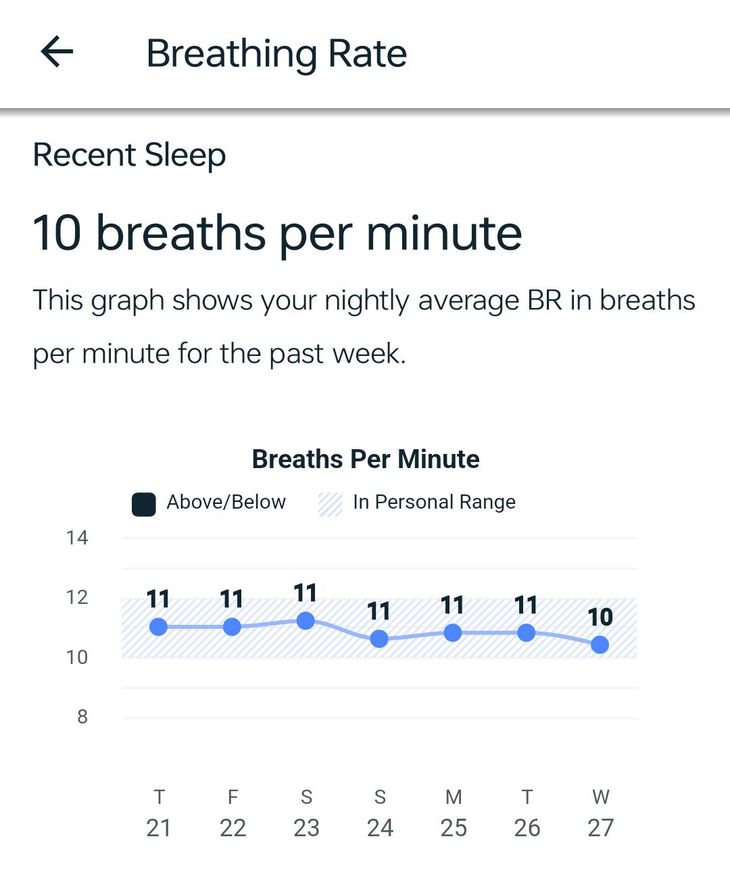
The human brainstem automatically regulates nighttime breathing without any conscious effort through the autonomic nervous system.
Maintaining a stable normal sleeping respiratory rate is highly critical for regulating cellular pH levels and systemic metabolic processes.
During non-rapid eye movement NREM sleep, your respiration becomes exceptionally regular and deep.
This predictable pattern reflects the dominance of your parasympathetic branch, commonly known as the rest-and-digest system.
When you transition into rapid eye movement REM sleep, your breathing rate naturally becomes more erratic and rapid.
The National Sleep Foundation indicates that a healthy adult typically experiences between twelve and twenty breaths per minute while resting.
This physiological rate allows your cardiorespiratory system to rest while maintaining optimal tissue oxygenation.
According to clinical studies, monitoring these overnight trends can serve as an incredibly sensitive early indicator of autonomic nervous strain.
Your heart and lungs communicate continuously through a physiological feedback mechanism known as respiratory sinus arrhythmia.
When you inhale, your heart rate accelerates slightly; when you exhale, your heart rate slows down to save energy.
A high-resolution biometric device tracks these micro-pulses at the capillary level to calculate your exact respiration frequency.
Ensuring you maintain a healthy normal respiration rate while sleeping is vital for long-term nervous system balance.
If your body spends adequate time in deep sleep, your brain clears out accumulated metabolic waste more efficiently.
This essential cleansing process is critical for memory retention, emotional resilience, and sharp daytime focus.
If your nighttime breathing rate remains elevated, your nervous system is likely locked in a sympathetic fight-or-flight state.
This prolonged stress response prevents you from entering the deeper, highly restorative stages of sleep architecture.
By tracking these subtle patterns over months, you gain an incredibly clear picture of how well your body recovers from daily stress.
Understanding Deviations: What High or Low Breathing Rates Mean
A sudden or progressive shift in your average respiration rate while sleeping can provide outstanding clues about your lifestyle health.
An elevated respiratory rate often points directly to acute physiological stressors such as dehydration or room overheating.
When your immune system actively fights off an incoming pathogen, your resting core temperature naturally rises.
This biological reaction accelerates your respiratory rate to help dump excess metabolic heat through your breath.
Similarly, sleep apnea causes temporary airway blockages that force your lungs to work harder, triggering rapid chest rises.
These stressful events are almost always accompanied by micro-arousals that severely fracture your sleep continuity.
If you systematically track your data, you can easily catch these metabolic anomalies before they manifest as chronic exhaustion.
Knowing your typical baseline for average breaths per minute sleep allows you to make rapid lifestyle and environmental corrections.
Conversely, a lower resting respiration rate during sleep is highly indicative of superior athletic conditioning.
Highly active individuals show a highly efficient oxygen absorption pattern, allowing their bodies to thrive on fewer breaths per minute.
However, an abnormally low rate can also be triggered by the use of central nervous system depressants or sleep medications.
It is absolutely essential to analyze your respiratory metrics alongside your overnight heart rate variability HRV values.
A robust HRV coupled with a stable, low respiratory rate points to an exceptionally resilient and rested cardiovascular system.
Using these metrics helps you adjust your daily training load and plan recovery days with outstanding confidence.
How Smart Rings Detect Average Breaths per Minute During Sleep
Clinical sleep laboratories traditionally measure patient breathing through highly restrictive chest bands and nasal air tubes.
Modern smart rings completely revolutionize this process by utilizing non-invasive optical sensor systems wrapped around your finger.
This advanced technology is based on photoplethysmography PPG, which shines light waves into your superficial digital capillaries.
As your heart pumps blood, the volume of blood in your vessels changes, altering the amount of light absorbed by the tissue.
These microscopic changes generate a highly detailed blood volume pulse BVP waveform within the sensor’s receiver.
Your continuous breathing cycle introduces highly predictable, rhythmic variations into this cardiac pulse waveform.
Specifically, your breathing causes your blood pressure to rise and fall, altering the baseline amplitude of your pulse wave.
This direct interaction allows a smart ring to extract your normal sleeping breath rate with exceptional mathematical precision.
The base of your finger is an incredibly ideal location for this optical measurement because the digital arteries are highly accessible.
Unlike wrist-based sensors, a ring fits flush against the skin without sliding or introducing empty spaces.
This close physical contact is why smart rings consistently outperform watches in clinical sleep tracking validation tests.
The on-board software algorithms carefully filter out physical hand movements to protect your data from motion errors.
This processing provides a highly accurate log of your normal respiration rate for adults sleeping without any bulky clinical gear.
You can comfortably sleep in any position you prefer without worrying about loose wires or tangled chest bands.
The micro-sensor array operates silently in the background, storing the processed data packages locally on the ring.
When you wake up and open your phone, the ring transfers this data via low-energy Bluetooth for instant review.
This represents a massive technological leap forward in making clinical-grade health tracking highly comfortable and accessible.
Decoding Respiratory Metrics on the Herz P1 Application

The companion application for the Herz P1 translates your raw nocturnal signals into clean, highly visual charts.
When you open your morning dashboard, you are greeted with a clear breakdown of your physical sleep quality.
You will see your calculated average brpm while sleeping displayed right alongside your resting heart rate.
The application uses intuitive color-coded zones to highlight any statistical deviations from your weekly averages.
A green marker confirms that your nighttime respiration remained within your safe physiological zone.
Yellow or red alerts prompt you to review your physical exertion and stress habits from the preceding day.
Understanding your daily sleeping breathing rate helps you fine-tune your evening habits over time.
For instance, you can see exactly how a high-intensity workout alters your deep recovery curves.
You can also track how adjustments to your bedroom temperature or ventilation improve your respiratory comfort.
The application securely archives years of historical data, allowing you to trace your cardiovascular progress across seasons.
This long-term trend viewing is invaluable for spotting gradual, positive shifts in your resting heart and lung function.
All your personal data is fully encrypted and stored locally on your smartphone to ensure absolute privacy.
| Respiration Range | Physiological Status | Recommended Action |
|---|---|---|
| 12 to 20 BPM | Optimal/Normal Baseline | Maintain current sleep hygiene and physical activity levels. |
| Above 20 BPM | Elevated/Sympathetic Strain | Perform bedtime box breathing, lower bedroom heat, and limit alcohol. |
| Below 12 BPM | Athletic Conditioning or Sedation | Verify physical fitness trends; evaluate usage of muscle relaxers or sleep aids. |
Avoiding Common Sleeping Respiratory Tracking Pitfalls
Many wellness enthusiasts make the mistake of wearing bulky, heavy smartwatches to bed each night.
These massive wrist devices easily shift and slide when you roll over, creating large gaps in sensor contact.
A heavy watch body can pull away from your skin, allowing room lighting to corrupt the optical reading.
This signal disruption leads to incomplete data logs and heavily skewed averages for your sleep metrics.
Additionally, wearing a thick, sweating watch band to sleep can cause skin irritation and disrupt rest.
Another major irritation in the wearable market is the hidden cost of ongoing monthly app subscriptions.
Several popular brands lock your historical sleep charts and recovery scores behind expensive paywalls.
With the Herz P1 smart ring, you never have to deal with these frustrating recurring fees.
The companion health app is entirely free for life, giving you unrestricted access to your physical data.
Furthermore, wearing an incorrectly sized ring can severely degrade your sensor accuracy.
A loose ring will spin and lose contact with your finger’s digital arteries during deep sleep cycles.
Conversely, a ring that is too tight can impair capillary circulation and cause nocturnal discomfort.
Always take the time to test your ring size using the included sizing kit for a full day.
By avoiding these common mistakes, you ensure highly consistent and accurate health logs every night.
Frequently Asked Questions About Nighttime Breathing and Smart Rings
Understanding how your physical tracker handles water, battery demands, and daily life is vital for long-term health monitoring.
Here we address the most common practical questions regarding the durability and capabilities of our smart ring.
Is the Herz P1 waterproof enough for continuous active wear?
The Herz P1 features a full IP68 waterproof rating, ensuring absolute safety during continuous water immersion.
You can confidently wear it while swimming laps, taking hot showers, or relaxing in a steam room.
The military-grade steel outer casing protects the sensitive internal sensors from moisture and heat damage.
Its seamless structural construction ensures that water cannot enter the electronic component bay.
You do not need to remove the ring when washing your hands or doing household cleaning tasks.
This continuous wearability ensures you never miss a single minute of biometric sleep data.
This high level of water protection is especially beneficial for triathletes and water sports enthusiasts.
The optical sensors maintain their precise tracking performance even when submerged in shallow water.
Unlike heavy smartwatches that trap sweat underneath the strap, the slim ring design dries rapidly.
It provides a highly hygienic and comfortable tracker for active lifestyles and daily routines.
This exceptional durability standard is fully backed by our comprehensive two-year warranty program.
How long does the battery last and how fast does it charge?
The smart ring is equipped with a highly advanced lithium-polymer battery that lasts up to six days on a single charge.
This outstanding battery life allows you to track your sleep without dealing with nightly charging anxiety.
When the battery runs low, you can charge it fully in under an hour using the magnetic USB cradle.
We recommend resting the ring on its charger while you take a brief morning shower each day.
This simple habit keeps your tracker powered indefinitely without interrupting your nightly sleep logging.
The companion app will display a helpful notification when the battery level drops below twenty percent.
This timely warning prevents your device from dying in the middle of an important sleep cycle.
The built-in flash memory securely stores up to seven days of biometric data offline if you travel.
Once you open the app, your stored sleep metrics sync wirelessly in seconds without manual effort.
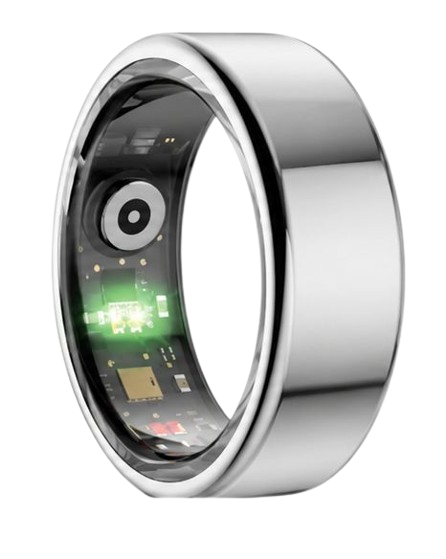
Tracking your average breaths per minute while sleeping with the Herz P1 empowers you to master your resting recovery.
Its military-grade design and subscription-free app make health optimization simple.
Ready to monitor your health daily?
Explore the Herz P1 Smart Ring.
Call: 1-866-479-1629 — our team can advise on the correct ring size and set personalized health goals.
