

Understanding your vital signs is the first step toward ultimate bodily control, and mastering respiratory rate counting allows you to evaluate your physiological health with absolute precision. Our team at Herz P1 has created this comprehensive guide to help you transition from manual pulse checks to automated tracking, ensuring you optimize your daily performance and sleep quality without stress.
Built to Last. Save Up to 69% Today.
The Herz P1 Smart Ring tracks HRV, Sleep, Heart Rate & SpO2 around the clock. No subscriptions. No renewals. Ever.
In This Article
- Manual Counting Mechanics: Discover how to count breaths per minute accurately at home without complex medical equipment.
- Autonomic Nervous System Science: Learn the intimate connection between your respiration cycles, stress, and heart rate variability (HRV).
- Nocturnal Breathing Architecture: Dive deep into sleep breathing patterns and find out what your sleeping respiratory data reveals about your recovery.
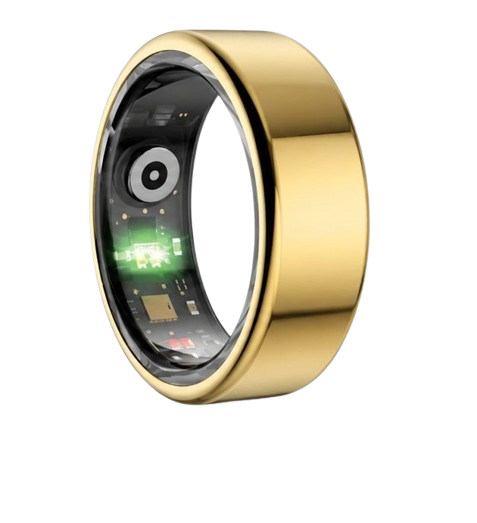
- Smart Ring Integration: See how the Herz P1 tracks microscopic biometric changes to deliver lifetime health monitoring without subscription fees.
How to Master Respiratory Rate Counting: A Step-by-Step Guide

Respiratory rate counting is the practice of measuring how many breaths you take in one minute.
This simple metric provides a clear window into your autonomic nervous system and overall cardiorespiratory fitness.
Before you begin, you need to understand that conscious observation often changes how you breathe.
Therefore, learning to measure respiration requires a relaxed state and a structured process.
Prerequisites / What You’ll Need
You do not need expensive medical machinery to measure your resting breathing rate.
You only need a quiet environment, a comfortable seat or bed, and a timer that counts seconds.
Ensure you have rested quietly for at least ten minutes before starting the count.
Avoid caffeine, nicotine, and heavy exercise for at least one hour prior to measurement.
These substances artificially accelerate your respiratory mechanics and distort your baseline metrics.
Step-by-Step Instructions
-
Step 1: Find a Restive and Neutral Position
Sit comfortably in a supportive chair or lie flat on your back on a firm mattress.
Keep your spine straight but relaxed to allow your diaphragm to expand naturally without physical restriction.
Close your eyes for one minute and focus on letting go of tension in your shoulders and chest.
Let your breathing fall into its natural, unforced rhythm.
-
Step 2: Understand the Complete Breath Cycle
You might wonder: how do you calculate respiratory rate without professional clinical instruments?
The calculation relies on identifying complete respiratory cycles.
One full breath consists of one complete inhalation and one complete exhalation.
Do not count the inhalation and exhalation as separate events.
Watch or feel the rise and fall of your chest or abdomen to mark each full cycle.
-
Step 3: Place Your Hand to Feel the Movement
This step ensures that your manual respiratory rate measurement remains highly accurate.
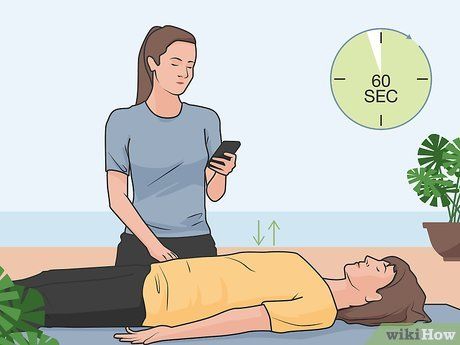
Gently place your right hand on your upper abdomen, just below your rib cage.
This area moves significantly during diaphragmatic breathing.
If you prefer, you can have a partner observe your chest rise and fall from a comfortable distance.
Partner observation is highly recommended because it prevents you from consciously altering your natural breathing pace.
-
Step 4: Set Your Timer and Begin Counting
Set a digital stopwatch or clock for exactly sixty seconds.
Start the timer on a fresh inhalation and count “one” as your chest finishes falling.
Count every complete breath cycle that occurs within that sixty-second window.
Do not stop early or try to multiply a fifteen-second count by four, as this introduces significant calculation errors.
Record the final number of breaths per minute on a notepad or health tracking app.
-
Step 5: Document the Trends Over Time
A single isolated measurement only gives you a momentary snapshot of your physiological state.
To identify true health trends, perform this count at the same time every morning for seven days.
Note any external variables such as poor sleep, high work stress, or physical muscle soreness.
Compare these manual numbers with your biometric device records to confirm your daily physical baseline.
Keep these records handy for your annual physical exams or wellness consultations.
Manually tracking your breath every morning requires a high degree of patience and consistent self-discipline.
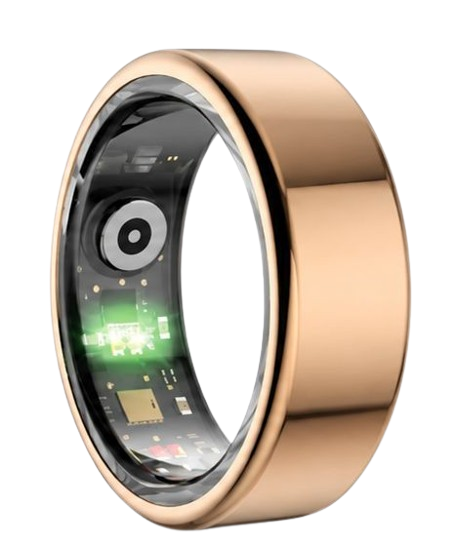
Our team at Herz P1 designed our premium smart ring to automate this tedious task completely.
The Herz P1 Smart Ring utilizes ultra-precise optical sensors to monitor your breathing patterns quietly while you sleep, providing accurate results with zero manual effort required.
90-Day 100% Money-Back Guarantee
“The Herz Smart Ring helps me manage stress easily. It’s accurate, stylish, and lightweight—perfect for my busy life!”
— Jennifer P. | ✔ Verified Customer
- ✓ 6-Day Battery Life
- ✓ Detailed Sleep Analysis
- ✓ Fast 1-Hour Charging
- ✓ iOS & Android Ready
Questions? Call: 1-866-479-1629
The Autonomic Nervous System: How Respiration Reflects Stress Levels
Your breathing rate is heavily influenced by your autonomic nervous system.
This biological control center is divided into the sympathetic nervous system and the parasympathetic nervous system.
The sympathetic branch governs your fight-or-flight stress responses.
The parasympathetic branch controls your rest-and-digest recovery functions.
When you encounter emotional or physical stress, your body releases hormones like adrenaline and cortisol.
These chemicals cause your heart rate to climb and your respiration rate to accelerate, which is known as hyperventilation or tachypnea.
Conversely, peaceful environments and deep diaphragmatic breathing trigger the vagus nerve.
This neural pathway signals your heart to slow down and prompts your muscles to relax, achieving a state of physiological eupnea.
By monitoring daily respiratory rate trends, you can assess how well your body copes with occupational and emotional stress.
A sudden, unexplained rise in resting respiration often acts as an early warning sign of impending fatigue or illness.
The Herz P1 Smart Ring tracks these subtle changes by measuring heart rate variability and blood oxygen saturation simultaneously.
Our advanced photoplethysmography sensors detect tiny blood volume changes in your finger capillaries with clinical-grade precision.
This allows Team Herz P1 to deliver highly detailed stress analysis reports directly to your smartphone every day.
Nocturnal Respiration Analysis: The Secret to Decoding Sleep Quality
Your body performs critical physical restoration and memory consolidation while you sleep.
Tracking your normal sleeping respiratory rate is critical for detecting subtle physiological changes.
For most healthy adults, the average breaths per minute while sleeping ranges between twelve and twenty.
A baseline shift in your sleeping breathing rate can indicate overtraining or physical exhaustion.
You may ask yourself what is a good respiratory rate while sleeping to optimize your recovery.
Generally, a stable, low rate during deep non-rapid eye movement sleep indicates deep physical rest.
According to research from the National Sleep Foundation, healthy breathing during sleep should remain highly regular and unbroken.
Frequent breathing disruptions or sudden spikes in respiration may point to sleep apnea or breathing issues.
The American Heart Association also highlights that poor sleep quality and irregular nocturnal breathing put extra strain on the heart.
This can lead to elevated blood pressure and reduced physical recovery over time.
By tracking your nocturnal biometrics, you can make informed adjustments to your evening routine.
The Herz P1 Smart Ring tracks your breathing rate, blood oxygen levels, and sleep stages continuously through the night.
It operates silently on your finger with a lightweight, ergonomic design that avoids the bulk of traditional smartwatches.
The ring collects this vital information and presents it in a clear, easy-to-read sleep score every morning.
Optimizing Daily Wellness and Workout Recovery with App Insights

To truly benefit from biometric tracking, you must learn to read and apply your personalized data.
The Herz P1 App serves as your digital health dashboard, presenting raw numbers as clear health insights.
When you open the app, you will find a dedicated section for your overnight respiratory performance.
If you notice your respiration rate rises above your baseline, it may be time to schedule a rest day.
High breathing rates paired with low heart rate variability suggest your nervous system is working harder than usual.
You can use these insights to optimize the intensity of your workouts and plan your weekly recovery routine.
If your sleep score is high, you can confidently push your physical limits during strength or endurance training.
If your score is low, prioritizing light stretching, hydration, and early sleep will help protect your body from burnout.
The Herz P1 Smart Ring is built from ultra-durable, military-grade steel and features an IP68 waterproof rating.
This means you can wear it through intense gym sessions, heavy rain, and morning showers without worry.
Its slim profile fits comfortably around your finger, making it easy to collect accurate data twenty-four hours a day.
With a six-day battery life and fast charging, you never have to worry about missing crucial recovery insights.
Evaluating the Hidden Pitfalls of Wearable Trackers and Manual Counting
Many health-conscious individuals try to track their sleep quality using traditional, bulky smartwatches.
However, wearing a heavy, oversized device to bed often disrupts your natural sleep patterns.
The constant screen notifications and physical bulk on your wrist can prevent you from falling into deep sleep.
Furthermore, many smartwatch brands lock your long-term biometric data behind expensive monthly app subscriptions.
These hidden recurring fees can quickly add up, making health tracking an ongoing financial burden.
Our team at Herz P1 believes that access to your personal health data should always be free.
The Herz P1 App is completely free for life, with absolutely no monthly subscriptions or paywalled features.
You purchase the hardware once and enjoy unlimited, lifetime access to all your biometric trends and sleep scores.
Additionally, manual respiratory counting is prone to human error and conscious breathing bias.
By automating the process with our smart ring, you get objective, scientific data without any effort.
The military-grade steel construction ensures your ring resists scratches and damage from daily wear.
We stand behind our quality with a two-year warranty and a ninety-day money-back guarantee for peace of mind.
Frequently Asked Questions About Respiratory Rate Tracking
We have compiled the most common questions our support team receives about respiratory rate tracking and the Herz P1 Smart Ring.
Is the Herz P1 Smart Ring fully waterproof?
Yes, the Herz P1 features a certified IP68 waterproof rating, allowing it to withstand water depths up to 164 feet.
You can wear it while swimming, showering, washing dishes, or sweating during intense workouts without damaging the internal sensors.
How long does the battery last and how quickly does it charge?
The high-performance battery lasts up to six days on a single charge under continuous monitoring conditions.
It charges from zero to one hundred percent in under one hour, making it easy to top up during your morning routine.
Which finger is best to wear the smart ring on?
For the most accurate biometric readings, we recommend wearing the Herz P1 on your index, middle, or ring finger.
These fingers have optimal blood vessel density, which helps the optical sensors capture clean, reliable PPG signals.
Does the Herz P1 store my health data offline?
Yes, the ring features local memory that securely stores up to seven days of biometric data offline.
Your data will sync automatically to the companion app the next time your ring connects to your phone via Bluetooth.
Many active individuals ask our customer service team how many breaths per minute is normal while sleeping.
A normal respiration rate during sleep typically ranges between twelve and twenty breaths per minute for healthy adults.
This rate can vary slightly depending on your age, physical fitness level, and current cardiovascular health.
Understanding your personal average respiration rate while sleeping helps you plan your weekly workouts better.
By tracking your weekly average, you can easily identify anomalies caused by alcohol consumption, late meals, or early signs of illness.
Consistently staying within your normal baseline range is a strong indicator of excellent cardiorespiratory recovery.
Conclusion
Mastering your respiratory health has never been easier than with the help of automated, medical-grade sensor technology.
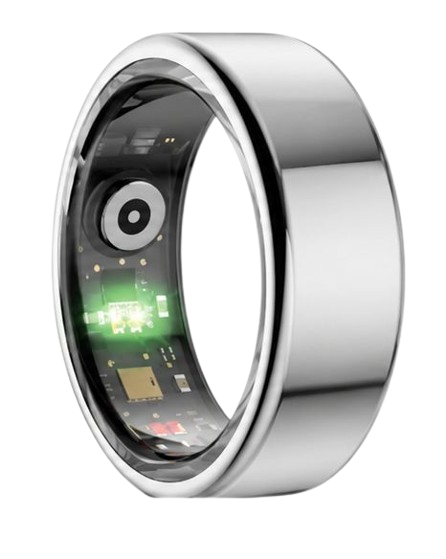
The Herz P1 Smart Ring serves as a quiet, highly reliable wellness companion that monitors your biometrics night and day.
Ready to monitor your health every day?
Explore the Herz P1 Smart Ring and see if it fits your lifestyle.
Call: 1-866-479-1629 — our team can help you advise on the correct ring size and set personalized health goals.
Note: Individual results may vary depending on individual health conditions, age, and lifestyle habits. This article is intended for general health reference purposes only.
