

Understanding your body’s subtle nocturnal signals is the first step toward reclaiming your daily physical energy. Wearing a premium health tracker like the Herz P1 smart ring allows you to monitor your normal respiration rate while sleeping with outstanding clinical-grade precision. If you are experiencing restless nights, waking up fatigued, or feeling anxious about your cardiorespiratory recovery, this guide will help you decode your nighttime respiratory metrics.
Built to Last. Save Up to 69% Today.
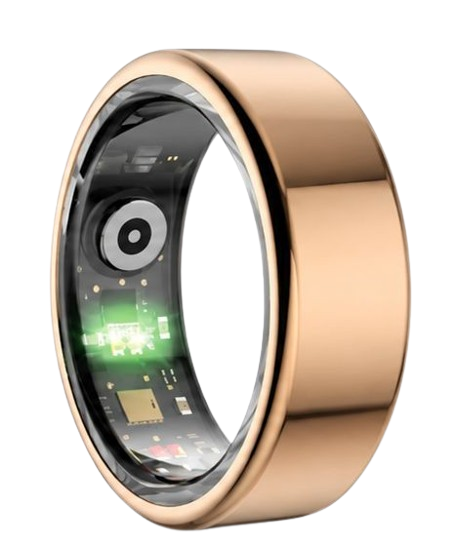
The Herz P1 Smart Ring tracks HRV, Sleep, Heart Rate & SpO2 around the clock. No subscriptions. No renewals. Ever.
In This Article
- How-To Guide: A step-by-step framework to track and stabilize your nighttime respiration rates.
- The Physiology of Sleep Breathing: A deep dive into normal breath baselines, brainstem controls, and biometric monitoring.
- Sleep Stages & Respiratory Shifts: How deep sleep and REM sleep alter your mechanical breathing patterns.
- Mitigating Pitfalls & Mistakes: How to optimize wearable placement and avoid costly health tracking subscriptions.
How to Track Your Nighttime Respiration Rate: A Detailed How-To Guide

Prerequisites / What You’ll Need
Before you begin monitoring your nighttime breathing data, you must gather a few basic tools and establish consistent conditions.
You will need a highly accurate health tracker equipped with optical photoplethysmography sensors designed for overnight wear.
You also need a compatible smartphone to synchronize and view your historical biometric trends.
Ensure your tracking device is charged to at least 30% battery capacity before going to sleep to prevent sensor dropouts.
Finally, commit to sleeping in a comfortable environment with stable ambient temperatures to minimize external physiological stress.
Step-by-Step Instructions
-
Step 1: Establish Your Baseline Cardiorespiratory Metrics
First, wear your health tracking device continuously for at least three to five consecutive nights.
Your body needs to generate a baseline of data to calculate your true average respiration rate while sleeping.
During this initial phase, try to maintain your normal evening habits without making sudden changes to your bedtime routine.
Check your application each morning to record your initial daily breathing numbers.
A key tip is to ignore single-day anomalies and focus exclusively on the overall multi-night average.
-
Step 2: Optimize the Physical Placement of Your Tracker
To ensure continuous data acquisition, choose the finger that provides the most secure optical contact.
We highly recommend placing your tracking device on the index or middle finger of your non-dominant hand.
The built-in optical sensor window must face the palm side of your hand where capillary blood perfusion is highest.
Verify that the ring fits snugly against your skin but does not restrict your physical circulation or cause throbbing.
Avoid wearing a device that is too loose, as physical sliding during sleep will introduce ambient light noise and corrupt your metrics.
-
Step 3: Document Environmental and Lifestyle Variables
Keep a simple daily journal on your phone of your bedroom temperature, late-day stress levels, and exercise habits.
Note any consumption of alcohol, caffeine, or heavy meals within four hours of going to sleep.
These external factors directly alter your central nervous system activity and nighttime breathing metrics.
By linking these daily habits to your data, you can isolate the specific variables that disrupt your normal sleeping respiratory rate.
A common pitfall is ignoring how late-night screen time increases physical tension and elevates your resting respiratory rate.
-
Step 4: Implement a Calming Nasal Breathing Routine
Spend ten minutes performing slow, controlled nasal breathing exercises immediately before getting into bed.
Inhale deeply through your nose for four seconds, hold your breath for four seconds, and exhale slowly for six seconds.
This specific rhythmic pattern stimulates your vagus nerve and activates your parasympathetic nervous system to lower physical stress.
It prepares your heart and lungs for transition into deep, highly restorative sleep cycles.
Consistent nightly practice of this technique stabilizes your average breaths per minute while sleeping.
-
Step 5: Review and Interpret Your Daily Sleep Quality Trends
Open your health tracking application every morning to review the previous night’s physiological graphs.
Compare your daily breathing metrics alongside your Deep Sleep and REM Sleep percentages.
Look for any sudden spikes or prolonged drops in your breathing consistency over the course of the week.
Note how high-stress workdays correlate directly with shifts in your nocturnal biometrics.
Use this long-term trend data to adjust your daily training load, work stress, and evening wind-down habits.
Brand Integration
To successfully execute these steps with clinical-grade accuracy, you need a high-performance wearable designed for seamless overnight monitoring.
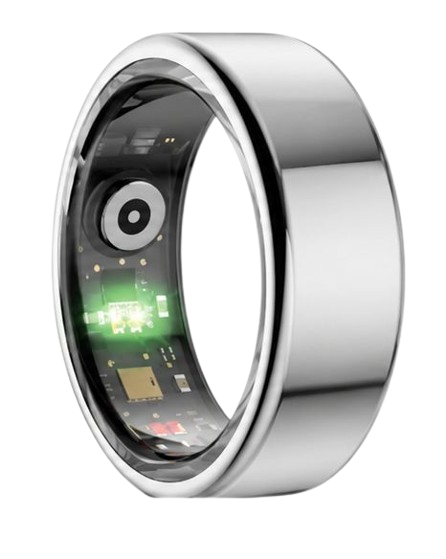
The Herz P1 Smart Ring is specifically engineered to handle continuous biometric tracking without the bulk of traditional wearables.
With its military-grade steel construction, IP68 waterproof rating, and ultra-lightweight profile, it feels completely natural on your finger all night.
The multi-wavelength optical sensor array monitors your respiratory rate, blood oxygen levels, and heart rate variability around the clock.
Best of all, there are absolutely no monthly subscription fees or hidden paywalls required to access your physiological data.
90-Day 100% Money-Back Guarantee
“The Herz Smart Ring helps me manage stress easily. It’s accurate, stylish, and lightweight—perfect for my busy life!”
— Jennifer P. | ✔ Verified Customer
- ✓ 6-Day Battery Life
- ✓ Detailed Sleep Analysis
- ✓ Fast 1-Hour Charging
- ✓ iOS & Android Ready
Questions? Call: 1-866-479-1629
The Physiology of Nighttime Breathing: Why Respiration Rates Matter

Your respiratory system is controlled by the autonomic nervous system to maintain systemic homeostasis without your conscious effort.
The respiratory center in your brainstem continuously monitors blood gas chemistry to adjust your physical breathing frequency.
When you transition into sleep, your body’s overall metabolic demands drop, causing your breathing to naturally slow down.
A healthy adult typically exhibits a normal respiration rate for adults sleeping of 12 to 20 breaths per minute.
According to clinical studies published by the National Sleep Foundation, substantial deviations from this baseline indicate physiological stress.
For example, a sudden sustained rise in your normal sleeping breath rate may signal that your body is incubating an illness.
When your immune system fights off a pathogen, your core temperature rises, which directly accelerates your breathing rate.
Conversely, a highly stable and low respiratory rate typically points to an efficient cardiovascular system.
Highly conditioned endurance athletes often demonstrate a lower average brpm while sleeping due to superior stroke volume and lung capacity.
Tracking these subtle breathing micro-trends helps you catch physical overreaching or fatigue before it leads to exhaustion.
By paying close attention to your daily respiration rate sleeping trends, you gain a clear diagnostic window into your nervous system’s recovery.
Optical ring sensors use advanced green and infrared light-emitting diodes to track arterial blood volume changes in your finger.
As you breathe, the pressure inside your thoracic cavity shifts, causing predictable variations in your heart rate and pulse wave amplitude.
This natural cardiorespiratory link is known scientifically as respiratory sinus arrhythmia.
The smart ring’s internal processors capture these micro-fluctuations and convert them into an accurate breathing rate reading.
This non-invasive tracking method matches the precision of bulky chest straps and clinical polysomnography belts.
Sleep Stages and Breathing Mechanics: Analyzing REM and Deep Sleep Shifts
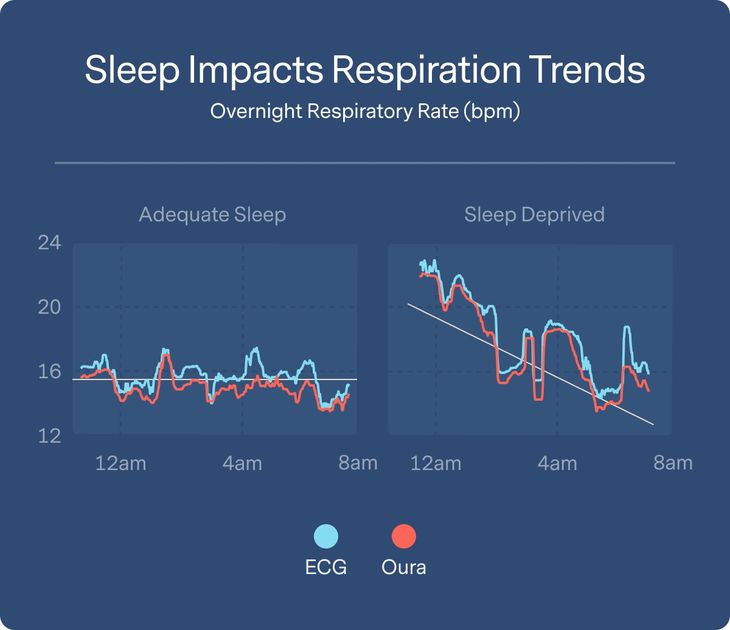
Your nighttime breathing patterns undergo dramatic mechanical transformations as you cycle through different sleep stages.
During non-REM deep sleep, your body enters its most profound state of cellular restoration and physical growth.
Your brain wave activity slows down significantly, and your skeletal muscles relax completely.
During this restorative sleep stage, your breathing becomes exceptionally regular, stable, and shallow.
This deep relaxation phase is when you will record your lowest average breaths per minute sleep.
The American Heart Association notes that highly stable breathing during deep sleep supports cardiovascular healing and lowers blood pressure.
In contrast, Rapid Eye Movement sleep is characterized by rapid physical eye movements and vivid mental dreaming.
Your brain is highly active during REM sleep, consuming oxygen at a rate that mimics wakefulness.
Consequently, your breathing rate during REM sleep becomes irregular, rapid, and highly variable.
These fluctuations are completely normal and reflect your brain’s processing of emotional memories.
A premium biometric tracker must be sensitive enough to differentiate these natural variations from true respiratory pauses.
If your nighttime breathing rate drops too low or pauses repeatedly, you may be experiencing episodes of sleep apnea.
These clinical pauses disrupt your sleep architecture, causing your blood oxygen saturation levels to plunge.
The Herz P1 Smart Ring resolves this by measuring both your breathing rate and SpO2 levels simultaneously.
This comprehensive dual-sensor tracking ensures you receive an accurate, multi-faceted picture of your respiratory health.
Practical Application Guide & Lifestyle Tips
To turn your raw cardiorespiratory metrics into lifestyle improvements, you must apply them to your daily schedule.
Check your smart ring application every morning to assess your nervous system’s recovery balance.
If your sleeping breathing rate is elevated while your heart rate variability is low, your body is calling for rest.
On these recovery-focused days, consider lowering your workout intensity or taking a dedicated day off from physical training.
Avoid drinking alcoholic beverages or consuming large meals within four hours of your planned bedtime.
Alcohol acts as a central nervous system depressant that disrupts normal sleep progression.
It often causes a noticeable spike in your respiratory rate and reduces the length of your deep sleep cycles.
Similarly, eating heavy meals late at night forces your digestive system to work, raising your resting heart rate.
Try adjusting your sleeping position if you observe frequent breathing disturbances or oxygen dips in your charts.
Sleeping on your side rather than your back keeps your airway open and prevents physical obstructions.
The lightweight, ergonomic design of the Herz P1 ensures you can comfortably track these sleeping adjustments all night.
Unlike bulky sports watches that trap sweat and pinch your skin, a sleek ring feels entirely weightless.
Overcoming Risks & Common Mistakes
A major mistake many health-conscious individuals make is wearing bulky, heavy smartwatches to bed.
These large devices easily slip out of position when you roll over, leading to lost data and gaps in your sleep charts.
They also require frequent charging, meaning users often leave them on the nightstand overnight when they should be tracking.
Another prominent pitfall in the wearable market is purchasing hardware that locks your data behind monthly paywalls.
Several premium brands require ongoing app subscriptions just to view your basic daily sleep and respiratory metrics.
We believe you should never have to pay a recurring fee to access your own biological data.
The companion application for the Herz P1 is 100% free for life, with no subscriptions or hidden fees.
This saves you hundreds of dollars over years of ownership while keeping your personal data completely private.
Additionally, do not react with stress or panic to a single night of unusual breathing data.
Focus your attention on weekly and monthly trendlines to make smart, data-informed lifestyle adjustments.
Nocturnal Tracking Devices Comparison
| Tracking Variable | Standard Smartwatch | Herz P1 Smart Ring |
|---|---|---|
| Monthly Fees | Often requires recurring monthly subscriptions to view sleep data. | Zero monthly fees or paywalls. Full app features are free forever. |
| Overnight Comfort | Bulky, heavy, can slide and cause skin irritation or data gaps. | Ultra-lightweight military steel, seamless inner molding. |
| Battery Life | Requires daily or every-other-day charging routines. | Up to 6 days of continuous tracking on a single 1-hour charge. |
| Sensor Placement | Wrist-based sensors are further from major superficial capillary beds. | Finger-based PPG sensors capture clean, high-amplitude pulse signals. |
Frequently Asked Questions (FAQ)
Yes, the Herz P1 is fully certified with an IP68 waterproof rating.
This rating ensures it is completely sealed against water dust up to depths of 164 feet.
You can confidently wear the ring while swimming, taking hot showers, or washing dishes.
The protective outer shell keeps all moisture away from the delicate internal sensor circuitry.
The advanced lithium-polymer battery inside the Herz P1 lasts up to 6 full days on one charge.
The system utilizes low-energy Bluetooth protocols to sync metrics without consuming high power.
When the battery level is low, a full recharge takes less than 60 minutes on the magnetic cradle.
This long battery life makes it incredibly easy to gather continuous, multi-night sleeping trends.
We recommend wearing the smart ring on your index, middle, or ring finger for the cleanest reading.
These fingers have the ideal superficial vascular structure for accurate optical sensor perfusion tracking.
Choosing your non-dominant hand is generally preferred to minimize physical scuffing during active daily chores.
Verify that the ring fits securely and does not spin excessively when your hands are cold or wet.
Yes, the Herz P1 features a built-in memory chip to store your data offline.
It can hold up to 7 full days of continuous respiratory, oxygen, and heart metrics.
You do not need to keep your smartphone next to your bed or connected to Bluetooth overnight.
The next time you launch the free mobile application, all your stored data will synchronize automatically.
Conclusion
Monitoring your nighttime respiratory metrics provides a clear, reliable pathway to deeper physical rest and autonomic balance.
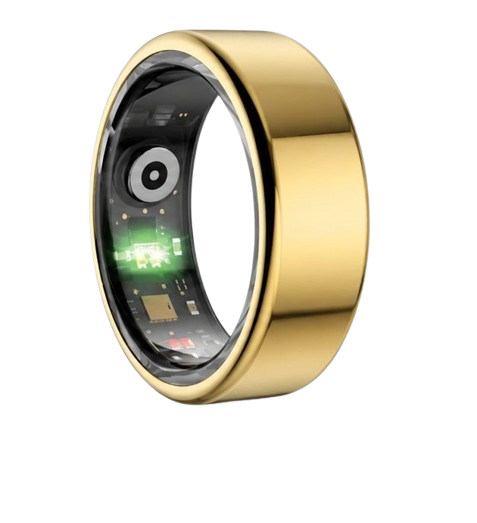
The lightweight, subscription-free Herz P1 Smart Ring represents the perfect wellness partner for tracking your biometrics comfortably around the clock.
Ready to monitor your health every day? Explore the Herz P1 Smart Ring and see if it fits your lifestyle. Call: **1-866-479-1629** — our team can help you advise on the correct ring size and set personalized health goals.
