

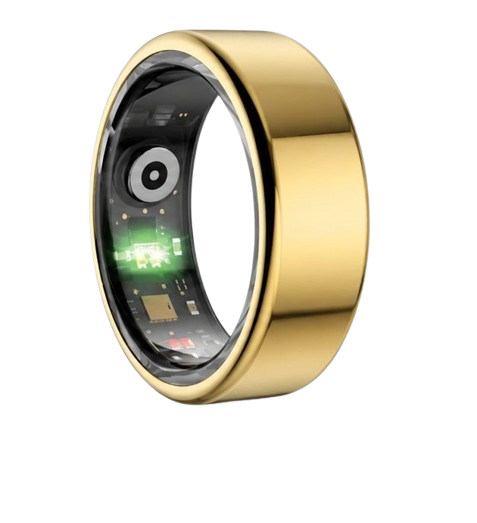
Understanding what is a good respiratory rate while sleeping is essential for optimizing your recovery, as clinical studies indicate that adults average 12 to 20 breaths per minute overnight. If you are experiencing daytime fatigue, tracking your nocturnal vitals with the Herz P1 smart ring can reveal subtle physiological patterns without bulky wristwatches or expensive subscription plans.
Built to Last. Save Up to 69% Today.
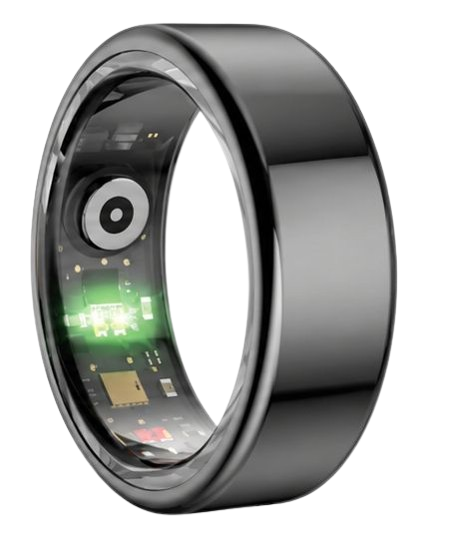
The Herz P1 Smart Ring tracks HRV, Sleep, Heart Rate & SpO2 around the clock. No subscriptions. No renewals. Ever.
In This Article
- Defining Your Normal Sleep Breathing Rate Range: Understand the essential baselines that indicate high-quality cardiac and respiratory recovery.
- The Science Behind Overnight Breathing Patterns: Learn how autonomic nervous system activity regulates your respiratory system through various sleep stages.
- Tracking Vitals Comfortably: Why optical sensors in smart rings represent the ultimate breakthrough in health monitoring compared to bulky watches.
- Practical Steps for Optimization: Discover clear strategies to improve your recovery using real-time data from the Herz P1 companion application.
What Is a Good Respiratory Rate While Sleeping? Here Is What the Science Says

Monitoring your overnight physiological trends can unlock a deeper understanding of your body’s physical recovery state.
The clinical baseline for a healthy adult resting respiration speed depends on several factors, including physical conditioning and age.
According to research published by the National Sleep Foundation, the normal sleeping respiratory rate for healthy adults ranges from 12 to 20 breaths per minute.
This means your chest expands and contracts roughly once every three to five seconds during continuous rest.
Any adult who values daytime cognitive focus, heart health, and physical stamina should actively monitor these trends.
This measurement becomes especially important during the late-night hours when your body enters deep slow-wave sleep phases.
During these quiet periods, your brain relies heavily on your autonomic nervous system to keep oxygen levels perfectly balanced.
Monitoring these trends is incredibly easy to perform within the comfort of your own bedroom.
By collecting data at home, you avoid the disruptive, sterile, and stressful environment of an overnight hospital sleep lab.
Why do these breathing cycles shift, and why should you pay close attention to any sudden overnight variations?
A sudden upward trend in your average breaths per minute while sleeping often serves as an early indicator of incoming illness, elevated stress, or bedroom air quality issues.
Conversely, maintaining a stable, consistent normal respiration rate while sleeping indicates that your heart, lungs, and nervous system are working in perfect balance.
The American Heart Association emphasizes that stable, lower breathing metrics directly support long-term cardiovascular health and lower resting blood pressure.
How does a modern wearable device measure this quiet rising and falling of your chest without requiring heavy chest straps or face masks?
The technology relies on advanced optical sensors that rest gently against your skin.
These optical arrays track micro-fluctuations in your blood flow to calculate your breathing patterns with incredible accuracy.
Quantitative analysis shows that even a subtle, sustained increase of more than two breaths above your baseline warrants closer attention.
If you want to track this in real time, the Herz P1 Smart Ring monitors your health metrics 24/7 — explore it here.
90-Day 100% Money-Back Guarantee
“The Herz Smart Ring helps me manage stress easily. It’s accurate, stylish, and lightweight—perfect for my busy life!”
— Jennifer P. | ✔ Verified Customer
- ✓ 6-Day Battery Life
- ✓ Detailed Sleep Analysis
- ✓ Fast 1-Hour Charging
- ✓ iOS & Android Ready
Questions? Call: 1-866-479-1629
The Science of Sleeping Respiration and Autonomic Nervous System Balance

Your nocturnal breathing is not a static, unyielding mechanism.
Instead, it changes dynamically in response to the delicate balance between your sympathetic and parasympathetic nervous systems.
When you transition into deep, slow-wave sleep, your parasympathetic nervous system takes full control of your bodily functions.
This biological shift lowers your core body temperature, relaxes major muscle groups, and settles your lungs into a slow, highly efficient rhythm.
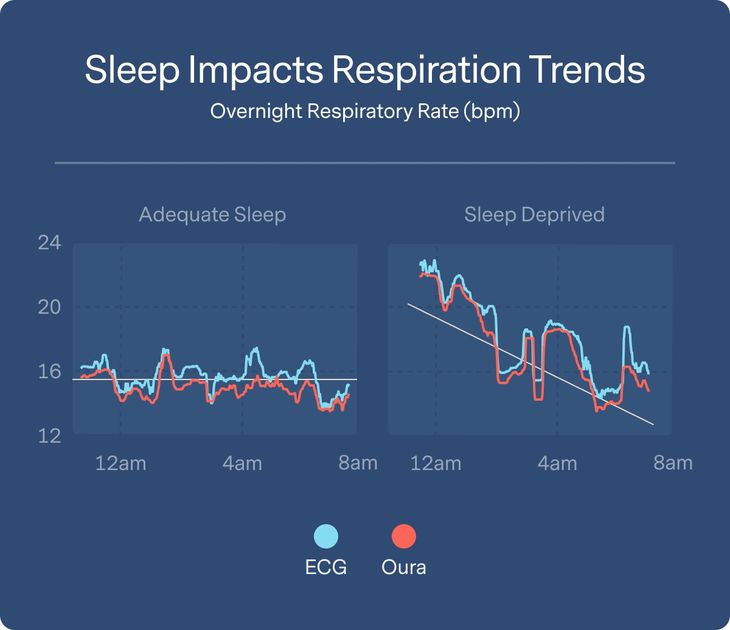
As a direct result of this deep relaxation, your average respiration rate sleeping will typically hit its lowest point of the entire day.
However, when your brain drifts into Rapid Eye Movement (REM) sleep, your mental activity levels spike dramatically.
This is the unique phase where intense, vivid dreaming occurs, and your brain organizes daily memories.
Consequently, your breathing can naturally become irregular, slightly faster, and shallower for brief periods.
This is why a single point-in-time check of your breathing rate fails to give a complete picture of your health.
You need continuous, high-resolution overnight data to establish a reliable average breaths per minute sleep baseline.
This personal baseline behaves like a physiological fingerprint unique to your specific body.
For instance, drinking alcohol close to bedtime temporarily depresses your brain’s primary respiratory control center.
Your body is then forced to work significantly harder to keep your blood oxygen saturation levels in a safe range.
Similarly, intense physical training can cause your body to require extra oxygen overnight to repair muscle tissues and clear metabolic waste.
The American Heart Association notes that tracking these subtle shifts helps active individuals avoid dangerous overtraining.
By reviewing these continuous metrics, you can easily fine-tune your evening habits to maximize actual physical recovery.
Why Minor Breathing Fluctuations Matter: Sleep Quality and Cardiac Metrics
Your respiratory system works in constant harmony with your heart to supply oxygen to your organs.
Every single time you inhale, your heart rate naturally accelerates by a very small margin.
As you exhale, your heart rate gently slows down in response to the pressure changes in your chest cavity.
This natural physiological synchronization is scientifically known as Respiratory Sinus Arrhythmia (RSA).
RSA serves as the primary mechanism behind Heart Rate Variability (HRV), which is a key metric for measuring stress resilience.
If your normal sleeping breath rate begins to climb above your typical range, it suggests that your heart must pump faster to keep oxygen levels stable.
This extra cardiovascular workload can cause your overnight HRV to drop, indicating that your body is locked in a high-stress state.
Clinical studies from the National Sleep Foundation confirm that chronic oxygen drops during sleep can negatively impact daily cognitive function.
Ensuring you maintain a normal respiration rate for adults sleeping protects your system against long-term physical exhaustion.
Conversely, subtle but steady elevations in your breathing pace can point to underlying concerns like elevated room temperatures or early-stage infections.
Your immune system requires a massive amount of metabolic energy to fight off microscopic physical threats.
This heightened defense state naturally increases your body’s oxygen demands, which forces your lungs to adjust their overnight pace.
By noticing these minor shifts on your health dashboard, you can adjust your plans before you feel physically drained.
This helpful data lets you prioritize rest and recovery before a minor illness derails your entire weekly schedule.
Aiming to maintain an ideal breaths per minute while sleeping ensures you wake up feeling energetic, mentally sharp, and fully prepared for the day.
Modern wearables, such as the Herz P1, use advanced multispectral sensor arrays to capture these intricate biological signals with incredible accuracy.
By monitoring blood flow changes directly from the capillaries in your finger, the smart ring delivers clean, reliable trends without disrupting your rest.
Optimizing Your Sleep with Herz P1 Data and Lifestyle Habits
Collecting high-quality physiological data is only the first half of your personal wellness journey.
The real value comes from transforming these digital insights into positive, life-changing habits.
When you open the companion application for your Herz P1, you are greeted by an intuitive, easy-to-read dashboard.
Under the sleep analysis tab, you can view your exact nightly breathing charts mapped directly alongside your SpO2 and HRV trends.
If you notice your respiration rate rises on nights when you consume heavy, high-sodium dinners, you can try moving your last meal earlier.
You can then check your dashboard the next morning to see if your lungs rested more comfortably as a result.
Engaging in regular cardiovascular exercise is another highly effective way to improve your baseline cardiorespiratory efficiency.
Over time, consistent zone-2 training helps strengthen your heart muscle and improve your lung capacity.
As your physical fitness improves, you will likely see your nocturnal respiration rate settle into a lower, more efficient range.
Keeping your bedroom environment cool, dark, and well-ventilated also plays a massive role in stabilizing overnight breathing.
High ambient temperatures force your body to work harder to regulate its internal heat, which naturally speeds up breathing.
Wearing the Herz P1 Smart Ring makes tracking the impact of these lifestyle changes completely effortless.
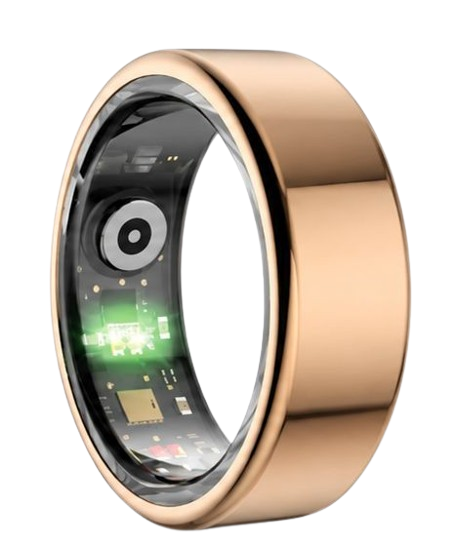
Because the device is crafted from military-grade steel, it is incredibly lightweight, durable, and comfortable to wear all night long.
Unlike heavy, sweat-trapping smartwatches, you will completely forget the ring is on your finger as you drift off to sleep.
This sleek form factor allows you to collect highly accurate, continuous health data without sacrificing your sleep comfort.
Why Heavy Wrist Wearables and Subscription Traps Fail Users
Millions of people try to track their sleep quality using traditional, wrist-worn smartwatches.
However, these bulky devices often create the very sleep disruptions they are supposed to help you resolve.
The thick profile and stiff, rubbery straps of a smartwatch can press into your wrist, causing you to wake up throughout the night.
If a wellness tracker actively lowers your sleep quality, it defeats the entire purpose of wearing it to bed.
Additionally, large smartwatches frequently run out of battery just as you are winding down for the evening.
This persistent charging cycle forces you to choose between charging your device or capturing your overnight health data.
Another major issue in the modern wearable market is the sudden rise of mandatory monthly subscription fees.
Many popular brands lock your detailed sleep reports, HRV trends, and respiratory metrics behind a recurring paywall.
This means you have to keep paying a fee month after month just to look at the health metrics your body created.
Over a few years, these hidden costs can easily add up to hundreds of extra dollars on top of the initial hardware price.
Our team believes that your personal biological data should belong to you completely and unconditionally.
This is why the Herz P1 companion application is completely free to use for your entire lifetime.
There are no locked features, no annoying up-sells, and no recurring monthly subscription fees ever.
You make a single, transparent investment in your health and enjoy unlimited access to your data forever.
Common Questions About Sleeping Respiratory Rates and Smart Rings
Is the Herz P1 Smart Ring waterproof?
Yes, the Herz P1 features a full IP68 waterproof rating.
This means it can safely withstand continuous submersion in water up to 164 feet deep.
You can wear it while swimming laps, taking a shower, or relaxing in a hot tub without worry.
How long does the Herz P1 battery last on a single charge?
The battery is engineered to last up to 6 full days under standard continuous tracking.
When it is time to recharge, it takes less than 1 hour to go from zero to a full charge.
This rapid charging capability minimizes your tracking downtime and fits easily into your daily routine.
Which finger is best to wear the smart ring on?
The index, middle, or ring finger of your non-dominant hand is the ideal choice for maximum sensor accuracy.
These fingers have a highly developed network of capillaries near the skin surface.
This rich blood flow allows the optical sensors to capture clear PPG signals throughout the night.
Does the Herz P1 store health data offline?
Yes, the ring has secure onboard memory that stores up to 7 days of biometric data offline.
You do not need to keep your smartphone connected to Bluetooth all night long.
The next time you open the app, all your offline data will sync automatically in seconds.
Conclusion
Your nocturnal respiratory rate holds the key to uncovering your body’s true recovery patterns. Tracking these subtle indicators with the Herz P1 Smart Ring helps you make informed choices every single day. Ready to take control of your health? Explore the Herz P1 Smart Ring today or call our supportive sizing team at 1-866-479-1629.
