

Discovering a high breathing rate while sleeping on your tracking app can be a confusing and stressful experience. Our team at Herz P1 designed this comprehensive guide to help you decode these overnight biological signals and understand what your body is trying to communicate. According to research, monitoring these patterns offers vital insights into your overall cardiorespiratory fitness and daily stress recovery.
Built to Last. Save Up to 69% Today.
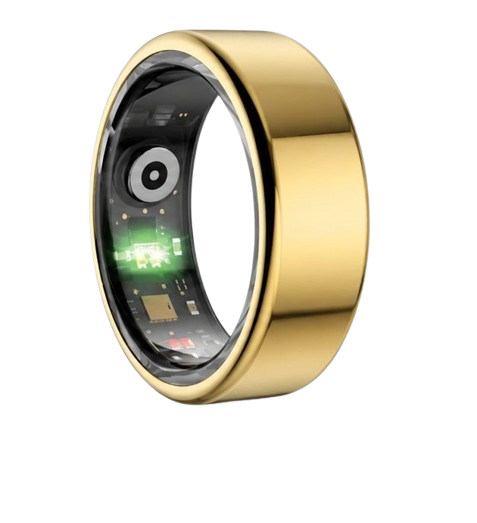
The Herz P1 Smart Ring tracks HRV, Sleep, Heart Rate & SpO2 around the clock. No subscriptions. No renewals. Ever.
In This Article
- How to Manage and Optimize Your Nighttime Breathing and Sleep Architecture
- The Scientific Foundation of Respiratory Metrics and Autonomic Balance
- Common Causes Behind Spikes in Sleeping Breath Rates and How to Address Them
- Practical Wearable Sizing Protocols for Pinpoint Optical Sensor Accuracy
- Expert Solutions to Common Tracking Obstacles and Smartwatch Fatigue
How to Manage and Lower Your Sleep Breathing Rate: A Step-by-Step Guide
Prerequisites and Preparation
To successfully optimize your overnight breathing, you need a comfortable sleep environment, a consistent sleep schedule, and a reliable biometric tracker to monitor daily progress.
-
Step 1: Establish a Consistent Pre-Sleep Wind-Down Routine
Transitioning your body into a parasympathetic nervous state before bed is essential for stabilizing your nocturnal respiration.
We recommend turning off all digital screens at least one hour before sleeping to reduce blue light exposure.
You can engage in light reading, journaling, or listen to calming music to prepare your nervous system for deep rest.
Practicing these habits consistently helps prevent sudden spikes in your evening heart rate.
-
Step 2: Optimize Your Bedroom Climate and Air Quality
The temperature and ventilation of your room directly influence how hard your lungs must work overnight.
Keep your bedroom temperature between 60 and 67 degrees Fahrenheit to align with your body’s natural thermal cooling.
Consider using a humidifier or air purifier to remove airborne irritants that might restrict your nasal passages.
Ensuring clean, cool air flow reduces the likelihood of experiencing an elevated respiratory rate while sleeping.
-
Step 3: Practice Deep Diaphragmatic Breathing Exercises Before Bed
Slowing your breathing rate manually before sleep trains your respiratory muscles to remain relaxed overnight.
Sit in a comfortable position and slowly inhale through your nose for a count of four.
Hold your breath for a brief moment, then exhale slowly through your mouth for a count of six.
Repeat this pattern for five minutes to activate your vagus nerve and promote cardiovascular recovery.
Consistent practice of this technique is a proven method to counter the what does high respiration rate mean cycle.
-
Step 4: Avoid Heavy Meals and Alcohol Near Bedtime
Eating large portions or drinking alcohol before sleeping forces your body to expend energy on digestion and metabolism.
This increased metabolic demand raises your resting heart rate and accelerates your overnight breathing cycles.
Try to finish your final meal of the day at least three hours before your scheduled sleep time.
Limiting alcohol intake ensures your body can focus on cellular repair rather than processing toxins.
-
Step 5: Track Your Daily Metrics to Uncover Recovery Trends
Consistency is the key to understanding how your lifestyle adjustments impact your nightly recovery.
You must review your biometric data every morning to identify which habits yield positive outcomes.
Documenting variables like stress levels, caffeine intake, and sleep duration helps you pinpoint specific triggers.
Over time, this systematic tracking builds a clear picture of your personal cardiorespiratory wellness.
Enhancing the Process with Smart Wearables
Our team at Herz P1 built a sleek, lightweight tracking companion that monitors your sleeping breath rate with medical-grade sensor accuracy.
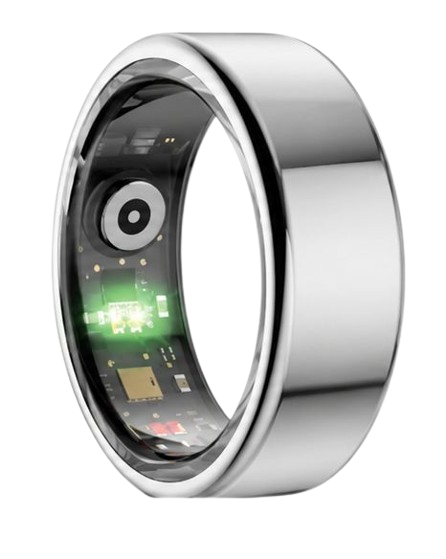
The Herz P1 Smart Ring continuously tracks your biometric trends without demanding a monthly app subscription.
This allows you to gather actionable insights and build a healthier lifestyle on your own terms.
90-Day 100% Money-Back Guarantee
“The Herz Smart Ring helps me manage stress easily. It’s accurate, stylish, and lightweight—perfect for my busy life!”
— Jennifer P. | ✔ Verified Customer
- ✓ 6-Day Battery Life
- ✓ Detailed Sleep Analysis
- ✓ Fast 1-Hour Charging
- ✓ iOS & Android Ready
Questions? Call: 1-866-479-1629
The Science Behind Your Sleeping Breath Rate and Nighttime Physiology
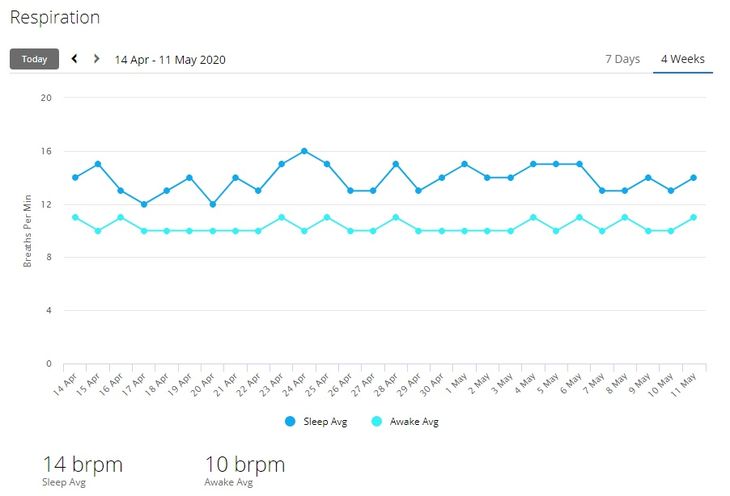
Your respiratory sleep rate represents the number of breaths you take per minute during rest.
For most healthy adults, a normal sleeping respiratory rate falls between 12 and 20 breaths per minute.
If you consistently observe a rate higher than your baseline, it could indicate that your body is working harder to oxygenate your tissues.
When asking is 24 breaths per minute normal, the answer is generally no for resting sleep, as it signals mild tachypnea.
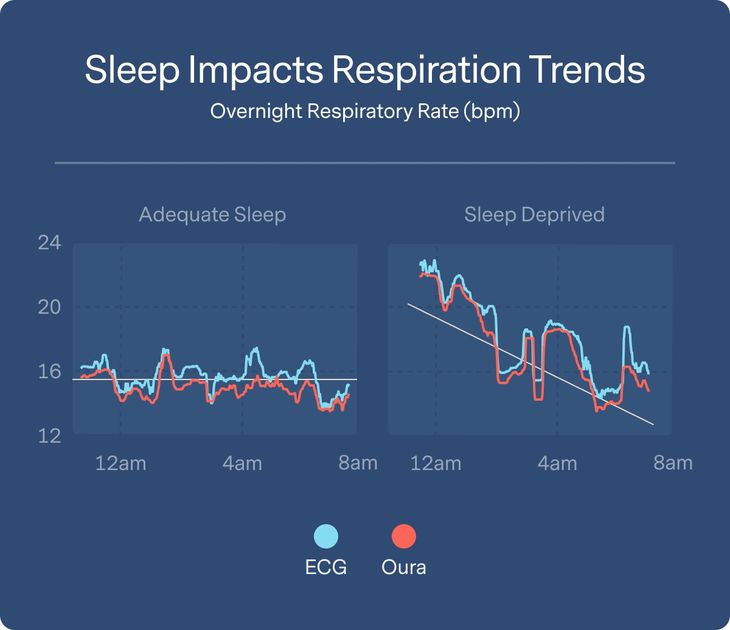
The National Sleep Foundation notes that resting respiration rates are highly stable from night to night.
Therefore, even a minor deviation of one or two breaths per minute can serve as an early indicator of physical stress.
During different sleep stages, your breathing patterns naturally shift.
In deep slow-wave sleep, your respiration becomes highly regular and drops to its lowest rate of the night.
During rapid eye movement (REM) sleep, your breathing rate becomes faster and more irregular due to active dreaming.
Understanding these shifts is crucial for interpreting your daily wearable charts.
The American Heart Association highlights the close relationship between cardiorespiratory wellness, resting heart rate, and overnight breathing stability.
If your heart rate variability (HRV) is low, it often correlates with a what does high respiration rate mean alert on your tracker.
Tracking blood oxygen saturation (SpO2) alongside respiration helps you determine if breathing shifts are linked to oxygen drops.
By monitoring these variables together, you gain a panoramic view of your autonomic nervous system.
The Herz P1 Smart Ring leverages advanced multispectral optical sensors to capture these subtle movements from your finger.
This provides a comfortable, accurate alternative to bulky wrist-worn devices that may slip during the night.
Primary Causes of a Higher Respiratory Rate While Sleeping
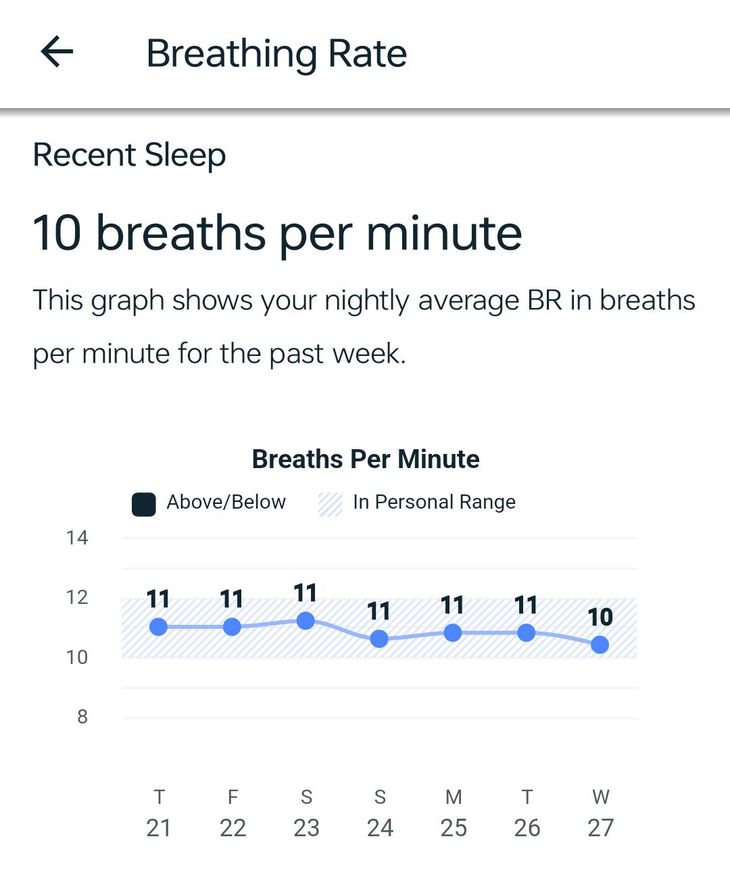
There are several physiological and environmental causes of high breathing rate that you should consider.
Acute stress and anxiety are among the most common culprits behind an elevated baseline.
When your mind is racing, your sympathetic nervous system remains highly active even after you fall asleep.
This constant state of fight-or-flight keeps your breathing shallow and rapid throughout the night.
Another critical factor is physical overtraining or muscle fatigue from intense exercise.
If you do not allow your body sufficient time to recover, your oxygen demand remains elevated during rest.
Environmental factors like allergens, pet dander, or dry air can also irritate your airway.
This physical irritation forces your lungs to work harder to maintain optimal oxygen saturation.
Consuming alcohol or heavy meals close to bedtime significantly alters your normal sleep architecture.
Digestion and detoxification raise your core body temperature and speed up your resting metabolism.
Finally, early stages of viral infections can cause your breathing rate to spike before you feel any symptoms.
Your body uses extra oxygen to fuel its immune response and combat potential pathogens.
Observing an average sleeping respiratory rate that suddenly climbs is a clear cue to prioritize rest.
How to Analyze and Use Your Respiration Data with Herz P1
Reading your daily metrics on the Herz P1 companion application is simple and intuitive.
Each morning, the app provides a comprehensive breakdown of your overnight respiration trends.
You can view your exact breathing cycles charted alongside your heart rate and sleep stages.
If you notice a gradual increase over several days, it may be time to scale back your workout intensity.
Conversely, a stable baseline indicates that your physical recovery strategies are working effectively.
The lightweight design of our ring ensures you can collect this data comfortably every single night.
Unlike watches that require frequent adjustments, the ring remains securely in place to deliver highly reliable metrics.
You can use these insights to tailor your sleep hygiene and track the immediate impact of your adjustments.
Why Traditional Smartwatches Fail at Overnight Biometric Tracking
Many health-conscious individuals make the mistake of wearing bulky, heavy smartwatches to bed.
These large devices can easily shift during sleep, leading to frequent gaps in your biometric data.
They can also cause physical discomfort, which inherently raises your overnight stress and breathing rate.
Furthermore, many mainstream trackers lock your detailed biological data behind expensive monthly paywalls.
We believe that your health data belongs entirely to you, without any hidden charges or ongoing fees.
The Herz P1 app is free for lifetime, ensuring you always have unlimited access to your wellness trends.
Our ring is constructed from military-grade steel to withstand daily wear while remaining incredibly light on your finger.
Frequently Asked Questions About Sleep Respiration and Tracking
Is the Herz P1 Smart Ring waterproof?
Yes, the Herz P1 features a certified IP68 waterproof rating.
This means it can withstand continuous immersion in water up to 164 feet deep.
You can wear it confidently while swimming, showering, or washing your hands without risking any damage.
How long does the ring’s battery last on a single charge?
The advanced battery of the Herz P1 provides up to 6 days of continuous tracking.
It charges fully in under 1 hour using the included magnetic charging dock.
This long-lasting battery life eliminates the stress of daily charging routines.
Which finger is the best option for wearing the Herz P1?
We recommend wearing the ring on your index, middle, or ring finger for the highest sensor accuracy.
The skin on these fingers has optimal blood flow, allowing the optical sensors to read your pulse clearly.
Ensure the ring fits snugly but comfortably without rotating too easily.
Does the Herz P1 store my health data offline?
Yes, the ring features built-in storage that can hold up to 7 days of biometric data offline.
Your metrics will automatically sync to your smartphone the next time you open the companion app.
This allows you to track your sleep even if you prefer to keep your phone in another room.
Conclusion: Empower Your Sleep Journey with Herz P1
Understanding and managing your nighttime respiratory rate is a vital element of physical recovery.
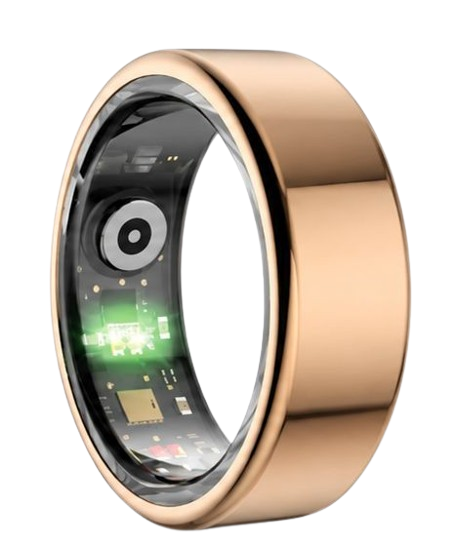
The military-grade Herz P1 Smart Ring stands as your trusted wellness companion to monitor these essential trends without monthly subscriptions.
Ready to monitor your health every day? Explore the Herz P1 Smart Ring and see if it fits your lifestyle. Call: 1-866-479-1629 — our team can help you advise on the correct ring size and set personalized health goals.
Note: Individual results may vary depending on individual health conditions, age, and lifestyle habits. This article is intended for general health reference purposes only.
