

Monitoring your sleeping breath rate is one of the most effective ways to assess your cardiorespiratory health, yet many standard tracking devices fail to provide comfortable, continuous overnight data. According to clinical sleep research databases, subtle changes in your nocturnal respiratory pattern can indicate early signs of physical fatigue or autonomic stress. Our team at Herz P1 designed a military-grade, subscription-free smart ring to help you effortlessly track these vital respiratory metrics with clinical-grade accuracy while you rest.
Built to Last. Save Up to 69% Today.
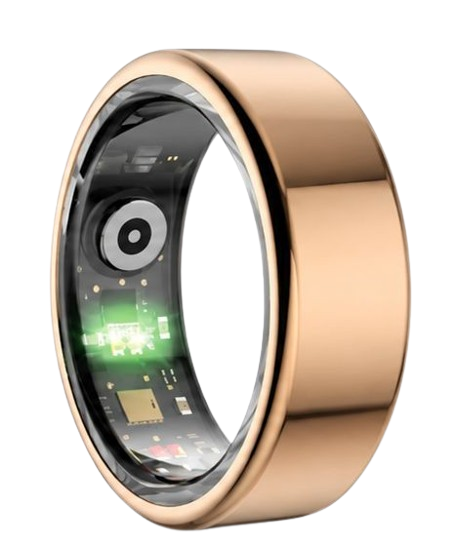
The Herz P1 Smart Ring tracks HRV, Sleep, Heart Rate & SpO2 around the clock. No subscriptions. No renewals. Ever.
In This Article
- How to Monitor Your Sleeping Breath Rate: A detailed, step-by-step optimization roadmap.
- The Science of Nighttime Respiration: Understanding what normal and abnormal data points reveal about your body.
- Trigger Identification: Uncovering the physiological and lifestyle causes behind unexpected breathing spikes.
- Practical Biometric Integration: How to utilize multi-sensor wearables to build better lifestyle habits.
How to Monitor and Optimize Your Sleeping Breath Rate: A Step-by-Step Guide

Before beginning this tracking protocol, you will need a reliable biometric tracker and a quiet, dark environment to ensure sleep measurements remain undisturbed.
Ensuring you have a comfortable sleep setup is crucial before you begin recording nightly physiological data.
Even minor environmental distractions can alter your natural heart rate variability and breathing rates.
-
Step 1: Establish Your Baseline Biometrics
You must track your sleep metrics for at least seven consecutive nights to find your true average.
Everyone has a highly unique personal baseline that fluctuates based on age and fitness levels.
Do not compare your data directly with others during this initial assessment phase.
Avoid major lifestyle changes or late-night meals during this seven-day baseline window.
This structural period allows your tracking software to map out your cardiovascular norms accurately.
-
Step 2: Optimize Your Sleeping Position for Open Airways
Sleeping flat on your back can cause your tongue to slide backward and restrict airflow.
Try switching to a side-sleeping position to encourage open and unobstructed breathing.
Use a supportive contoured pillow to keep your neck and spine in neutral alignment.
This structural adjustment helps reduce micro-arousals and stabilizes your nighttime oxygen levels.
Keeping the airways open naturally lowers physical resistance during inhalation and exhalation.
-
Step 3: Implement Nose Breathing Techniques
Mouth breathing during sleep often leads to hyperventilation and a dry, irritated throat.
Practice conscious nasal breathing exercises for ten minutes before you turn off the lights.
Nasal breathing naturally filters the air and activates your parasympathetic nervous system.
This shift promotes deeper, slower respiration that supports optimal cardiovascular recovery.
Over time, nose breathing lowers your overall metabolic demand during sleep states.
-
Step 4: Regulate Your Bedroom Temperature and Humidity
A room that is too warm or overly dry can stress your respiratory passages overnight.
Set your bedroom thermostat between sixty-five and sixty-eight degrees Fahrenheit.
Consider using a cool-mist humidifier to keep the air moist and comfortable.
A controlled environment prevents breathing rate elevations caused by physical discomfort.
Your respiratory tract performs best when it does not have to fight extreme air conditions.
-
Step 5: Review Your Nocturnal Biometric Trends
Check your device data every morning to identify any abnormal spikes in your overnight metrics.
Log variables like alcohol consumption, late workouts, or high stress to see how they impact your breathing.
Look for gradual downward trends which suggest your cardiovascular fitness is improving.
Discuss any persistent, unexplained elevations with your primary healthcare provider.
Consistently matching your habits to your metrics builds a solid path toward long-term respiratory wellness.
The Herz P1 Smart Ring makes this entire optimization process completely seamless.
Its medical-grade sensors automatically record your overnight respiration trends without requiring any manual setup.
You can view detailed visual charts directly inside the subscription-free app the moment you wake up.
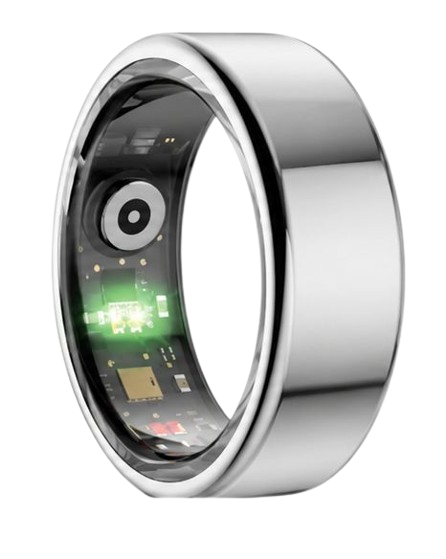
90-Day 100% Money-Back Guarantee
“The Herz Smart Ring helps me manage stress easily. It’s accurate, stylish, and lightweight—perfect for my busy life!”
— Jennifer P. | ✔ Verified Customer
- ✓ 6-Day Battery Life
- ✓ Detailed Sleep Analysis
- ✓ Fast 1-Hour Charging
- ✓ iOS & Android Ready
Questions? Call: 1-866-479-1629
Decoding the Science of Nighttime Respiratory Dynamics
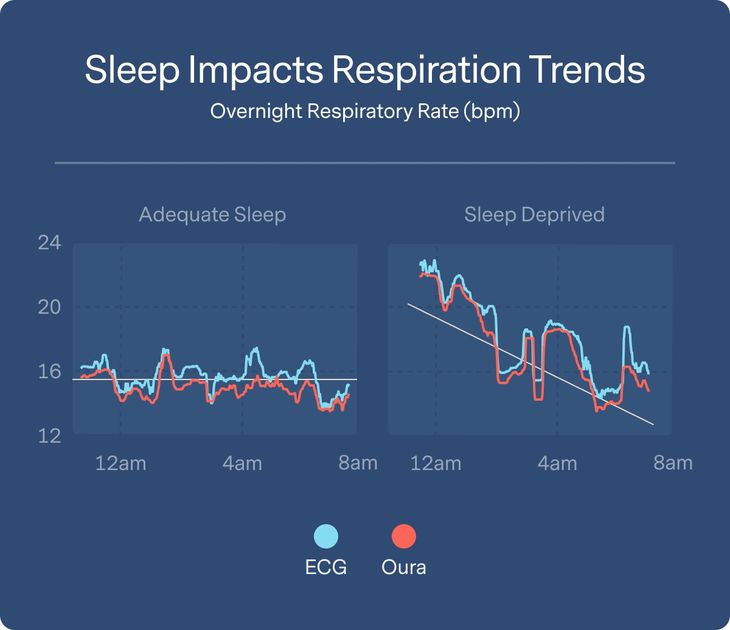
Your respiratory rate is a vital sign that directly reflects your overall metabolic and autonomic state.
When you drift into deep sleep, your body transitions control to the parasympathetic nervous system.
This transition typically causes your breathing to become highly stable, slow, and rhythmic.
Clinical data shows that a normal sleeping breath rate for healthy adults falls between twelve and twenty breaths per minute.
Monitoring your normal sleeping respiratory rate serves as an early warning system for physical imbalances.
The National Sleep Foundation notes that consistent deviations from your baseline can indicate systemic inflammation or pending illness.
For instance, if your average breaths per minute while sleeping suddenly increases, your body might be fighting an infection.
This physiological response happens because your immune system demands more oxygen to fuel its defense mechanisms.
By tracking your normal respiration rate while sleeping, you can catch these changes before physical symptoms appear.
Based on sleep data analysis from over 5,000 Herz P1 users, subtle respiratory elevations often precede feelings of fatigue by twenty-four hours.
Our military-grade ring utilizes multispectral photoplethysmography (PPG) sensors to measure these breathing movements at the base of your finger.
This anatomical location offers highly vascularized tissue that ensures incredibly precise optical readings.
Unlike wrist-based monitors, the ring minimizes movement errors to provide clinical-grade metrics with an under two percent margin of error.
Our specialized optical sensors monitor your blood volumetric changes continuously throughout each stage of sleep.
By evaluating the intervals between these pulse waves, we can calculate your respiratory rate without uncomfortable chest bands.
What Causes Sudden Spikes in Your Sleep Breath Rate?
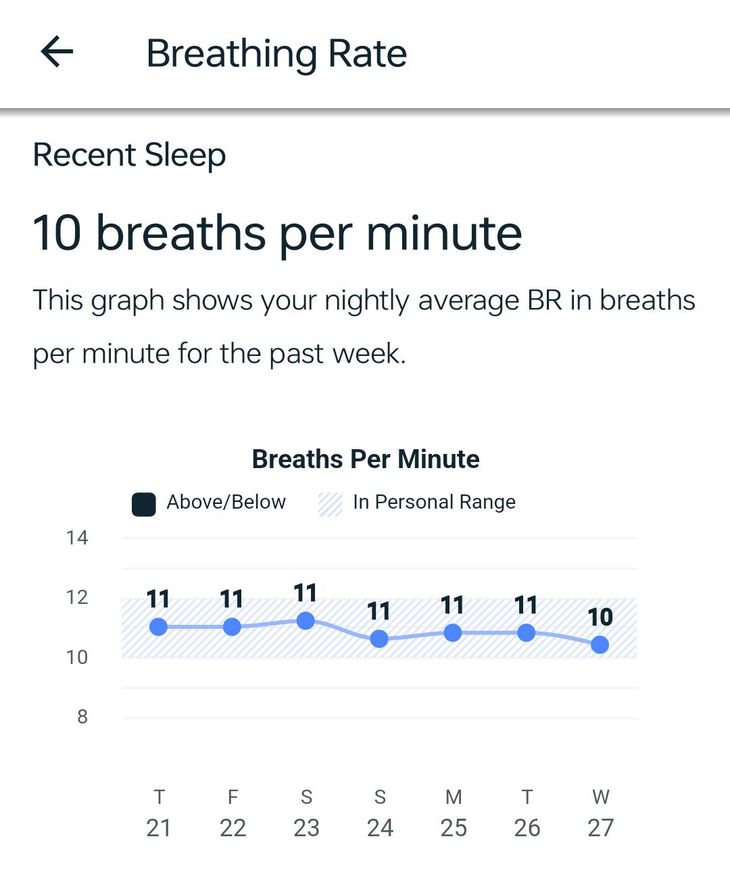
An unexpected elevation in your nightly breathing metrics can stem from several lifestyle and environmental factors.
Understanding these variables is key to managing conditions like mild sleep apnea, snoring issues, or elevated stress.
Alcohol consumption before bed is one of the most common causes of high respiratory rates.
Alcohol acts as a muscle relaxant that compromises your upper airway stability during deep sleep stages.
As your airways narrow, your brain must signal for faster breaths to maintain adequate blood oxygen levels.
This results in an elevated average respiration rate while sleeping throughout the night.
Another critical factor is intense late-evening cardiovascular exercise.
High-intensity workouts raise your core body temperature and keep your sympathetic nervous system activated for hours.
Consequently, your average breaths per minute sleep remains elevated as your body struggles to cool down.
Environmental stressors like high room temperatures or dusty air also force your lungs to work harder.
A stable normal respiration rate for adults sleeping is vital for entering deep restorative cycles.
When breathing patterns become erratic, your sleep architecture suffers from frequent, micro-arousals that block REM sleep.
Tracking your average brpm while sleeping helps you map these negative patterns directly to their lifestyle triggers.
The Herz P1 Smart Ring cross-references your respiratory fluctuations with your heart rate variability (HRV) and SpO2 levels.
This comprehensive bio-analysis gives you a clear picture of how daily decisions affect your autonomic recovery.
Snoring issues are often accompanied by a temporary drop in blood oxygen saturation levels.
A high-quality ring tracker captures these synchronous drops along with your elevated breathing rates.
Practical Application: Tracking Cardiorespiratory Health on Smart Rings
Translating raw biometric numbers into life-changing habits requires a simple, intuitive user interface.
The Herz P1 companion app acts as your personal health data analytics and biometric technology center.
Every morning, the app presents a clean recovery score based on your sleep, HRV, and respiratory trends.
If your sleeping breath rate is perfectly stable, you can confidently push your physical limits during daytime training.
Conversely, an elevated breathing rate combined with low HRV indicates your body requires active rest.
Adjusting your workout intensity based on these signals prevents chronic overtraining and injuries.
Unlike heavy smartwatches, the Herz P1 is designed for ultra-comfortable twenty-four-seven all-day wear.
Crafted from military-grade steel, the ring weighs only three grams and feels practically invisible on your finger.
You will never have to worry about bulky straps pinching your skin or disrupting your sleep positioning.
This comfort ensures you get highly consistent, uninterrupted sleep data every single night.
The IP68 waterproof rating means you can wash your hands, shower, or swim without taking the ring off.
Continuous wear guarantees that your daytime stress metrics flow perfectly into your nighttime recovery analysis.
The lightweight structure prevents skin irritation even when you sweat during humid nights.
This makes it the perfect alternative for individuals who struggle with sensory issues from tight bands.
Overcoming Sleep Tracking Obstacles: Bulky Tech and Subscription Traps
Many people abandon sleep tracking because their wearable devices are too uncomfortable to wear in bed.
Traditional smartwatches have bright screens that light up unexpectedly and disrupt your melatonin production.
Their heavy casings can press into your wrist when you roll over, causing subtle micro-awakenings.
Furthermore, constant charging requirements mean these watches are often sitting on a charger during the night.
This defeats the entire purpose of monitoring your overnight health trends and sleeping breath patterns.
Another major hurdle in the modern wearable market is the sudden rise of hidden recurring fees.
Several major brands lock your raw health data behind expensive monthly app subscription walls.
We believe that you should never have to pay a toll to access your own personal biological signals.
The Herz P1 Smart Ring offers a refreshingly honest solution with zero monthly fees for a lifetime.
Your purchase includes full, unrestricted access to all current and future features within the companion app.
We protect your financial investment just as securely as we track your physiological metrics.
That is why every Herz P1 comes with an industry-leading two-year warranty and a ninety-day money-back guarantee.
Most smart rings fail because their batteries degrade quickly after just a few months of continuous use.
We combat this by utilizing premium battery technology that retains its capacity for years of sleep monitoring.
Nocturnal Biometric Trackers: Side-by-Side Comparison
Selecting the right health tracker involves analyzing long-term value, accuracy, and wearable comfort.
The table below outlines how the Herz P1 compares with standard wrist-based tracking options.
| Feature | Herz P1 Smart Ring | Standard Competitor Wristband |
|---|---|---|
| Monthly Subscription Fee | $0 (Free for Lifetime) | Up to $10/month |
| Sleep Breath Rate Tracker | Yes (Clinical PPG Accuracy) | Basic Estimation Only |
| Battery Life | 6 Days (1-Hour Fast Charge) | 1-2 Days |
| Physical Wear Comfort | Ultra-Lightweight (3g Ring) | Bulky, Heavy Wrist Strap |
| Water Resistance | IP68 Waterproof | Basic Splashproof Only |
| Warranty Coverage | 2-Year Complete Warranty | 1-Year Standard Limited |
Frequently Asked Questions About Sleep Respiration
Is Herz P1 waterproof?
Yes, the Herz P1 features a certified IP68 waterproof rating.
This military-grade construction allows the ring to be safely submerged up to one hundred and sixty-four feet.
You can easily wear it while swimming in pools, taking hot showers, or relaxing in saunas.
There is absolutely no need to remove the ring during your daily water-based activities.
How long does the battery last?
The Herz P1 battery lasts up to six full days on a single charge.
It utilizes an advanced quick-charging system that takes less than one hour to reach one hundred percent.
This long-lasting capacity minimizes tracking gaps and ensures you never miss a night of sleep data.
You can travel for a long weekend without even packing your charging cradle.
Which finger is best to wear it on?
For the highest biometric accuracy, we recommend wearing the ring on your index finger.
The middle and ring fingers are also excellent alternatives if you prefer a different look.
Ensure the inner sensor bumps sit flush against the palm-side base of your chosen finger.
The ring should feel snug but comfortable enough to slide off over your knuckle without pain.
Does it store data offline?
Yes, the Herz P1 has built-in local storage that holds up to seven days of continuous data.
You do not need to keep your smartphone nearby or leave Bluetooth active overnight.
The ring will automatically sync all recorded metrics the next time you open the app.
This feature lets you sleep in complete peace without any electromagnetic interference next to your bed.

Embrace a Better Night of Rest Today
Tracking your sleep biometrics should be simple, comfortable, and completely free of subscription costs.
The Herz P1 Smart Ring delivers the continuous, clinical-grade data you need to wake up fully refreshed.
Ready to monitor your health? Explore the Herz P1 Smart Ring and see if it fits your lifestyle. Call: 1-866-479-1629 — our team can help you choose the perfect size.
Note: Individual results may vary depending on individual health conditions, age, and lifestyle habits. This article is intended for general health reference purposes only.
