

Waking up feeling completely exhausted can be a confusing experience, especially when smart trackers detect a high breathing rate while sleeping. Clinical studies confirm that normal overnight respiration averages between 12 and 20 breaths per minute, making elevated readings a valuable biometric cue to investigate. The Herz P1 smart ring helps you accurately monitor these subtle trends without any ongoing fees. This guide reveals the causes of elevated sleep breathing and provides actionable steps for relief.
Built to Last. Save Up to 69% Today.
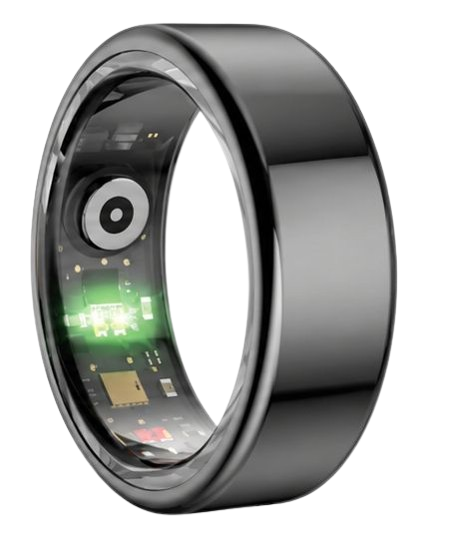
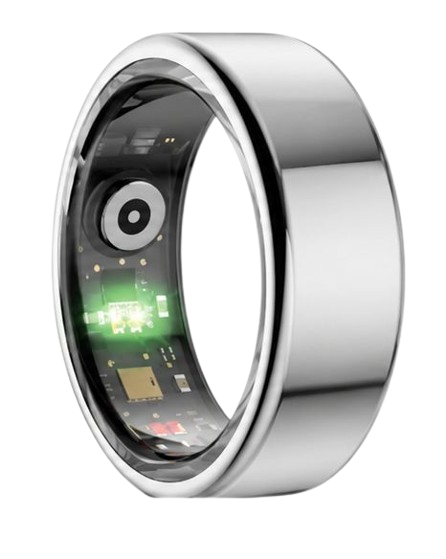
The Herz P1 Smart Ring tracks HRV, Sleep, Heart Rate & SpO2 around the clock. No subscriptions. No renewals. Ever.
In This Article
- Lowering Respiration Rates: Discover the exact environmental and physiological steps required to achieve calm breathing during sleep.
- Understanding the Numbers: Learn what your autonomic nervous system is signaling during high respiration events.
- Expert Science Breakdown: Understand how clinical biometrics like SpO2 and HRV interact with your nighttime recovery trends.
- Practical Monitoring: Maximize the accuracy of your tracking data using advanced, subscription-free smart ring technology.
How to Lower an Elevated Sleep Respiration Rate: A Step-by-Step Evening Protocol
Lowering your respiratory rate requires a systematic approach to calming your central nervous system before bed.
To successfully execute this guide, you will need a quiet bedroom, a thermometer to check room temperature, and a reliable wearable tracker.
By executing these steps consistently, you can expect to see a stabilization in your baseline physiological metrics within one to two weeks.
Step 1: Cool Down Your Bedroom Environment
High environmental heat acts as a direct physical stressor that forces your body to breathe faster to cool down.
Set your thermostat to a cool range between 60 and 67 degrees Fahrenheit.
Ensure there is adequate cross-ventilation by using an oscillating fan or leaving a window slightly open.
This drop in ambient temperature mimics your body’s natural nighttime circadian temperature drop.
Cooler surroundings significantly reduce metabolic demand and help prevent an elevated respiratory rate while sleeping.
Step 2: Practice Resonant Frequency Breathing Before Bed
Slowing your breathing down consciously before sleep trains your autonomic nervous system to rest at a lower rate.
Lie flat on your back in bed with one hand on your chest and the other on your belly.
Inhale slowly through your nose for a count of six seconds, focusing on expanding your abdomen rather than your chest.
Exhale smoothly through pursed lips for another count of six seconds without pausing.
Perform this exercise for exactly ten minutes before turning off the lights to maximize vagal nerve stimulation.
Step 3: Establish a Strict Caffeine and Food Cutoff Window
Consuming stimulants or heavy meals late in the evening triggers digestion and raises your core temperature.
Stop consuming all sources of caffeine at least eight hours before your planned bedtime.
Finish your last solid meal of the day at least three full hours before you head to sleep.
This cutoff window allows your stomach to empty, reducing pressure on your diaphragm and keeping your airway unrestricted.
Following this rule is a simple way to avoid a confusing spike in your nightly data.
Step 4: Optimize Your Sleep Position to Clear Your Airways
Sleeping on your back can cause your airway to narrow slightly as gravity pulls your soft palate downward.
Transition to side-sleeping to keep your respiratory pathways fully open and unobstructed.
Place a supportive contour pillow under your head to keep your neck aligned with your spine.
Add a small pillow between your knees to relieve lower back pressure and keep your pelvis stable.
This structural alignment prevents the micro-obstructions that trigger rapid, shallow breathing patterns.
Step 5: Maintain a Consistent Sleep-Wake Schedule
Irregular sleeping hours confuse your body’s natural internal clock and raise baseline stress levels.
Go to bed and wake up at the exact same time every day, even on the weekends.
Consistent sleep patterns allow your body to anticipate rest, lowering your initial heart and breathing rates.
Use your daily wearable data to verify that your body is settling into a reliable baseline trend.
This stability is crucial when attempting to understand what does high respiration rate mean for your personal recovery.
How the Herz P1 Supports Your Evening Protocol
The Herz P1 smart ring serves as an excellent tool to measure the success of these nighttime adjustments.
Its high-fidelity optical sensors track your breathing rate automatically throughout the entire night.
The free companion app lets you view daily trends, allowing you to correlate environmental changes with drops in your respiration.
With its long-lasting battery and comfortable design, you can gather reliable, continuous data without any hassle.
90-Day 100% Money-Back Guarantee
“The Herz Smart Ring helps me manage stress easily. It’s accurate, stylish, and lightweight—perfect for my busy life!”
— Jennifer P. | ✔ Verified Customer
- ✓ 6-Day Battery Life
- ✓ Detailed Sleep Analysis
- ✓ Fast 1-Hour Charging
- ✓ iOS & Android Ready
Questions? Call: 1-866-479-1629
What Is a Normal Nighttime Respiration Rate and When Is It Too High?

Your respiratory rate is a fundamental indicator of your overall cardiovascular health and autonomic balance.
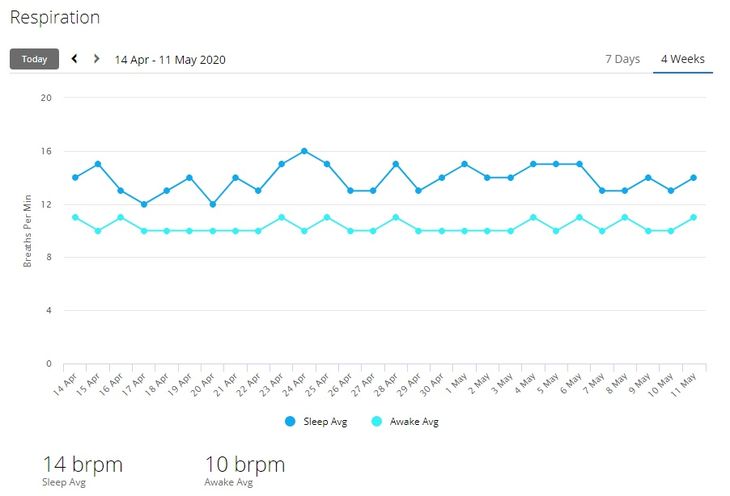
According to research from the National Sleep Foundation, a typical adult’s average sleeping respiratory rate lies comfortably between 12 and 20 breaths per minute.
This measurement reflects the number of full inhalation and exhalation cycles completed within a 60-second window.
When you enter deep, non-REM sleep, your metabolic activity slows down significantly, allowing your breathing to become highly regular and steady.
During this restorative phase, your body relies on minimal respiratory effort to maintain stable blood oxygenation.
However, many people wonder, is 24 breaths per minute normal while resting?
A consistent rate of 24 breaths per minute is generally considered elevated and suggests that your body is dealing with physical stress.
This level of respiratory activity means your heart and lungs are working harder to meet your tissues’ oxygen demands.
An occasional, brief spike in respiration can happen naturally, especially during active dream states in REM sleep.
But when your average nightly rate remains high over several days, it is a clear sign that your recovery systems are working overtime.
The first step in understanding this physiological pattern is identifying your unique, healthy baseline range.
Using a reliable respiratory sleep rate tracker allows you to capture these essential metrics while you rest.
By comparing your nightly data over several weeks, you can quickly spot true anomalies from normal variations.
Tracking this metric is a powerful way to monitor how your body handles physical exertion and daily stress.
Core Physiological Causes of an Elevated Nightly Respiratory Rate
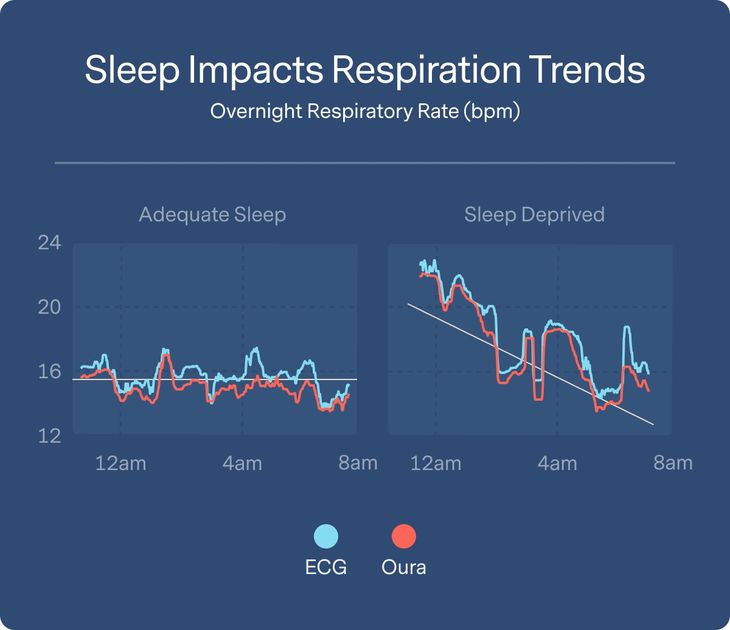
A sudden or sustained rise in your respiration rate is rarely an isolated event; it is usually driven by specific physiological triggers.
The American Heart Association highlights how mental anxiety and chronic daily stress play a major role in altering our breathing patterns.
When your brain perceives stress, it activates the sympathetic nervous system, releasing hormones like adrenaline and cortisol.
These hormones prepare your body for action, which naturally increases both your heart rate and your respiratory frequency.
This stress response doesn’t simply shut off when you fall asleep; it often persists as rapid, shallow breathing throughout the night.
Beyond stress, mild physical illness is another common cause of a high sleeping breath rate.
When your immune system fights off a viral infection, your metabolic rate increases, and your body temperature rises.
Even a slight rise in core temperature forces your lungs to work harder to release excess heat and carbon dioxide.
This immune response often shows up on your tracker as an elevated breathing rate a day or two before you feel any physical symptoms.
Environmental factors in your bedroom can also trigger rapid breathing during sleep.
Poor indoor air quality, pet dander, and seasonal allergens can cause mild inflammation in your nasal passages.
This congestion narrows your airway, making it harder to draw in full, deep breaths.
Your brain compensates for this restricted airflow by signaling your diaphragm to breathe faster to maintain proper oxygen levels.
This respiratory shift can easily pull you out of restorative deep sleep and into lighter, less refreshing stages of rest.
Tracking your metrics consistently helps you see how these environmental factors impact your normal sleeping respiratory rate.
Furthermore, lifestyle choices like alcohol consumption or eating close to bedtime directly interfere with your body’s natural resting patterns.
Alcohol acts as a muscle relaxant, which can cause the tissues in your throat to sag and narrow your airway.
Your body is forced to increase its respiration rate to keep your blood oxygen saturation from dropping dangerously low.
Similarly, digesting a heavy meal requires extra oxygen, which elevates your heart rate and respiration while you rest.
Identifying these common triggers is essential when managing a frequent high respiratory rate while sleeping.
Reading Your Daily Respiration Data on the Herz P1 App
The Herz P1 companion app translates complex biological signals into clear, easy-to-understand health insights.
Every morning, you can open the app to view a comprehensive dashboard detailing your overnight recovery metrics.
The interface displays your exact average breathing rate alongside visual trend lines mapping your entire sleep cycle.
This visual mapping allows you to pinpoint exactly when any breathing spikes occurred during the night.
You can also compare your respiration trends directly with your Heart Rate Variability (HRV) and deep sleep phases.
A healthy recovery profile usually displays a low, stable breathing rate paired with high HRV scores.
If you notice your respiration is high while your HRV is low, your body is likely under physical strain or fighting fatigue.
This detailed insight helps you make informed choices about your physical activity and rest for the day ahead.
The comfort of a lightweight smart ring makes 24/7 biometric monitoring incredibly simple and convenient.
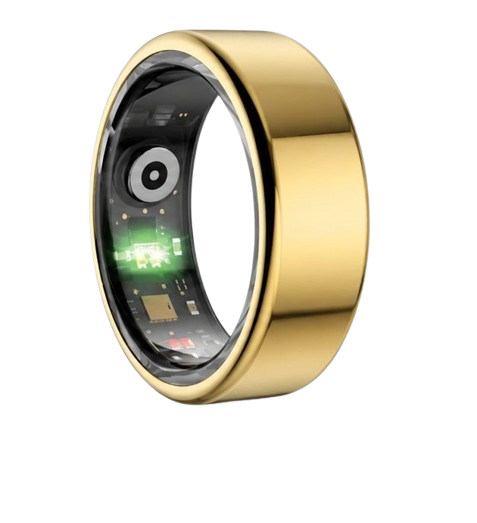
Constructed from military-grade steel, the Herz P1 is designed to be so comfortable you barely feel it on your finger.
Unlike bulky smartwatches that can pinch or sweat, this sleek ring remains secure and unobtrusive all night long.
This constant, reliable contact with your skin ensures highly accurate data collection during every stage of sleep.
Avoiding Wrist-Based Tracking Errors and Unnecessary Subscription Fees
Many people struggle to gather accurate sleep data because they rely on heavy, oversized wrist-based trackers.
As you roll over or adjust during the night, large smartwatches easily slide out of place on your wrist.
This movement creates a gap between the optical sensors and your skin, leading to inaccurate or missing data.
Because the skin on your finger is much thinner than on your wrist, a smart ring provides a far more reliable signal.
The Herz P1 bypasses these common wrist-based tracking errors by fitting snugly and securely at the base of your finger.
Another major frustration in the wearable market is the hidden cost of mandatory monthly subscriptions.
Many popular wellness brands lock your personalized physiological data behind expensive monthly app paywalls.
We believe that you should never have to pay a recurring fee to access your own personal health metrics.
The Herz P1 app is completely free for a lifetime, with no monthly subscriptions or hidden charges ever.
This commitment to transparency makes advanced biometric tracking accessible to everyone without any financial burden.
Frequently Asked Questions About Nightly Respiration and Smart Rings
Conclusion: Your Subscription-Free Wellness Journey Starts Here
Monitoring your overnight respiration is a powerful step toward optimal wellness. The Herz P1 Smart Ring delivers reliable, subscription-free tracking to help you understand your body’s vital signals. Ready to monitor your health every day? Explore the Herz P1 Smart Ring and see if it fits your lifestyle. Call: **1-866-479-1629** — our team can help you advise on the correct ring size and set personalized health goals.
