

If you have noticed your respiratory rate hovering around 24, you are likely wondering is 24 breaths per minute normal or if it indicates an underlying cardiorespiratory issue. At Herz P1, we know that sudden shifts in breathing patterns can cause immense worry, which is why we have engineered a subscription-free wearable to accurately track your biometrics, analyze sleep stages, and monitor daily stress levels without complex interfaces.
Built to Last. Save Up to 69% Today.
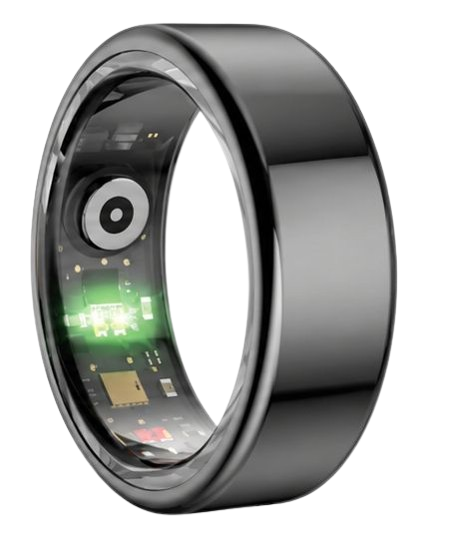
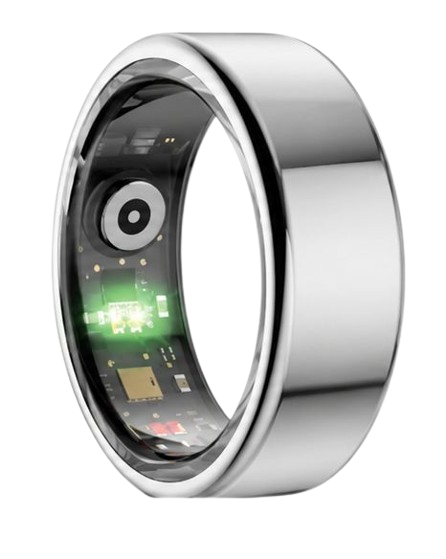
The Herz P1 Smart Ring tracks HRV, Sleep, Heart Rate & SpO2 around the clock. No subscriptions. No renewals. Ever.
In This Article
- Detailed Threshold Analysis: Learn why 24 breaths per minute at rest is considered high and what it tells us about your cardiorespiratory state.
- The 5W2H Breakdown: A structured, evidence-based view of respiration metrics, triggers, and physiological pathways.
- Sleep Respiration Insights: Understand what happens to your breathing patterns during deep, light, and REM sleep cycles.
- Biometric Technology Solutions: How advanced multi-spectral optical sensors track your body signals 24/7 without invasive monitors.
Is 24 Breaths per Minute Normal or High? Here Is What the Data Says

The number of breaths you take each minute is a vital window into your cardiovascular health.
Understanding your respiratory metrics helps you identify physical strain before it becomes severe.
Under normal conditions, a healthy resting adult typically breathes between 12 and 20 times per minute.
Therefore, a consistent reading of 24 breaths per minute at rest is technically considered high.
In clinical settings, this state of rapid breathing is known as tachypnea.
It is important to look at the exact context in which this elevated rate occurs.
If you measure 24 breaths per minute while sitting calmly, your body is working harder than usual to obtain oxygen.
This elevated rate may be a temporary response to environmental triggers or emotional stress.
However, persistent rapid breathing warrants closer attention and careful monitoring.
If you are wondering what does high respiration rate mean, it typically points to your autonomic nervous system reacting to an internal or external stressor.
For busy office workers and active individuals, tracking these subtle shifts is crucial for maintaining daily energy.
A reliable, lightweight biometric sensor can help you detect these deviations without clinical appointments.
The Herz P1 Smart Ring provides seamless, continuous tracking of your breathing rates throughout the day and night — explore it here.
The 5W2H Framework: Analyzing Respiration Rates
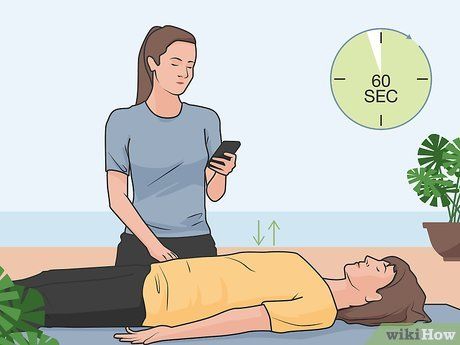
What: Respiration rate is the exact number of inhalation-exhalation cycles your body completes in 60 seconds.
Who: While infants naturally breathe at rates above 30, adults should maintain a resting rate between 12 and 20 breaths per minute.
When: A rate of 24 is perfectly normal during moderate exercise, but it is high if it occurs during sleep or complete physical rest.
Where: The physiological exchange of oxygen and carbon dioxide takes place deep within the alveoli of your lungs, influenced heavily by your heart rate.
Why: Breathing speeds up when your cells demand more oxygen, or when blood carbon dioxide levels rise due to anxiety, fever, or physical strain.
How: Your autonomic nervous system controls your breathing rate automatically through the respiratory center in your brainstem.
How Many / How Much: A resting rate of 24 represents a 20% increase over the upper limit of the standard normal range.
According to the American Heart Association, sustained resting breathing rates above 20 breaths per minute require careful tracking to rule out cardiorespiratory fatigue.
Identifying whether this occurs primarily during work stress or while sleeping is the first step toward better health.
If you want to track this in real time, the Herz P1 Smart Ring monitors your respiratory metrics 24/7 — explore it here.
90-Day 100% Money-Back Guarantee
“The Herz Smart Ring helps me manage stress easily. It’s accurate, stylish, and lightweight—perfect for my busy life!”
— Jennifer P. | ✔ Verified Customer
- ✓ 6-Day Battery Life
- ✓ Detailed Sleep Analysis
- ✓ Fast 1-Hour Charging
- ✓ iOS & Android Ready
Questions? Call: 1-866-479-1629
The Physiology of Tachypnea: Why Your Respiration Spikes
To understand why your respiratory rate might reach 24, we must look closely at how the body manages stress.
When you experience a sudden wave of work anxiety, your sympathetic nervous system instantly triggers the fight-or-flight response.
This evolutionary survival mechanism causes your adrenal glands to flood your system with cortisol and adrenaline.
As a direct consequence, your airway passages dilate to allow more oxygen into the lungs quickly.
Your heart rate rises, and your breathing speeds up to meet the anticipated physical demands of the perceived threat.
For busy professionals sitting at a desk, this physiological reaction occurs without any actual physical movement.
This mismatch leaves you feeling physically exhausted, mentally overwhelmed, and hyperventilating.
A resting respiratory rate of 24 can also be a vital early indicator of physical illness or fever.
When your body battles an infection, your metabolic rate increases significantly.
To support this hyper-metabolic state, your tissues demand a much higher volume of oxygen.
Your lungs respond immediately by increasing the depth and frequency of your breathing cycles.
In many cases, this subtle cardiorespiratory shift occurs hours before you develop a noticeable physical fever.
Tracking your personal baseline allows you to recognize these physiological warning signs early.
Continuous bio-tracking helps you understand if a spike is an isolated incident or a developing wellness trend.
The Herz P1 Smart Ring utilizes advanced multispectral PPG sensors to monitor these changes effortlessly.
Nighttime Respiration Metrics: What Happens While You Sleep?

During sleep, your body relies on autonomic pathways to maintain a steady, calm respiratory rhythm.
For most healthy individuals, the average sleeping respiratory rate remains remarkably stable between 12 and 16 breaths per minute.
This resting phase allows your muscular and cardiovascular systems to recover from the day’s stressors.
If you experience a high breathing rate while sleeping, your body is failing to enter this restorative parasympathetic state.
A consistent sleeping breath rate of over 20 breaths per minute is a clear signal of nocturnal strain.
This elevated rate can be triggered by several common factors, including alcohol consumption, late-night meals, or environmental heat.
More significantly, an elevated respiratory rate while sleeping is often linked to sleep apnea or sleep-disordered breathing.
When your airway partially collapses during deep sleep, your blood oxygen saturation levels begin to drop rapidly.
The brain stem detects this oxygen drop and triggers a micro-arousal to force you to breathe.
This continuous cycle leads to a high respiratory rate while sleeping and severely fragments your sleep architecture.
You wake up feeling physically exhausted, mentally foggy, and plagued by morning headaches.
To understand your personal trends, you must compare your nightly data against a verified normal sleeping respiratory rate.
According to the National Sleep Foundation, tracking your respiratory sleep rate over consecutive weeks provides vital data regarding your long-term cardiovascular resilience.
By measuring these metrics continuously, you can identify sleep-wrecking habits and implement positive lifestyle adjustments.
The Herz P1 Smart Ring makes tracking these subtle overnight shifts entirely effortless and comfortable.
Practical Application Guide & Lifestyle Tips
Tracking your cardiorespiratory metrics with the Herz P1 Smart Ring is incredibly simple and intuitive.
Once you slide the ring onto your finger, the multi-spectral optical sensors begin working immediately.
The companion app consolidates your daily heart rate, heart rate variability (HRV), SpO2, and respiration metrics into a clean dashboard.
When you open the app, look closely at your personal 7-day rolling biometric trends.
If you see your resting respiration rate climbing to 24, take a moment to evaluate your physical environment.
Have you been working longer hours, skipping daily exercise, or drinking extra caffeine to stay awake?
To help bring your respiration rate back to normal, we recommend practicing structured box breathing.
Inhale deeply through your nose for 4 seconds, hold for 4 seconds, exhale for 4 seconds, and hold again for 4 seconds.
This simple technique instantly stimulates your vagus nerve, signaling your heart and lungs to slow down.
You can also optimize your exercise intensity by monitoring how quickly your breathing recovers post-workout.
The lightweight, ergonomic design of the Herz P1 ensures you can monitor these metrics continuously.
Unlike heavy smartwatches, you will barely feel the sleek ring on your finger as you sleep, work, or exercise.
With consistent, 24/7 wear, you gain a clear, accurate, and completely subscription-free picture of your health.
Overcoming Risks & Common Mistakes in Wearable Health Tracking
Many people make the critical mistake of wearing heavy, bulky smartwatches to sleep.
These large devices shift easily on your wrist during the night, leading to highly inaccurate sensor readings.
Furthermore, the uncomfortable weight and glowing screens often disrupt your natural sleep cycles.
Another major frustration with modern wearables is the hidden trap of monthly app subscriptions.
Many popular brands lock your detailed biometric data, sleep scores, and health trends behind expensive paywalls.
At Herz P1, we believe that you should never have to pay a monthly fee to access your own personal body signals.
The Herz P1 App is 100% free for a lifetime, with absolutely no hidden charges, renewals, or premium paywalls.
Our military-grade steel construction and IP68 waterproof rating ensure your ring survives the toughest daily conditions.
You can wash your hands, swim, or take hot showers without ever worrying about damaging the delicate internal sensors.
By choosing a durable, subscription-free smart ring, you protect both your personal health and your wallet.
Biometric Data Comparison: Normal vs. Elevated Metrics
To help you visualize where your respiratory metrics stand, our team compiled this quick cardiorespiratory guide.
| Biometric Metric | Optimal Range (Resting) | Elevated Range (Resting) | Actionable Next Steps |
|---|---|---|---|
| Respiration Rate | 12 – 16 breaths / min | 20 – 24+ breaths / min | Practice deep box breathing; check for fever or acute stress. |
| Heart Rate (HR) | 60 – 80 beats / min | 85 – 100+ beats / min | Improve hydration; limit caffeine and alcohol intake before bed. |
| Blood Oxygen (SpO2) | 95% – 100% | Below 94% | Ensure proper ventilation; consult a health professional if sustained. |
| Heart Rate Variability (HRV) | High (Varies by age) | Significantly Low | Prioritize restorative rest; scale back intense physical training. |
Monitoring how these distinct metrics interact is key to understanding your body’s overall recovery state.
A high respiration rate paired with low HRV, for instance, is a classic indicator of severe physical overtraining.
Frequently Asked Questions (FAQ)
Is the Herz P1 Smart Ring waterproof?
Yes, the Herz P1 is fully IP68 waterproof and rated for continuous submersion up to 164 feet (50 meters).
You can confidently wear it while swimming, washing dishes, showering, or relaxing in a hot tub.
How long does the ring’s battery last on a single charge?
The Herz P1 features an ultra-efficient battery that lasts up to 6 full days of continuous 24/7 tracking.
It charges fully in under 1 hour using our compact, magnetic fast-charging cradle.
Which finger is best to wear the Herz P1 on?
We recommend wearing the smart ring on your index, middle, or ring finger for the most accurate sensor readings.
Ensure the ring fits snugly but comfortably without rotating excessively during your daily activities.
Does the Herz P1 store my biometric data offline?
Yes, the ring features secure local storage that saves up to 7 days of detailed biological data offline.
Your stored metrics will sync automatically to the companion app the next time your Bluetooth connects.

Continuous biometric tracking empowers you to take absolute control of your cardiorespiratory wellness, sleep quality, and daily stress levels.
Ready to monitor your health every day? Explore the Herz P1 Smart Ring and see if it fits your lifestyle. Call: 1-866-479-1629 — our team can help you advise on the correct ring size and set personalized health goals.
