

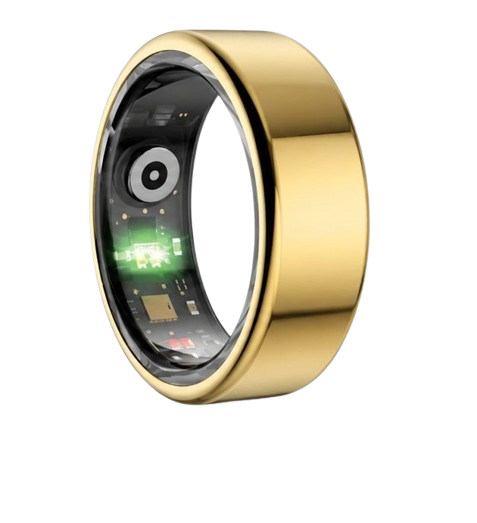
Knowing your vital biometrics is key to clinical longevity, but how do you calculate respiratory rate accurately without complex machinery? Statistics from the American Heart Association show that resting respiration changes can predict acute respiratory events up to 24 hours before other symptoms. Our team at Team Herz P1 designed the subscription-free Herz P1 Smart Ring to automate this daily measurement with medical-grade precision.
Built to Last. Save Up to 69% Today.
The Herz P1 Smart Ring tracks HRV, Sleep, Heart Rate & SpO2 around the clock. No subscriptions. No renewals. Ever.
In This Article
- A Step-by-Step Breathing Calculation Guide: Clear instructions for manual counts.
- The Optical Sensor Advantage: The science behind photoplethysmography (PPG).
- Nocturnal Respiration Metrics: Tracking oxygen and breathing rates while sleeping.
- Optimizing Your App Data: Decoding heart rate variability and respiration trends.
- Avoiding Bulky Trackers: The benefits of sleek smart rings over watches.
How to Calculate Your Breathing Rate: A Step-by-Step Guide to Calculating Respiratory Rate Accurately
Prerequisites for Manual Calculation
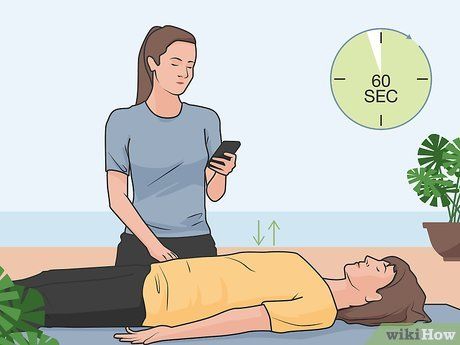
To obtain a clean and accurate measurement, you must prepare your body and your physical surroundings appropriately.
You will need a reliable timing device such as a digital stopwatch or a clock with a visible second hand.
Find a quiet, temperature-controlled room where you can sit or lie down without being disturbed by other people.
Avoid consuming caffeine, nicotine, or performing any strenuous physical activity for at least thirty minutes prior to the measurement.
Your body must be in a state of absolute resting equilibrium to capture a true, uninfluenced respiration baseline.
-
Step 1: Relax Your Musculoskeletal System Completely
You must allow your skeletal muscles to relax completely to prevent artificial breathing elevations caused by postural tension.
Sit comfortably in a supportive chair with your back resting fully against the backrest, or lie completely flat on a firm mattress.
Place your feet flat on the floor to stabilize your pelvic posture and eliminate core muscle engagement.
Rest your hands gently on your thighs or at your sides to minimize any potential muscular exertion in your upper torso.
Breathe normally for five minutes before starting your timer to let your cardiovascular system stabilize into its natural resting rhythm.
-
Step 2: Place Your Hand to Detect Torso Movement
Place your dominant hand flat across your chest or directly over your upper diaphragmatic region.
This tactile feedback is highly critical because it allows you to feel the physical expansion of your lungs.
It is often easier to count breathing cycles through touch rather than trying to watch your chest in a mirror.
Avoid pressing down with excessive force as this can restrict your natural breathing volume and speed up your respiration.
Focus your mind entirely on the physical tactile sensation of your hand rising and falling with each breath.
-
Step 3: Program and Initialize a Precision Sixty-Second Timer
Configure your digital timer or smartphone clock for exactly one full minute.
Measuring for a full sixty seconds is highly critical for eliminating statistical counting errors.
Shorter counting intervals like fifteen seconds can easily miss abnormal pauses or shallow recovery breaths.
Wait until the timer’s second hand reaches the twelve o’clock position before you start your active count.
Initialize the countdown precisely at the beginning of a fresh inhalation phase to ensure timing accuracy.
-
Step 4: Count Each Complete Respiration Cycle Carefully
Count one single breath only when your chest rises and then falls back down completely.
One full rise and one full fall combined represent one single complete respiration cycle.
Do not count separate inhalations and exhalations as distinct individual breaths.
If you cough, speak, laugh, or sigh during the sixty-second counting window, you must abort the trial and reset the timer.
Keep your breathing as natural as possible and avoid the urge to slow down your rate consciously.
-
Step 5: Record Your Breaths Per Minute and Contextual Variables
Write down your final numbered count in a dedicated physical health journal or digital spreadsheet.
Label your entry with the exact time of day, current room temperature, and your current emotional state.
A normal resting respiratory rate for healthy adults ranges between twelve and twenty breaths per minute.
Highly conditioned endurance athletes may display normal resting breathing rates as low as eight breaths per minute.
Consistently recording these numbers at the same time daily helps you build a highly accurate health baseline.
-
Step 6: Compare Daily Trends to Detect Physiological Stress
Analyze your daily recorded counts to identify any sudden upward shifts from your established baseline.
An increase of just two breaths per minute above your average can indicate early physical fatigue or illness.
Compare your respiration data with other biometric metrics like resting heart rate to get a complete picture.
If your breathing rate remains consistently elevated over several days, consider consulting your wellness physician.
Use this structured manual approach to keep a reliable log of your vital lung performance.
Enhancing Accuracy with the Herz P1 Smart Ring
While manual respiratory rate counting is a valuable skill, it is highly prone to human error and conscious breathing bias.
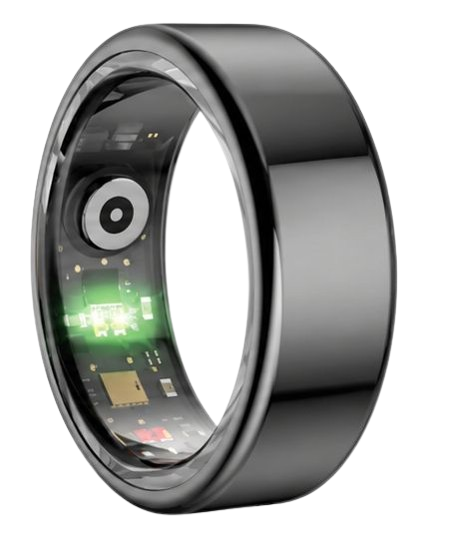
The Herz P1 Smart Ring automates this vital check entirely while you sleep, ensuring objective, clinical-grade data.
By removing human awareness from the equation, our ring delivers true baseline readings free from conscious breathing alterations.
This continuous tracking provides a seamless way to monitor your long-term lung health effortlessly.
90-Day 100% Money-Back Guarantee
“The Herz Smart Ring helps me manage stress easily. It’s accurate, stylish, and lightweight—perfect for my busy life!”
— Jennifer P. | ✔ Verified Customer
- ✓ 6-Day Battery Life
- ✓ Detailed Sleep Analysis
- ✓ Fast 1-Hour Charging
- ✓ iOS & Android Ready
Questions? Call: 1-866-479-1629
The Science of Optical Sensors and Digital Respiratory Rate Measurement

Medical technology has evolved to measure breathing without chest straps or nasal cannulas.
Modern wearables utilize multispectral photoplethysmography to detect subtle volumetric changes in blood vessels.
Every time you breathe, your heart rate undergoes a natural variation known as respiratory sinus arrhythmia.
During inhalation, your heart rate speeds up to distribute oxygenated blood quickly.
During exhalation, your heart rate slows down as carbon dioxide is expelled from your lungs.
The Herz P1 Smart Ring uses high-frequency optical sensors to capture these precise pulse rate fluctuations.
Our proprietary algorithms translate these heart rate variability shifts into accurate breath-by-breath tracking.
This method of respiratory rate measurement offers a clinical-grade alternative to manual counting.
According to the American Heart Association, tracking these micro-trends provides deep insights into autonomic nervous system balance.
If your autonomic system is stressed, your respiratory sinus arrhythmia pattern becomes shallow and disorganized.
The Herz P1 monitors these shifts every five minutes, giving you a continuous map of your physiological strain.
This constant tracking allows you to see how your body responds to work stress, exercise, and environmental factors.
Nocturnal Respiration: Decoding Your Breathing Rate While Sleeping

Your body undergoes dramatic physiological shifts as you transition through sleep stages.
During light sleep, your breathing starts to slow down and stabilize compared to waking hours.
As you enter deep slow-wave sleep, your respiration reaches its most rhythmic and steady state.
This slow-wave stage is critical for physical tissue repair and metabolic restoration.
Understanding your normal sleeping respiratory rate is vital for long-term health monitoring.
For most healthy adults, the average breaths per minute while sleeping remains between twelve and sixteen.
Our algorithms track these baseline biometrics to establish your unique nocturnal breathing signature.
During rapid eye movement sleep, your breathing patterns can become highly irregular and rapid.
This irregularity happens because your brain is actively dreaming and processing emotional memories.
The Herz P1 Smart Ring tracks these subtle variations to accurately identify your sleep stages.
Consulting a professional sleeping breathing rate guide can help you interpret these nightly shifts.
Many users wonder what is a good respiratory rate while sleeping for optimal recovery.
A good sleeping rate is one that remains stable and close to your personal historic baseline.
If you want to know how many breaths per minute is normal while sleeping, consistency is key.
An elevated rate can indicate that your body is fighting off a subclinical viral infection.
The Herz P1 app monitors your average respiration rate while sleeping to alert you to these changes.
According to the National Sleep Foundation, monitoring these biometrics can prevent severe physical burnout.
By identifying subtle respiratory spikes, you can adjust your training load and prevent chronic fatigue.
How to Read and Optimize Your Respiratory Metrics with Herz P1
Understanding your data is the first step toward active lifestyle optimization.
The Herz P1 App displays your nightly respiratory metrics in clean, easy-to-read trend graphs.
You can easily spot patterns that correlate with specific daily habits.
For example, consuming alcohol or eating heavy meals late at night will consistently elevate your sleeping respiration.
This elevation occurs because your digestive system demands more oxygen, forcing your lungs to work harder.
Similarly, intense physical training sessions can cause a temporary rise in breathing rate as muscles repair.
You can use this data to fine-tune your evening wind-down routine for maximum recovery.
If you notice your respiration is elevated, try incorporating light breathing exercises before bed.
The military-grade steel construction of the Herz P1 ensures you can wear it comfortably all night long.
Unlike bulky smartwatches that pinch your skin or sweat during sleep, our sleek smart ring is barely noticeable.
Its lightweight profile means you will never wake up with wrist fatigue or strap irritation.
You get continuous, high-fidelity tracking without sacrificing your sleep comfort.
Common Pitfalls and Hidden Costs of Wearable Trackers
Many health enthusiasts make the mistake of wearing bulky smartwatches to bed.
These heavy devices frequently shift positions during sleep, causing optical sensor misalignment.
This misalignment leads to missing data and inaccurate respiration readings.
A lightweight smart ring remains perfectly flush against your skin all night.
Another major issue in the wearable market is the hidden cost of subscriptions.
Some brands lock your historical data behind a monthly app paywall.
We believe your personal health data should belong to you completely.
The Herz P1 Smart Ring requires absolutely zero monthly fees or subscription costs.
You get full, lifetime access to every biometric trend and advanced analysis tool.
We also back our ring with a generous ninety-day money-back guarantee for complete peace of mind.
Additionally, every purchase includes a robust two-year manufacturer warranty.
This ensures your investment is fully protected against any hardware issues.
Frequently Asked Questions About Smart Rings and Biometrics
Yes, the Herz P1 features a certified IP68 waterproof rating.
This certification ensures the ring is completely protected against water entry up to one hundred and sixty-four feet.
You can safely wear the ring while swimming laps, showering, or relaxing in a hot tub.
The military-grade steel outer shell is engineered to withstand high-pressure water exposure.
Our seamless inner mold protects the internal optical sensors from any moisture damage.
The Herz P1 Smart Ring provides a highly reliable six-day battery life on a single charge.
Our engineering team utilized advanced ultra-low-power microchips to extend operational duration.
The ring can be charged from zero to one hundred percent in under one hour using the included dock.
This rapid charging allows you to top up your battery during your morning shower.
You will never have to worry about missing crucial sleep tracking data due to a dead battery.
The ring is optimized for use on your index, middle, or ring finger.
These fingers contain large blood vessels near the skin surface, which improves sensor accuracy.
We recommend wearing the ring on your non-dominant hand to minimize daily wear and tear.
The ring must fit snugly to ensure the optical sensors maintain consistent contact with your skin.
However, it should not feel overly tight or restrict your natural blood circulation.
Yes, the Herz P1 Smart Ring features seven days of secure offline data storage.
You do not need to keep your phone nearby or keep Bluetooth active throughout the day.
The ring will log your heart rate, HRV, SpO2, and respiration metrics continuously.
Once you open the companion app, all stored data will sync automatically in seconds.
This feature ensures your biometric data is preserved even when traveling without internet access.
Take Control of Your Health Journey
Accurate respiratory monitoring is your window into recovery and stress.
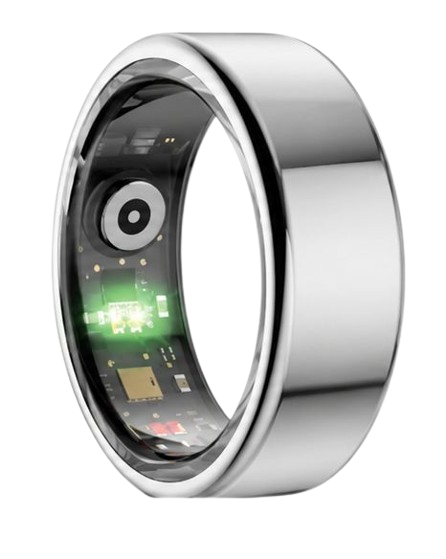
The subscription-free Herz P1 Smart Ring automates this metric with medical-grade precision.
Explore the Herz P1 Smart Ring to see how it fits your lifestyle.
Call: **1-866-479-1629** — our team will help you choose your ring size and set health goals.
