

Understanding your vital signs is the first step toward true health optimization, and proper respiratory rate measurement serves as a direct window into your autonomic nervous system. By learning how to monitor your breathing patterns, you can catch early signs of stress, fatigue, and recovery imbalances before they disrupt your life. Our team at Herz P1 has put together this ultimate guide to help you master this critical biometric effortlessly.
Built to Last. Save Up to 69% Today.
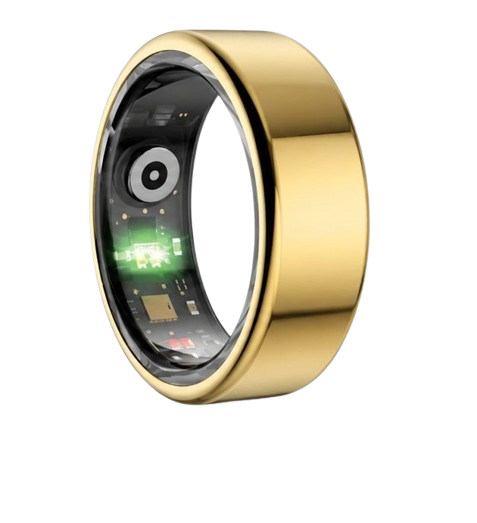
The Herz P1 Smart Ring tracks HRV, Sleep, Heart Rate & SpO2 around the clock. No subscriptions. No renewals. Ever.
In This Article
- Step-by-Step Instructions: How to count your respiration rate manually with pinpoint accuracy.
- Scientific Insights: The close relationship between heart rate and respiratory rate metrics.
- Sleep Dynamics: Understanding your average sleeping respiratory rate and what anomalies mean.
- Smart Automation: How wearable sensors eliminate manual errors for seamless 24/7 wellness tracking.
How to Measure and Count Your Respiratory Rate: A Step-by-Step Manual Guide
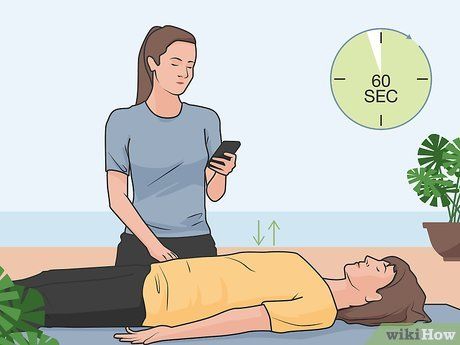
To accurately perform a manual respiratory rate measurement, you do not need complex medical equipment.
You only need a quiet environment, a stopwatch, and a comfortable place to sit or lie down.
Knowing how to measure breathing rate is a fundamental health-tracking skill that serves as your immediate baseline.
Prerequisites / What You’ll Need
Before you begin, ensure you have rested quietly in a seated position for at least 10 minutes.
Avoid caffeine, vigorous exercise, or stressful activities for at least 30 minutes before taking a measurement.
You will need a phone timer or a watch with a clear second hand to keep precise track of time.
-
Step 1: Find a Relaxed Position
Sit upright in a supportive chair or lie flat on a comfortable bed.
Keep your hands loose and rest them gently on your thighs or upper abdomen.
Close your eyes for a moment to let your natural breathing rhythm stabilize without any conscious control.
-
Step 2: Locate Your Breathing Markers
Place one hand flat against your chest or upper abdomen to feel the rise and fall.
If you are measuring someone else, simply observe the physical movement of their chest cavity.
Avoid staring directly at their face to prevent them from altering their breath unconsciously.
-
Step 3: Start Your Timer
Set your stopwatch or look closely at the second hand on your analog watch.
Wait until the second hand reaches the 12 o’clock position to begin counting easily.
Ensure you are breathing normally without trying to take deeper or shallower breaths than usual.
-
Step 4: Count the Respiratory Cycles
Begin counting “one” at the peak of the first chest rise and follow it through the full exhalation.
Count only full cycles, where one cycle equals one inhalation combined with one exhalation.
Keep counting for a full 60 seconds to ensure the most accurate result and to account for minor fluctuations.
-
Step 5: Document and Interpret Your Results
Write down your final number, which represents your breaths per minute (BPM).
A normal resting respiratory rate for healthy adults typically ranges from 12 to 20 breaths per minute.
Note down any physical sensations you felt during the test, such as mild shortness of breath or anxiety.
While manual respiratory rate counting is highly effective, it only provides a single snapshot in time.
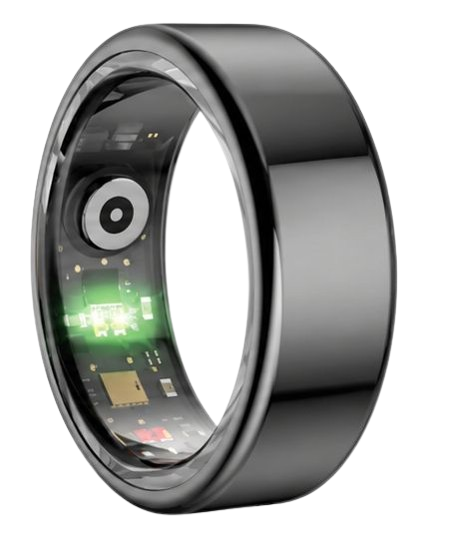
The Herz P1 Smart Ring automates this entire process by monitoring your biometric signals continuously while you sleep.
This provides a comprehensive view of your cardiorespiratory health without requiring you to watch a clock.
To experience the ease of automated health monitoring with zero subscription fees, explore the Herz P1 Smart Ring today.
90-Day 100% Money-Back Guarantee
“The Herz Smart Ring helps me manage stress easily. It’s accurate, stylish, and lightweight—perfect for my busy life!”
— Jennifer P. | ✔ Verified Customer
- ✓ 6-Day Battery Life
- ✓ Detailed Sleep Analysis
- ✓ Fast 1-Hour Charging
- ✓ iOS & Android Ready
Questions? Call: 1-866-479-1629
The Science of Nocturnal Breathing and Cardiorespiratory Vitals

Your body undergoes a complete physiological reset while you sleep, which makes night tracking incredibly valuable.
The autonomic nervous system transitions from a sympathetic “fight or flight” state to a parasympathetic “rest and digest” state.
This transition causes your blood pressure to drop, your muscles to relax, and your respiration rates to stabilize.
Tracking your average sleeping respiratory rate acts as an early warning system for physical strain.
During the night, your breathing patterns are heavily influenced by your current sleep architecture.
In deep slow-wave sleep, your breathing rate becomes highly regular, slow, and predictable.
In contrast, during Rapid Eye Movement (REM) sleep, your respiration rates fluctuate as your brain processes dreams.
Understanding these subtle fluctuations is crucial for identifying underlying health trends over time.
Medical guidelines from the American Heart Association emphasize the strong physiological link between your lungs and your heart.
Your resting respiration pulse rate and oxygen levels (SpO2) are closely intertwined to maintain cellular equilibrium.
If your body experiences mild oxygen deprivation, your brain signals your lungs to increase breathing frequency.
This close cardiorespiratory loop is exactly what high-precision smart wearables monitor continuously.
Decoding Respiratory Rate Trends: Highs, Lows, and What They Mean

Biometric trends can vary widely based on your immediate lifestyle habits, hydration levels, and daily stress.
A sudden change in your typical patterns can indicate that your body is working harder to recover.
For example, noticing a high respiratory rate while sleeping often points to an active immune response.
It can also be caused by late-night alcohol consumption, intense training sessions, or sleeping in a warm room.
By comparing your resting heart rate to your breathing rate, you can get a clearer picture of your recovery.
If both metrics are elevated, it usually means your sympathetic nervous system is still highly active.
On the other hand, noticing a low breathing rate while sleeping is typically a sign of deep cardiorespiratory rest.
However, an unusually low rate could also suggest a need to assess your sleep environment or overall fatigue levels.
Our team at Herz P1 has analyzed nocturnal data across thousands of active users to understand these trends.
We found that consistent tracking helps users establish their unique personal baselines over a 14-day period.
Once you know your baseline, identifying anomalies becomes simple, intuitive, and highly actionable.
Instead of guessing why you feel tired, you can rely on clear biometric trends to guide your lifestyle choices.
Advanced Biometric Data: The Connection Between Respiration and HRV
Your heart and lungs do not work in isolation; they are synchronized through a process called Respiratory Sinus Arrhythmia.
You might have noticed that your heartbeat faster when breathing in and slows down when you breathe out.
This natural phenomenon is a key indicator of a healthy, adaptive autonomic nervous system.
By measuring this variance, smart devices can calculate your Heart Rate Variability (HRV) with incredible precision.
Analyzing your respiratory heart rate patterns can help you optimize your daily workouts and recovery times.
When your body is fully recovered, your HRV remains high, and your breathing rates stay perfectly within your normal limits.
If you are overtraining, your HRV will drop, and your resting respiratory rate may increase slightly.
By tracking these subtle shifts, you can avoid fatigue and schedule your high-intensity workouts more effectively.
Practical Guide to Tracking Your Breathing Rate with the Herz P1 App
The Herz P1 App makes tracking your daily vital signs simple, intuitive, and highly accessible.
Every morning, the app provides a detailed breakdown of your sleep stages, average heart rate, and overnight respiration.
You can view interactive trend graphs that display your weekly and monthly physiological baselines at a glance.
This allows you to see exactly how lifestyle changes, like meditation or improved hydration, impact your body.
One of the biggest advantages of the Herz P1 Smart Ring is its commitment to transparency.
Unlike other options on the market, our app is completely free for life with no monthly subscription fees.
You get full, unlimited access to your data, AI-generated insights, and cycle-tracking features forever.
This ensures you can focus entirely on improving your health without worrying about hidden ongoing costs.
The Pitfalls of Traditional Wearables and Why Form Factor Matters
Many health-conscious individuals struggle to track their biometric data consistently due to uncomfortable devices.
Wearing a bulky, heavy smartwatch to bed can disrupt your sleep and cause skin irritation.
If the watch shifts during the night, the optical sensors can lose contact with your skin, leading to inaccurate results.
This can result in missing or highly inconsistent data on your sleep quality dashboard.
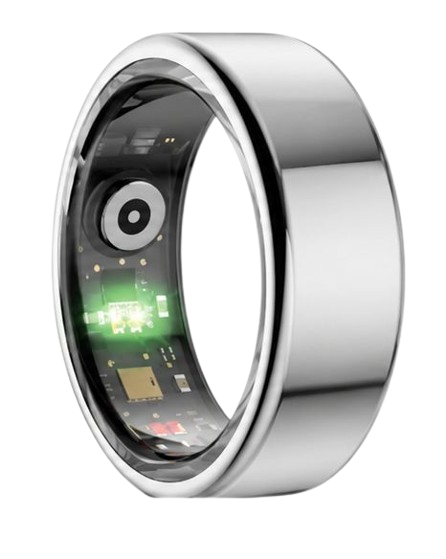
The Herz P1 Smart Ring solves this problem by packing advanced multispectral sensors into a slim, lightweight ring.
Crafted from military-grade steel, it is designed to withstand daily wear and tear while remaining incredibly comfortable.
Because the skin at the base of your finger is rich in blood vessels, the optical sensors can read your vitals with high accuracy.
This ensures you get reliable, continuous data throughout the night without even realizing you are wearing it.
Comparing Daily Tracking Options
When choosing a health-tracking device, it is important to consider comfort, accuracy, and long-term costs.
The table below highlights the differences between manual tracking, smartwatches, and the Herz P1 Smart Ring.
| Tracking Metric | Manual Counting | Traditional Smartwatch | Herz P1 Smart Ring |
|---|---|---|---|
| Tracking Frequency | Manual snapshot only | Periodic or continuous | Continuous 24/7 automation |
| Comfort & Usability | Requires focused effort | Bulky, hard to wear during sleep | Ultra-lightweight, 3.5g sleek design |
| Ongoing App Costs | Free | Varies (often requires subscription) | Zero monthly fees (Free for life) |
| Nocturnal Data Quality | Not possible manually | Prone to movement errors | High-precision finger PPG sensors |
| Device Durability | N/A | Vulnerable glass screens | Military-grade steel, IP68 Waterproof |
Frequently Asked Questions (FAQ)
Yes, the Herz P1 is fully IP68 waterproof and rated for depths up to 164 feet (50 meters).
You can confidently wear it while washing your hands, showering, swimming, or working out in the rain.
The outer shell is completely sealed to protect the advanced sensor array from moisture and dust.
The Herz P1 features a long-lasting battery that provides up to 6 days of continuous monitoring.
It charges from 0% to 100% in under 1 hour using the included magnetic charging dock.
This allows you to track your sleep and daily activity with minimal charging interruptions.
For the most accurate biometric readings, we recommend wearing the ring on your index, middle, or ring finger.
Ensure the ring fits snugly but comfortably without rotating too easily during physical activity.
The non-dominant hand is often preferred as it experiences fewer daily impacts and repetitive movements.
Yes, the smart ring features built-in storage that can hold up to 7 days of detailed tracking data offline.
You do not need to keep your phone nearby or connected to Bluetooth continuously.
The next time you open the Herz P1 App, all your offline data will sync automatically and securely.
A typical resting respiratory rate for healthy adults is between 12 and 20 breaths per minute.
This baseline can vary slightly based on your fitness level, age, and general wellness habits.
Continuous tracking helps you identify your personal normal range and recognize any sudden changes.
Conclusion
Monitoring your daily vital signs provides the exact physical data you need to optimize your health, activity, and recovery patterns.
With its durable, lightweight design and lifetime free app, the Herz P1 is your perfect wellness companion.
Ready to monitor your health every day? Explore the Herz P1 Smart Ring and see if it fits your lifestyle. Call: 1-866-479-1629 — our team can help you advise on the correct ring size and set personalized health goals.
Note: Individual results may vary depending on individual health conditions, age, and lifestyle habits. This article is intended for general health reference purposes only.
