

Why Do You Wake Up Exhausted? Understanding Periodic Limb Movement Disorder and PLMD
Are you constantly waking up with unexplained fatigue, brain fog, or a lingering sense of non-restorative sleep despite spending eight hours in bed? You might be experiencing periodic limb movement disorder. Let’s look at how micro-movements disrupt your sleep architecture and how screen-free biometric tracking can help you reclaim your daily recovery.
Take Back Your Sleep.
Take Back Your Life.
- Fall asleep faster & sleep deeper
- Stop waking up in the middle of the night
- Wake up refreshed & full of energy
Key Highlights
- Unexplained 3 AM awakenings and daytime fatigue are often linked to involuntary limb movement in sleep.
- Tracking sleep stages and Heart Rate Variability (HRV) offers crucial clues to how movement disrupts recovery.
- Knowing standard clinical options for plmd treatment helps you have informed conversations with medical experts.
- Lightweight, screen-free wearable technology tracks overnight recovery without distracting blue light.
What Is Periodic Limb Movement Disorder and How Does It Ruin Your Sleep?
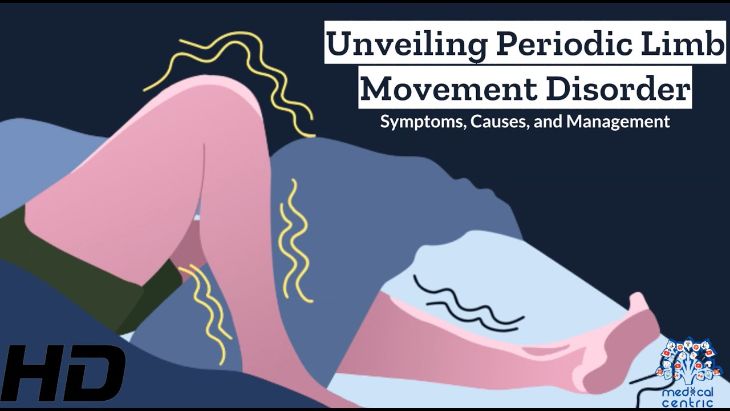
Yes, involuntary twitching can completely destroy your sleep quality. The short answer is that periodic leg movement disorder symptoms involve repetitive, cramping, or jerking movements of the lower limbs every 20 to 40 seconds during sleep. However, to choose the right wellness management strategy, you need to understand how these repetitive micro-arousals fracture your sleep stages and prevent you from entering deep recovery.
In This Guide:
For those navigating the frustrating path of periodic limb movement disorder, the night is far from peaceful. You go to bed hoping for rest, but instead, your body engages in a series of involuntary physical micro-events. Unlike simple sleep talking or turning over, periodic limb movement disorder is characterized by highly structured, repetitive movements—most commonly in the lower legs—occurring during non-REM sleep. These repetitive jerks, flexes, or twitches are known medically as periodic limb movements.
In the scientific literature, periodic limb movement disorder (PLMD) is classified as a neurological sleep-related movement disorder. The primary issue isn’t always that you wake up fully conscious at 3 AM with a racing mind, though that certainly happens. Rather, the danger lies in “micro-arousals.” Every time your legs twitch or flex, your brain is jolted out of Deep or REM sleep back into Light sleep. You don’t remember these hundreds of mini-awakenings, but your nervous system does. Consequently, you wake up feeling utterly depleted, plagued by brain fog and a persistent sense of non-restorative sleep.
Research suggests that periodic limb movement disorder is closely tied to the central nervous system’s dopamine pathways and iron regulation. When dopamine signaling is disrupted, the motor systems in the spinal cord and brain lack the proper inhibitory controls, leading to repetitive muscle contractions. This constant physical arousal triggers a spike in your sympathetic nervous system (your “fight-or-flight” response), causing a sudden drop in Heart Rate Variability (HRV) and preventing your cardiovascular system from entering its restorative, parasympathetic state.
When to Track Your Recovery (And When to Seek a Doctor)
Tracking your physical markers is incredibly valuable when you want to objectively understand why your lifestyle adjustments aren’t working. If you feel constantly exhausted, tracking your sleep stages, resting heart rate, and nightly HRV trends can show you exactly how fragmented your sleep architecture is. However, a consumer biometric tracker is not a medical diagnostic tool. If you experience severe, painful muscle spasms, or if your sleep disruptions are severely affecting your mental health or daytime safety, you should consult a sleep specialist for a formal polysomnography (sleep study).
Suggested Solutions & Holistic Habits
While you work with a professional to address the root causes of periodic limb movement disorder, several daily lifestyle shifts can support your nervous system:
- Optimize Iron and Magnesium Intake: Low iron levels are a primary driver of dopamine dysfunction. Magnesium bisglycinate can also support healthy muscle relaxation.
- Establish a Screen-Free Wind-Down: Blue light from phones and smartwatches overstimulates the brain, exacerbating motor excitability before sleep.
- Adopt a Screen-Free Biometric Tracker: To monitor if these changes are improving your deep sleep and HRV, we highly recommend the Herz P1 Smart Ring. Its lightweight titanium design fits comfortably on your finger, allowing you to track your recovery score without the distracting glow or bulk of a smartwatch.
Frequently Asked Questions About PLMD
Q: How do I know if I have periodic limb movement disorder?
A: Since these movements occur while you are asleep, you may only realize you have it if a bed partner complains of being kicked, or if you notice unexplained daytime fatigue, frequent awakenings, or poor recovery scores on your wearable tracker.
Q: What triggers periodic limb movement disorder to flare up?
A: Common triggers include caffeine, alcohol, high stress levels, sleep deprivation, and certain medications like traditional antidepressants or antihistamines.
Q: Can a smart ring diagnose periodic limb movement disorder?
A: No, only a medical sleep study can officially diagnose PLMD. However, a smart ring can help you monitor periodic limb activity impacts by highlighting sudden drops in sleep efficiency, fragmented deep sleep, and spikes in nightly heart rate.
Restless Legs Syndrome vs. Periodic Leg Movement Disorder: Clearing the Confusion

It is incredibly common to confuse restless legs syndrome (RLS) with periodic leg movement disorder impacts, but they are distinct physiological experiences. Restless legs syndrome is a sensory-motor disorder characterized by an irresistible urge to move your legs, usually accompanied by uncomfortable sensations like crawling, pulling, or itching. These symptoms occur while you are awake, typically in the evening when you are trying to wind down, creating a state of physical and mental restlessness.
Conversely, periodic limb movement disorder is an involuntary motor disorder that occurs strictly while you are asleep. You have no conscious control over these rhythmic movements, and you are usually completely unaware they are happening. While up to 80-90% of individuals with restless legs syndrome also experience periodic limb movement disorder during the night, many people suffer from periodic leg movement disorder without ever experiencing RLS symptoms during the day.
Key Biometric Markers to Monitor:
- Heart Rate Variability (HRV): Sudden drops in HRV during the night can indicate autonomic nervous system arousal caused by involuntary limb movement.
- Sleep Architecture: Frequent, unexplained transitions from Deep Sleep to Light Sleep or brief awakenings.
- Daily Recovery Score: A synthesized index showing whether your nervous system has fully recharged.
Living with untreated periodic limb movement disorder takes a severe toll on your psychological well-being. Because you are technically “asleep” for seven or eight hours, you might not understand why you feel like you are running a marathon overnight. This disconnect leads to profound frustration; you try adjusting your diet, buying expensive pillows, or cutting out caffeine, yet the morning brain fog remains. Over time, this chronic non-restorative sleep can lead to mood disturbances, increased anxiety, and a feeling of complete helplessness.
Furthermore, the physical toll of constant sleep fragmentation is significant. During deep sleep, your body repairs tissues, releases growth hormones, and clears metabolic waste from the brain. When periodic limb movement disorder repeatedly drags you out of these restorative stages, your nervous system remains under constant, low-level stress. This is why tracking your systemic recovery through metrics like Heart Rate Variability (HRV) is so eye-opening—it finally gives you the data to validate why you feel the way you do.
Navigating Clinical Options and Optimizing Recovery Safely

If you suspect that periodic limb movement disorder is behind your chronic exhaustion, it is helpful to understand the standard clinical pathways your healthcare provider might explore. When looking into standard plmd treatment guidelines, doctors typically start by testing your serum ferritin (iron) levels. Because iron is a vital cofactor in dopamine production, addressing iron deficiencies is often the first step in managing involuntary limb movement in sleep.
In more severe cases, sleep specialists may discuss pharmacological strategies. These can include dopamine agonists to regulate movement pathways, or alpha-2-delta ligands (such as gabapentin) to help calm hyperactive nerve signaling and improve deep sleep quality. While these options require careful medical supervision, tracking your sleep trends on a daily basis allows you to observe how these adjustments positively impact your overall sleep stages, resting heart rate, and waking recovery scores.
This disruption of sleep architecture is a classic example of a sleep disturbance often categorized under the umbrella of dyssomnia, where the quality, amount, or timing of sleep is chronically impaired. When your body is fighting involuntary movements all night, it becomes impossible to establish a natural circadian rhythm. This is why having reliable, continuous data is so critical for making informed choices about your health.
Unlock Screen-Free Recovery Insights
The Herz P1 Smart Ring offers medical-grade biometric sensors wrapped in a sleek titanium band. No screens, no glowing distractions, and absolutely no subscription fees. Just simple, elegant sleep and recovery data delivered straight to your app when you wake up.
For many people, the operational hurdles of modern sleep trackers are a major deterrent. Heavy smartwatches are uncomfortable to sleep in, require daily charging, and feature bright screens that flash notifications at 3 AM, keeping your mind racing. This defeats the entire purpose of sleep hygiene. You don’t need more screen time; you need a screen-free, lightweight tracking method that feels virtually invisible on your finger.
The Herz P1 Smart Ring solves this beautifully. Crafted from aerospace-grade titanium, it sits weightlessly on your finger, collecting continuous biometric data without any glowing lights or intrusive screens. By measuring your heart rate, skin temperature, sleep stages (REM, Deep, Light), and HRV, it translates complex biometric algorithms into a single, intuitive Daily Recovery Score. This allows you to easily see if lifestyle changes, such as cutting caffeine or taking magnesium, are helping to reduce the systemic impact of periodic limb movement disorder.
Moreover, the Herz P1 operates on a completely subscription-free model. Unlike many competitors that lock your own biological data behind a paywall, you buy the ring once and own your data forever. It’s an elegant, transparent solution designed for health-conscious individuals who want to reclaim their physical and mental energy without the clutter of extra screens or hidden monthly fees.
Ultimately, managing periodic limb movement disorder requires a patient, multi-faceted approach. By combining proper medical guidance with healthy sleep hygiene and continuous, screen-free biometric tracking, you can finally uncover the patterns behind your fatigue. Don’t let silent night-time movements dictate your daytime vitality. Take control of your recovery, understand your body’s unique rhythms, and start waking up feeling truly refreshed.
Disclaimer: Results may vary depending on individual physical activity levels, unique health conditions, and daily tracking patterns. The Herz P1 Smart Ring is a wellness tracking device designed to offer data-informed trends and support general recovery. It does not diagnose, treat, or cure medical conditions, including periodic limb movement disorder or restless legs syndrome. Always consult a qualified medical professional for clinical diagnosis or treatment options.
