

Understanding what causes body temp to drop is crucial for maintaining daily thermal wellness and metabolic health. Our team at Team Herz P1 designed the Herz P1 Smart Ring to continuously track these subtle thermal shifts and baseline metrics. Recent clinical research indicates that monitoring sleep-time temperature fluctuations helps identify early physical strain with high accuracy. This guide will solve your cold-extremity struggles and explain how to optimize your physiological recovery.
In This Article
- Thermal Recovery Guide: A clinical, step-by-step action plan to re-warm your body safely.
- Circadian Sleep Architecture: The relationship between melatonin, deep rest, and nightly temperature dives.
- Medical and Environmental Root Causes: Identifying why your baseline core temperature is dropping.
- Smart Recovery Application: How to track daily trends and improve circulation with Herz P1.
How to Re-Warm Your Body and Maintain Thermal Balance: A Step-by-Step Guide
Prerequisites / What You’ll Need
To begin this physical re-warming protocol, prepare a few simple, health-promoting tools.
You will need comfortable, layered clothing made of breathable natural fibers.
Have a warm, non-caffeinated beverage on hand, such as herbal ginger or chamomile tea.
Finally, utilize a reliable physical biometric tracker to monitor your systemic warming response.
-
Step 1: Assess Your Environment and Apply Layering
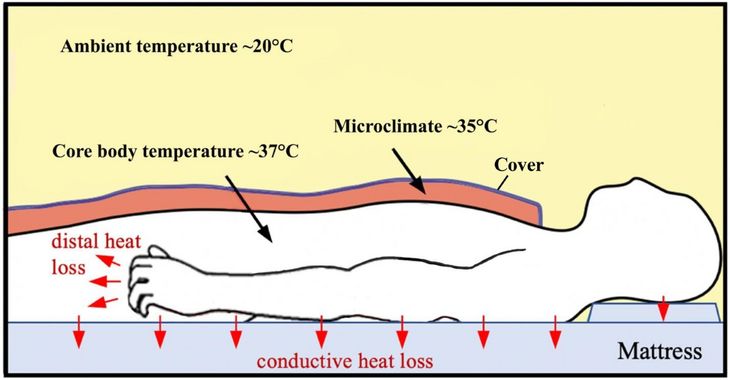
Cold ambient air is a primary factor in varying body temperature.
You must immediately insulate your core to prevent further radiant heat loss.
Add a high-quality wool, fleece, or heavy cotton mid-layer to trap your natural body heat.
Pay special attention to your feet and hands by putting on thick, insulated socks and gloves.
Avoid tight clothing that restricts blood circulation, as restricted flow can make your limbs feel colder.
Ensure your head is covered with a soft hat if you are in a particularly drafty room.
By securing your core first, your body can stop diverting blood away from your extremities.
-
Step 2: Hydrate with Warm, Non-Caffeinated Fluids
Consuming warm liquids helps transfer heat directly to your internal organs.
Select herbal teas, warm water, or organic broth instead of coffee or energy drinks.
Caffeine acts as a vasoconstrictor, which can limit blood flow to your extremities and worsen shivering.
Drink slowly to allow your digestive tract to absorb the heat and distribute it through your bloodstream.
This internal warming mechanism helps stabilize a dropping core body temperature.
Warm liquids also help to rehydrate you, which is essential for healthy metabolic function.
Avoid very hot liquids that can burn your mouth, as physical pain can trigger an unwanted stress response.
-
Step 3: Engage in Controlled, Low-Impact Movement
Muscular contraction is one of the most efficient ways to generate metabolic heat.
Perform gentle exercises like bodyweight squats, arm circles, or brisk walking.
Avoid high-intensity workouts that cause excessive sweating, because wet skin will cool down rapidly.
Keep your movement consistent for five to ten minutes until you feel a gentle warmth returning to your torso.
Stop immediately if you feel dizzy, short of breath, or physically exhausted.
Gentle movement helps pump oxygenated blood back into cold fingers and toes.
This physical activation serves as an immediate, natural internal heater.
-
Step 4: Practice Deep, Diaphragmatic Breathing
Slow, deep breaths help stimulate your parasympathetic nervous system and improve cardiovascular circulation.
Inhale deeply through your nose for four seconds, hold for four seconds, and exhale slowly through your mouth.
This pattern helps dilate peripheral blood vessels, allowing warm blood to flow more freely to your cold fingers and toes.
Enhanced blood flow is vital for resolving sudden hot and cold body temperature swings.
Perform this breathing exercise in a quiet, comfortable seated position.
As your stress hormones decrease, your peripheral body temperature will naturally stabilize.
Mindful breathing is a powerful, science-backed tool for physical thermal control.
-
Step 5: Track Your Thermal Recovery and Baseline Patterns
You need to ensure that your re-warming efforts are translating into stable biometric metrics.
A sudden drop or spike in your skin temperature can indicate physical strain or an oncoming illness.
Consistently check your daily temperature readings to understand your normal personal baselines.
If your temperature remains low despite external warming efforts, consult a healthcare professional.
Consistent tracking prevents you from ignoring subtle warning signs of physiological stress.
Use a reliable wearable tracker that monitors your physical trends without causing sleep discomfort.
Recognizing patterns early protects you from unexpected energy crashes and recovery deficits.
Enhancing Your Thermal Recovery with Herz P1
The Herz P1 Smart Ring makes tracking this thermal recovery process completely effortless.
Unlike bulky smartwatches that are uncomfortable to wear during rest, our military-grade steel smart ring sits snugly at the base of your finger.
The ring’s multi-wavelength optical sensors monitor your physiological temp, heart rate, and HRV around the clock.
By syncing the ring with our completely free mobile app, you can review precise, subscription-free data trends.
Explore the Herz P1 Smart Ring today to start monitoring your thermal wellness with scientific precision.
Why Does Body Temperature Drop During Sleep and Circadian Cycles?
Have you ever wondered why your limbs feel cold or why you shiver in the middle of the night?
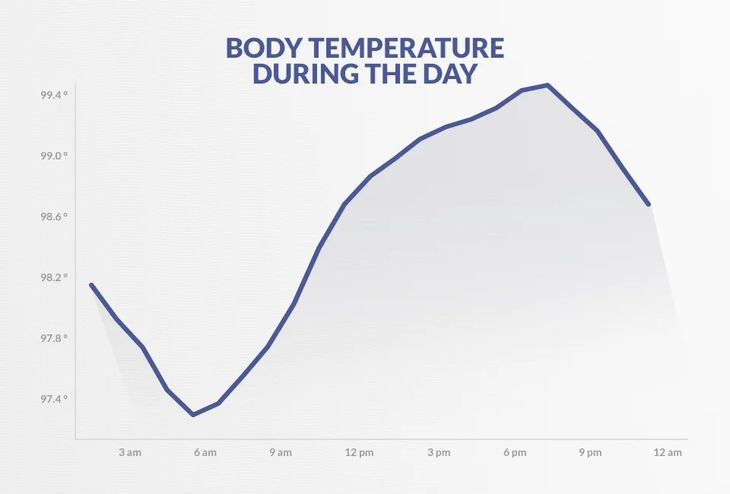
Your body operates on a strict 24-hour internal clock known as the circadian rhythm.
This clock regulates hormone production, heart rate, and metabolic activity.
It is completely natural that your does body temp drop while sleeping.
In fact, a dropping temperature is a biological signal that tells your brain it is time to rest.
As you transition into deeper sleep stages, your brain’s hypothalamus lowers its temperature set point.
This process helps conserve vital energy and facilitates deep cellular recovery.
According to the National Sleep Foundation, your core body heat typically reaches its lowest point around 4:00 AM.
If you experience a sudden wake-up during this window, you will likely feel intensely cold.
However, an irregular body temperature that falls too low can severely disrupt your sleep architecture.
If your bedroom is too cold, your body might struggle to transition into highly restorative deep sleep.
Conversely, you might wonder, does body temperature rise at night under certain conditions?
Yes, late-night meals, alcohol consumption, or intense evening workouts can cause an abnormal thermal spike.
These fluctuations disrupt your recovery and lower your overnight Heart Rate Variability (HRV) scores.
The hypothermic dive during REM and deep sleep must be gentle and predictable.
A sudden drop below your typical baseline can indicate a thermal mismatch in your room or physical overtraining.
By understanding these circadian rhythms, you can make smarter adjustments to your sleep hygiene.
Maintaining a stable bedroom environment between 65 and 68 degrees Fahrenheit is highly recommended.
This temperature range supports your natural biological cooling without triggering a cold-defense response like shivering.
During the late afternoon, your body temperature peaks as metabolic activity reaches its daily high.
As evening approaches, your pineal gland begins secreting melatonin, a hormone critical for sleep initiation.
Melatonin triggers peripheral vasodilation, which is the widening of blood vessels in your skin.
This widening allows heat to escape from your core to your hands, feet, and outer skin.
Consequently, your skin temperature rises while your internal core temperature drops.
This core cooling is a necessary physiological prerequisite for entering deep sleep.
If your body cannot cool down, your brain will struggle to initiate the deep, slow-wave sleep stages.
Deep sleep is when your body repairs muscle tissue, releases growth hormones, and strengthens your immune system.
During REM (Rapid Eye Movement) sleep, your body temporarily loses its ability to actively regulate temperature.
In this stage, you become highly sensitive to the ambient temperature of your bedroom.
A bedroom that is too hot or too cold can wake you from REM sleep, causing vivid dreams or daytime grogginess.
Tracking these subtle sleep-time variations is essential for understanding your sleep hygiene.
The Herz P1 Smart Ring measures these micro-fluctuations using its high-precision thermal sensors.
By identifying nights where your temperature plummeted below normal, you can adjust your blankets or thermostat.
This data-driven approach removes the guesswork from optimizing your sleep environment.
You will wake up feeling refreshed and energized instead of cold and fatigued.
Medical and Environmental Triggers: What Causes Body Temp to Drop?
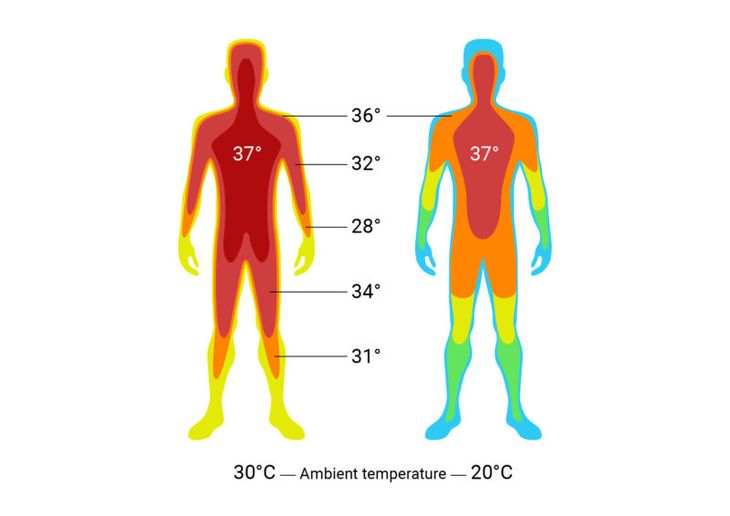
While circadian fluctuations are normal, certain physiological conditions can cause abnormal thermal drops.
Understanding the underlying causes of low body temperature is the first step toward effective wellness management.
One major physiological cause is hypothyroidism, a condition where your thyroid gland produces insufficient hormones.
The thyroid acts as your body’s metabolic thermostat, and a sluggish thyroid slows down heat production.
Another common culprit is poor peripheral circulation.
When your blood vessels constrict excessively, warm blood cannot reach your hands and feet.
This condition is often exacerbated by high daily stress levels and elevated cortisol production.
Nutritional deficiencies, particularly low iron or vitamin B12 levels, also impair your body’s heat-generation capacity.
Anemia reduces the oxygen-carrying capacity of your blood, leading to chronic coldness.
Environmental factors, such as prolonged exposure to cold drafts or wet clothing, can rapidly drain your physical heat.
Additionally, certain medications like beta-blockers can lower your heart rate and reduce metabolic warmth.
If you frequently suffer from body temperature drops at night, it is important to analyze these potential triggers.
Using a smart tracker allows you to correlate your temperature data with your daily diet, stress, and sleep habits.
This objective data takes the guesswork out of managing your health.
Low body temperature can also be linked to blood sugar fluctuations and poor metabolic flexibility.
When your cells cannot efficiently burn glucose or fats for fuel, your internal heat generation drops.
Dehydration is another surprising trigger, as water is required to maintain a stable blood volume and heat distribution.
By identifying these root causes, you can take deliberate steps to restore your physical vitality and comfort.
When evaluating what causes body temp to drop, we must look closely at vascular health.
A condition known as Raynaud’s phenomenon causes blood vessels in the fingers and toes to spasm.
This spasm severely limits blood flow, causing the skin to turn white or blue and feel extremely cold.
Even without Raynaud’s, chronic high stress can trigger a prolonged state of vasoconstriction.
When you are stressed, your sympathetic nervous system diverts warm blood to your major organs, leaving your limbs cold.
Low blood pressure can also reduce the rate at which warm blood circulates through your extremities.
Metabolic health plays a massive role in thermoregulation as well.
Insulin resistance and poor metabolic flexibility impair your cells’ ability to convert food into thermal energy.
When your mitochondria cannot generate heat efficiently, your baseline body temperature drops.
Nutritional status is another vital piece of the thermoregulation puzzle.
A lack of healthy fats in your diet can reduce your body’s natural insulation and hormone production.
Additionally, chronic sleep deprivation impairs the hypothalamus, making temperature regulation highly erratic.
Aging also naturally slows down your metabolic rate, making older adults more susceptible to low temperatures.
By monitoring your skin temperature trends, you can detect these physiological changes early.
The Herz P1 Smart Ring logs these subtle shifts every five minutes, creating a detailed health map.
This continuous logging helps you see exactly how dietary and lifestyle adjustments improve your thermal wellness.
Analyzing Your Thermal Data: Practical Lifestyle Tips with Herz P1
How do you translate biometric data into daily lifestyle improvements?
The Herz P1 Smart Ring continuously monitors your skin temperature, providing clear trends in the free companion app.
When you wake up, open the app to view your consolidated overnight sleep and recovery score.
If you notice your temperature was lower than your baseline, consider adjusting your bedding.
You can also use this data to plan your daily physical activity.
A lower-than-normal temperature paired with a low HRV score suggests that your body is still recovering from physical strain.
On these days, opt for a light walk or a gentle yoga session instead of heavy weightlifting.
If your metrics are optimal, you can confidently push yourself through a high-intensity workout.
Our ring’s military-grade steel construction ensures it remains highly durable during active gym sessions.
Because it weighs only a few grams, you will completely forget you are wearing it.
This lightweight comfort allows for seamless 24/7 wearability, capturing high-integrity data.
Over time, these daily adjustments will help you build a highly resilient metabolism and sleep cycle.
The app also displays historical weekly and monthly trends to help you identify seasonal shifts.
During colder months, you can track how your body adapts to the changing climate.
By watching these trends, you will learn exactly how your body responds to dietary and lifestyle changes.
Taking charge of your wellness has never been this simple and intuitive.
A rise or fall in skin temperature is often the very first sign of an oncoming immune response.
When your body fights off a virus, it typically raises its internal temperature to kill pathogens.
This shift registers as an elevation in your baseline skin temperature readings on the Herz P1 App.
Conversely, a sudden, unexplained drop can indicate physical exhaustion or systemic fatigue.
If you see a downward trend over three consecutive days, your body is pleading for rest.
Use this warning to schedule an early bedtime and prioritize deep hydration.
You can also track how different dinner times affect your overnight body temperature.
Eating a heavy meal close to bedtime forces your digestive system to work overtime, keeping your temperature high.
This prevents your core from cooling down and reduces your overall sleep quality.
By moving your dinner two hours earlier, you will notice a faster overnight temperature drop in your app.
This faster drop leads to a higher recovery score and improved morning alertness.
The ring’s multi-sensor array works silently in the background, transforming raw biological data into clear guidance.
You do not need to be a data scientist to understand your daily wellness patterns.
Our intuitive app does all the heavy lifting, delivering personalized insights straight to your phone.
Avoiding Common Biometric Pitfalls: Bulky Trackers and Hidden Fees
Many health-conscious individuals make the mistake of wearing bulky smartwatches to bed.
These large devices frequently shift during sleep, leading to highly inaccurate sensor readings.
A loose watch sensor cannot maintain the consistent skin contact required to measure minor temperature variations.
Furthermore, many smartwatches require daily charging, which forces you to miss out on overnight data collection.
Another major frustration in the wearable market is the burden of ongoing monthly subscriptions.
Some brands lock your raw biometric data behind expensive app paywalls.
At Team Herz P1, we believe your personal health data should always belong to you.
The Herz P1 Smart Ring requires absolutely no monthly subscription fees or hidden renewals.
Our app is completely free for a lifetime, providing unlimited access to all of your health metrics.
Additionally, the ring is protected by a premium 2-year warranty and a military-grade steel exterior.
This robust build ensures your tracker survives accidental drops, daily chores, and high-pressure workouts.
Making the switch to a smart ring protects both your wrist comfort and your long-term budget.
You deserve a tracking device that works for you without hidden, compounding costs.
Invest in a hardware companion that respects your financial freedom and delivers medical-grade accuracy.
Choosing the right wearable is about finding a balance between comfort, durability, and accuracy.
Many smartwatches are made of fragile plastics that scratch easily during everyday chores.
In contrast, the Herz P1 Smart Ring is built from military-grade steel that resists scratches and impacts.
You can wear it confidently while working with tools, gardening, or washing dishes.
Its IP68 waterproof rating means you never have to take it off in wet environments.
Bulky smartwatches also tend to trap sweat and moisture against your skin, causing irritation.
The sleek, hypoallergenic design of the Herz P1 prevents skin rashes and allows your skin to breathe.
Because the ring sits on your finger, it captures biometric data from a much stronger arterial source.
The capillary network in your fingers is much denser than the blood vessels in your wrist.
This anatomical advantage allows our ring to achieve superior heart rate and temperature accuracy.
You get highly reliable data without the discomfort of a tight, sweaty wristband.
Additionally, you avoid the frustrating loop of charging your device every single night.
The Herz P1 charges in less than an hour, giving you six full days of uninterrupted monitoring.
This seamless experience is why thousands of users have switched from bulky watches to our smart ring.
Frequently Asked Questions About Body Temperature and the Herz P1
Is the Herz P1 Smart Ring waterproof?
Yes, the Herz P1 features a certified IP68 waterproof rating.
It can withstand water submersion up to 164 feet (50 meters) without any damage.
You can safely wear it while washing your hands, taking hot showers, or swimming in a pool.
The military-grade steel outer shell completely seals the sensitive optical sensors from moisture.
There is no need to remove the ring during your daily routine or wet outdoor adventures.
Whether you are sweating in a sauna or caught in a rainstorm, your tracker remains fully protected.
This high-grade water resistance provides complete peace of mind for an active, everyday lifestyle.
How long does the battery last on a single charge?
The Herz P1 battery lasts up to six full days on a single charge.
This long-lasting battery life eliminates the daily charging anxiety associated with standard smartwatches.
When the battery runs low, the ring charges fully in under one hour using the included charger.
A quick charge during your morning shower will keep your ring powered for several days.
This efficiency ensures you never miss critical overnight sleep or temperature tracking.
Our advanced battery management system optimizes power consumption during periods of physical inactivity.
Enjoy uninterrupted health tracking without the hassle of a daily charging ritual.
Which finger is best to wear the smart ring on?
For the most accurate biometric readings, we recommend wearing the ring on your index finger.
The index finger has a highly developed blood vessel network, providing optimal PPG sensor signal strength.
However, the middle and ring fingers are also highly effective alternatives if you prefer a different fit.
Ensure the ring sits snugly against the skin without restricting your blood circulation.
The ring should be tight enough to resist spinning freely but loose enough to slide over your knuckle.
Avoid wearing it on your pinky finger or thumb, as these digits have smaller arterial structures.
The correct fit ensures continuous contact between the sensors and your capillary beds.
Does the Herz P1 store health data offline?
Yes, the Herz P1 has a local offline storage capacity of up to seven days.
If you travel or sleep without your smartphone nearby, the ring will safely record all of your biometrics.
The next time you open the app, all stored data will automatically sync via Bluetooth.
You do not have to worry about data loss during temporary disconnects or outdoor trips.
This offline flexibility ensures continuous and reliable health tracking anywhere in the world.
You can go on a weekend camping trip without your phone and still capture every single metric.
Our ring’s independent memory makes it a highly dependable health companion.
Conclusion: Empowering Your Daily Thermal Wellness Journey
Understanding why does body temperature drop helps you take proactive control of your physical recovery.
The Herz P1 Smart Ring provides the precise, fee-free tracking you need to optimize your daily lifestyle habits.
Ready to monitor your health with total confidence and zero recurring fees?
Explore the Herz P1 Smart Ring and see how it fits seamlessly into your everyday wellness routines.
Call: 1-866-479-1629 — our dedicated team can help advise you on sizing options and set personalized recovery goals.
