

Experiencing sudden hot and cold body temperature swings can leave you feeling physically exhausted, anxious, and deeply confused about what your body is trying to communicate. At Team Herz P1, we know how unsettling these thermal shifts are for your sleep and daily energy. Tracking these subtle physiological changes is the first step to reclaiming control, which is why the Herz P1 smart ring monitors your baseline trends 24/7 to help you decode these critical signals.
Built to Last. Save Up to 69% Today.
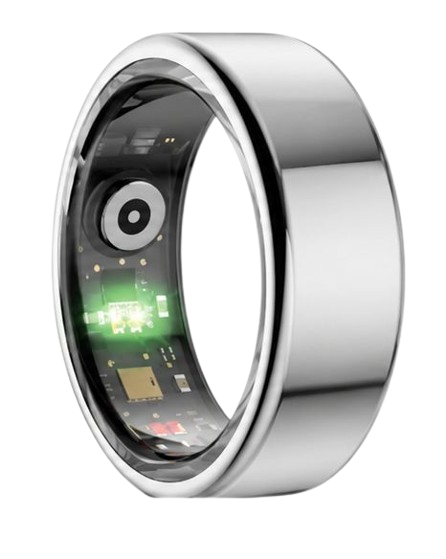
The Herz P1 Smart Ring tracks HRV, Sleep, Heart Rate & SpO2 around the clock. No subscriptions. No renewals. Ever.
In This Article
- Understand the physiological mechanisms behind core thermal fluctuations and circulatory responses.
- Explore how hormonal shifts create distinct thermal patterns in female biometric profiles.
- Discover the link between autonomic stress, heart rate variability, and sudden skin temperature shifts.
- Learn how to leverage wearable biometric tracking to optimize your daily recovery and sleep architecture.
Why Do You Experience Hot and Cold Body Temperature Swings? Here Is What the Science Says
What Is This Phenomenon About?
A sudden fluctuation in physical warmth and coldness is a physiological response driven by your brain’s primary thermostat.
This phenomenon refers to alternating sensations of intense heat and shivering cold without any changes in your surrounding environment.
Many individuals experience these symptoms when their body struggles to maintain homeostatic balance.
In clinical terms, these occurrences are categorized as a form of irregular body temperature signaling.
Understanding these signals is crucial because they often serve as early indicators of deeper metabolic, hormonal, or autonomic stress.
Who Is Typically Affected?
This issue is highly prevalent among individuals undergoing significant physiological changes.
Women transitioning through different reproductive stages represent a primary demographic affected by these shifts.
Additionally, busy office workers suffering from chronic burnout and high mental workloads frequently report these symptoms.
Athletes who push their physical limits without adequate recovery can also experience severe thermoregulatory strain.
Finally, anyone experiencing thyroid imbalances or immune system activity may find themselves struggling with constant temperature shifts.
When Does This Matter Most?
These shifts are particularly noticeable during sleep transitions when your body naturally lowers its thermal set point.
They also tend to spike during stressful work events, panic attacks, or periods of severe sleep deprivation.
Many people notice these occurrences late at night, often waking up drenched in sweat only to feel freezing minutes later.
Tracking the timing of these events helps identify whether they are tied to your circadian rhythm or daily stress triggers.
Where Does This Sensation Occur?
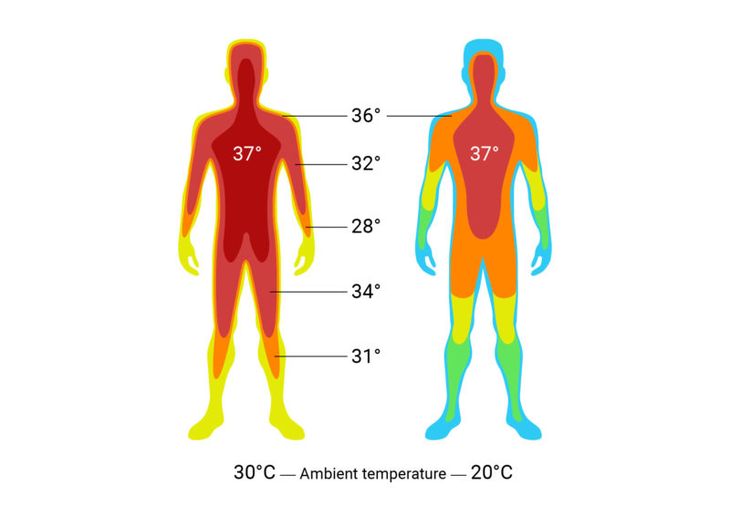
The physical sensation occurs primarily in your skin’s microvascular beds, where blood vessels rapidly expand or contract.
The central control center for this process is located in the hypothalamus, a small but powerful region of your brain.
This brain region constantly communicates with your autonomic nervous system to regulate blood flow throughout your entire body.
Your extremities, such as your hands and feet, are typically where these shifts are felt most intensely.
Why Does It Happen?
There are several complex and varying body temperature causes that trigger these rapid shifts.
A sudden drop in circulating hormones can cause the hypothalamus to misinterpret normal environmental temperatures as extreme.
Chronic high stress levels trigger a constant “fight-or-flight” response, redirecting warm blood away from your skin surface.
Circadian rhythm disruption, often caused by late-night screen use or shift work, desynchronizes your body’s natural cooling cycles.
Additionally, mild underlying infections can cause your immune system to temporarily raise your thermal set point.
How Does the Thermoregulatory Mechanism Work?
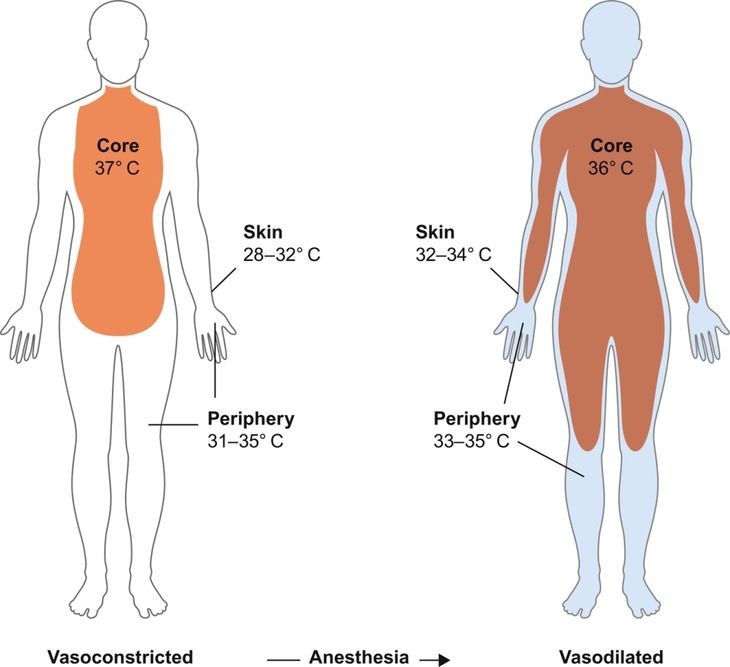
Your body utilizes two primary mechanisms, known as vasodilation and vasoconstriction, to manage heat distribution.
When your brain senses that your core is too warm, it dilates skin blood vessels to release heat, making you feel hot.
When it senses a threat of cold, it constricts those same vessels to trap heat near your organs, causing you to shiver.
When these pathways cycle too quickly due to stress or hormonal instability, you experience rapid thermal swings.
How Much Do Temperatures Normally Fluctuating?
Your normal physiological temp typically fluctuates by only 1 to 2 degrees Fahrenheit over a 24-hour cycle.
However, acute stress or hormonal drops can cause rapid skin temperature shifts of up to 3 degrees in a short period.
Establishing an accurate baseline of your internal body temperature requires consistent, high-frequency data collection over several weeks.
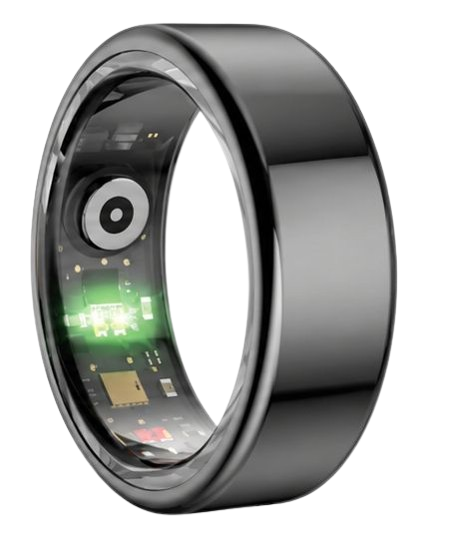
To track these trends and understand your unique thermal baselines, the Herz P1 Smart Ring offers continuous 24/7 monitoring — explore it here.
90-Day 100% Money-Back Guarantee
“The Herz Smart Ring helps me manage stress easily. It’s accurate, stylish, and lightweight—perfect for my busy life!”
— Jennifer P. | ✔ Verified Customer
- ✓ 6-Day Battery Life
- ✓ Detailed Sleep Analysis
- ✓ Fast 1-Hour Charging
- ✓ iOS & Android Ready
Questions? Call: 1-866-479-1629
Hormonal Triggers Behind Hot and Cold Body Temperature Swings Female Profiles
Hormonal variations represent the primary trigger for sudden thermal shifts in female physiology.
Estrogen acts as a key modulator of the hypothalamus, stabilizing the neural networks that control sweat and shivering responses.
During the luteal phase of the menstrual cycle, progesterone levels rise, naturally driving your baseline thermal state higher.
When estrogen drops sharply just before menstruation, the brain’s thermostat becomes highly volatile and overly sensitive.
This sudden drop explains why many women experience intense hot and cold body temperature swings female symptoms during this phase.
According to the National Sleep Foundation, these rapid hormonal shifts are a primary cause of overnight waking and night sweats.
When the hypothalamus mistakenly detects that your core is overheating, it triggers a massive heat-dumping response.
Your skin blood vessels dilate instantly, causing a sudden flush of heat and heavy sweating to cool you down.
Once the heat is rapidly dumped, your core temperature drops slightly below its normal resting range.
This sudden drop causes you to feel freezing cold, leading to shivering as your body tries to warm itself back up.
This cycle of rapid heating and cooling is a classic hallmark of daily temperature instability.
Understanding the internal temperature of the human body throughout your cycle is critical to managing these episodes.
By tracking your nightly skin temperature deviations, you can map these swings directly to specific phases of your cycle.
If you notice your baseline body temperature higher than usual for several consecutive days, it may indicate your luteal phase is peak.
The Herz P1 Smart Ring tracks these subtle skin temperature trends while you sleep, giving you a clear view of your hormonal patterns.
This continuous, non-invasive monitoring helps you anticipate thermal volatility and adjust your lifestyle proactively.
For instance, you can time your workouts and sleep environments to match your body’s natural cycle phases.
This predictive data empowers you to take control of your comfort instead of being caught off guard by sudden thermal events.
How Autonomic Stress Cycles Drive Body Temp Fluctuations Hot Cold

Your autonomic nervous system is divided into two main branches: the sympathetic and the parasympathetic.
The sympathetic branch governs your active stress responses, while the parasympathetic branch controls resting and recovery.
Under conditions of high acute or chronic mental anxiety, your sympathetic system enters an overactive state.
The American Heart Association emphasizes that chronic stress triggers a steady release of adrenaline and cortisol.
These stress hormones cause immediate vasoconstriction, forcing blood away from your skin to protect your core organs.
This rapid shift is often what causes body temp to drop in your hands, feet, and face.
When this occurs, you may suddenly feel shivering cold even in a perfectly warm room.
Once your brain perceives that the immediate stressor has passed, the parasympathetic system attempts to restore balance.
This recovery phase triggers a rapid dilation of blood vessels, sending a massive wave of warm blood back to your extremities.
This sudden rebound makes you feel intensely hot, flushed, and occasionally sweaty within a matter of minutes.
If you are constantly asking yourself, “why is my body temperature high one hour and freezing the next,” stress is often the hidden culprit.
This physiological phenomenon is widely known as the body temp fluctuations hot cold cycle.
Wearable devices monitor this autonomic balance by tracking Heart Rate Variability, which measures the time millisecond variation between heartbeats.
A high HRV score indicates a resilient, well-recovered autonomic nervous system that adapts easily to stress.
Conversely, a low HRV indicates that your body is locked in a sympathetic survival state and struggling to regulate itself.
By tracking your HRV alongside your blood oxygen saturation, you can see how stress impacts your breathing and oxygenation.
The Herz P1 Smart Ring monitors these vital metrics continuously, giving you real-time insight into your nervous system’s state.
Using this data, you can easily identify when a sudden stress event triggers a corresponding thermal shift.
Practical Application Guide: Stabilizing Your Thermoregulation with Digital Health Data
To effectively manage and stabilize your thermal swings, you must establish a consistent, data-driven daily routine.
First, open your Herz P1 App every morning to check your overnight skin temperature deviation trends.
The app shows your thermal changes as positive or negative values relative to your established personal baseline.
A positive deviation indicates your body was working harder to dump heat during your overnight recovery.
If this warm trend is accompanied by a lower-than-normal HRV score, your body is likely under physical strain or fighting an infection.
During these high-strain days, you should reduce your exercise intensity and prioritize deep, restorative rest.
If your temperature trends negative, your sleep environment may be too cold, forcing your body to waste energy shivering.
We recommend optimizing your bedroom environment by keeping the ambient temperature between 60 and 67 degrees Fahrenheit.
Using highly breathable, natural fabrics like cotton or bamboo bedding also helps prevent heat-trapping and sweating cycles.
The Herz P1 Smart Ring is uniquely suited for 24/7 wear because of its ultra-lightweight, military-grade steel design.
Unlike heavy, bulky smartwatches, the ring fits comfortably around the base of your finger without causing overnight skin irritation.
This comfort is essential because consistent overnight wear is what allows the optical sensors to build your unique baseline.
By reviewing your weekly and monthly trend charts, you can easily identify which lifestyle factors are stabilizing your temperature.
This systematic tracking takes the anxiety out of health monitoring, turning confusing symptoms into clear, actionable steps.
Overcoming Risks: Choosing the Right Tracker for Sleep and Recovery
A common pitfall for many health-conscious individuals is wearing a heavy, clunky smartwatch to bed.
These bulky wrist-worn devices easily shift out of place during the night, leading to inaccurate optical sensor readings.
This movement can cause the device to miss crucial shifts in your heart rate, oxygen levels, and sleep stages.
Furthermore, wrist-based sensors are located far from dense capillary beds, making them less sensitive to subtle thermal variations.
A smart ring solves this issue by placing high-precision optical sensors directly against the highly vascular skin of your finger.
Another major risk in the modern wearable market is the hidden cost of mandatory subscription fees.
Many popular health trackers lock your deep biometric insights behind an expensive monthly or annual paywall.
This means you must pay a recurring fee simply to view the sleep and stress data your body has generated.
At Team Herz P1, we believe that your personal physiological data should always belong to you completely.
That is why our companion app is entirely free for life, with absolutely no monthly subscriptions or hidden charges.
By choosing the Herz P1, you avoid ongoing financial commitments while securing premium, military-grade tracking technology.
Frequently Asked Questions
Is the Herz P1 Smart Ring waterproof?
Yes, the Herz P1 features a certified IP68 waterproof rating that allows for complete submersion up to 164 feet.
This military-grade construction means you can safely wear it while swimming laps, washing dishes, or relaxing in a hot tub.
You do not need to remove the ring during daily hand washing or intense workouts in heavy rain.
How long does the battery last on a single charge?
The Herz P1 delivers up to 6 days of continuous battery life under standard 24/7 tracking conditions.
When the battery runs low, the ring charges to 100% capacity in under 1 hour using the magnetic charger.
This rapid charging cycle ensures you spend minimal time off the grid and maximum time tracking your biometrics.
Which finger is the best to wear the Herz P1 smart ring on?
For the absolute highest signal quality, we recommend wearing the ring on your index, middle, or ring finger.
The index finger of your non-dominant hand typically offers the strongest pulse signal for optical tracking.
However, the middle and ring fingers provide highly accurate readings and are often preferred for daily comfort.
Does the Herz P1 store data offline if my phone is disconnected?
Yes, the ring has built-in offline storage that securely holds up to 7 days of local biometric data.
You can turn off your phone’s Bluetooth or go completely off-grid without worrying about losing your metrics.
As soon as you reconnect to the companion app, your stored data will automatically sync and update.
What is the difference between skin temperature and core temperature?
Core temperature refers to the stable, highly regulated heat of your internal vital organs.
Skin temperature is the dynamic thermal state of your extremities, which changes to help regulate your core.
By tracking skin temperature, wearables can detect early signs of stress and vascular response before your core temperature changes.
How accurate is the sleep staging on the Herz P1?
The Herz P1 achieves excellent correlation with clinical polysomnography sleep tracking systems.
It accurately breaks down your sleep stages into REM, Deep, Light, and Awake periods throughout the night.
This detailed sleep architecture analysis helps you understand how thermal swings affect your overall rest quality.
Can this smart ring help me track my menstrual cycle?
Yes, the Herz P1 uses highly sensitive thermal sensors to monitor your nightly basal skin temperature patterns.
By tracking these subtle temperature rises and drops, the app can predict your monthly cycle phases and ovulation windows.
This feature provides invaluable insights for women managing thermal fluctuations throughout the month.
What happens if I order the wrong size?
Every Herz P1 order is backed by a 90-day money-back guarantee and clear sizing support.
We recommend using our sizing kit to wear a plastic mold for 24 hours before choosing your final size.
If you still experience any sizing issues, our friendly support team will gladly help you process an easy exchange.

Conclusion: Your Subscription-Free Wellness Journey Starts Here
Stabilizing your body’s thermoregulation starts with understanding your daily biometric trends. The Herz P1 Smart Ring provides the precise, subscription-free data you need to reclaim your energy. Ready to monitor your health every day? Explore the Herz P1 Smart Ring and see if it fits your lifestyle. Call: 1-866-479-1629 — our team can help you advise on the correct ring size and set personalized health goals.
