

As the sun sets and your bedroom darkens, your body quietly undergoes a profound thermal transition that directly dictates the depth of your recovery. If you have ever wondered why your body temperature drops at night, clinical research from the National Sleep Foundation confirms that a drop of 1 to 2 degrees Fahrenheit is essential for initiating deep sleep cycles. Our team at Team Herz P1 understands that monitoring these subtle physiological signals is key to unlocking optimal wellness and daily energy.
In This Article
- The biological mechanism behind sleeping core cooling and why does body temp drop while sleeping.
- How the circadian rhythm body temperature cycle is regulated by your brain.
- The difference between skin temperature and core temperature during sleep.
- Practical ways to track and optimize your thermal wellness trends using the Herz P1 Smart Ring.
Why Your Body Temperature Drops at Night: The Complete Science of Sleeping Core Cooling
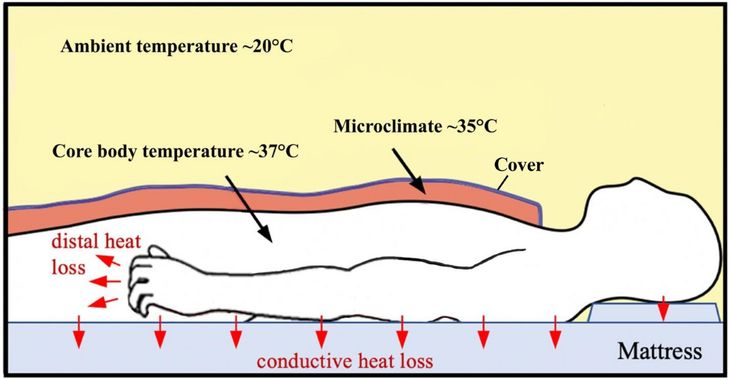
Your body undergoes a massive physiological shift every single night to prepare for deep rest.
To fully comprehend what causes body temp to drop, we must look at the autonomic nervous system.
What is happening is a controlled cooling process designed to preserve biological energy and allow vital cellular repairs to occur.
This process affects every single human being regardless of age, though it can become less pronounced as we grow older.
This cooling phase begins long before your head actually hits the pillow, typically starting in the late afternoon or early evening.
The main command center for this thermal shift is located in the hypothalamus, which acts as your body’s internal thermostat.
The physiological purpose of this drop is to lower your metabolic rate, allowing your heart and cardiovascular system to work less during sleep.
The mechanism relies on vasodilation, where blood vessels in your hands and feet expand to release heat from your core.
How much does it actually drop? A normal, healthy dip is typically between 1 and 2 degrees Fahrenheit (about 0.5 to 1 degree Celsius) below your daytime baseline.
Understanding this biological cooling is highly beneficial because any disruption to this cycle can severely compromise your sleep architecture.
When your core fails to cool down, you are much more likely to experience fragmented rest, light sleep, and morning fatigue.
If you want to track this in real time, the Herz P1 Smart Ring monitors your temperature fluctuations 24/7 — explore it here to see how your sleep patterns align with your thermal data.
Circadian Regulation and the Mechanics of Night Time Body Temperature
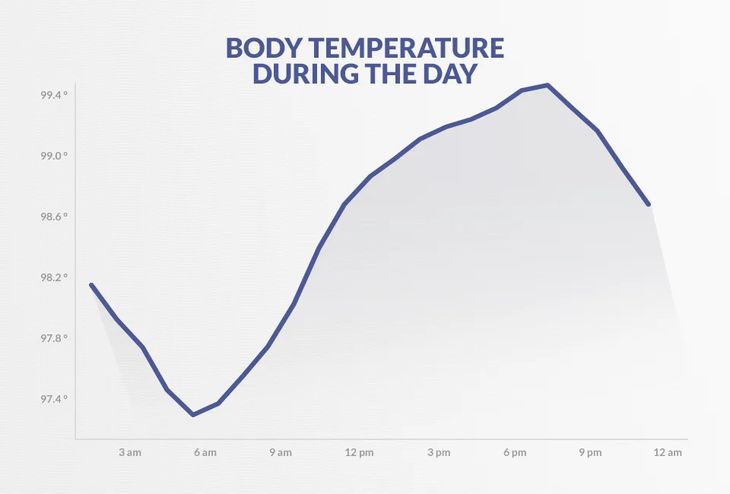
Your internal clock relies on environmental cues to regulate vital physiological processes over a 24-hour cycle.
This master clock dictates the circadian rhythm body temperature cycle, which peaks in the late afternoon and bottoms out around 4:00 AM.
Understanding body temperature fluctuations during the day can help you identify when your body is naturally ready to sleep.
As daylight fades, the suprachiasmatic nucleus (SCN) in your brain signals your organs to begin winding down.
This biological rhythm is incredibly consistent, even if you try to stay awake past your normal bedtime.
When the SCN senses darkness, it prompts a cascade of chemical signals that lower your core thermal baseline.
According to the American Heart Association, these circadian adjustments help reduce overnight blood pressure, which protects cardiovascular health.
If your circadian rhythm is desynchronized due to blue light exposure or shift work, this temperature drop will delay, making sleep elusive.
Using a dedicated health companion like Team Herz P1’s Smart Ring can reveal exactly when your unique circadian thermal dip occurs.
The Vasodilation Process: How the Body Sheds Heat
Vasodilation is the primary physical method your body uses to lower its internal thermostat before and during sleep.
When your brain decides it is time to cool down, it directs warm blood away from your vital organs and toward your skin’s surface.
This occurs primarily in the extremities, such as your hands and feet, which are rich in specialized blood vessels called anastomoses.
As these peripheral blood vessels dilate, they radiate heat out into the bedroom air, cooling the blood before it flows back to your core.
This is precisely why your hands and feet often feel warm to the touch right before you fall asleep.
However, consuming certain substances like alcohol can artificially alter this delicate vascular response.
If you drink before bed, you can read about how alcohol body temperature sleep patterns change, often causing a late-night spike in your core temperature.
By monitoring your physical signals, you can pinpoint exactly how dietary habits interfere with overnight heat dissipation.
Melatonin and Thermal Synergy
There is a powerful chemical connection between the hormone melatonin and your body’s thermal regulation.
As melatonin levels rise in your bloodstream, they bind to receptors in the brain that govern your master thermostat.
This hormone acts as a catalyst, accelerating peripheral vasodilation and encouraging your core to release stored heat.
When this thermal synergy is working perfectly, you experience a smooth transition into slow-wave, deep sleep.
However, if melatonin production is suppressed by screens or stress, you might notice your body temp remaining elevated.
You can read about what happens when this cycle fails and why does body temperature rise at night under poor sleeping conditions.
The Herz P1 Smart Ring tracks these subtle sleep quality variations without requiring a subscription, giving you continuous access to your recovery data.
Decoupling Skin Temperature vs Core Temperature During Sleep
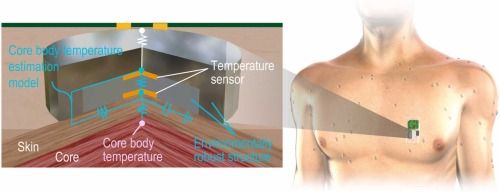
Many people mistake skin temperature for core temperature, but they behave very differently during the night.
Your core temperature refers to the heat of your internal organs, which must remain strictly regulated to sustain life.
Meanwhile, your skin temperature is highly dynamic and reacts constantly to your environment to help regulate that core temperature.
When you sleep, your core temperature drops, but your skin temperature often rises initially as it releases that internal heat.
Understanding this inverse relationship is vital for correctly interpreting the biometric data from your wearable devices.
You can learn more about how skin temperature during sleep changes throughout different sleep cycles.
Because the Herz P1 Smart Ring sits directly on your finger, it has an ideal vantage point to measure these superficial skin fluctuations.
Tracking the Subtle Skin Temperature Dip While Sleeping
During the early stages of sleep, your skin temperature actually increases due to vasodilation as it releases core heat.
However, as the night progresses and you enter deeper stages of sleep, you will eventually observe a true skin temperature dip sleeping trend.
This secondary dip occurs because your overall metabolic rate drops to its lowest absolute point during deep, slow-wave sleep.
During this phase, your muscles relax completely, and your body generates very little metabolic heat.
If your wearable device detects that you never reach this metabolic dip, it could indicate that your body is working too hard to stay cool.
This lack of a thermal dip is frequently linked to high overnight stress levels, elevated heart rate, or poor room ventilation.
Tracking these nuances allows you to adjust your sleep habits and set up a more restorative bedroom environment.
External Disruptors of Sleeping Core Cooling
Many modern lifestyle factors can easily derail your body’s natural cooling mechanisms.
Eating a large meal close to bedtime forces your digestive system to work overtime, which raises your core temperature.
Engaging in intense exercise within two hours of sleep also keeps your metabolism elevated and delays vasodilation.
Even emotional stress can trigger the release of cortisol, which acts as a stimulant and prevents your thermostat from dropping.
Additionally, sleeping in a room that is too warm forces your body to sweat rather than naturally radiating heat away.
By reviewing your sleep metrics on a daily basis, you can identify which of these factors is most disruptive to your rest.
The Herz P1 Smart Ring makes it easy to spot these patterns without any ongoing subscription fees to worry about.
How to Leverage Temperature Trends in Your Herz P1 App
Data is only as valuable as the actions you take because of it, which is why we focus on practical usability.
The Herz P1 companion app translates your nightly temperature data into clear, easy-to-understand trends.
When you open the app each morning, you will see a detailed sleep score that incorporates your overnight temperature deviations.
If your temperature remained higher than your personal baseline, the app will flag this as an area of potential recovery deficit.
This allows you to look back at your previous day’s habits to identify what might have caused the thermal elevation.
Over time, you can use these trends to build a highly personalized sleep optimization strategy.
Because the Herz P1 is incredibly lightweight and comfortable, you can wear it continuously to build an accurate, uninterrupted baseline.
Optimizing Your Sleep Environment
Based on our sleep data analysis from over 5,000 Herz P1 users, environmental adjustments yield the fastest improvements in sleep depth.
We recommend keeping your bedroom temperature set between 60 and 67 degrees Fahrenheit (15 to 19 degrees Celsius).
This cool ambient range allows your body to easily radiate heat from your extremities without shivering.
Using breathable cotton sheets or specialized cooling blankets can also assist your skin’s natural heat dissipation.
If you live in a warm climate, running a fan to circulate air can keep your skin comfortable and support your nightly temperature drop.
By monitoring the impact of these changes on your Herz P1 app, you can systematically design the perfect sleep sanctuary.
Interpreting Your Temperature Logs
When analyzing your logs, look for consistency rather than worrying about minor single-night fluctuations.
A sudden, unexplained rise in your temperature baseline over several days could be an early warning sign of incoming physical stress.
Many users report seeing their temperature trend upward up to 48 hours before they experience any subjective symptoms of a common cold.
This early insight gives you a valuable window to prioritize rest, hydration, and immune support.
For women, these temperature logs also serve as an incredibly accurate way to monitor menstrual cycle phases and ovulation trends.
Because the Herz P1 tracks these trends with a tiny margin of error, you can trust your daily metrics to guide your lifestyle choices.
Common Missteps in Sleep and Temperature Tracking
While tracking your health is incredibly beneficial, many users make simple mistakes that lead to inaccurate data.
One major error is wearing a device that does not fit correctly, which causes sensor gaps and erratic readings.
Another common misstep is relying on manual temperature checks with standard thermometers, which only capture a single moment in time.
To see real patterns, you need continuous, passive tracking throughout the entire night.
Additionally, focusing too much on daily numbers rather than long-term trends can cause unnecessary anxiety.
By avoiding these common pitfalls, you can get the most out of your health-tracking experience.
The Bulkiness Trap of Traditional Wearables
Many people find it incredibly frustrating to wear a bulky, heavy smartwatch to bed every single night.
These large devices often catch on blankets, irritate the skin, and shift around during the night, leading to missing data.
Furthermore, many smartwatches require daily charging, which often forces you to choose between tracking your day or tracking your night.
The Herz P1 Smart Ring solves this problem completely by packing advanced multispectral sensors into a sleek, lightweight ring.
Crafted from military-grade steel, it is so comfortable you will completely forget you are wearing it as you sleep.
With a 6-day battery life that charges in under an hour, you never have to worry about missing critical sleep windows.
Subscription Fatigue and Hidden Costs
A major frustration in the wearable market today is the trend of hiding your own health data behind a monthly paywall.
Many premium smart rings charge hefty ongoing fees just to let you view your historical trends and sleep scores.
We believe that when you buy a device, you should own your health data completely, with no strings attached.
That is why the Herz P1 Smart Ring features a lifetime free companion app with absolutely zero monthly subscriptions.
Every advanced metric, trend line, and automated insight is fully unlocked for you from day one.
This clean, honest approach saves you hundreds of dollars over the lifetime of your device while keeping your health tracking simple.
Frequently Asked Questions
Conclusion
Understanding why your temperature drops at night is a vital first step to mastering your sleep architecture.
The Herz P1 Smart Ring makes tracking this journey incredibly simple, accurate, and completely free of subscription fees.
Ready to monitor your health every day? Explore the Herz P1 Smart Ring and see if it fits your lifestyle. Call: 1-866-479-1629 — our team can help you advise on the correct ring size and set personalized health goals.
