

Tracking your physiological biomarkers is the key to understanding your overall health. Many people wonder, does your body temperature drop before period cycles begin, as this subtle thermal shift can signal the precise start of menstruation. Our team at Herz P1 designed our military-grade smart ring to monitor these critical, micro-degree shifts in your basal skin temperature automatically every night. By decoding these signals, you can remove the guesswork from your cycle and confidently take control of your daily wellness routine.
Built to Last. Save Up to 69% Today.
The Herz P1 Smart Ring tracks HRV, Sleep, Heart Rate & SpO2 around the clock. No subscriptions. No renewals. Ever.
In This Article
- The Thermal Cycle Explained: Understand how and why your basal body temperature shifts throughout your menstrual cycle.
- The Science of the Drop: Identify the exact timing, hormonal triggers, and degree ranges of the pre-period temperature drop.
- Smart Ring Tracking Power: Discover how the Herz P1 tracks micro-degree temperature shifts automatically while you sleep.
- Optimizing Your Lifestyle: Learn to use physical thermal data to balance your workout intensity, recovery, and stress levels.
Does Your Body Temperature Drop Before Period? The Science of Hormonally Driven Thermal Shifts

To answer the primary question directly: yes, your basal body temperature does drop before your period begins.
This biological event is a natural, predictable response to the shifts in your endocrine system.
During a typical menstrual cycle, your body transitions through distinct hormonal phases that alter your metabolic rate and thermoregulation.
The primary hormone responsible for keeping your temperature elevated after ovulation is progesterone.
When pregnancy does not occur, the corpus luteum degrades, causing a rapid decline in progesterone levels.
This hormonal drop acts as a biological signal to your hypothalamus, which is the brain structure responsible for managing your core body temperature.
Consequently, your body temperature returns to its baseline follicular phase levels, often dropping by 0.3°F to 1.0°F (0.15°C to 0.55°C) just before menstruation starts.
For most women, this thermal drop occurs roughly 24 to 48 hours before the first day of menstrual bleeding.
Understanding when does basal body temperature drop before period starts can give you an incredibly accurate window of prediction for your monthly cycle.
Historically, tracking this required waking up at the exact same minute every single morning to use a manual oral thermometer.
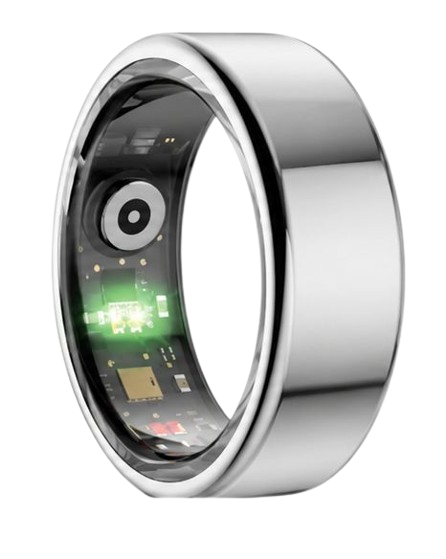
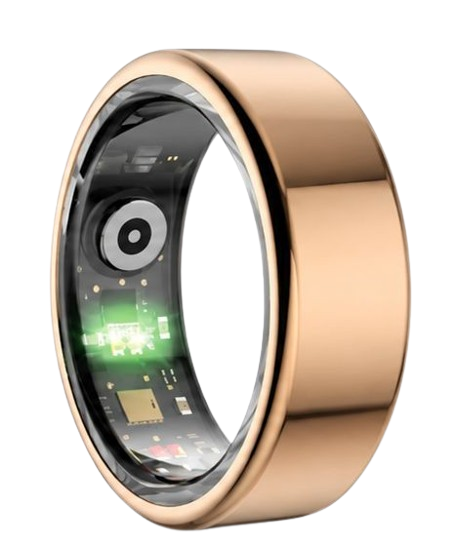
Our team at Herz P1 has simplified this process by embedding high-precision thermal sensors into a military-grade smart ring.
By capturing thousands of skin temperature data points continuously while you sleep, our device builds a reliable, highly accurate profile of your unique thermal trends.
If you want to track this in real time, the Herz P1 Smart Ring monitors your body temperature trends 24/7 — explore it here.
90-Day 100% Money-Back Guarantee
“The Herz Smart Ring helps me manage stress easily. It’s accurate, stylish, and lightweight—perfect for my busy life!”
— Jennifer P. | ✔ Verified Customer
- ✓ 6-Day Battery Life
- ✓ Detailed Sleep Analysis
- ✓ Fast 1-Hour Charging
- ✓ iOS & Android Ready
Questions? Call: 1-866-479-1629
Hormones and Heat: The Biological Mechanics of Your Cycle
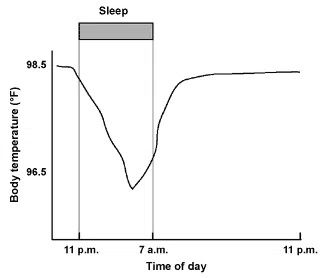
To fully grasp this physical shift, we must look closely at how hormonal rhythms dictate your body temperature and menstrual cycle patterns.
The menstrual cycle consists of two primary phases separated by ovulation: the follicular phase and the luteal phase.
During the follicular phase, which starts on the first day of your period, estrogen levels are dominant while progesterone remains very low.
This hormonal environment keeps your resting basal body temperature at its baseline, cooler level.
Once ovulation occurs, the corpus luteum forms and begins secreting progesterone in high quantities.
Progesterone directly acts on the preoptic area of your hypothalamus, raising your metabolic rate and prompting a noticeable does your temperature rise before your period shift.
This thermal rise confirms that ovulation has successfully taken place, pushing your body into the warm, luteal phase.
If fertilisation of the egg does not occur, your hormone factories slowly shut down production for the month.
The drop in progesterone is sharp, occurring over just a few days at the tail end of the luteal phase.
This rapid hormone withdrawal is the primary catalyst that causes your basal temperature to drop back down to follicular baselines.
For some individuals, this thermal drop occurs exactly on the day their period starts, while for others, it happens a day or two earlier.
Tracking this pattern with precision helps you pinpoint exactly where you are in your cycle, minimizing surprises.
The Tech Behind the Trend: How Smart Rings Detect Micro-Degree Changes
Many people wonder how a small, lightweight ring can match the tracking capability of clinical tools.
The answer lies in advanced optoelectronic engineering and thermal sensor technology.
Traditional oral thermometers only provide a single, isolated snapshot of your temperature when you wake up.
However, your core temperature naturally fluctuates throughout the night based on room conditions, sleep stages, and movement.
The Herz P1 Smart Ring solves this problem by utilizing high-precision skin temperature sensors that collect data continuously.
By measuring skin temperature on the underside of your finger, the ring accesses a rich network of capillary blood vessels.
This allows the device to detect micro-degree changes as small as 0.05°C with exceptional stability.
Our algorithms filter out environmental noise, such as a cold bedroom or a kicked-off blanket, to isolate your true basal thermal trend.
This process of temperature cycle tracking is entirely automated, requiring no manual input or waking alarms.
Understanding your body temperature and menstruation connection becomes as simple as opening your smartphone app over morning coffee.
Because the finger skin surface provides an uninterrupted thermal signal, a smart ring is the ultimate form factor for passive, stress-free cycle monitoring.
Basal Body Temperature Throughout Your Entire Cycle
Analyzing your bbt throughout cycle trends reveals a beautiful, biphasic pattern when plotted on a graph.
In the first half of your cycle, your temperature remains consistently low, helping you track your unique baseline.
As you approach ovulation, some women experience a brief, sharp dip in temperature, followed immediately by a sustained rise.
This post-ovulation rise typically measures between 0.5°F and 1.0°F, marking the start of your fertile window closure.
This warm plateau remains elevated for approximately 10 to 14 days, reflecting healthy progesterone production.
As you transition toward the end of this phase, keeping an eye on your ovulation cycle temperature helps confirm the length of your luteal phase.
When the pre-period drop occurs, it signals the final hours of the current cycle and the arrival of your basal temp during period baseline.
This predictable thermal rhythm is one of the most reliable indicators of balanced reproductive health.
Any deviations from this biphasic trend, such as a short luteal phase or a lack of thermal rise, can provide helpful clues for further exploration.
Using a smart ring ensures that these delicate fluctuations are documented with absolute consistency, night after night.
Practical Application Guide & Lifestyle Tips

Your biometric data is only as valuable as the actions it helps you take in your daily life.
By reading your thermal and recovery trends in the Herz P1 App, you can make smarter decisions about your workouts, sleep, and nutrition.
During your follicular phase, when your body temperature is lower and estrogen is rising, your body is naturally more resilient to stress.
This is the ideal time to schedule high-intensity workouts, strength training, and challenging work projects.
Conversely, during the warm luteal phase, your elevated metabolic rate means your body is working harder even at rest.
According to research from the National Sleep Foundation, the hormonal shifts in the luteal phase can also disrupt your sleep architecture.
When you see your temperature rise after ovulation, prioritize active recovery, gentle yoga, and earlier bedtimes to combat natural fatigue.
As you spot the pre-period temperature drop on your app, you can prepare mentally and physically for the arrival of your cycle.
This continuous monitoring allows you to live in harmony with your natural biological rhythms rather than fighting against them.
Because the Herz P1 is designed for comfortable 24/7 wear, you never have to miss a single night of tracking due to bulky, uncomfortable designs.
Overcoming Risks & Common Mistakes
A common pitfall in modern health tracking is attempting to wear bulky, heavy smartwatches to bed.
Large screens and rigid bands often shift during sleep, causing optical sensors to lose contact with your skin.
This sensor movement introduces data gaps, resulting in highly inaccurate sleep stage and temperature readings.
Furthermore, the bright screens of smartwatches can accidentally illuminate during the night, disrupting your natural melatonin production.
Another major frustration for consumers is the hidden cost of ongoing subscription fees in the wearable market.
Many popular health trackers charge hefty monthly fees just to unlock the very biometric data you paid to collect.
We believe your personal health data should belong to you, completely free of charge, forever.
The Herz P1 App requires absolutely no monthly subscriptions, giving you lifetime access to your detailed trend charts, sleep analysis, and cycle predictions.
Choosing a subscription-free, highly durable smart ring eliminates both financial fatigue and physical discomfort.
Frequently Asked Questions (FAQ)
Is the Herz P1 Smart Ring waterproof?
Yes, the Herz P1 features a full IP68 waterproof rating, making it completely safe for everyday life.
You can confidently wear it while washing your hands, taking a shower, swimming, or even during a deep dive up to 164 feet.
Its seamless outer shell ensures that moisture never interferes with the internal biometric sensors or battery performance.
How long does the battery last on a single charge?
The Herz P1 offers an impressive 6-day battery life under normal continuous tracking conditions.
When the battery runs low, the ring charges fully in under 1 hour using the included magnetic charging dock.
This rapid charging cycle means you spend less time waiting and more time gathering continuous health insights.
Which finger is the best option for wearing a smart ring?
For the highest biometric tracking accuracy, we recommend wearing the Herz P1 on your index, middle, or ring finger.
These fingers have a richer supply of blood vessels closer to the skin surface, which optimizes optical PPG sensor readings.
Make sure the ring fits snugly but comfortably, without rotating excessively during daily movement.
Does the Herz P1 store my health data offline?
Yes, the smart ring features built-in local storage that securely saves up to 7 days of continuous health data offline.
You do not need to keep your phone nearby or connected to Bluetooth constantly throughout the day or night.
Once you open the Herz P1 App, all stored metrics will automatically sync and update your personal dashboard within seconds.
Conclusion
Monitoring your basal body temperature shifts is a powerful way to understand your cycle, energy, and recovery.
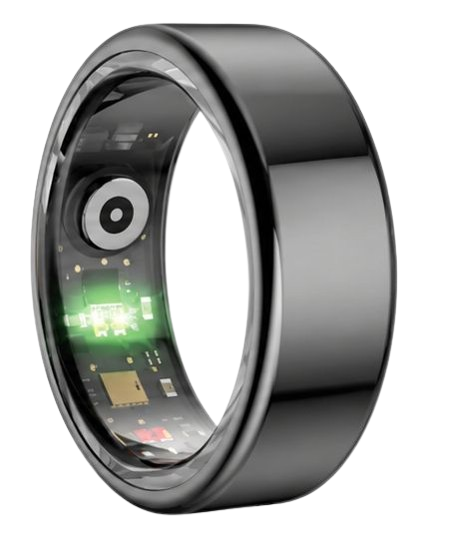
The Herz P1 Smart Ring provides subscription-free tracking to help you optimize your daily life with ease.
Ready to monitor your health every day? Explore the Herz P1 Smart Ring and see if it fits your lifestyle. Call: 1-866-479-1629 — our team can help you advise on the correct ring size and set personalized health goals.
