

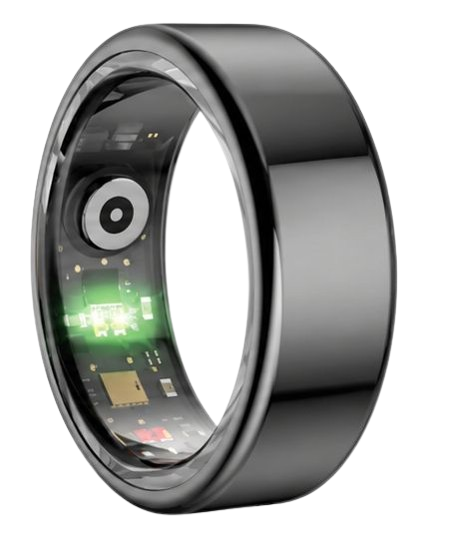
Understanding the physiological differences in skin temperature vs body temperature is critical for optimizing your daily recovery, stress management, and sleep tracking. Clinical studies show that peripheral skin readings vary dynamically from your core temperature based on blood flow and environmental changes. The subscription-free Herz P1 smart ring monitors these minute thermal shifts with military-grade precision to help you proactively decode your body’s wellness signals.
Built to Last. Save Up to 69% Today.
The Herz P1 Smart Ring tracks HRV, Sleep, Heart Rate & SpO2 around the clock. No subscriptions. No renewals. Ever.
In This Article
- Understanding the Scientific Differences: How skin temperature and body temperature diverge due to advanced vascular mechanisms.
- Circadian Sleep Staging: The biological role of thermal fluctuations in establishing deep, restorative rest.
- Autonomic Stress Indicators: How mental load directly constricts peripheral blood vessels to lower finger temperature.
- Actionable Biometric Tracking: Harnessing the free-for-life Herz P1 companion application to master your personal baseline metrics.
Understanding the Scientific Differences: Skin Temperature vs Body Temperature Explained
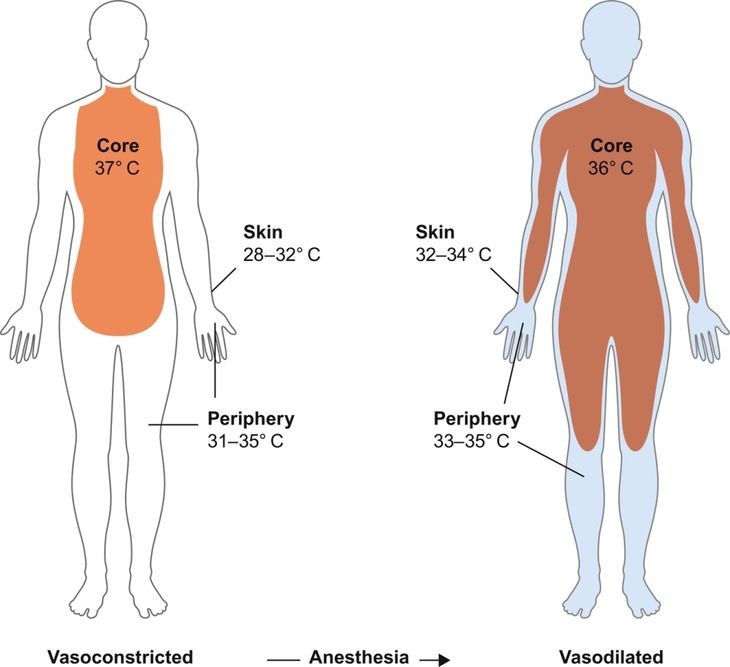
Your body maintains a highly complex thermoregulatory system designed to preserve metabolic equilibrium.
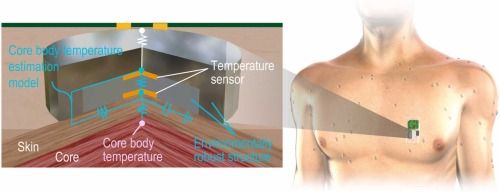
This central regulation dictates your core body temperature, which typically hovers around a stable 98.6 degrees Fahrenheit.
However, your outer skin surface behaves quite differently because it serves as the primary thermal interface with your surrounding environment.
Indeed, the average skin temperature is typically much lower than this core reading, ranging dynamically between 91 and 95 degrees Fahrenheit.
This persistent gap exists because your peripheral blood vessels constantly dilate and constrict to shed or conserve internal metabolic heat.
Understanding this biological variance is essential to appreciating the scientific difference between skin temperature and body temperature.
Your vital internal organs require an absolute, tightly controlled thermal environment to survive and function correctly.
Meanwhile, your peripheral tissues experience natural, safe body temperature fluctuations during the day.
These fluctuations reflect changes in localized physical activity, environmental exposure, and your autonomic nervous system activity.
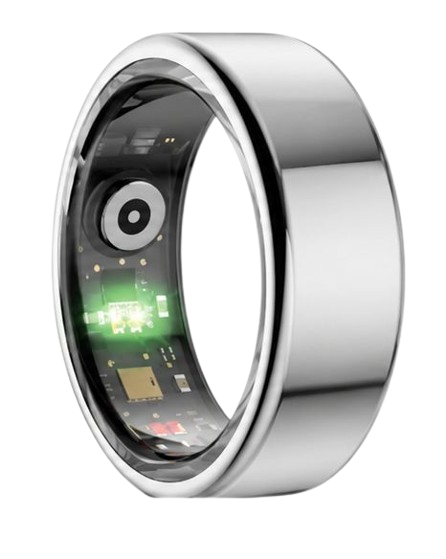
To capture these critical wellness indicators, wearable trackers like the Herz P1 utilize medical-grade infrared thermistors.
These advanced sensors record long-term comparative trends rather than isolated diagnostic snapshots.
By learning how to interpret these fluctuations, you gain an early, proactive window into your overall cardiovascular and immune health.
Core Body Temperature vs. Skin Temperature Mechanisms
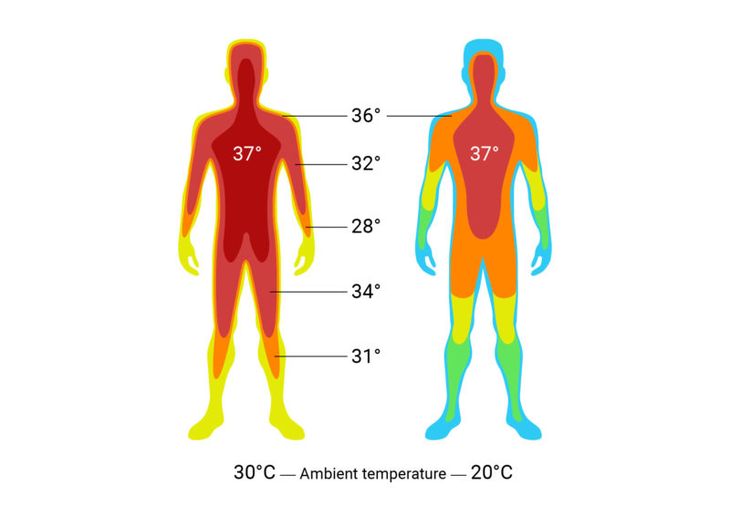
The preoptic area of the hypothalamus strictly governs your baseline internal body temperature.
Any sudden, significant spike in this internal metric points directly toward a clinical fever response or acute heat exhaustion.
In stark contrast, your peripheral skin tissues naturally display a highly fluid, responsive physiological temp variance.
For example, having cold fingers does not imply that your core organs are suffering from a dangerous drop in temperature.
Instead, cold extremities merely indicate that your body is proactively conserving central warmth by narrowing outer capillaries.
This biological reaction, known as vasoconstriction, is a highly refined evolutionary preservation mechanism.
Peer-reviewed clinical trials establish that skin thermal metrics offer a incredibly sensitive reflection of autonomic nervous shifts.
This is why tracking these daily variations is incredibly useful for assessing physical recovery and cognitive fatigue levels.
| Biometric Characteristic | Core Body Temperature | Skin Surface Temperature |
|---|---|---|
| Normal Range | 97.7°F to 99.5°F (36.5°C to 37.5°C) | 91.0°F to 95.0°F (32.8°C to 35.0°C) |
| Primary Control | Hypothalamus & Deep Visceral Blood Vessels | Autonomic Vasomotor Activity & Peripheral Capillaries |
| Primary Purpose | Preserves Cellular Metabolism & Enzyme Activity | Facilitates Heat Loss & Maintains Core Homeostasis |
| Daily Variability | Very Low (Highly Stable ±0.5°F) | Extremely High (Varies up to ±7.0°F) |
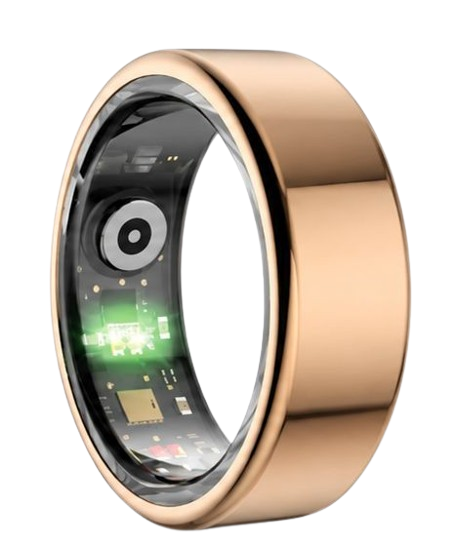
90-Day 100% Money-Back Guarantee
“The Herz Smart Ring helps me manage stress easily. It’s accurate, stylish, and lightweight—perfect for my busy life!”
— Jennifer P. | ✔ Verified Customer
- ✓ 6-Day Battery Life
- ✓ Detailed Sleep Analysis
- ✓ Fast 1-Hour Charging
- ✓ iOS & Android Ready
Questions? Call: 1-866-479-1629
The Circadian Rhythm Connection: Tracking Temperature Shifts During Sleep
Your internal biological clock relies heavily on natural heat dissipation to initiate and sustain deep sleep stages.
As evening approaches, your brain prepares for sleep by expanding blood vessels in your hands, wrists, and feet.
This specific process, medically termed peripheral vasodilation, allows metabolic heat to escape through your extremities.
Consequently, your skin temperature rises slightly while your core temperature drops to its lowest daily point.
If this nighttime heat-shedding process is disrupted, you will likely experience prolonged sleep latency or frequent wakefulness.
Continuous thermal tracking reveals exactly how successfully your body navigates these critical rest transitions.
An irregular body temperature signature overnight often points to underlying sleep fragmentation.
The National Sleep Foundation confirms that maintaining a cool ambient bedroom environment significantly aids this natural core thermal drop.
By wearing the ultra-thin Herz P1 Smart Ring to bed, you can effortlessly record and view these nocturnal thermal curves.
The ring’s high-fidelity sensor array monitors skin fluctuations to determine the exact moment you transition into deep sleep stages.
Sleep medicine studies suggest that the timing of your thermal nadir directly influences how refreshed you feel upon waking.
Analyzing these subtle trends allows you to refine your evening wind-down habits and maximize daily metabolic recovery.
Recognizing Early Signs of Physiological Strain and Infection
Sudden, unexpected deviations from your established thermal baseline can serve as an invaluable early warning system.
For instance, an unexpected, elevated overnight skin temperature curve often suggests that your immune system is actively fighting off a pathogen.
These subtle physiological shifts frequently manifest hours before you feel any physical symptoms of illness.
Identifying these deviations early enables you to modify your schedule, scale back intense workouts, and prioritize rest.
Additionally, women can utilize these highly precise peripheral thermal trends to map monthly ovulation and menstrual cycle phases.
This is because your basal body temperature naturally increases by approximately 0.5 to 1.0 degree Fahrenheit during the luteal phase.
By tracking these changes continuously, you can plan your monthly fitness, productivity, and recovery goals with science-backed accuracy.
Instead of guessing, you rely on real-time biometric tracking to make highly informed daily health choices.
How Peripheral Blood Flow and Stress Dictate Your Daily Thermal Trends
Your emotional state exerts an immediate and powerful influence over your peripheral blood circulation patterns.
When you encounter sudden cognitive stress or chronic anxiety, your sympathetic nervous system initiates a fight-or-flight response.
This sudden neural activation rapidly constricts the delicate capillaries located at the base of your fingers.
As a result, your body immediately redirects warm arterial blood inward toward vital muscles and core organs.
Consequently, your finger skin temperature drops rapidly and measurably within seconds of encountering a stressor.
This rapid vascular reaction serves as an objective, physical metric of acute psychological and emotional pressure.
Many busy professionals experience erratic varying body temperature readings due to elevated stress loads.
The American Heart Association emphasizes that chronic, unmanaged stress can contribute to long-term cardiovascular strain.
By monitoring these vascular responses, you can easily identify exactly which parts of your workday cause the most strain.
The Herz P1 Smart Ring tracks these subtle vasomotor events silently and continuously throughout your entire day.
The companion app translates this raw data into an intuitive, real-time HRV Stress Index updated every five minutes.
This consistent insight empowers you to practice stress-reduction techniques before physiological exhaustion sets in.
Optimizing Physical Performance and Post-Exercise Recovery
True athletic progress relies entirely on finding the perfect balance between intense exertion and deep cardiovascular recovery.
High-intensity workouts naturally raise your core temperature while driving blood flow outward to working muscles.
After you complete a workout, a swift return to your baseline thermal and heart rate state indicates superior physical conditioning.
However, if your skin readings remain elevated or depressed for hours afterward, your body is still experiencing heavy systemic stress.
This clear biological feedback indicates that you should focus on passive recovery and hydration rather than high-intensity training.
By tailoring your workouts around these personalized metrics, you can avoid overtraining syndrome and prevent avoidable injuries.
The military-grade steel construction of the Herz P1 ensures it easily withstands heavy weightlifting, running, and swimming.
You get an incredibly durable training partner that monitors your physical state without ever getting in your way.
Practical Guide: Using Your Herz P1 Smart Ring to Read Thermal Biometrics
Interpreting your personal health metrics should be an easy, encouraging, and intuitive daily habit.
The Herz P1 companion application translates complex biological data into clear, actionable morning readiness scores.
Upon opening the app, you are greeted by an elegant, unified dashboard detailing your daily recovery status.
This comprehensive readiness score combines your heart rate variability, sleep stages, resting heart rate, and skin temperature changes.
You can easily tap into the thermal dashboard to view your overnight temperature trend graph.
Crucially, the app highlights variations from your personal baseline rather than throwing confusing raw numbers at you.
For example, seeing a reading of +0.4 degrees indicates a mild deviation from your standard rolling seven-day average.
This relative reporting methodology prevents unnecessary worry over natural, healthy temperature fluctuations.
You can use these trends to evaluate how variables like alcohol, late-night meals, or room climates affect your sleep.
If your evening sleep habits are optimal, you will observe a smooth, consistent thermal curve on your daily graph.
The incredibly lightweight, sleek design of the ring guarantees that you can capture this vital data in absolute comfort.
Designing Your Personalized Sleep and Recovery Protocol
Converting biometric data into life-improving habits is the ultimate goal of the Herz P1 philosophy.
If you notice that your overnight recovery scores are consistently low, start by adjusting your bedroom thermostat.
Aim to keep your sleeping area between 65 and 68 degrees Fahrenheit to assist your body’s natural heat-shedding process.
Additionally, avoid eating heavy meals or drinking alcohol within three hours of bedtime to prevent elevated metabolic heat.
You can also utilize the real-time HRV Stress Index to practice slow, rhythmic breathing when your stress levels spike.
Just five minutes of paced diaphragmatic breathing can restore healthy peripheral blood flow and raise hand temperature.
Over time, these proactive, small modifications compound to create an incredibly resilient physical and mental state.
Your Herz P1 serves as a silent, supportive guide on this lifelong journey toward optimal physiological health.
Common Mistakes: Smartwatch Discomfort and the Subscription Fee Trap
Many health-conscious individuals make the mistake of wearing heavy, bulky smartwatches to bed to monitor sleep.
The physical weight and protruding profile of these devices often disrupt your natural movements and wake you up.
Additionally, wrist-based sensors frequently lose contact with your skin when you toss and turn during the night.
This physical shifting leads to massive gaps in your data and frustratingly inaccurate sleep stage estimates.
A sleek, lightweight smart ring worn on the finger completely eliminates this physical discomfort and tracking issue.
Another major mistake when purchasing a wearable is falling into the trap of ongoing monthly subscription fees.
Many popular brands lock your detailed physiological data behind expensive, recurring paywalls after your purchase.
We firmly believe that you should never have to pay a monthly subscription to access your own biometric trends.
The Herz P1 App is completely free for life, providing full, unrestricted access to all of your health metrics forever.
This straightforward model ensures that your investment in your wellness remains transparent, predictable, and highly affordable.
Selecting Your Ideal Ring Size for Consistent Sensor Contact
Maintaining solid, continuous sensor contact with your skin is the key to capturing high-accuracy biometric trends.
A ring that is too loose will rotate, moving the optical sensors away from the blood vessels on the palm side of your finger.
Conversely, a ring that is too tight will pinch your finger and restrict local arterial blood circulation.
To identify your perfect fit, make sure to use the complimentary sizing kit sent to you upon ordering.
Wear your chosen plastic test ring for a full twenty-four hours to account for natural variations in finger size.
Your fingers naturally expand and contract based on physical activity, sodium intake, and temperature changes.
Select a size that feels snug but can still slide over your knuckle with a tiny amount of resistance.
This proper fit guarantees seamless overnight tracking and exceptional data fidelity every single day.
Frequently Asked Questions
Is the Herz P1 Smart Ring waterproof?
Yes, the Herz P1 is fully certified with an IP68 waterproof rating, ensuring complete protection against liquid ingress.
This means you can confidently wear your ring while swimming, showering, bathing, or washing dishes.
The hermetically sealed military-grade steel housing protects the internal thermistors and PPG sensors from water damage.
You can track your health seamlessly in any wet or humid environment without worrying about hardware failure.
How long does the battery last on a single charge?
The Herz P1 features a highly optimized, long-lasting battery that delivers up to 6 days of continuous tracking.
This allows you to record your sleep, HRV, workouts, and daily temperature trends without constant interruption.
When the battery runs low, the ring charges fully in under 1 hour using the included magnetic charging cradle.
This rapid, convenient charging cycle ensures that you never miss a night of crucial recovery data.
Which finger is best to wear my smart ring on?
The index finger of your non-dominant hand is the recommended location for the absolute highest signal accuracy.
This finger contains a dense network of superficial blood vessels that are highly visible to the optical sensors.
However, the middle and ring fingers also provide excellent signal quality and a highly comfortable daily wearing experience.
Choose the finger that provides the most secure, stable fit to ensure consistent sensor contact.
Does the ring store my biometric data offline?
Yes, the Herz P1 features built-in flash memory that stores up to 7 days of raw biometric data offline.
You do not need to keep your smartphone nearby or maintain an active Bluetooth connection throughout the day.
The moment you open the companion application, your stored data syncs automatically and updates your dashboard.
This offline storage is ideal for outdoor adventures, long flights, or simple digital detoxes.
Conclusion
Monitor your health every day with military-grade precision.
The subscription-free Herz P1 Smart Ring is your ultimate companion for tracking sleep, stress, and recovery.
Explore the Herz P1 Smart Ring today to elevate your wellness.
Call: 1-866-479-1629 — our team can help you advise on the correct ring size and set personalized health goals.
Note: Individual results may vary depending on individual health conditions, age, and lifestyle habits. This article is intended for general health reference purposes only.
