

Managing your unique physiological temp is the key to unlocking hidden daily trends in your recovery and overall wellness. The Herz P1 Smart Ring continuously tracks these subtle baseline shifts to keep you informed. By understanding how your skin temperature correlates with systemic vitality, you can take proactive control of your body. Our team guides you through the complex data to reveal actionable patterns that help optimize your health.
Built to Last. Save Up to 69% Today.
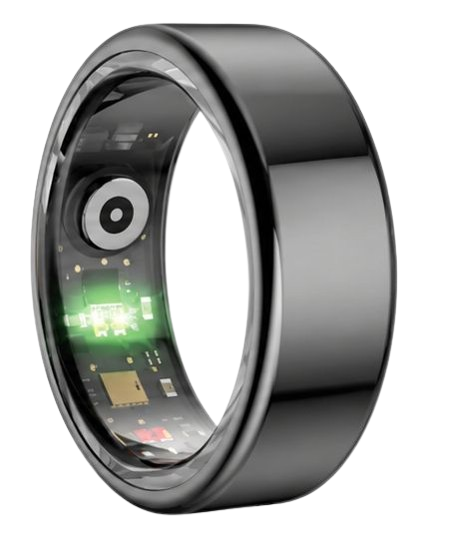
The Herz P1 Smart Ring tracks HRV, Sleep, Heart Rate & SpO2 around the clock. No subscriptions. No renewals. Ever.
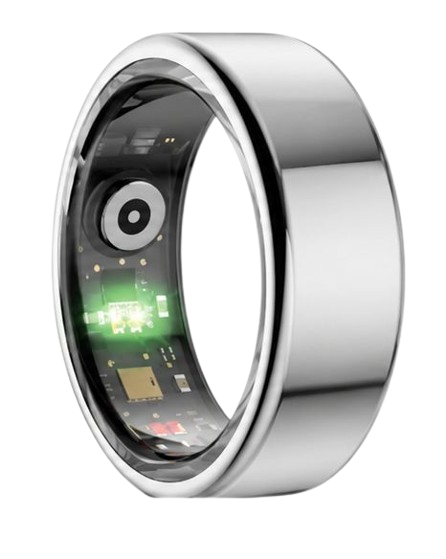
In This Article
- How to establish and analyze your personal physiological temp baseline.
- The biological distinctions between core and skin temperature dynamics.
- How external factors and internal circadian rhythms dictate your thermal trends.
- Actionable protocols to optimize sleep environments and tracking setups.
How to Establish and Monitor Your Physiological Temp: A Complete Step-by-Step Guide
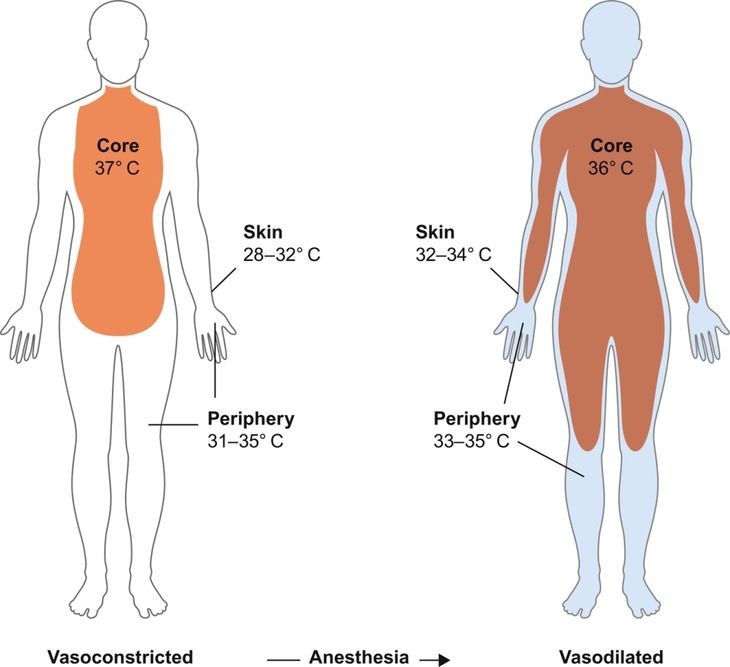
Your baseline thermal profile holds key details about your recovery rate, autonomic balance, and cardiovascular readiness.
Understanding your personal variations requires a methodical approach to data collection.
By following a structured assessment plan, you can easily separate daily anomalies from meaningful systemic alerts.
This systematic guide shows you exactly how to capture, review, and utilize these valuable data insights.
Prerequisites / What You’ll Need
To build a reliable thermal log, you need a high-precision, non-invasive wearable device equipped with a medical-grade thermal sensor.
You must also commit to a consistent sleep schedule for at least seven consecutive nights.
Ensure your sleeping quarters maintain a stable temperature between 65 and 68 degrees Fahrenheit.
Avoid using electric blankets, localized space heaters, or cooling pads during the primary seven-day baselining phase.
Keep a digital notebook or utilize your companion health application to record physical exertion and evening dietary habits.
-
Step 1: Secure Your Tracking Device and Optimize Fit
Select a biometric wearable that rests flush against a highly vascular region of your body.
A continuous tracking ring should fit snugly on your index or middle finger without sliding.
The optical and thermal sensors must stay in direct contact with your skin throughout the night.
If the device moves freely during sleep, ambient air currents will distort your skin temperature logs.
Ensure the fit does not pinch your finger or restrict healthy blood flow. -
Step 2: Track Your Baseline Values Over Seven Sleep Cycles
Your body relies on deep circadian rhythms that fluctuate in predictable patterns during rest.
You must record your skin metrics during sleep to minimize daytime variables like exercise and stress.
The first seven days of consistent data collection will establish your statistical average.
Your app calculates this average as a clean starting benchmark.
Avoid evaluating single-night spikes until this baseline calculation is complete. -
Step 3: Track Morning Deviations from Your Statistical Mean
Review your companion dashboard immediately upon waking up each morning.
Do not look for absolute values, but focus on deviations from your established mean.
A minor fluctuation of plus or minus 0.3 degrees Celsius is completely normal.
Write down any morning where your metrics shift higher or lower than this threshold.
This relative variation is the most important data point for proactive health planning. -
Step 4: Correlate Thermal Trends with Lifestyle Choices
Compare your daily temperature readings with your exercise logs and dietary choices.
Note if late-night meals or intensive cardio sessions push your overnight temperature upwards.
Observe how alcohol consumption impairs your cardiovascular system’s ability to cool down.
You will begin to spot clear connections between evening habits and morning thermal offsets.
Use these personal correlations to refine your pre-bed recovery routine. -
Step 5: Adjust Your Daily Workloads Based on Biometric Insights
If your morning temperature reads noticeably higher than your baseline, pivot your routine.
Scale back high-intensity aerobic training to prioritize deep physical recovery.
Increase your sleep duration by going to bed thirty minutes earlier.
Focus on stress reduction practices to support your nervous system.
Return to your normal physical workload once your morning metrics normalize.
The Herz P1 Smart Ring makes this step-by-step baselining process completely effortless.
Equipped with an advanced thermal sensor array, it logs your micro-fluctuations every minute of the night.
The accompanying app does all the complex calculations for you, presenting clear deviation charts without a monthly fee.
By wearing the military-grade ring to bed, you gain a clear overview of your recovery metrics without bulk.
Explore the subscription-free Herz P1 Smart Ring to upgrade your baseline tracking accuracy.
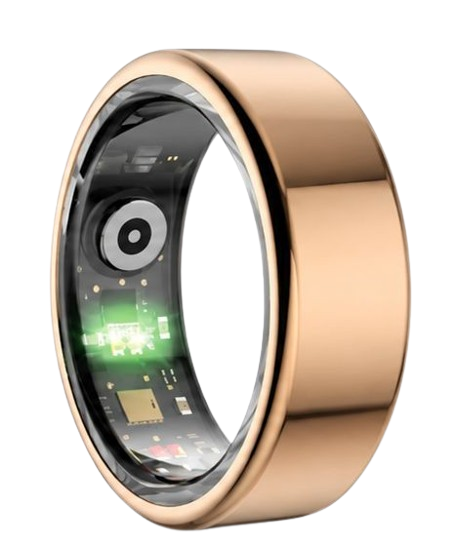
90-Day 100% Money-Back Guarantee
“The Herz Smart Ring helps me manage stress easily. It’s accurate, stylish, and lightweight—perfect for my busy life!”
— Jennifer P. | ✔ Verified Customer
- ✓ 6-Day Battery Life
- ✓ Detailed Sleep Analysis
- ✓ Fast 1-Hour Charging
- ✓ iOS & Android Ready
Questions? Call: 1-866-479-1629
The Biometric Science of Physiological Temp: Core vs. Skin Metrics
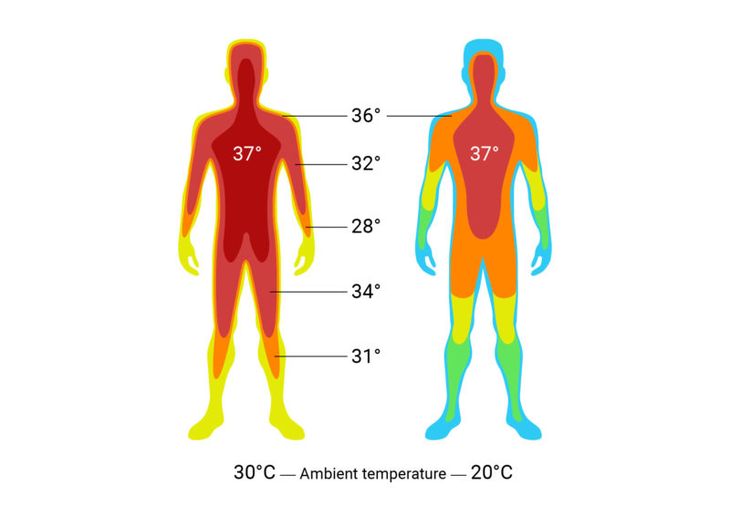
To fully understand your body’s thermal dynamics, you must distinguish between core and peripheral heat levels.
Clinical health metrics rely on distinct physical pathways to map these internal and external spaces.
Your core body temperature represents the warm, protected climate of your vital internal organs.
This internal warmth is tightly regulated by your brain’s hypothalamus to keep enzymes and cellular metabolic systems functioning perfectly.
It remains incredibly stable, typically hovering around 37 degrees Celsius with very little drift.
In contrast, your average skin temperature covers a wider, more dynamic functional spectrum.
The surface temperature of your limbs and extremities acts as your body’s primary cooling mechanism.
When your internal organs get too warm, your blood vessels dilate to push hot blood toward the skin’s surface.
This process, known as vasodilation, allows excess heat to radiate away into the surrounding environment.
Therefore, a sudden rise in peripheral skin temperature often indicates that your body is actively dumping internal heat.
Our team tracks these interactions because they reflect the real-time state of your autonomic nervous system.
A healthy, resting body exhibits a clear, predictable pattern during the overnight recovery window.
As you transition into deep sleep, your core temperature naturally drops as metabolic activity slows.
Simultaneously, your peripheral skin temperature rises as blood vessels dilate to release that internal heat.
Understanding this trade-off allows us to monitor sleep quality and circadian alignment with great accuracy.
Understanding Your Skin Temp Normal Range and Dynamic Variables
What is a normal, healthy reading when tracking the physical surface of your body?
Because your skin is exposed to the outside world, its thermal range is much wider than your deep core.
The typical internal temperature of the human body remains remarkably steady to protect metabolic systems.
However, the typical skin temp normal range spans from 32 to 35 degrees Celsius at your extremities.
This baseline shifts easily based on room air, clothing thickness, and local cardiovascular blood flow.
Rather than chasing an arbitrary number, focus on your established personal thermal baseline.
Your body establishes a unique thermal footprint that serves as your healthy baseline.
This customized average accounts for your unique metabolic rate, age, gender, and local vascular layout.
A reading that signals a potential recovery issue for one user might be completely normal for you.
Our tracking algorithms focus entirely on deviations from your personal baseline to ensure high accuracy.
When your body deals with physical stress, these normal skin ranges show noticeable variations.
A prolonged period of high stress triggers your sympathetic nervous system, causing blood vessels to constrict.
This response pulls blood away from your fingers and toes, driving your peripheral temperature down.
Conversely, during rest and digestion, parasympathetic activity opens up your vessels and warms your hands.
By watching these shifts, we can assess your physiological stress levels in real time.
Interpreting Body Temperature Fluctuations During the Day
Your body does not maintain a flat thermal profile as you move through your daily schedule.
Predictable body temperature fluctuations during the day align with your natural hormonal cycles.
Your temperature typically hits its lowest point in the early morning hours, around 4:00 AM.
It then steadily rises throughout the afternoon, peaking in the late evening as metabolism peaks.
Physical movement, digestional workloads, and cognitive focus all contribute to these daily shifts.
Sometimes, you may observe an irregular body temperature reading that breaks this standard curve.
These sudden variations often indicate an underlying change in your recovery state, immune health, or physical strain.
For instance, a sudden thermal spike during sleep could mean your body is fighting off an infection.
Conversely, an unexpected temperature drop might suggest poor circulation, fatigue, or cold room conditions.
Let’s look at the primary drivers of these thermal shifts in the detailed table below.
| Thermal Indicator | Common Physical Causes | Key Physiological Action Needed |
|---|---|---|
| Overnight Elevation (> +0.5°C) | Immune activation, late meals, alcohol use, overtraining | Prioritize hydration, rest, and light workloads |
| Overnight Drop (< -0.5°C) | Extreme room cooling, poor circulation, low metabolic state | Optimize sleep environment, wear warmer socks or layers |
| Sympathetic Constriction (Cold Hands) | Acute cognitive stress, anxiety, caffeine consumption | Practice deep breathing, take physical movement breaks |
Recognizing the varying body temperature causes is essential to managing your physical recovery.
External factors like bedroom humidity and bedding materials play a major role in your overnight metrics.
Internal factors, such as hormonal shifts and immune responses, alter your baseline from the inside out.
For example, women experience predictable thermal shifts during their monthly menstrual cycle.
By tracking these patterns over time, you can better anticipate and support your body’s changing needs.
When your resting metrics read body temperature higher than normal, your cardiovascular system is working harder.
Your resting heart rate often rises alongside this thermal spike, while your heart rate variability (HRV) drops.
This combined biometric trend indicates that your body is redirecting energy toward defense or recovery.
Paying attention to these early warnings allows you to rest before you feel completely exhausted.
The Herz P1 Smart Ring tracks these subtle trends to help you make informed daily adjustments.
Continuous Temperature Tracking: The Herz P1 Advantage

Traditional health wearables often struggle to capture clean, reliable temperature metrics during the day.
Smartwatches sit loosely on the wrist, where environmental air and constant arm movement distort the readings.
The Herz P1 Smart Ring solves this issue by tracking metrics directly from the base of your finger.
The digital arteries in your fingers are highly sensitive to systemic changes in blood flow and heat.
This placement allows our advanced sensor array to capture clean, clinical-grade thermal data.
Our premium ring is engineered with military-grade steel and a hypoallergenic inner molding.
This durable design ensures the sensitive thermal sensors remain pressed gently against your skin.
The ring is also IP68 waterproof, meaning you can wear it in the shower, pool, or sauna.
With a long-lasting 6-day battery, you don’t have to worry about nightly charging interruptions.
This continuous tracking delivers a complete, uninterrupted map of your personal circadian rhythms.
The Herz P1 App processes this complex biometric data into clear, simple visual dashboards.
It overlays your temperature deviations on top of your HRV, sleep stages, and resting heart rate.
This comprehensive approach shows you exactly how thermal shifts impact your sleep and energy levels.
Best of all, you get full access to all your historical data without any monthly subscription fees.
Our team believes that your personal health data should always belong to you, completely free.
Avoiding Pitfalls: Common Errors in Temperature Tracking
Many wearable users make simple mistakes that compromise the accuracy of their biometric data.
The most common issue is wearing a device that fits too loosely on the hand or wrist.
If your smart ring rotates too easily, the sensors will lose contact with your skin.
This allows cool ambient air to slip underneath, causing false readings that mimic temperature drops.
Always select a snug fit that stays in place during normal daily activity and sleep.
Another frequent pitfall is relying on devices that require ongoing app subscription fees.
Many popular health trackers lock your historical temperature and HRV charts behind a paywall.
This can leave you feeling frustrated by rising monthly costs just to access your own body metrics.
The Herz P1 Smart Ring bypasses these subscription traps with an app that is free for lifetime.
You get full clinical-grade analytics, long-term trend data, and personalized insights from day one.
Frequently Asked Questions (FAQ)
It is fully protected against dust, sweat, and water submersion up to 164 feet.
You can safely wear it while swimming laps, showering, washing dishes, or relaxing in a hot tub.
This durable construction ensures uninterrupted biometric tracking through all your daily activities.
It utilizes a custom lithium-polymer battery optimized for energy-efficient biometric sensing.
When it is time to recharge, the ring reaches a full 100% charge in under 1 hour.
This fast charging cycle makes it easy to power up during your morning shower without missing data.
The index finger typically has the strongest blood flow, yielding highly accurate optical readings.
Ensure the ring fits snugly without pinching, and that the inner sensor bump rests against the palm side of your hand.
Your non-dominant hand is often the most comfortable option for daily wear and workouts.
You do not need to keep your smartphone nearby or leave Bluetooth on overnight.
The ring securely logs your sleep, temperature, HRV, and heart rate metrics offline.
The next time you open the app, your data will sync and update your dashboard automatically.
Conclusion
Understanding your personal physiological temperature range is a powerful way to monitor recovery, optimize sleep quality, and support overall health.
The Herz P1 Smart Ring provides continuous, subscription-free tracking in a sleek and durable design.
Ready to monitor your health every day? Explore the Herz P1 Smart Ring and see if it fits your lifestyle. Call: 1-866-479-1629 — our team can help you advise on the correct ring size and set personalized health goals.
