

Tracking your core body temperature is the ultimate key to unlocking peak physical performance, deep restorative sleep, and hormonal harmony. The revolutionary Herz P1 smart ring continually monitors subtle physiological shifts to decode these critical signals without intrusive chest straps or clinical thermometer probes. By reading this comprehensive guide, you will master the exact science of body temperature changes and discover how to optimize your lifestyle for ultimate well-being.
Built to Last. Save Up to 69% Today.
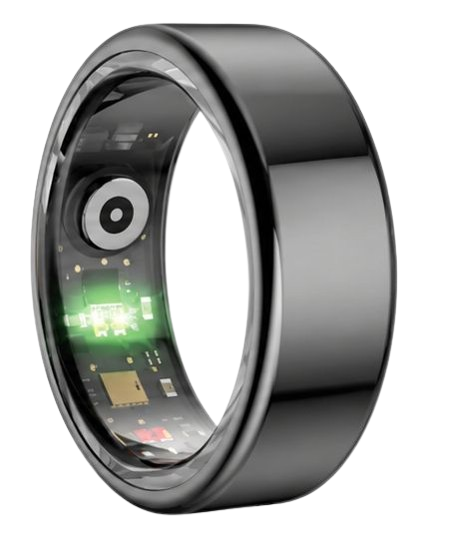
The Herz P1 Smart Ring tracks HRV, Sleep, Heart Rate & SpO2 around the clock. No subscriptions. No renewals. Ever.
In This Article
- Step-by-Step Temperature Tracking: Learn how to correctly monitor daily fluctuations.
- Deep-Dive Biometrics: Understand the connection between core and skin temperature.
- Sleep and Circadian Cycles: Discover why temperature drop is essential for recovery.
- Hormonal Trends: Track natural cycles using advanced skin metrics.
How to Track and Optimize Core Body Temperature Fluctuations for Ultimate Recovery
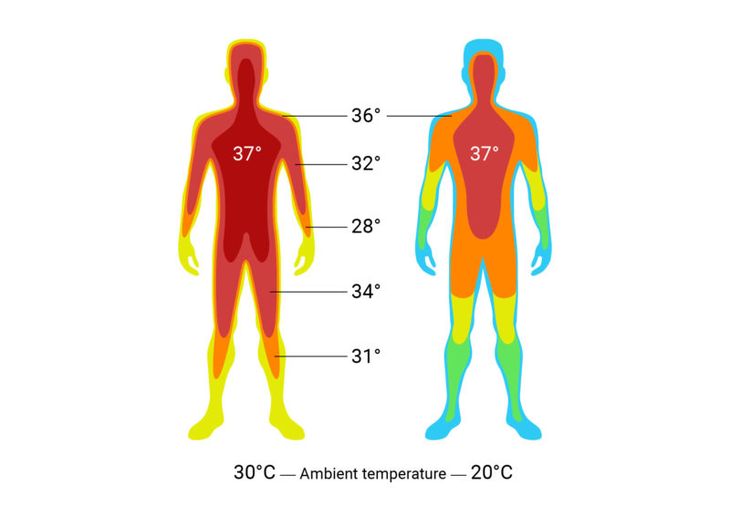
To master your physiological recovery, you must learn to interpret your body’s thermal trends.
Your body shifts its heat from its core to its shell throughout the day to support various metabolic tasks.
By tracking these subtle shifts, you can identify early signs of stress, oncoming illness, or overtraining.
Prerequisites / What You’ll Need
To successfully execute this tracking protocol, you will need a continuous biometric tracking device.
The device should feature an integrated, high-precision thermal sensor with at least 0.1-degree resolution.
You also need a baseline of at least seven consecutive days of consistent tracking data to establish your personal norm.
-
Step 1: Establisih Your Biometric Baseline
Your body has its own unique thermal signature that differs from the generic standards.
Wear your smart tracking ring consistently for one full week to allow the sensors to map your daily patterns.
Ensure you wear the ring on the same finger each night to prevent calibration errors.
Avoid viewing sporadic high readings as anomalies until your baseline is fully established by the algorithm.
-
Step 2: Monitor the Morning Thermal Shift
As you wake, your body transitions from a state of deep rest to active metabolic production.
Check your thermal trends immediately upon waking to see if your body has initiated its natural morning rise.
A delayed or suppressed temperature rise in the morning often signals lingering systemic fatigue.
Keep a daily log of how alert you feel compared to your morning thermal trajectory.
-
Step 3: Analyze Workout Thermal Demands
Physical exercise naturally spikes your metabolic output and elevates your internal temperature.
Observe how quickly your system returns to its baseline temperature after completing a strenuous workout.
A rapid cool-down period indicates a highly efficient cardiovascular and thermoregulatory system.
If your temperature remains elevated for hours post-exercise, reduce your training volume to prevent overtraining.
-
Step 4: Assess Your Pre-Sleep Cool-Down
Your system must shed heat to initiate the transition into deep sleep stages smoothly.
Check your tracking app two hours before bed to verify that your temperature has begun to descend.
If your temperature remains high, avoid heavy late-night meals or intense exercise near bedtime.
Use a cool bedroom environment to assist your body in shedding this excess thermal energy.
-
Step 5: Compare Daytime Patterns with Nightly Trends
Track the relationship between your active daytime temperature and your overnight recovery values.
Consistently elevated night readings indicate that your body is fighting off stress or subclinical infection.
When you notice these elevations, prioritize passive recovery and increase your hydration levels.
Cross-reference these trends with your resting heart rate and heart rate variability for a complete recovery profile.
The Herz P1 smart ring automates this entire sequence for you without any manual effort.
Its medical-grade sensors record your thermal trends while you sleep, providing a clear morning recovery score directly in the free app.
Demystifying Internal Body Temperature and Average Skin Temperature
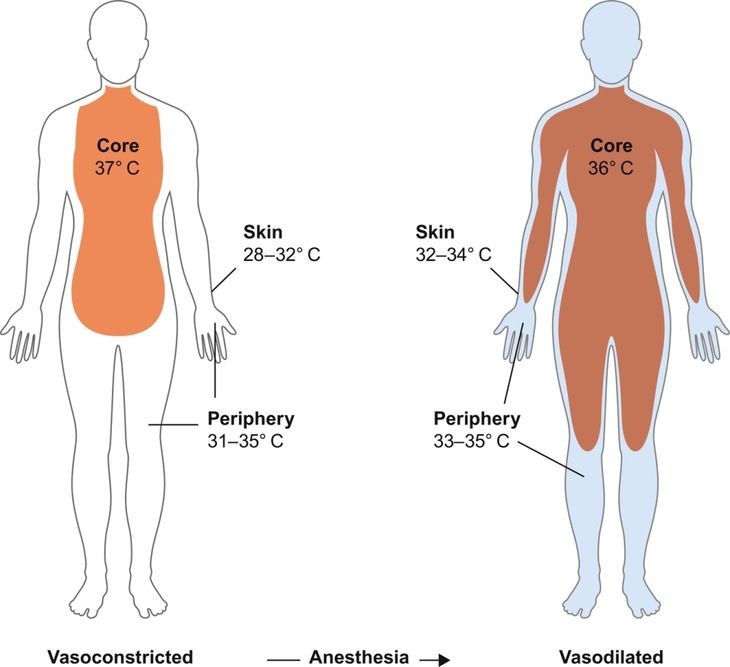
Your body manages heat through two distinct layers: the core and the peripheral shell.
The internal body temperature remains highly guarded by your brain’s hypothalamus to protect vital organs.
In contrast, your average skin temperature fluctuates readily based on your surroundings and circulation.
When your core needs to cool down, blood vessels in your skin expand to release excess thermal energy.
This process is known as vasodilation and directly affects your skin’s surface temperature.
According to research supported by the American Heart Association, cardiovascular efficiency is closely tied to healthy vascular expansion.
When vascular expansion is impaired, your skin temperature may fail to show its typical nocturnal rise.
This failure points to autonomic nervous system stress or poor circulatory health.
A tracking device on your finger can read these skin changes much more quickly than a wrist-based tracker.
The large digital arteries in your fingers are highly sensitive to autonomic signals.
This sensitivity allows the Herz P1 to detect subtle vascular responses long before other devices register them.
By observing these patterns, you can gain a clear window into how your cardiovascular system manages daily stress.
The Science of Sleep: Does Body Temp Drop While Sleeping?
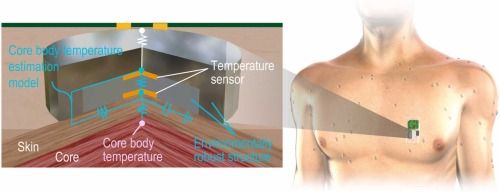
A vital physiological process occurs every night as you transition into a restful state.
So, does body temp drop while sleeping naturally?
Yes, your core temperature must drop by approximately one to two degrees Fahrenheit to facilitate deep sleep.
This drop helps reduce metabolic demand, allowing your brain and muscles to focus entirely on cellular repair.
At the same time, your peripheral skin temperature actually rises as heat radiates outward from your core.
This fascinating inverse relationship is a cornerstone of healthy sleep architecture.
The National Sleep Foundation emphasizes that poor room thermoregulation is a major cause of sleep fragmentation.
If your room is too warm, your body cannot shed core heat, which significantly reduces your deep sleep stages.
Analyzing your skin temperature during sleep provides immediate insight into this critical recovery phase.
If your skin temperature remains flat or drops during the night, your body is struggling to dump internal heat.
This pattern often points to late-night eating, alcohol consumption, or elevated bedtime stress levels.
By correcting these lifestyle habits, you can restore your body’s natural thermal dip and wake up feeling much more refreshed.
Hormonal Signposts: Menstrual Cycle and Circadian Rhythm Connections
The female body experiences predictable thermal variations driven by natural hormonal cycles.
Many women experience distinct hot and cold body temperature swings female users often notice throughout the month.
These swings are closely tied to the balance of estrogen and progesterone in the system.
Understanding your body temperature and menstrual cycle helps you plan your training and recovery phases more effectively.
During the follicular phase, estrogen dominates, which keeps your baseline temperature relatively low.
Following ovulation, progesterone levels rise, causing a noticeable shift to a higher thermal baseline.
Many women ask: does your temperature rise before your period as part of this process?
Indeed, your temperature remains elevated during the luteal phase right up until your period begins.
When menstruation starts, your temperature drops back down to its lower follicular baseline.
These hormonal shifts are layered on top of your daily circadian rhythm body temperature variations.
Your circadian cycle dictates that your temperature is lowest in the early morning and highest in the late afternoon.
However, many people wonder: does body temperature rise at night under normal conditions?
Under normal conditions, your core temperature falls at night, while your skin temperature rises to release heat.
If you observe a genuine increase in core temperature overnight, your body is likely dealing with acute physiological stress.
By tracking these nested cycles, you can gain a much deeper understanding of your body’s complex rhythms.
Practical Application Guide: Reading Your Herz P1 App Data
The Herz P1 app turns complex physiological data into clear, easy-to-understand lifestyle insights.
When you open your dashboard, the app presents a clean, visual breakdown of your nightly thermal trends.
The interface highlights whether your temperature was within, above, or below your personal baseline range.
A value marked as “elevated” indicates that your system is working harder than usual to maintain balance.
You can use this data to make smart adjustments to your daily routine and training intensity.
If your morning reading shows an increased temp, consider swapping a high-intensity workout for a recovery walk.
Conversely, when your temperature is perfectly stable, your body is primed to handle a challenging training session.
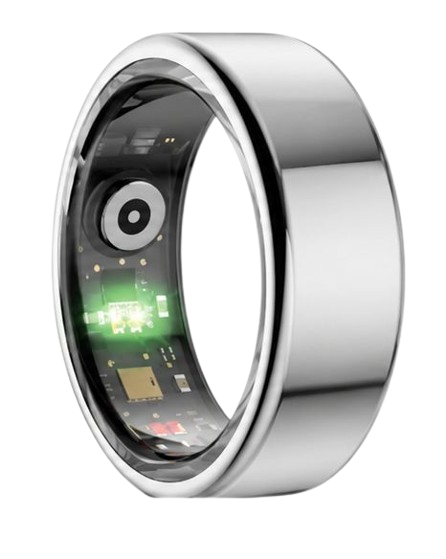
The sleek, lightweight design of the Herz P1 makes it incredibly comfortable to wear all day and night.
Unlike bulky smartwatches that can irritate your wrist, the ring sits comfortably on your finger without disrupting your sleep.
This comfort ensures you capture clean, uninterrupted recovery data every single night.
Overcoming Risks & Common Tracking Pitfalls
Many people struggle to get reliable biometric insights because of common device and usage errors.
A very common mistake is wearing a bulky smartwatch to bed to track sleep stages.
These heavy devices frequently shift on your wrist, causing sensor gaps and highly inaccurate readings.
Additionally, many wearable brands trap your personal health data behind expensive monthly paywalls.
This practice forces you to pay ongoing subscription fees just to view the data your body generated.
The Herz P1 eliminates this problem entirely by offering a completely free companion app for life.
You pay once for your military-grade hardware and enjoy unlimited access to your biometric trends forever.
Another common pitfall is ignoring a highly irregular body temperature reading over several days.
If your body temperature fluctuations seem erratic, verify that your ring fits snugly on your finger.
A loose ring can rotate during the night, allowing ambient air to cool the thermal sensors.
If the fit is correct but your readings remain highly unusual, your system may be fighting off an illness.
In these cases, prioritizing early rest and proper hydration can help your body recover much more quickly.
Frequently Asked Questions About Body Temperature tracking
-
Is the Herz P1 smart ring waterproof?
Yes, the Herz P1 features a robust IP68 waterproof rating, allowing it to withstand water depths up to 164 feet.
This means you can confidently wear it while swimming, showering, washing your hands, or enjoying a sauna session.
The military-grade steel outer shell protects the inner electronics from moisture and pressure under all normal conditions.
-
How long does the battery last on a single charge?
The high-performance battery in the Herz P1 provides up to 6 days of continuous tracking on a single charge.
When it is time to charge, the ring powers up from zero to full in less than one hour.
This rapid charging ensures you never have to miss tracking your vital nightly sleep stages.
-
Which finger is best to wear the smart ring on?
For the highest biometric accuracy, we recommend wearing the Herz P1 on your index, middle, or ring finger.
The blood vessels in these fingers are larger and run closer to the skin, providing a much cleaner PPG signal.
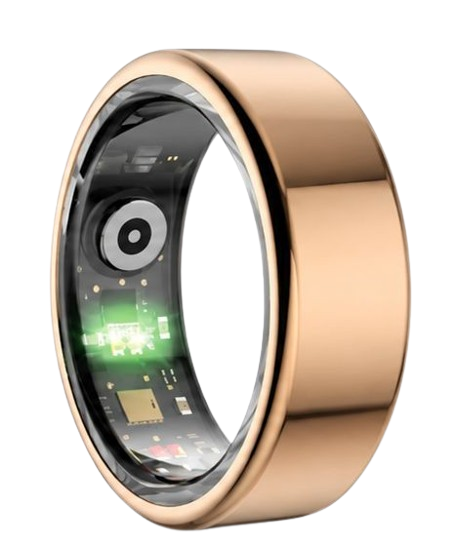
Ensure the inner sensor bumps sit snugly against the palm side of your finger for optimal contact.
-
Does the ring store biometric data when offline?
Yes, the Herz P1 features built-in memory that can store up to 7 days of raw biometric data offline.
You do not need to keep your phone nearby or connected via Bluetooth throughout the day or night.
The next time you open the app, your stored data will automatically sync and update your dashboard in seconds.
90-Day 100% Money-Back Guarantee
“The Herz Smart Ring helps me manage stress easily. It’s accurate, stylish, and lightweight—perfect for my busy life!”
— Jennifer P. | ✔ Verified Customer
- ✓ 6-Day Battery Life
- ✓ Detailed Sleep Analysis
- ✓ Fast 1-Hour Charging
- ✓ iOS & Android Ready
Questions? Call: 1-866-479-1629
Conclusion: Your Advanced Health Journey Begins Today
Monitoring your core and skin temperature trends is one of the most powerful actions you can take to optimize your recovery, sleep, and performance. The Herz P1 Smart Ring makes this sophisticated biological analysis completely effortless and accessible every single day.
Ready to monitor your health every day? Explore the Herz P1 Smart Ring and see if it fits your lifestyle. Call: 1-866-479-1629 — our team can help you advise on the correct ring size and set personalized health goals.
