

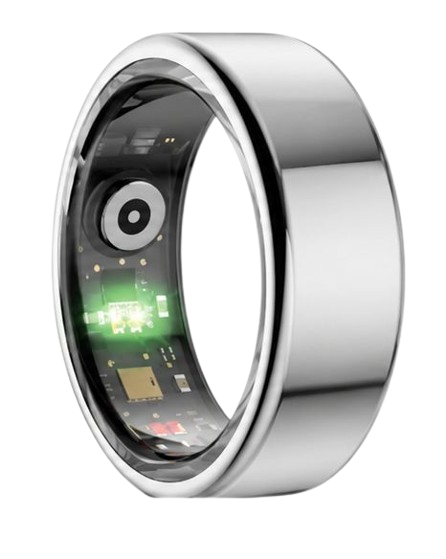
Many people wonder, “why do I have a varying body temperature throughout the day?” According to clinical thermoregulation studies, your baseline temperature naturally fluctuates by up to 1.8°F daily due to your biological clock and metabolic demands. To track these crucial subtle shifts without bulky equipment, the Herz P1 Smart Ring offers medical-grade 24/7 skin temperature monitoring to help you decode your wellness trends effortlessly.
Built to Last. Save Up to 69% Today.
The Herz P1 Smart Ring tracks HRV, Sleep, Heart Rate & SpO2 around the clock. No subscriptions. No renewals. Ever.
In This Article
- Understanding Your Thermal Shifts: Why your body temperature changes naturally throughout the day.
- Core vs. Skin Metrics: How biological feedback points differ on your body.
- Circadian Drivers: The science behind your natural 24-hour internal temperature rhythm.
- Actionable Insights: Practical ways to use biometric logs to optimize your rest, exercise, and recovery.
Why Do I Have a Varying Body Temperature? Here Is What the Data Says
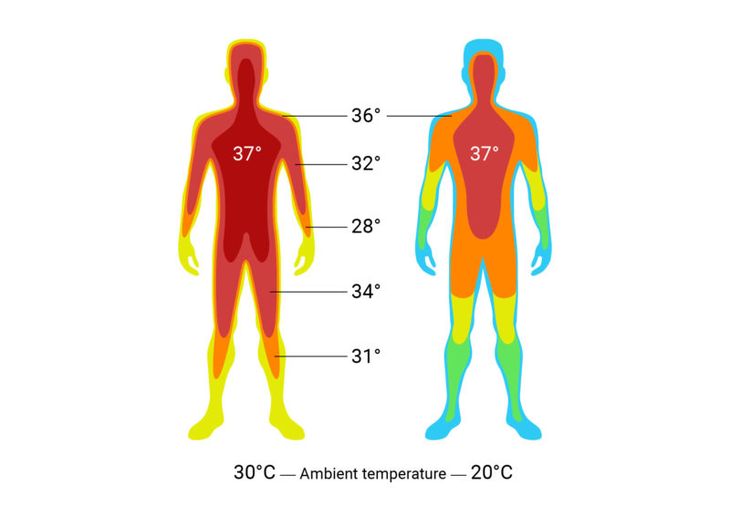
Your biological system is not a static machine that remains at a fixed thermal point all day long.
A varying body temperature is actually a normal sign of an active, healthy metabolism adapting to its environment.
This thermal fluctuation is officially known as thermoregulation, managed continuously by the preoptic area of your brain’s hypothalamus.
To fully comprehend why your thermal patterns go through hot and cold body temperature swings, we must break down this biological mechanism using a clear, analytical framework.
What is This Thermal Variation About?
Your body shifts its temperature dynamically to support cellular repair, digestion, hormonal secretion, and cognitive readiness.
Your body heat is generated by metabolic activity in vital organs and skeletal muscle tissue.
It is then distributed or dissipated through blood vessels close to your skin surface.
A healthy baseline, or physiological temp, changes smoothly as you move from activity to rest.
Who is Affected by These Shifts?
Every single human being experiences daily thermal variations as a fundamental part of homeostasis.
However, athletes, individuals under high physical stress, and women tracking their monthly cycle will see more pronounced shifts.
Understanding these personal trends helps you identify exactly how your body responds to everyday fatigue or hormonal shifts.
When Do These Variations Matter Most?
Your temperature changes follow a highly structured 24-hour cycle linked directly to your sleep-wake rhythm.
It also changes significantly during ovulation, periods of intense recovery, or under sudden mental pressure.
Tracking these changes during your quietest resting hours provides the most accurate and useful picture of your baseline wellness.
Where Do These Temperature Changes Occur?
The control center for your body’s climate is located deep inside the brain’s hypothalamus.
However, the actual physical changes are measured differently depending on the body site.
The internal temperature of the human body remains closely guarded around your core organs.
Meanwhile, your peripheral skin temperature fluctuates far more widely to protect that sensitive inner core.
Why Does This Thermal Variation Happen?
Your system purposefully lowers your temperature during the evening to help initiate restorative sleep stages.
In contrast, it raises your temperature during waking hours to support muscle movement, digestion, and alertness.
When you undergo physical stress, your body may show a elevated pattern to initiate a natural immune defense response.
How Does the Body Control This Process?
The system works through two primary physical processes: vasodilation and vasoconstriction.
When you need to cool down, your blood vessels dilate to release heat through your skin surface.
When you need to conserve warmth, the vessels constrict, keeping warm blood concentrated around your vital internal organs.
This explains what causes body temp to drop during deep, restorative sleep when your metabolic rate reaches its lowest point.
How Much Variation Is Considered Normal?
A typical healthy daily variation is between 0.5°F and 1.8°F (0.3°C to 1.0°C).
Any sudden, sustained change outside of this range could point to a shift in physical stress, hormonal cycles, or a immune response.
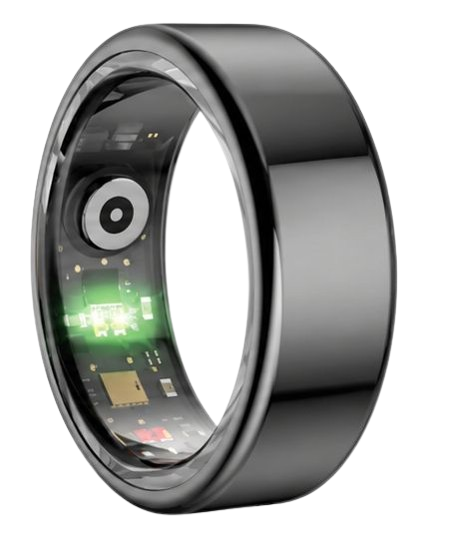
If you want to track this in real time, the Herz P1 Smart Ring monitors these trends 24/7 — explore it here.
90-Day 100% Money-Back Guarantee
“The Herz Smart Ring helps me manage stress easily. It’s accurate, stylish, and lightweight—perfect for my busy life!”
— Jennifer P. | ✔ Verified Customer
- ✓ 6-Day Battery Life
- ✓ Detailed Sleep Analysis
- ✓ Fast 1-Hour Charging
- ✓ iOS & Android Ready
Questions? Call: 1-866-479-1629
Decoupling Core vs. Skin Temperature: The Physiology of Thermoregulation
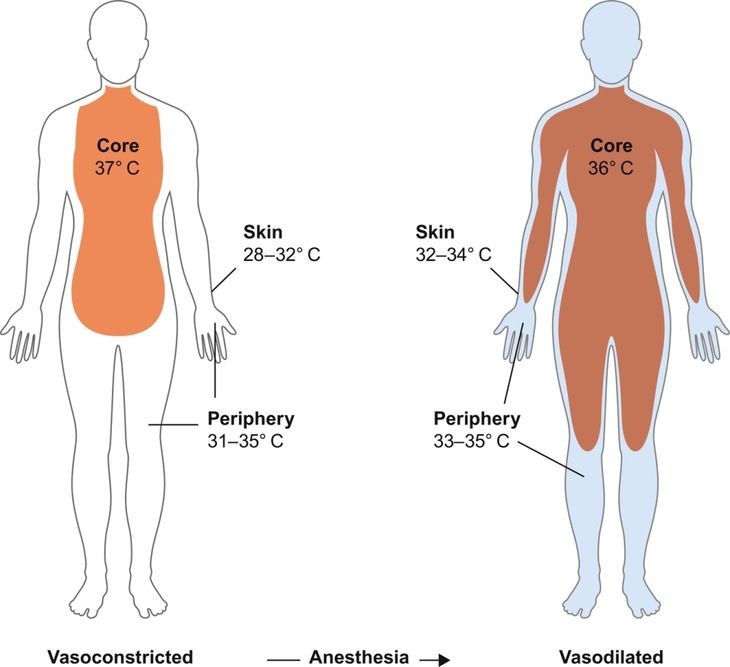
To truly understand your physical trends, you must know the difference between your core temperature and your skin temperature.
Your internal body temperature remains highly protected and stable around your brain and vital organs.
Even a small change in this deep reading can signify a notable physiological event.
Conversely, your skin temperature is highly dynamic and reacts quickly to your immediate environment.
This is why traditional oral thermometers can sometimes report an irregular body temperature that does not match how you actually feel.
Your skin acts as your body’s primary radiator, shedding or retaining heat by altering localized blood flow.
During exercise or in warm conditions, your body increases peripheral blood flow, which makes your skin warmer as it releases heat.
When you are cold, stressed, or entering sleep, blood is pulled back inward, causing peripheral skin temperature to drop.
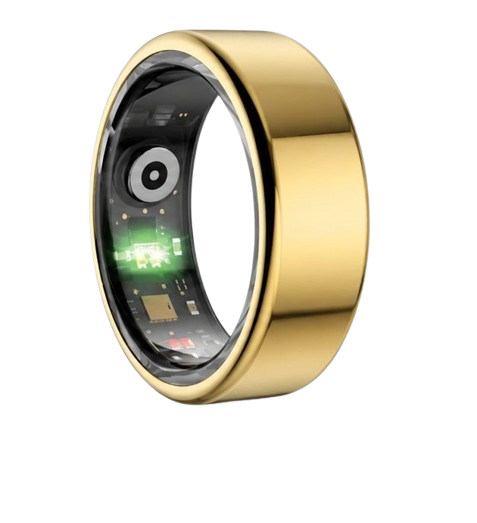
The Herz P1 Smart Ring utilizes a medical-grade, highly sensitive thermistor sensor sitting directly against the palmar side of your finger.
This allows the device to capture micro-changes in your vascular flow with extreme, continuous precision.
By mapping these subtle variations over time, you build a highly personalized thermal signature.
This personalized approach avoids the errors of one-off spot checks and provides an accurate, ongoing look at your physical recovery state.
Circadian Rhythm and Hormonal Drivers Behind Daily Temperature Swings

Your daily temperature changes are heavily driven by your circadian rhythm, which acts as your body’s master biological clock.
This internal clock naturally schedules a distinct dip in your temperature in the early morning hours, usually around 4:00 AM.
This lowering of your temperature helps your body enter the deepest, most physically restorative phases of sleep.
As morning approaches, your metabolic rate increases, and your temperature rises to help you wake up feeling alert.
Throughout the afternoon, your temperature continues to rise, peaking in the late evening.
This natural pattern is why you may observe your body temperature higher at 6:00 PM compared to when you first wake up.
Beyond daily circadian rhythms, hormonal cycles play a massive role in thermoregulation, especially for women.
During the luteal phase of the menstrual cycle, increased progesterone levels act directly on the hypothalamus to raise your baseline temperature.
This explains why is my body temperature high during the two weeks leading up to your period.
Additionally, when your autonomic nervous system responds to mental or physical stress, it releases cortisol and adrenaline.
These stress hormones alter peripheral circulation, leading to sudden, visible temperature swings.
By continuously tracking these trends, the Herz P1 Smart Ring helps you see whether a change is a normal part of your cycle or a sign of stress.
How to Use Your Temperature Trends for Better Recovery and Sleep
Once you begin tracking your physical data, those daily numbers become practical, life-improving insights.
The Herz P1 App continuously records your resting skin temperature alongside your heart rate variability (HRV) and sleep stages.
According to the National Sleep Foundation, a steady evening drop in temperature is essential for deep slow-wave sleep.
If your evening temperature remains elevated, it often indicates that your body is working hard to process a late meal, alcohol, or intense late-night exercise.
By checking your daily dashboard, you can adjust your lifestyle habits to help your body cool down naturally before bed.
For active individuals, tracking your temperature trends serves as an early indicator of recovery status or physical fatigue.
A sustained elevation in your baseline temperature over several days, combined with a drop in HRV, often suggests that your muscles require rest.
This valuable insight allows you to adjust your workout intensity before overtraining sets in.
Wearing the Herz P1 Smart Ring 24/7 provides your body with a continuous wellness log, helping you make proactive, data-informed lifestyle choices every day.
Overcoming Wearable Pitfalls: Accuracy, Comfort, and Hidden Fees
Many health-conscious individuals struggle to track their metrics consistently because of poorly designed devices.
Wearing a bulky, heavy smartwatch to bed can easily disrupt your sleep and alter your natural skin contact.
If a wearable moves around too much on your wrist, the sensors cannot gather steady, accurate biometric data.
Furthermore, many premium smart rings on the market lock your personal wellness data behind expensive monthly app subscriptions.
We believe you should never have to pay a recurring fee to access your own body’s natural signals.
The Herz P1 Smart Ring solves these common issues with its lightweight, military-grade steel construction.
It sits comfortably and securely on your finger, maintaining steady contact with your blood vessels without causing any sleep disruption.
Additionally, the Herz P1 companion app is completely free for life, with absolutely no subscription fees or hidden costs.
This direct approach ensures you enjoy accurate, hassle-free tracking and complete ownership of your health data from day one.
Frequently Asked Questions About Body Temperature and Smart Rings
Is the Herz P1 Smart Ring waterproof?
Yes, the Herz P1 features a rugged IP68 waterproof rating, making it fully safe for everyday use.
It can withstand continuous submersion in water up to 164 feet (50 meters) deep without any risk to the internal sensors.
You can confidently wear it while washing your hands, showering, swimming laps, or relaxing in a hot bath.
How long does the ring’s battery last on a single charge?
The Herz P1 provides up to 6 days of continuous biometric tracking on a single charge.
It charges from 0% to 100% in under 1 hour using the included compact magnetic charging dock.
This long battery life means you rarely have to worry about missing important sleep or activity logs.
Which finger is best to wear the smart ring on?
We recommend wearing the Herz P1 on your index, middle, or ring finger of your non-dominant hand.
These fingers typically have the strongest capillary blood flow close to the skin surface for optimal sensor readings.
The non-dominant hand is preferred because it experiences fewer daily physical impacts, keeping the ring safe from scratches.
Does the Herz P1 store my biometric data offline?
Yes, the ring features secure onboard memory that can store up to 7 days of biometric data offline.
You do not need to keep your smartphone nearby or connected to Bluetooth at all times.
As soon as you open the companion app, your stored data syncs automatically to your personal dashboard.
Conclusion
A varying body temperature is a natural reflection of your body’s active, hard-working metabolic rhythms.
By continuously monitoring these changes, you unlock a clearer, data-driven path to optimizing your sleep, recovery, and daily wellness.
Ready to monitor your health every day? Explore the Herz P1 Smart Ring and see if it fits your lifestyle. Call: 1-866-479-1629 — our team can help you advise on the correct ring size and set personalized health goals.
