

Many people wake up to find themselves sleeping with legs crossed and wonder what physical or neurological triggers cause this specific nighttime habit. At Team Herz P1, we understand that your sleep posture directly reflects your internal health metrics, muscle tension, and nervous system recovery. By tracking your sleep architecture with the Herz P1 Smart Ring, you can decode these subtle physical movements and optimize your daily sleep quality effortlessly.
Built to Last. Save Up to 69% Today.
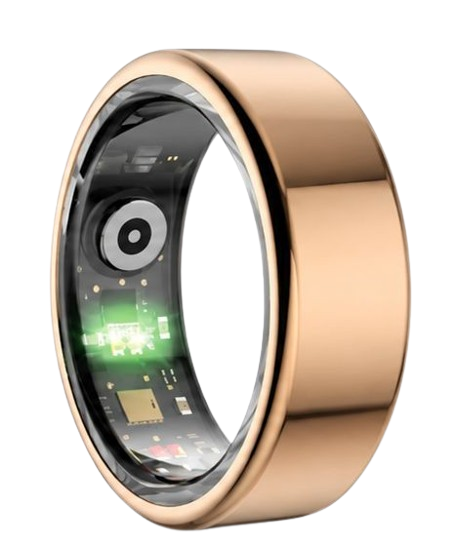
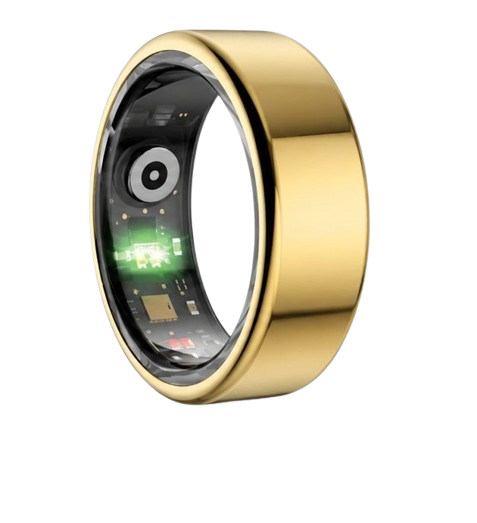
The Herz P1 Smart Ring tracks HRV, Sleep, Heart Rate & SpO2 around the clock. No subscriptions. No renewals. Ever.
In This Article
- Postural Biomechanics: Discover the anatomical triggers and muscle responses that cause crossed legs.
- Autonomic Stress Signals: Learn how heart rate variability and nervous system tension dictate sleep movement.
- Biometric Optimization: How to monitor recovery metrics and adjust pelvic alignment to prevent stiffness.
- Practical Tracking Hacks: Eliminate charging anxiety and choose the correct finger for optimal optical tracking.
Why Do I Cross My Legs When I Sleep? The Biomechanical and Physiological Triggers
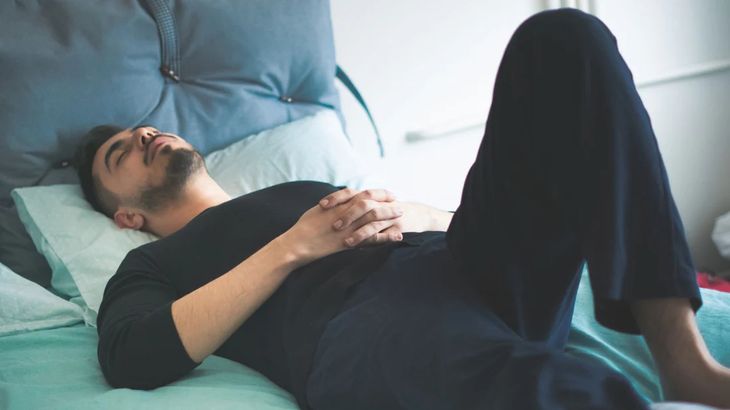
Finding yourself crossing legs when sleeping is a highly common physical occurrence that many people experience without conscious awareness.
This nocturnal alignment is not merely a random habit but rather a structural response to mechanical stress in the lower body.
At its core, this posture involves placing one ankle or knee over the other while resting in bed.
This position is particularly prevalent among side sleepers who require additional pelvic stability during the night.
Wider hip structures often require this leg alignment to prevent the pelvis from tilting forward too aggressively.
This protective posture typically manifests during the transition into deeper sleep stages when voluntary muscle control decreases.
As your skeletal muscles relax, the structural weight of your limbs can pull your spine out of neutral alignment.
This physical shifting occurs primarily in the lateral and semi-prone sleeping positions that many people adopt.
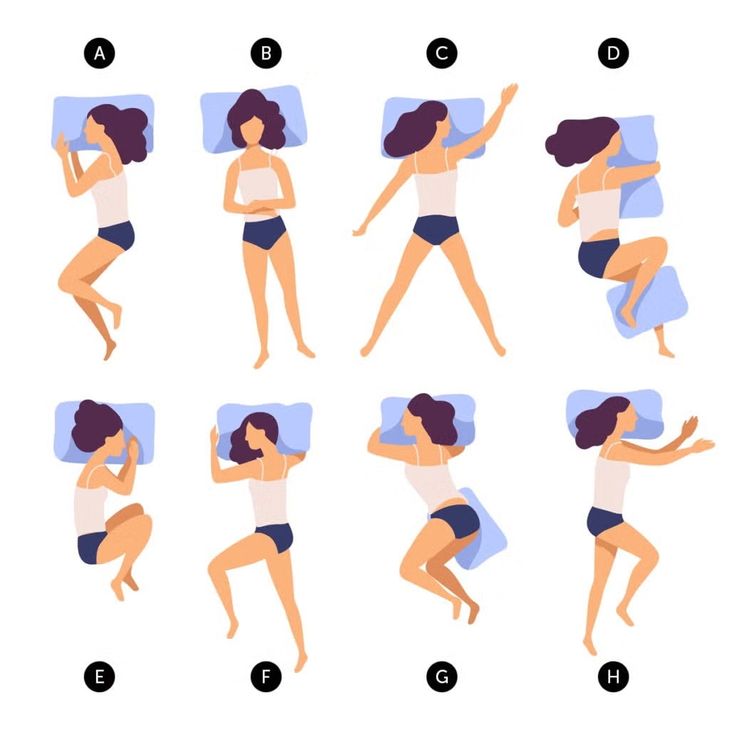
Some sleepers even configure their lower limbs into a distinct figure 4 sleeping position to maintain skeletal balance.
The underlying reason for this behavior is the body’s natural drive to relieve pressure on the sacroiliac joints.
By crossing the legs, you effectively lock the pelvis in place and prevent the lumbar spine from rotating excessively.
This neuromuscular adjustment is orchestrated by the motor cortex in response to continuous tension signals from your hip adductors.
Clinical studies indicate that the average healthy adult shifts their sleeping posture up to forty times every night to redistribute pressure.
Sustained leg crossing can indicate that your sleeping surface does not offer adequate structural support for your natural frame.
If you want to track this in real-time, the Herz P1 Smart Ring monitors your physical restlessness and sleep stage metrics 24/7 — explore it here.
90-Day 100% Money-Back Guarantee
“The Herz Smart Ring helps me manage stress easily. It’s accurate, stylish, and lightweight—perfect for my busy life!”
— Jennifer P. | ✔ Verified Customer
- ✓ 6-Day Battery Life
- ✓ Detailed Sleep Analysis
- ✓ Fast 1-Hour Charging
- ✓ iOS & Android Ready
Questions? Call: 1-866-479-1629
Skeletal Alignment and Joint Relief: The Biomechanics of Pelvic Rotation
The biomechanical forces acting on your skeleton during sleep are continuous and powerful.
When you rest on your side, the weight of your top leg naturally drops forward toward the mattress.
This downward pull exerts a rotational force on your hip joints and twists the lower lumbar vertebrae.
Over several hours, this twisting motion can strain the delicate ligaments supporting your sacroiliac joint.
To mitigate this structural stress, your autonomic nervous system triggers a corrective motor response.
By crossing your legs, you create a physical tripod that stabilizes the pelvic girdle against rotational forces.
This posture keeps the knees closer together and minimizes the lateral angle of the femur.
Understanding this sleep position meaning helps you recognize how your body self-regulates to protect vital joint structures.
The National Sleep Foundation highlights that maintaining neutral spinal alignment is crucial for preventing chronic lower back stiffness.
When you adopt these protective sleeping ways, your body is actively seeking postural equilibrium.
However, chronic leg crossing can sometimes restrict blood flow and create localized pressure points along the sciatic nerve.
This mechanical tension can lead to micro-arousals that disrupt your overall sleep staging and recovery quality.
A supportive mattress topper or a specialized pelvic pillow can help keep the knees aligned without requiring active muscle engagement.
By utilizing advanced motion tracking, we can see exactly how many times these postural adjustments interrupt your deeper rest cycles.
The Role of Core Muscle Tension in Nighttime Restlessness
Core muscle tension plays a highly critical role in determining your physical stability during sleep.
Your abdominal muscles, lower back extensors, and pelvic floor muscles work in harmony to maintain your posture.
If these muscles are fatigued or imbalanced from daily activities, they cannot support your joints effectively overnight.
This physical fatigue causes your body to rely on structural bone-on-bone locking mechanisms instead of active muscle stabilization.
Crossing your knees or ankles is a classic example of using skeletal alignment to compensate for weakened core muscles.
This skeletal locking helps reduce the workload on your tired hip adductors and core stabilizers.
Unfortunately, relying on these passive structural locks can lead to long-term ligament laxity and pelvic instability.
This muscular exhaustion is often reflected in highly fragmented sleep patterns and decreased sleep efficiency scores.
By tracking your nighttime movement trends, you can identify if your core muscle fatigue is negatively impacting your physical rest.
Autonomic Nervous System Signals: How Stress Levels and HRV Impact Nighttime Leg Movement
Your overnight sleeping posture is deeply linked to the real-time state of your autonomic nervous system.
When you experience high levels of daily psychological stress, your sympathetic nervous system remains highly active at night.
This elevated state of alertness keeps your skeletal muscles primed for movement, resulting in physical restlessness.
Crossing your legs can serve as an unconscious, physical self-soothing mechanism to provide a sense of security and containment.
This comforting leg configuration is closely related to the defensive fetal position that humans naturally adopt under threat.
Analyzing the figure 4 sleeping position meaning reveals how physical posture acts as an emotional regulator.
The American Heart Association emphasizes that chronic nervous system stress can elevate your overnight heart rate and reduce cardiac recovery.
A key physiological metric to monitor during this process is Heart Rate Variability, or HRV.
A lower HRV score indicates that your body is stuck in a fight-or-flight state, which often correlates with highly restless leg movements.
Conversely, a higher HRV score demonstrates robust parasympathetic activity, allowing your muscles to relax fully in neutral positions.
The Herz P1 Smart Ring tracks your HRV metrics continuously every five minutes to give you an accurate picture of your autonomic balance.
By monitoring these critical trends, you can understand whether your physical crossing legs when sleeping is a response to elevated somatic stress.
Implementing evening relaxation protocols can help calm your nervous system and reduce the need for self-soothing postures in bed.
Thermal Regulation: Why Leg Crossing Affects Your Body Core Temperature
Your body core temperature must drop by approximately one to two degrees Fahrenheit to initiate and sustain deep sleep.
To achieve this cooling, your blood vessels dilate to release heat through your extremities, such as your hands and feet.
Many individuals utilize the classic technique of sleeping with one leg out of the covers to accelerate this heat shedding.
When you cross your legs, you alter the surface area of skin exposed to the ambient air inside your bed.
This structural clustering of your limbs can help retain core body heat if you are sleeping in a cold environment.
Conversely, keeping your limbs extended and separated allows for maximum heat dissipation and faster core cooling.
This thermal dynamic is closely linked to your vascular health and the efficiency of your autonomic circulatory responses.
The Herz P1 Smart Ring features sensitive thermal sensors that track your skin temperature fluctuations continuously while you sleep.
Monitoring these subtle temperature trends helps you optimize your sleeping environment and choose the best bedding configurations.
Decoding Sleep Dynamics: Practical Steps to Optimize Your Pelvic Posture
Optimizing your pelvic posture and sleep quality requires a systematic approach combined with accurate physiological tracking.
The Herz P1 companion app provides you with highly detailed, subscription-free sleep staging and recovery metrics every morning.
By reviewing your deep sleep percentages and resting heart rate trends, you can assess the quality of your physical recovery.
If you notice high physical restlessness, consider experimenting with different supportive popular sleeping positions.
For dedicated side sleepers, placing a contoured memory foam pillow between your knees is highly recommended.
This physical barrier keeps your hips stacked perfectly and eliminates the muscular need to cross your legs for stability.
If you prefer back sleeping, placing a small pillow under your knees can help flatten your lumbar spine against the mattress.
This simple adjustment relieves tension on your hip flexors and prevents the pelvic tilt that leads to leg crossing.
The lightweight design of the Herz P1 Smart Ring ensures you can wear it comfortably all day and night without any skin irritation.
Unlike bulky watches, this sleek ring does not interfere with your natural sleeping movements or create uncomfortable pressure points.
By monitoring your biometric response to these structural changes, you can build a highly customized sleep routine that works.
| Sleep Posture Type | Primary Biometric Indicator | Recommended Structural Adjustment |
|---|---|---|
| Lateral (Side) Leg Crossing | High Restlessness / Drop in Deep Sleep Stage | Contoured knee pillow between knees to stack hip joints. |
| Figure-Four Position | Elevated Autonomic Stress Index (HRV drop) | Weighted blanket to calm sympathetic nervous system activity. |
| Flat Back with Crossed Ankles | Elevated Resting Heart Rate / Poor Respiration Trend | Bolster pillow under the knees to decompress the lumbar spine. |
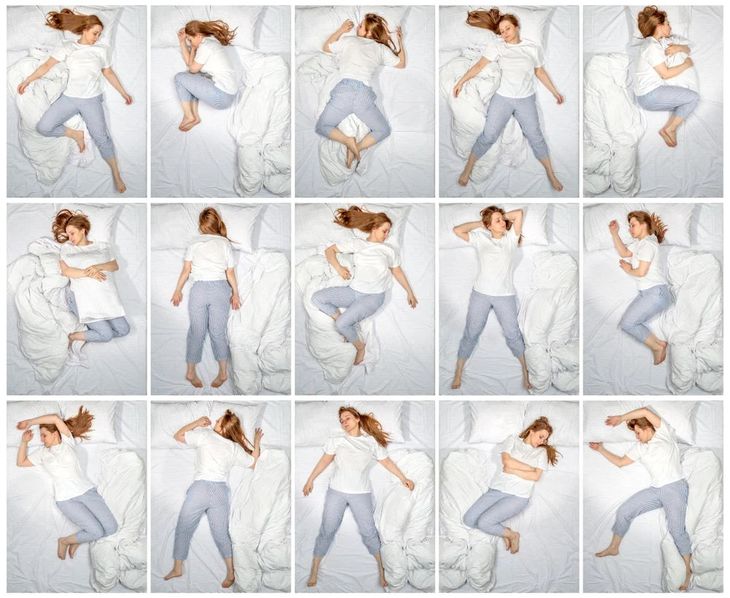
The Importance of Restful Muscle Recovery Cycles
During deep sleep stages, your brain releases growth hormone to stimulate cellular repair and muscular recovery.
This physical restoration process relies on optimal arterial and venous blood circulation throughout your lower extremities.
If you remain in an extreme crossed leg position for hours, you can create localized vascular compression.
This compression restricts the delivery of vital nutrients and oxygen to your recovering thigh and calf muscles.
Your body may experience sudden nocturnal calf cramps or restless legs as a result of this restricted blood flow.
These sensory disturbances trigger micro-arousals that pull you out of refreshing slow-wave sleep stages and into light sleep.
The Herz P1 Smart Ring monitors your physical micro-movements to detect when vascular discomfort interrupts your recovery cycles.
Ensuring an unhindered, neutral skeletal position is the most effective way to protect your body’s natural healing processes.
The Bulky Tracker Trap: Why Smartwatches Ruin Sleep Quality Metrics
Many health-conscious individuals make the mistake of wearing heavy, bulky smartwatches to track their sleep patterns.
These large wrist devices frequently shift during the night, causing optical sensors to lose contact with the skin.
This sensor movement results in highly inaccurate sleep staging, heart rate, and oxygen saturation data.
Furthermore, the physical bulk of a smartwatch can cause physical discomfort when pressing against your face or chest.
This irritation can actively increase physical restlessness and force you into uncomfortable postures like the starfish position.
Another major frustration is the hidden financial cost associated with popular wearable brands in the market.
Many companies require expensive monthly app subscriptions just to view your personal physical health metrics.
Team Herz P1 believes that you should own your physical health data completely and without ongoing financial barriers.
The Herz P1 companion app is completely free for a lifetime, with zero hidden fees or locked metric screens.
The ring is built from highly durable, military-grade steel that easily resists daily wear, scratches, and impacts.
Its ultra-lightweight profile of just a few grams ensures you will completely forget you are wearing it to bed.
Why Finger-Based Optical Sensors Deliver Superior Nighttime Accuracy
Optical sensors operate by emitting light into subcutaneous tissues to measure changes in blood volume flow.
The arteries located at the base of your fingers are highly concentrated and sit much closer to the skin surface.
This superficial arterial density makes the finger a far superior location for tracking delicate biometric signals than the wrist.
Wrist-based trackers must penetrate thick layers of muscle, tendon, and bone to access reliable arterial pulse waves.
This physical barrier leads to significant signal noise and reduced accuracy during active sleep stages.
The Herz P1 Smart Ring utilizes advanced multi-wavelength optical sensors to capture clean arterial waveforms directly from the finger.
This clinical-grade tracking technology delivers highly reliable data on your resting heart rate and oxygen levels overnight.
Choosing a finger-based tracking format ensures you receive the most accurate representation of your physical sleep health.
Frequently Asked Questions About Smart Rings and Posture
Is the Herz P1 Smart Ring fully waterproof?
Yes, the Herz P1 Smart Ring features a robust IP68 waterproof rating for maximum environmental protection.
This military-grade standard certifies that the ring is completely protected against continuous immersion in water up to 164 feet.
You can safely wear the ring while swimming, showering, washing your hands, or sweating heavily during workouts.
The seamless outer shell protects the delicate internal optical sensors from any liquid ingress or corrosion over time.
How long does the battery last on a single charge?
The Herz P1 Smart Ring delivers an impressive battery life of six full days of continuous 24/7 biometric tracking.
This long-lasting battery capacity allows you to monitor your health trends without the hassle of daily charging routines.
When the battery is depleted, the ring charges fully in under one hour using the included magnetic charging cradle.
This fast-charging capability ensures that your overnight tracking coverage is never interrupted by a dead battery.
Which finger is best to wear the smart ring on?
The index, middle, or ring finger of your non-dominant hand are the most recommended locations for optimal tracking.
The index finger typically possesses the highest density of superficial blood vessels for the most accurate PPG readings.
Ensure the inner sensor bump rests securely against the palm side of your finger to maintain constant skin contact.
A comfortable, snug fit prevents the ring from rotating during the night and ensures seamless data collection.
Does the Herz P1 store my biometric data offline?
Yes, the Herz P1 Smart Ring features seven days of secure, local offline data storage directly on the device.
This means you do not need to keep your smartphone nearby or connected to Bluetooth throughout the night.
The ring will continuously track your heart rate, HRV, and sleep stages even when your phone is powered off.
Once you open the companion app, the stored data will automatically sync and update your personal health dashboard.

Conclusion: Decipher Your Sleep Patterns Subscription-Free
Decoding your sleep movements is the key to optimizing your nightly recovery and spinal alignment. The Herz P1 Smart Ring offers subscription-free tracking to help you understand these subtle bodily signals easily. Ready to monitor your health every day? Explore the Herz P1 Smart Ring and see if it fits your lifestyle. Call: 1-866-479-1629 — our team can advise on sizing and goals.
Note: Individual results may vary depending on individual health conditions, age, and lifestyle habits. This article is intended for general health reference purposes only.
