

According to research by sleep medicine experts, over sixty percent of adults adopt side-based sleeping positions to rest comfortably each night, yet few realize how these physical choices directly impact cardiac and respiratory biometrics. Our team at Herz P1 has analyzed nocturnal data trends to help you understand how different sleep poses reflect your underlying health state, guiding you to recognize and optimize your body’s subtle nighttime signals.
Built to Last. Save Up to 69% Today.
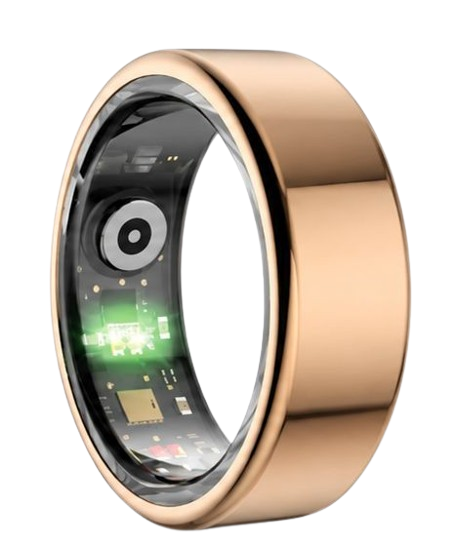
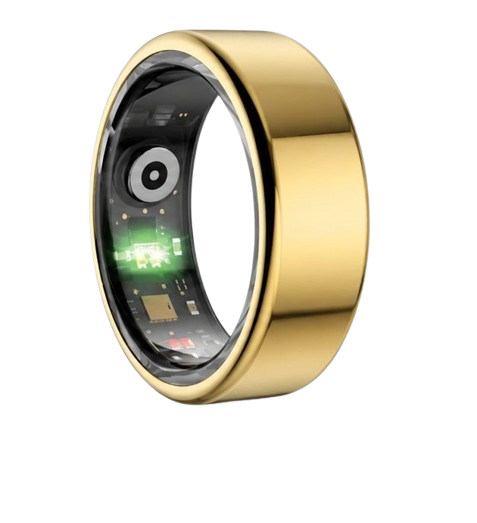
The Herz P1 Smart Ring tracks HRV, Sleep, Heart Rate & SpO2 around the clock. No subscriptions. No renewals. Ever.
In This Article
- Body Alignment: A comprehensive step-by-step physical routine to align your spine for deep, restorative sleep cycles.
- Physiological Sleep Deep-Dive: Discover the cardiovascular, neurological, and structural meanings behind popular sleep postures.
- Biometric Technology: Unpack how optical photoplethysmography (PPG) sensors measure resting heart rate and oxygen levels.
- Data-Driven Recovery: Practical wellness strategies to decode your nightly smart ring metrics and eliminate sleep disruptions.
How to Align Your Body for Restorative Sleep: A Step-by-Step Optimization Guide
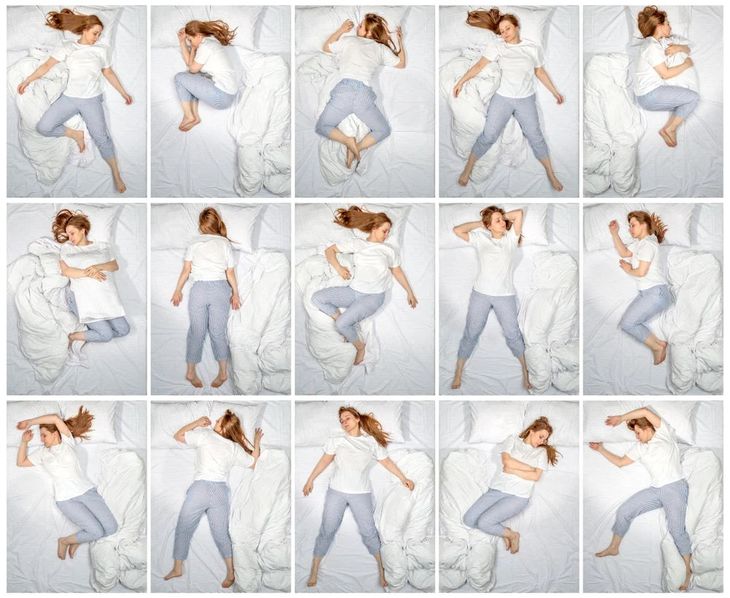
Preparing your body for high-quality rest requires proper physical support and a basic understanding of your unique anatomy.
You will need a supportive mattress that matches your body weight, adaptable pillows, and a reliable biometric tracker like the Herz P1 Smart Ring to measure your nocturnal physiological changes.
-
Step 1: Select Your Primary Anatomical Target
Identify the posture that best addresses your personal chronic health challenges before getting into bed.
If you experience gastroesophageal reflux or mild breathing obstructions, a lateral position is highly recommended.
If you suffer from joint stiffness or chronic muscle tension, a symmetrical back-lying posture may serve your skeletal system better.
Avoid switching your body positions erratically, as constant movement disrupts your initial sleep onset phase.
Aim to stay in your chosen baseline position for at least twenty minutes as your body transitions into NREM stage one.
-
Step 2: Position Your Support Pillows Correctly
Place a primary pillow under your head to maintain a neutral cervical spine angle throughout the night.
The pillow should fill the gap between your neck and the mattress without tilting your chin forward or backward.
For side sleepers, the pillow thickness must match the distance from your neck base to the tip of your shoulder.
A pillow that is too high or too flat can strain your cervical ligaments and restrict blood flow to your brain.
Check that your head remains parallel to the mattress surface to prevent early morning tension headaches.
-
Step 3: Stabilize Your Pelvis and Knees
Slightly flex your knees to reduce tension on your lower lumbar region and hamstring muscles.
If you are resting on your side, place a slim, supportive pillow between your knees to keep your hips level.
This simple pelvic stabilization prevents your upper leg from pulling your spine into a harmful twist.
For those resting on their backs, place a rounded pillow directly underneath your knees to offload joint pressure.
This elevates your lower joints and maintains the natural inward curve of your lower lumbar spine.
-
Step 4: Regulate Your Sleep Environment Temperature
Set your bedroom thermostat to between sixty and sixty-seven degrees Fahrenheit to promote deep rest.
Your body must lower its core temperature by approximately two degrees to initiate healthy sleep cycles.
Cool ambient air promotes peripheral vasodilation, allowing warm blood to flow easily to your limbs.
Excessive ambient heat forces your heart to pump faster, which lowers your overnight Heart Rate Variability.
Keep your hands and feet warm with light covers to encourage optimal vascular distribution while you rest.
-
Step 5: Review Your Nightly Biometric Trends
Wear your smart ring consistently on your chosen finger throughout the entire night to capture data.
The device will continuously measure your heart rate, pulse oxygen levels, and microscopic movements.
Upon waking, open the companion mobile application to sync your stored physical data automatically.
Examine the relationship between your physical sleep poses and your deep sleep duration over time.
Adjust your skeletal alignment on subsequent nights if your recovery scores show poor cardiovascular rest.
Tracking these biological adjustments becomes simple when you use the advanced tracking technology of the Herz P1 Smart Ring.
Our subscription-free ring monitors your autonomic nervous system trends so you can see exactly how each physical posture impacts your sleep staging.
By checking your real-time metrics, you can refine your night-by-night alignment to protect your heart and spine.
Decoding the Physiology of Common Sleep Positions
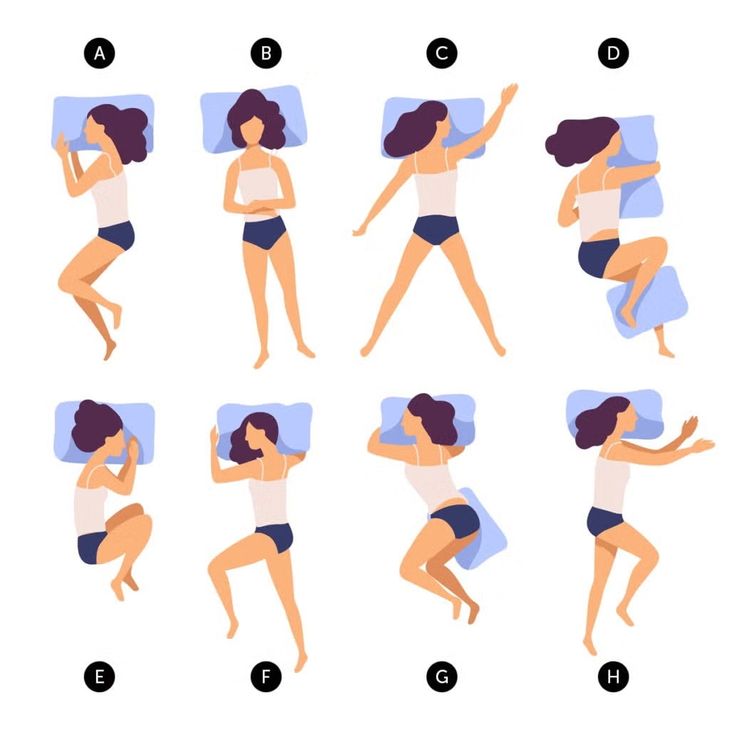
Your favorite sleep posture is more than just a comfortable habit you developed over time.
Physiologists agree that the sleeping positions meaning relates directly to internal circulation, spine health, and respiratory function.
The most common sleep poses often reveal physical vulnerabilities or adaptations your body makes during the night.
By tracking your biometrics, you can understand how these positions affect your heart rate and breathing.
Let us look closely at how each major posture impacts your autonomic recovery and oxygen levels.
The Lateral Posture: Side Sleeping and the Fetal Position
Over half of the adult population prefers lateral sleep habits, commonly referred to as fetal position sleep.
Resting on your side offers substantial benefits for your brain’s cellular waste clearance systems.
Medical research shows that the glymphatic pathway clears metabolic waste far more efficiently when you sleep on your side compared to your back.
Sleeping on your left side is highly recommended by gastrointestinal specialists to minimize painful acid reflux.
This posture keeps the stomach junction below the esophagus, physically preventing gastric acids from rising.
However, sleeping on your side can compress the brachial plexus nerves in your shoulder if your mattress is too firm.
This pressure can trigger transient numbness, micro-arousals, and elevated nocturnal heart rates.
Using a supportive pillow between your knees can keep your hips aligned and reduce joint strain.
The Supine Posture: Back Sleeping Dynamics
Sleeping flat on your back is excellent for keeping your head, neck, and spine in a neutral line.
Despite this orthopaedic benefit, there are several distinct disadvantages of sleeping on your back.
Gravity pulls the tongue and soft palate downward toward the back of the throat, narrowing the upper airway.
This airway collapse leads to loud snoring, shallow breathing, and sudden drops in blood oxygen saturation.
For individuals with undiagnosed sleep apnea, back sleeping can cause frequent micro-awakenings that disrupt deep sleep.
The starfish position, where you lie on your back with arms raised, can place extra stress on your shoulder joints.
Similarly, the habit of sleeping straight like a soldier can cause lower back pain if your mattress lacks contouring support.
Our biometric team recommends using a wedge pillow if you must sleep on your back to keep your airways open.
The Prone Posture: Lying on the Stomach
Choosing to sleep lying on stomach is widely considered the most physically taxing posture.
This position flattens the natural curve of your lumbar spine, putting pressure on your lower back muscles.
To breathe while prone, you must rotate your neck to one side for hours at a time.
This extreme cervical rotation puts intense strain on your vertebral joints and limits healthy blood flow.
The only real benefit of prone sleeping is that it physically opens up your airways, making snoring less likely.
Our biometric tracking team recommends transitioning away from this posture to protect your long-term joint health.
If you cannot sleep any other way, try placing a thin pillow under your pelvis to reduce lumbar strain.
Alternative Sleep Poses and Lower Body Variations
Many people find themselves sleeping with knees up while resting on their backs.
This knee elevation is a natural reflex to take the pressure off tight hip flexors and ease lower back strain.
If you prefer the figure 4 sleeping position meaning your body may be trying to open up a tight hip joint on one side.
These adjustments show that your body is constantly working to find a balance between joint comfort and easy breathing.
Paying close attention to these natural posture changes helps you understand what your body needs to recover.
Using a smart ring can help you correlate these specific positions with your actual recovery metrics.
How Biometric Wearables Track Sleep Stages and Autonomic Rest

To truly understand how your sleeping position affects your recovery, you need precise physiological data.
Modern biometric trackers use advanced optical sensors to measure blood flow trends right at your fingertip.
Our team at Herz P1 has designed highly accurate sensors that monitor your resting metrics throughout the night.
These sensors let you see exactly how different positions change your heart and respiratory patterns.
Understanding PPG Sensor Technology
Photoplethysmography, or PPG, works by projecting light into the capillaries of your skin.
The sensor then measures how that light is absorbed as your blood pulses through your finger.
This optical technology captures your pulse wave with incredible precision, matching the accuracy of medical ECG equipment.
By analyzing the shape of each pulse wave, our software calculates your exact heart rate and oxygen saturation.
This continuous monitoring allows the Herz P1 Smart Ring to catch tiny changes in your body’s physical state.
The skin on your fingers is much thinner than on your wrist, which makes ring sensors far more accurate than watches.
Analyzing Heart Rate Variability and Autonomic Balance
Heart Rate Variability, or HRV, measures the tiny differences in time between your consecutive heartbeats.
This metric is controlled by your autonomic nervous system, which balances your fight-or-flight and rest-and-digest responses.
A high HRV during sleep shows that your parasympathetic nervous system is active and helping your body recover.
If your sleep posture restricts your breathing or strains your joints, your body experiences physical stress.
This stress triggers your sympathetic nervous system, causing your heart rate to rise and your HRV to drop.
The Herz P1 Smart Ring tracks these subtle HRV trends every five minutes to help you spot sleep-disrupting postures.
By reviewing your morning HRV, you can see if your sleep posture is helping or hurting your cardiac recovery.
Decoding REM and Deep Sleep Staging
Your body cycles through distinct phases of light, deep, and REM sleep several times each night.
During deep sleep, your blood pressure drops, your muscles relax, and your tissues repair themselves.
During REM sleep, your brain is highly active, consolidating memories and processing emotional experiences.
Frequent changes in your sleep posture can disrupt these cycles, leaving you feeling tired even after eight hours in bed.
Our smart ring tracks your physical movements and heart rate patterns to map out your sleep stages with eighty-two percent accuracy.
This detailed mapping shows you if you are getting enough deep sleep to repair your muscles and joints.
How to Read and Apply Sleep Data with the Herz P1 App
Collecting health data is only valuable if you know how to use it to improve your daily wellness.
The Herz P1 mobile application organizes your sleep metrics into a clear, easy-to-read dashboard.
Our software gives you a single Sleep Score each morning, showing you how well your body recovered.
Let us explore how to use this dashboard to make positive adjustments to your sleep routines.
Analyzing Your Morning Sleep Dashboard
When you open the app, look at the balance between your deep sleep and REM sleep stages.
If your deep sleep is low, it could mean your muscles were tense or you shifted positions too often.
Check your blood oxygen trends to make sure your levels stayed above ninety-five percent all night.
If you see sudden drops in your oxygen levels, it may be time to try sleeping on your side to keep your airways open.
Compare your nightly resting heart rate to your average baseline to see if your body is carrying physical stress.
Our app highlights these key trends so you do not have to spend time analyzing raw data yourself.
Adjusting Your Routines Based on Recovery Metrics
Use your daily recovery score to plan the intensity of your workouts and work tasks.
A high score means your body is fully recovered and ready for physical challenges or intense focus.
A low recovery score is a sign to prioritize rest, gentle stretching, and early sleep.
By matching your daily activities to your body’s true recovery state, you can avoid burnout and injuries.
Consistency is key to seeing how small lifestyle changes, like a new pillow setup, improve your sleep quality over time.
The app will send you gentle recommendations based on your historical recovery patterns to keep you on track.
The Benefits of Comfort and 24/7 Wear
To get the most accurate health insights, you need a tracking device you can wear comfortably all day and night.
Traditional smartwatches can feel bulky, heavy, and hot on your wrist while you try to sleep.
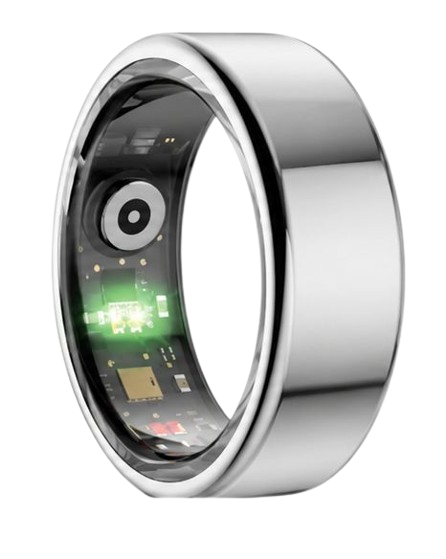
The Herz P1 Smart Ring is incredibly light, weighing just three and a half grams, and fits smoothly on your finger.
Our sleek design is made from military-grade steel, ensuring durability without sacrificing your comfort.
With its long-lasting battery, you do not have to worry about charging it every single day.
You can wear it to the gym, in the shower, and to bed without ever feeling restricted.
Common Pitfalls of Sleep Tracking and Smart Wearables
Many people make the mistake of wearing large, uncomfortable smartwatches to track their sleep.
These bulky wrist devices can easily catch on your blankets, disturbing your sleep and distorting your metrics.
Wrist sensors often move around during the night, leading to inaccurate readings and gaps in your data.
Additionally, many wearable brands charge expensive monthly subscription fees to access your own health data.
We believe your personal health metrics should belong to you completely, without any ongoing costs.
The Herz P1 App is entirely free for life, giving you full access to all your biometric trends without a subscription.
This eliminates the hidden costs that make other smart health devices frustrating to own over time.
Frequently Asked Questions About Herz P1 Smart Ring
We have collected the most common questions from our wellness community to help you get the most out of your device.
Is the Herz P1 Smart Ring waterproof?
Yes, the Herz P1 Smart Ring has a certified IP68 waterproof rating.
It is fully protected against dust and can handle continuous water submersion up to one hundred and sixty-four feet.
You can safely wear it while swimming, washing your hands, showering, or working out in the rain.
How long does the battery last and how quickly does it charge?
The battery lasts up to six days on a single charge, depending on your usage and sync frequency.
When the battery runs low, you can charge it fully in under one hour using the included magnetic charging dock.
This quick charge time means you will rarely miss a night of tracking your health metrics.
Which finger is best to wear the smart ring on?
We recommend wearing the ring on your index, middle, or ring finger for the most accurate sensor readings.
These fingers have the best capillary blood flow close to the skin’s surface, which improves PPG signal quality.
Ensure the ring fits snugly but comfortably, without sliding around or squeezing your finger too tightly.
Does the ring store my biometric data offline?
Yes, the Herz P1 has built-in local memory that can store up to seven days of biometric data offline.
You do not need to keep your phone connected via Bluetooth all night to capture your sleep trends.
The ring will automatically sync your saved data as soon as you open the companion app on your phone.
90-Day 100% Money-Back Guarantee
“The Herz Smart Ring helps me manage stress easily. It’s accurate, stylish, and lightweight—perfect for my busy life!”
— Jennifer P. | ✔ Verified Customer
- ✓ 6-Day Battery Life
- ✓ Detailed Sleep Analysis
- ✓ Fast 1-Hour Charging
- ✓ iOS & Android Ready
Questions? Call: 1-866-479-1629
Conclusion: Your Subscription-Free Wellness Journey Starts Here
Understanding what your sleeping posture says about your health is the first step toward lasting vitality.
By combining proper physical alignment with subscription-free biometric insights, you can take control of your recovery.
Explore the Herz P1 Smart Ring to see how it fits your daily lifestyle.
Call our wellness team at 1-866-479-1629 for personal sizing advice and health goals.
Note: Individual results may vary depending on individual health conditions, age, and lifestyle habits. This article is intended for general health reference purposes only.
