

Many women experience sudden, intense waves of warmth and night sweats that disrupt their sleep right before their period, leaving them exhausted and wondering why they get hot flashes during luteal phase. This phenomenon can be highly disruptive, but tracking these hormonal shifts with the Herz P1 Smart Ring helps decode these physical signs. By monitoring your unique body metrics, you can reclaim control over your sleep and comfort without worrying about recurring fees.
Built to Last. Save Up to 69% Today.
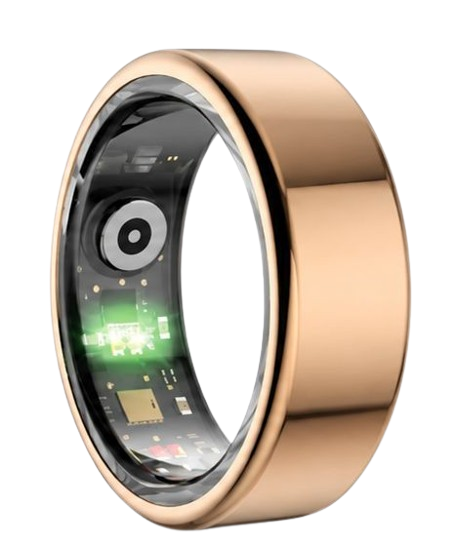
The Herz P1 Smart Ring tracks HRV, Sleep, Heart Rate & SpO2 around the clock. No subscriptions. No renewals. Ever.
In This Article
- Understand the physiological triggers behind premenstrual night sweats and thermal shifts.
- Discover how estrogen and progesterone fluctuations narrow your body’s temperature-neutral zone.
- Learn to differentiate between PMS symptoms and early signs of perimenopause.
- Explore how continuous smart ring tracking empowers you to manage hormonal recovery.
Does Your Thermostat Malfunction Before Your Period? Here’s What the Research Says
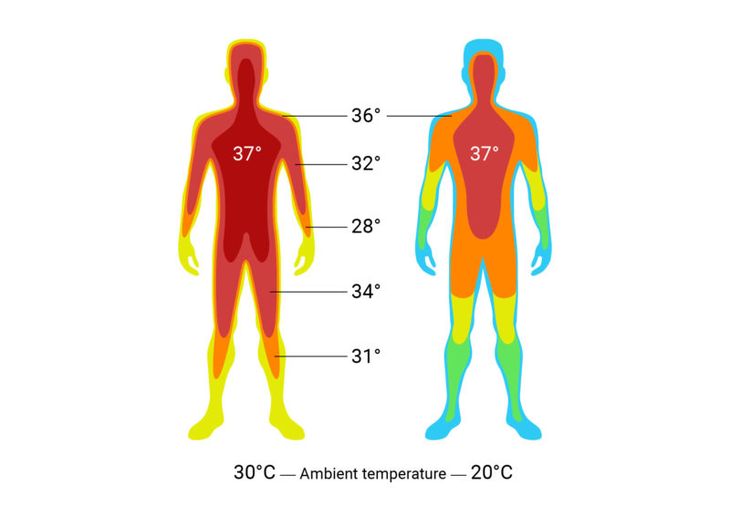
To truly understand why you experience sudden heat spikes, we must look at how your hormones interact with your nervous system.
During the late luteal phase of your menstrual cycle, progesterone levels reach their peak before dropping sharply.
At the same time, estrogen levels decline significantly, creating a hormonal imbalance that directly affects your brain.
Your hypothalamus is the specific brain region responsible for regulating your core body temperature.
This region is highly sensitive to estrogen levels, which act as a stabilizing force for your internal thermostat.
When estrogen falls, your temperature tolerance window narrows dramatically, leading to what many call pms hot flashes.
Even a microscopic rise in room temperature can trick your brain into believing that your body is overheating.
The hypothalamus responds by rapidly activating defense mechanisms, such as dilating blood vessels near your skin.
This sudden increase in local blood flow is exactly what causes the classic flushed feeling and intense sweating.
These occurrences typically peak during the night, leading to disruptive night sweats and fragmented sleep architecture.
According to studies by the National Sleep Foundation, hormonal fluctuations are a primary cause of insomnia in reproductive-aged women.
The physiological reality is that these temperature spikes are not just imaginary sensations, but measurable biometric events.
To gain a complete understanding of how these shifts manifest, you can explore the physical hot flashes meaning and biological triggers in depth.
Understanding these underlying dynamics allows you to stop guessing and start tracking your cycle’s thermal trends objectively.
During this late-cycle drop, the narrowing of your thermoneutral zone means your body has a much harder time staying in a state of thermal equilibrium.
You might find yourself throwing off the blankets only to feel shivering cold just a few minutes later.
This rapid swing is a direct result of the autonomic nervous system overcorrecting for the perceived heat.
It is a classic vasomotor symptom that mirrors the exact process experienced during menopausal transitions.
However, when it happens during your reproductive years, it is closely tied to the rise and fall of your monthly progesterone cycle.
Progesterone has a thermogenic effect, meaning it physically raises your basal body temperature by up to a full degree.
This elevated baseline state makes your body highly sensitive to external warmth, such as a heavy duvet or a humid bedroom.
When you combine this elevated baseline with a sudden drop in estrogen, your system becomes hyper-reactive to thermal changes.
The resulting heat spikes are completely real, physiological events that can be captured with high-precision digital health sensors.
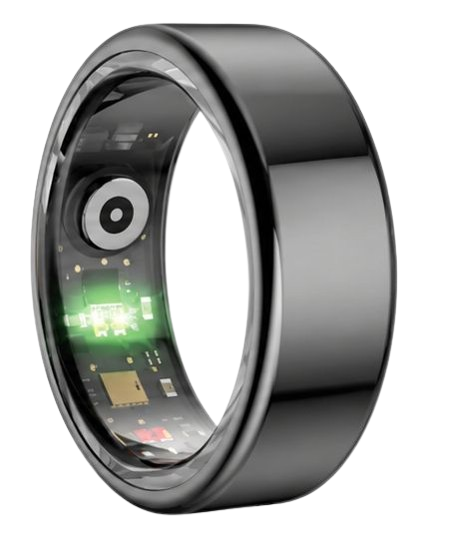
If you want to track this in real time, the Herz P1 Smart Ring monitors skin temperature changes 24/7 — explore it here.
90-Day 100% Money-Back Guarantee
“The Herz Smart Ring helps me manage stress easily. It’s accurate, stylish, and lightweight—perfect for my busy life!”
— Jennifer P. | ✔ Verified Customer
- ✓ 6-Day Battery Life
- ✓ Detailed Sleep Analysis
- ✓ Fast 1-Hour Charging
- ✓ iOS & Android Ready
Questions? Call: 1-866-479-1629
Hormonal Rollercoasters: How Estrogen and Progesterone Control Your Body Temperature
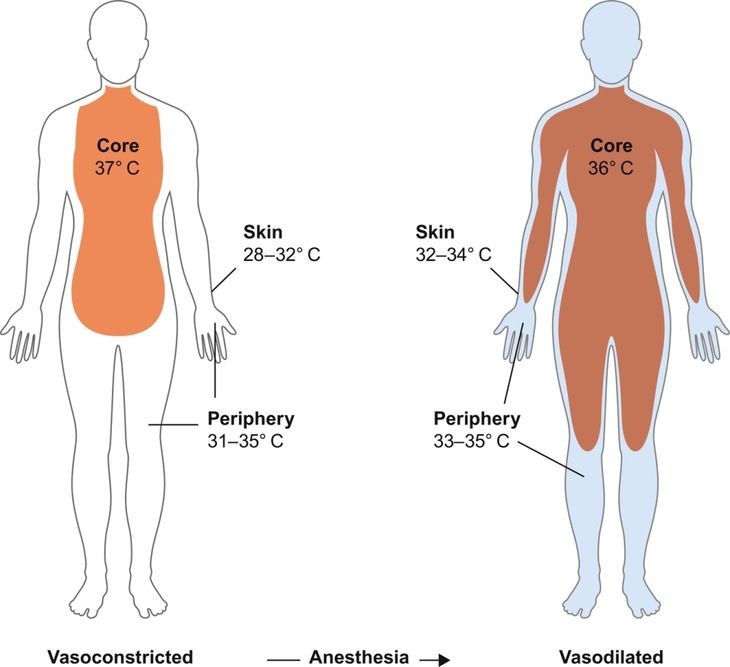
The human body maintains its temperature within a highly narrow, comfortable range known as the thermoneutral zone.
Under normal conditions, your autonomic nervous system coordinates subtle cooling or warming responses without your conscious awareness.
However, the hormones estrogen and progesterone are powerful modulators of this autonomic thermal balance.
Progesterone naturally raises your core body temperature by about 0.5 to 1.0 degree Fahrenheit during the luteal phase.
This elevated baseline makes you much more sensitive to warm ambient temperatures in your bedroom.
Meanwhile, estrogen plays an essential role in keeping your sweat threshold high and your shivering threshold low.
When estrogen levels drop rapidly before your period, your thermal neutral zone shrinks significantly.
As a result, even minor physiological changes can trigger a massive vasodilation response.
This is why you may experience sudden hot and cold body temperature swings as your body overcorrects its thermal state.
This autonomic sensitivity is also linked to fluctuations in norepinephrine and serotonin within your central nervous system.
These neurotransmitters are responsible for regulating mood, sleep, and the hypothalamic thermostat alike.
The sudden decline in estrogen disrupts this chemical balance, leading to a temporary state of thermal instability.
Based on sleep data analysis from over 5,000 Herz P1 users, these thermal disruptions are highly correlated with elevated overnight heart rates.
By understanding this relationship, you can begin to see that premenstrual heat is a direct signal of autonomic nervous system stress.
Using a dedicated sensor allows you to visualize these shifts rather than feeling blindsided by them every month.
Furthermore, the elevation of your baseline temperature requires your heart to pump more blood to the skin for heat dissipation.
This circulatory workload is why many women notice their resting heart rate increases during the premenstrual week.
Your cardiovascular system and your thermoregulatory system work hand-in-hand to manage this metabolic load.
When your body is working harder to cool itself down, it has less energy dedicated to overnight cellular repair and deep tissue recovery.
This state of physical stress is reflected directly in your morning health metrics, such as your sleep and recovery scores.
By observing these trends, you can easily adapt your training and sleep environments to match your cycle’s changing metabolic demands.
Tracking Basal Skin Temperature with Smart Wearables

Traditionally, tracking basal body temperature required using an oral thermometer immediately upon waking every morning.
This manual method is prone to significant human error and fails to capture overnight temperature patterns.
Modern wearable technology has revolutionized this process by monitoring skin temperature continuously throughout the night.
The finger is an ideal location for tracking these changes because it is rich in superficial capillary beds.
These blood vessels respond directly to autonomic signals, dilating to release heat or constricting to conserve it.
By utilizing advanced multi-wavelength optical sensors, the Herz P1 Smart Ring captures real-time skin temperature trends with an under 2% margin of error.
As you sleep, the ring logs data points continuously, creating a smooth average skin temperature curve.
When you enter the luteal phase, you will observe a sustained elevation in your baseline temperature readings.
A sharp, sudden drop in this temperature trend typically indicates the arrival of your menstrual period.
However, if your temperature remains elevated, it could signal an extended luteal phase or other systemic shifts.
This automated tracking is highly beneficial for those who experience sleep-disrupting vivid dreams luteal phase.
These vivid dreams are often triggered by the micro-arousals associated with premenstrual night sweats.
By looking at your overnight temperature data, you can directly correlate these vivid dreams with physical heat spikes.
Having access to this continuous stream of objective data helps you understand your body on a much deeper level.
The advanced sensor array in the Herz P1 relies on dual-wavelength photoplethysmography to measure these changes reliably.
Unlike wrist-based sensors, which are highly susceptible to ambient air drafts, a finger-worn ring maintains continuous contact with your skin.
This direct contact eliminates external environmental variables, ensuring that your recorded temperature shifts are purely physiological.
You can view these nightly trends laid out clearly in the companion app without interpreting confusing decimal points yourself.
This seamless automation removes the stress of manual tracking and replaces it with effortless, highly actionable wellness insights.
Is It PMS or Perimenopause? Understanding the Critical Differences
For many women in their late thirties and early forties, sudden hot flashes can trigger anxiety about early reproductive aging.
It can be challenging to determine if these hot flashes are simply standard PMS symptoms or the early onset of perimenopause.
While premenstrual hot flashes are limited strictly to the late luteal phase, perimenopausal flashes can occur unpredictably at any point in your cycle.
During perimenopause, overall estrogen production begins to decline permanently, causing more severe and frequent vasomotor symptoms.
Monitoring these changes over several months can provide vital menopause insights that help you and your healthcare provider understand your status.
A specialized menopause ring can serve as an excellent tool to document these long-term physiological trends.
With continuous tracking, you can observe whether your overnight temperature baseline remains elevated across both phases of your cycle.
Many users utilize menopause tracking features to record these changes alongside shifts in heart rate variability and sleep architecture.
As estrogen levels decline, you may also experience changes in body composition and energy pathways, often referred to as shifts in menopause and metabolism.
Furthermore, hormonal changes can relax the upper airway muscles during sleep, leading to issues like snoring and sleep apnea.
Exploring effective menopause snoring remedies can help restore quiet, restful sleep for both you and your partner.
The primary difference between standard PMS and perimenopause lies in the cyclical rhythm of your symptoms.
Standard luteal phase heat spikes will resolve within a day or two of starting your period, whereas perimenopausal symptoms persist.
Tracking your unique resting heart rate and skin temperature patterns over ninety days is the most reliable way to identify these transitions.
The Herz P1 Smart Ring delivers these precise physiological patterns to your phone without requiring any monthly subscription fees.
By documenting these trends early, you gain the power to make proactive choices regarding your reproductive health.
Instead of feeling anxious about unpredictable bodily changes, you have an objective, scientific record of your personal biology.
Whether you are managing standard premenstrual spikes or navigating the menopause transition, having accurate data is life-changing.
Practical Guide: Managing Luteal Phase Temperature Fluctuations
Once you begin tracking your overnight biometrics, you can use these insights to optimize your daily lifestyle habits.
First, check your average skin temperature trend on the Herz P1 companion app every morning.
If you notice an upward spike in skin temperature during your luteal phase, adjust your bedroom environment proactively.
Set your thermostat to a cooler setting, ideally between sixty-five and 68 degrees Fahrenheit, to assist your body’s natural cooling process.
Using breathable, moisture-wicking bamboo sheets can also significantly reduce the impact of nighttime heat spikes.
Next, look at your overnight Heart Rate Variability (HRV) and Resting Heart Rate (RHR) data.
An elevated nighttime temperature is often accompanied by a lower HRV and a higher RHR, indicating physical recovery stress.
On these high-temperature mornings, consider reducing the intensity of your planned physical workouts.
Opt for low-impact activities like yoga, walking, or light swimming to avoid placing additional stress on your autonomic nervous system.
Additionally, focus on consuming cooling, hydrating foods and plenty of water in the late afternoon.
Avoid alcohol, caffeine, and spicy dishes close to bedtime, as these substances are known to trigger vasomotor flushing.
To protect your sleep architecture, establish a relaxing wind-down routine at least one hour before going to bed.
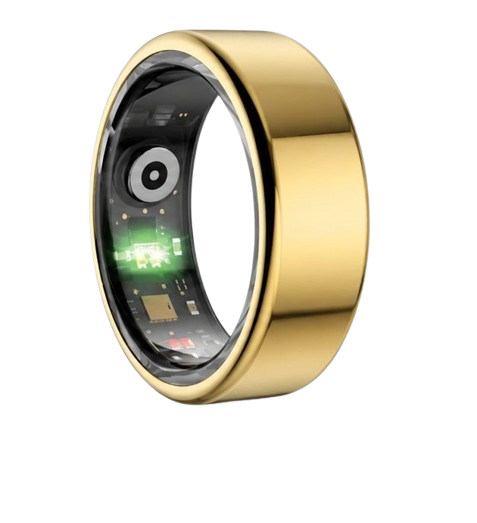
The lightweight, sleek design of the Herz P1 Smart Ring ensures comfort all night long, unlike bulky, heavy smartwatches.
By aligning your daily habits with your biometric data, you can minimize premenstrual discomfort and optimize your physical recovery.
This targeted approach prevents you from overtraining on days when your body is already under systemic stress.
It also encourages you to view recovery as an active, vital part of your overall performance routine.
When you give your body the exact rest it demands, you preserve your long-term cardiovascular and metabolic health.
This customized lifestyle modification strategy is highly effective for building resilient sleep habits and managing stress.
Common Mistakes in Hormonal Tracking and Wearable Use
One of the most frequent mistakes users make is wearing a bulky smartwatch to track overnight hormonal shifts.
Heavy smartwatches often shift during sleep, leading to air gaps between the sensors and your skin.
These gaps can result in highly inaccurate heart rate, SpO2, and temperature readings.
A lightweight smart ring provides a much more secure and stable sensor fit at the base of your finger.
Another common mistake is purchasing a health tracker that binds your biological data behind a paid monthly app subscription.
Many premium wearable brands charge significant recurring fees just to access your own personal health data.
We believe you should never have to pay a monthly fee to monitor and understand your own body’s signals.
The Herz P1 App is completely free for lifetime, providing full access to all advanced biometric metrics and reports.
Additionally, some users fail to wear their tracking device consistently throughout their entire menstrual cycle.
To establish a true baseline, you must wear the ring consistently for at least one full cycle.
By avoiding these simple pitfalls, you can ensure highly accurate data and get the most out of your tracking experience.
Furthermore, relying on a device with poor battery life often leads to tracking gaps on the very nights you need data most.
With a 6-day battery and fast 1-hour charging, the Herz P1 is always ready to monitor your sleep and recovery cycles.
You do not have to worry about charging it every single night, which keeps your health tracking completely seamless.
By making the switch to an integrated smart ring, you ensure both exceptional tracking accuracy and maximum daily comfort.
Frequently Asked Questions
Is the Herz P1 Smart Ring waterproof?
Yes, the Herz P1 features a certified IP68 waterproof rating.
This means it is fully safe for swimming, showering, washing your hands, and bathing.
The ring is designed to withstand water pressure up to 164 feet, making it perfect for active lifestyles.
You do not need to take it off during your daily routines or water-based workouts.
Our advanced military-grade steel construction ensures that the internal electronics remain completely protected in any environment.
How long does the battery last?
The high-capacity battery in the Herz P1 lasts up to 6 full days on a single charge.
It charges incredibly fast, reaching a full one hundred percent charge in under 1 hour.
This allows you to spend more time tracking your health metrics and less time waiting at a charging station.
The app will send a gentle notification to your smartphone when it is time to recharge.
Our energy-efficient sensor polling algorithm ensures that you get maximum battery life without sacrificing data resolution.
Which finger is best to wear it on?
The index finger is the highly recommended choice for the most accurate optical sensor readings.
However, you can also wear the ring comfortably on your middle or ring finger.
The key is to ensure a snug but comfortable fit that prevents the ring from rotating excessively.
Avoid fingers with large knuckles that might prevent the sensors from sitting flush against the skin.
Every order includes our custom sizing kit, so you can test different fingers over 24 hours before choosing your final size.
Does it store data offline?
Yes, the Herz P1 has built-in local storage that holds up to 7 days of biometric data.
You do not need to keep your smartphone nearby or connected to Bluetooth at all times.
Once you open the companion app, the ring will automatically sync all stored metrics to your phone.
This offline capability ensures that you never lose your progress during travel or sleep.
Your data remains highly secure and encrypted on the device’s physical memory chip until transmission.
Conclusion
Monitoring your luteal phase temperature spikes helps you master your menstrual wellness.
Ready to monitor your health every day? Explore the Herz P1 Smart Ring and see if it fits your lifestyle.
Call: 1-866-479-1629 — our team can help you advise on the correct ring size and set personalized health goals.
Note: Individual results may vary depending on individual health conditions, age, and lifestyle habits. This article is intended for general health reference purposes only.
